9 Common Signs of Menopause Every Woman Should Know
You wake up in the middle of the night soaked in sweat, even though the room feels perfectly cool to everyone else. Or maybe you catch yourself getting irritated over tiny things that never used to matter. At first, these changes can be easy to dismiss. You may blame stress, poor sleep, or simply getting older.
In many cases, however, these shifts are part of a completely natural stage of life that millions of women go through. Menopause does not usually arrive all at once. It often begins with subtle clues that seem unrelated until they start appearing together. And one symptom in particular tends to surprise women the most. Recognizing it early can help you feel more in control of the transition.
What the Menopause Transition Really Means
Menopause is the point when menstrual periods permanently stop, most often between ages 45 and 55. The years leading up to it are called perimenopause, a time when hormone levels, especially estrogen, begin to rise and fall unpredictably.
For many women, the earliest symptoms show up in their 40s. Because they can come and go, they are often mistaken for everyday stress or routine aging. Understanding these signs can make the experience far less confusing and isolating.
1. Hot Flashes That Appear Suddenly
A sudden wave of heat that spreads from the chest to the neck and face is one of the best-known symptoms of menopause. According to the North American Menopause Society, as many as 75% of women experience hot flashes during this stage.
These episodes may last only half a minute or continue for several minutes. Some women feel them only occasionally, while others deal with them multiple times a day. The intensity also varies widely, from mild warmth to severe discomfort.
2. Night Sweats That Interrupt Rest
If you wake in the early hours with damp sheets, a pounding heart, and a feeling of intense heat, night sweats may be the reason. These are essentially hot flashes that happen while you are asleep, and research published in Menopause connects them to declining estrogen levels.
Night sweats can be especially draining because they steal the deep rest your body needs. Even one bad night can leave you tired, unfocused, and irritable the next day.
3. Sleep Trouble Beyond Night Sweats
Menopause-related sleep problems are not always caused by sweating. Many women find themselves lying awake for long stretches, waking earlier than usual, or struggling to stay asleep through the night.
The Cleveland Clinic reports that more than half of women in perimenopause experience sleep disturbances. It is easy to blame work pressure, anxiety, or too much caffeine, but when poor sleep appears alongside other symptoms, hormonal changes may be playing a major role.
4. Mood Swings and Increased Irritability
One moment everything feels normal, and the next you are unusually tearful, anxious, or short-tempered. These emotional shifts are common during the menopause transition. Hormonal fluctuations can affect the brain chemicals involved in mood regulation.
Experts at the Mayo Clinic note that women during this phase often report more irritability and anxiety than usual. These reactions are real and physical, not imagined. Knowing that can bring a sense of relief.
5. Weight Gain Around the Midsection
Many women notice that their waistline changes even though their eating and exercise habits stay largely the same. A buildup of fat around the abdomen is one of the most common complaints during menopause.
Research from the National Institutes of Health suggests that a slower metabolism and lower estrogen levels both contribute to this shift. It is not simply a matter of discipline or effort. Biology has a strong influence here.

6. Bloating and Digestive Discomfort
That heavy, swollen feeling in your stomach can become more noticeable during perimenopause and menopause. Hormonal changes may slow digestion, leading to constipation, gas, or a general sense of fullness.
This can make clothing feel tighter and leave you uncomfortable even when your weight has not changed much. While frustrating, it is a common part of the transition for many women and often improves with supportive lifestyle habits.
7. Noticeable Changes in Skin and Hair
If your skin suddenly feels drier, your hair seems thinner, or fine lines look more obvious, menopause may be a factor. Estrogen helps support skin elasticity and hair health, so lower levels can lead to visible changes over time.
Dermatologists frequently hear these concerns from women in their 40s and 50s. Although they may seem like cosmetic issues, they are also signs that the body is entering a new hormonal phase.
8. Vaginal Dryness and Physical Discomfort
This symptom is less openly discussed, but it is extremely common. As estrogen declines, vaginal tissue can become drier, thinner, and less flexible. This may cause discomfort during daily activities, exercise, or intimacy.
The American College of Obstetricians and Gynecologists identifies vaginal dryness as a classic menopause symptom. The good news is that many women find relief through simple changes and supportive care.
9. Brain Fog and Forgetfulness
Perhaps the most unexpected sign is brain fog. You walk into a room and forget why. You lose your train of thought in the middle of a sentence. You misplace things more often than before.
Studies show that mild cognitive changes are common during the menopause transition, often linked to hormonal shifts and poor sleep. The reassuring part is that this symptom is usually temporary. With time, rest, and healthy routines, many women notice real improvement.
Why These Symptoms Often Appear Together
Menopause symptoms rarely happen one at a time. More often, several show up in combination. Hot flashes may disturb sleep, poor sleep may worsen mood, and hormonal changes may affect weight, digestion, and mental clarity all at once.
When you begin to notice a pattern, it is your body’s way of signaling that a larger transition is underway. Identifying that pattern early can make the experience feel much less overwhelming.
Simple Lifestyle Changes That Can Help
You do not need a dramatic reset to support your body during menopause. Many women feel better with a few consistent daily habits:
- Keep your bedroom cool: Use breathable bedding and keep a fan nearby.
- Move every day: A 20-minute walk, stretching, or gentle yoga can support sleep and mood.
- Limit caffeine and alcohol: For some women, both can make hot flashes worse.
- Choose balanced meals: Whole foods and fiber-rich meals may help reduce bloating and digestive discomfort.
- Protect your sleep routine: Going to bed at the same time each night can help your body settle more easily.
These steps are not a cure, but they can make the transition feel more manageable.
Common Myths About Menopause Symptoms
There is a lot of misinformation around menopause, which can make an already confusing stage feel even harder. Here are a few myths worth clearing up:
-
Myth: Only older women experience menopause symptoms.
Reality: Many signs begin in the early 40s during perimenopause. -
Myth: Every woman gets all the same symptoms.
Reality: Menopause is highly individual. Some women notice only mild changes, while others experience more disruptive symptoms. -
Myth: Nothing can help.
Reality: Lifestyle habits, symptom tracking, and conversations with a doctor can make a meaningful difference.
When It Is Time to Speak With a Doctor
If symptoms begin interfering with your daily life, sleep, relationships, or emotional well-being, it is a good idea to check in with your healthcare provider. You should also seek medical advice if you notice unusual bleeding patterns or anything that feels out of the ordinary.
A doctor can help determine whether your symptoms are related to menopause or another health issue and can discuss treatment or management options that fit your needs.
You Are Not Imagining It
Experiencing these nine signs does not mean something is wrong with you. It means your body is moving through a normal life stage exactly as it was designed to do. Once you understand what is happening, the process becomes less mysterious and easier to navigate.
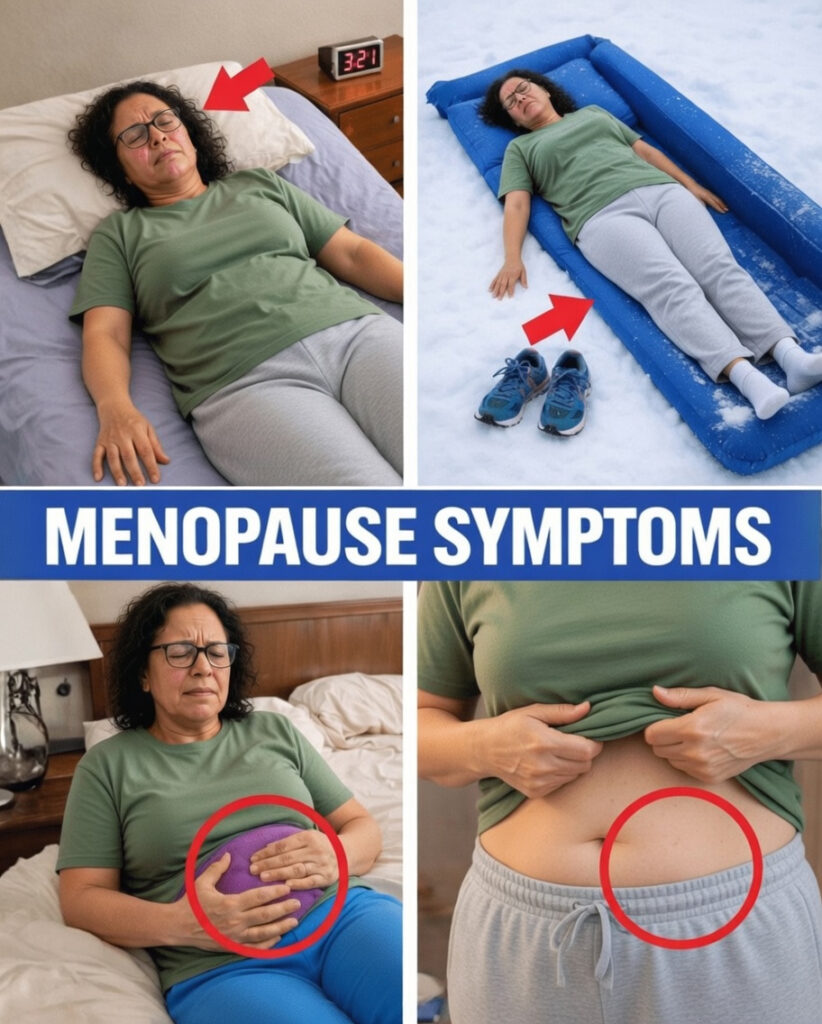
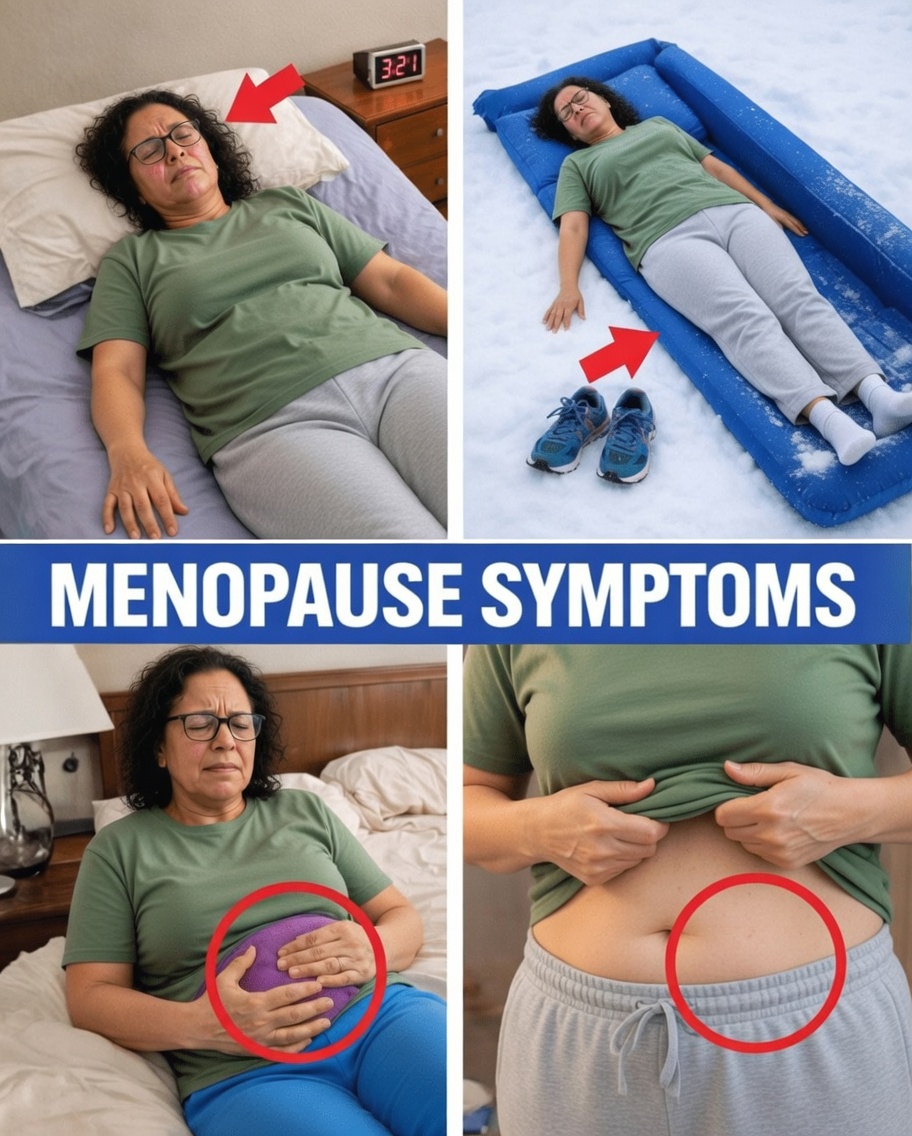
The woman trying to cool down in the middle of winter, the one awake at 3 a.m. with a heating pad, and the one noticing her body changing in the mirror are all living very real, very normal parts of this journey. Awareness gives you power, and support is available.
FAQ
How can I tell whether these symptoms are menopause or something else?
Your age, menstrual cycle changes, and the pattern of your symptoms can offer important clues. Still, only a healthcare professional can confirm what is happening and rule out other causes.
How long do menopause symptoms usually last?
For many women, the most intense part of the transition lasts 4 to 8 years, although some symptoms may continue longer. Every woman’s experience is different.
Can lifestyle changes really improve menopause symptoms?
Yes. Many women report sleeping better, feeling more emotionally balanced, and experiencing less discomfort when they focus on regular movement, good nutrition, stress management, and healthy sleep habits.