
Foods That Support Brain Longevity After 60
As people move through their 60s and later years, occasional forgetfulness and mental haze can start interfering with everyday life. Misplacing words in the middle of a sentence, walking into a room and forgetting the reason, or struggling to stay focused during simple tasks can feel discouraging. For many older adults, these moments bring real concern about independence, confidence, and staying fully present for family and loved ones.
The encouraging part is that certain everyday foods may help nourish the brain systems involved in memory, circulation, and communication between nerve cells. Scientists have long explored the synaptic and vascular mechanisms behind learning and cognition, and some of the same processes can be supported through smart nutrition choices. Once you understand how these foods fit naturally into daily meals, building a brain-friendly plate becomes far more practical.

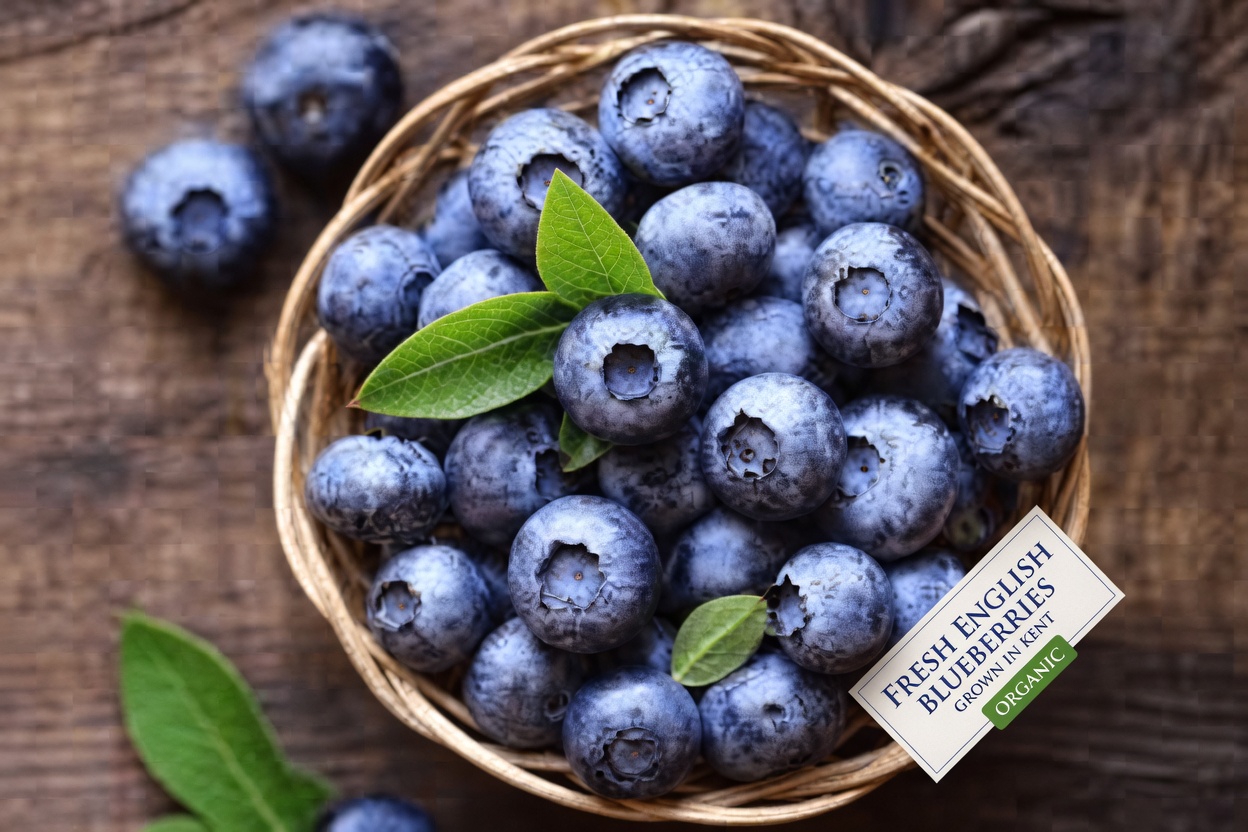
1. Blueberries: An Antioxidant-Rich Brain Food
For seniors dealing with sluggish recall or cloudy mornings, blueberries are one of the simplest foods to add to the diet. They are packed with polyphenols, plant compounds that may help shield fragile brain connections from oxidative stress.
Research connected to synaptic plasticity suggests that antioxidant-rich foods can help counter some of the cellular wear that tends to increase with age. Many older adults enjoy adding fresh or frozen blueberries to oatmeal, yogurt, or smoothies and find that this small habit supports more consistent mental clarity over time.
Blueberries are easy to store, simple to prepare, and fit into breakfast or snacks without effort.
2. Fatty Fish Like Salmon: Omega-3 Support for Memory and Focus
When low energy and mental slowdown show up together, fatty fish such as salmon can be especially helpful. Salmon provides DHA, an important omega-3 fat that helps maintain the flexibility of brain cell membranes, which supports efficient communication between neurons.
Studies related to learning and memory suggest that omega-3 intake may contribute to better recall, concentration, and overall cognitive performance in adults over 60. Seniors who eat salmon a couple of times per week often say they feel more mentally responsive during conversations and daily activities.
Baked or grilled salmon is a practical dinner choice that delivers both flavor and brain-supportive nutrition.
3. Beets: A Natural Boost for Brain Circulation
Many older adults notice that brain fog becomes worse later in the day, especially after lunch. Beets may help because they contain natural nitrates, which can support blood vessel relaxation and improve blood flow, including circulation to the brain.
Scientific work involving nitric oxide has shown how healthy circulation helps deliver oxygen and nutrients to nerve cells. Better cerebral blood flow may support alertness and reduce that heavy, slowed-down mental feeling that can creep in with age.
Beets are affordable and versatile. They can be roasted as a side dish, sliced into salads, or blended into juice for an easy addition to a brain-friendly routine.
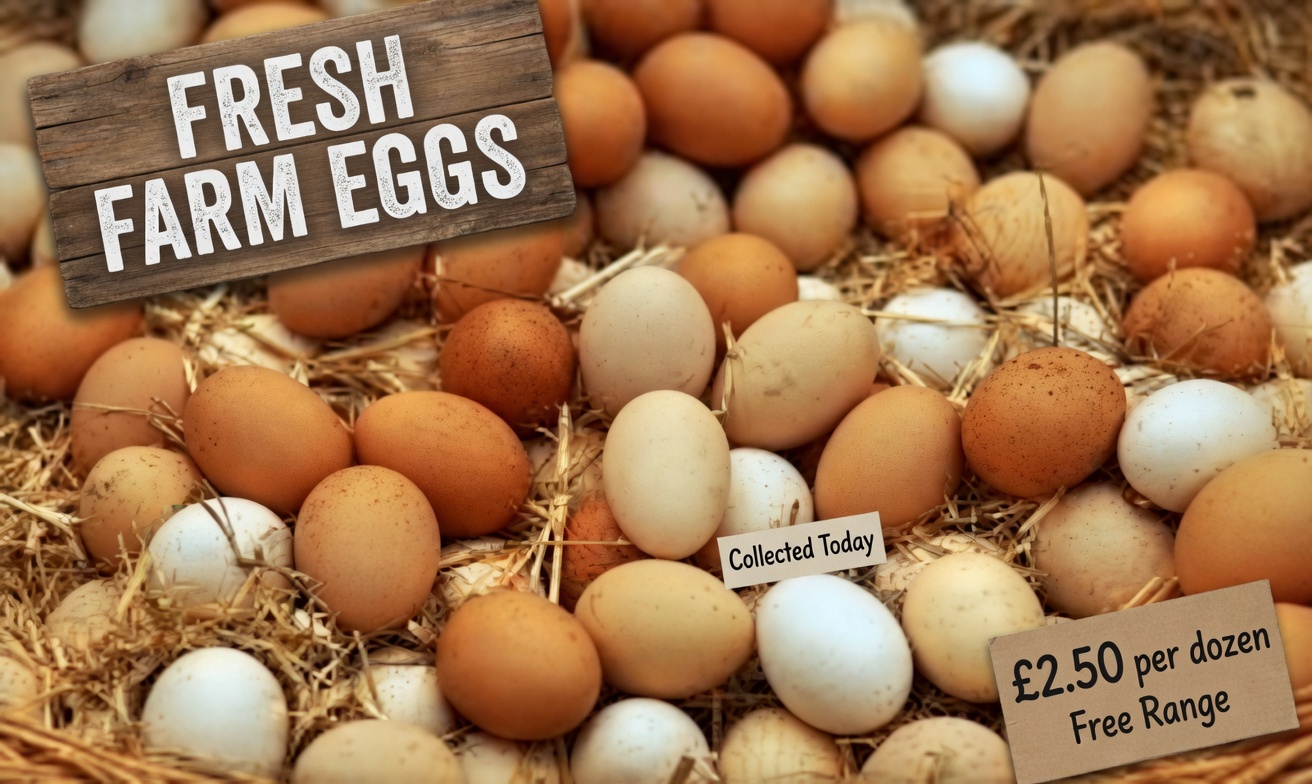
4. Eggs: Choline for Neurotransmitter Production
Morning forgetfulness can make even simple decisions feel frustrating. Eggs are a valuable food for brain longevity because they provide choline, a nutrient the body uses to produce acetylcholine, a neurotransmitter linked to memory and clear thinking.
This makes eggs especially useful for older adults who want a simple, everyday food that supports mental sharpness. Many seniors report feeling more alert when eggs are included regularly at breakfast.
Whether scrambled, poached, or boiled ahead for a quick snack, eggs are one of the most convenient brain-supportive foods available.
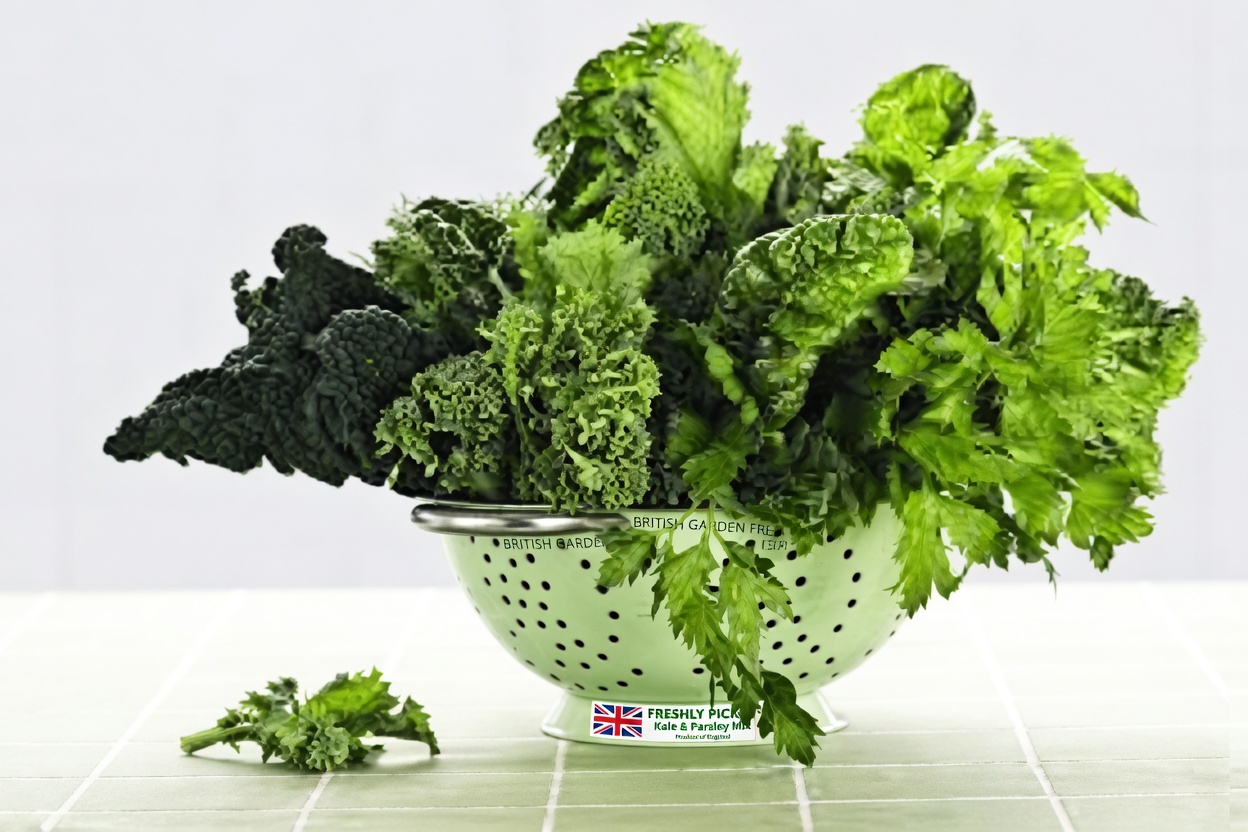
5. Leafy Greens: Daily Protection for the Aging Brain
When mental slowdown starts to threaten confidence and independence, leafy greens offer gentle but meaningful support. Spinach, kale, and similar vegetables provide folate, vitamin K, and a range of antioxidants that help support brain resilience.
These nutrients may help reduce inflammation and support the orderly cellular function that is important for healthy cognition. Seniors who regularly include leafy greens in salads, soups, or side dishes often say it becomes easier to stay focused while reading, doing puzzles, or handling daily tasks.
Leafy greens are one of the easiest foods to work into nearly any meal without adding complexity.
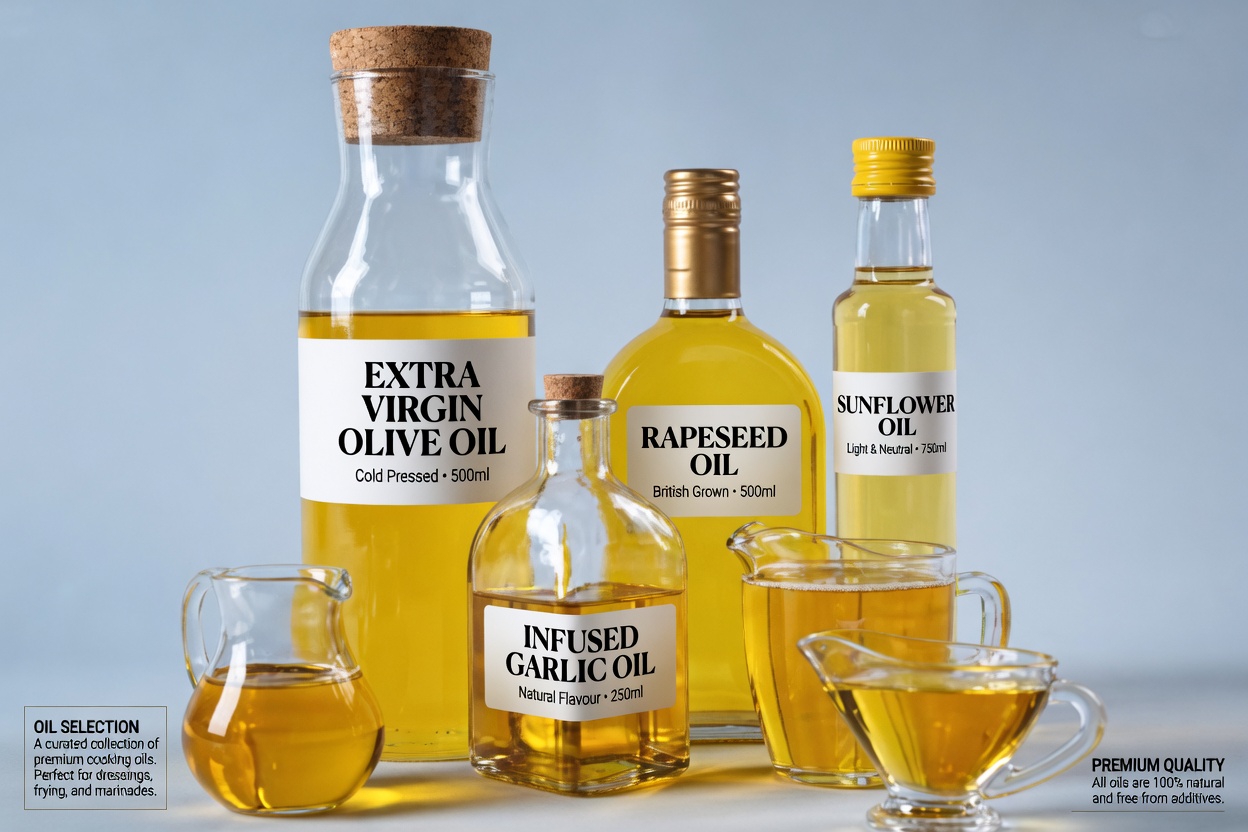
6. Olive Oil and Pomegranate: A Powerful Combination
For older adults concerned about long-term mental sharpness, olive oil and pomegranate make an especially interesting pair. Olive oil provides healthy fats that help support cell membranes, while pomegranate contributes polyphenols that may help preserve nitric oxide and promote healthy blood vessels.
Together, these foods may create a beneficial synergy for vascular health and neuron protection. Many seniors enjoy drizzling olive oil over salads that include pomegranate seeds or combining the two in a light dressing.
This pairing is both flavorful and easy to repeat, making it a realistic habit rather than a complicated wellness trend.
Quick Comparison of Foods That Support Brain Longevity
| Food | Key Compound | Potential Brain Benefit | Easy Tip for Seniors |
|---|---|---|---|
| Blueberries | Polyphenols | Helps protect synapses from oxidative stress | Add to oatmeal or yogurt |
| Salmon and other fatty fish | DHA omega-3s | Supports membrane flexibility and brain signaling | Bake or grill twice a week |
| Beets | Nitrates | Helps improve cerebral blood flow | Roast or juice them |
| Eggs | Choline | Supports acetylcholine production | Eat at breakfast or as a boiled snack |
| Leafy greens | Folate, vitamin K, antioxidants | Helps reduce inflammation and support brain resilience | Toss into salads or soups |
| Olive oil + pomegranate | Healthy fats and polyphenols | Supports blood vessels and neuronal health | Use in salads or light dressings |
Real-Life Experiences Seniors Often Share
Many older adults notice small but meaningful improvements when these foods become part of a regular routine.
- Robert, 68, added salmon and blueberries to his weekly meals and said his recall seemed quicker within a few months. Friends even noticed he sounded sharper in conversation.
- Linda, 72, began eating more eggs and leafy greens and reported steadier energy along with better results on her cognitive check-ins.
- James, 65, started using beets and olive oil more often and felt he had fewer moments of losing his train of thought during hobbies and discussions.
While individual results vary, these stories reflect how gradual dietary changes can support day-to-day brain function.
How to Start Using These Foods Tomorrow Morning
You do not need expensive supplements or complicated meal plans to begin. A few small choices can make a strong start.
- Add blueberries and eggs to breakfast.
- Build a simple lunch salad with leafy greens, olive oil, and pomegranate.
- Include salmon or beets with dinner.
- Stay consistent and pair these habits with a short daily walk to further support circulation and overall brain health.
These foods are available in most grocery stores and can be used without special equipment or advanced cooking skills.
Frequently Asked Questions
1. Are these foods safe for seniors who take medication?
These are common whole foods, but every person has different medical needs. It is always best to speak with your doctor before making significant diet changes, especially if you take medication or manage a chronic condition.
2. How quickly might someone notice benefits?
Some seniors report better focus or steadier thinking within a few weeks of eating these foods regularly. However, results differ from person to person and usually depend on consistency.
3. Can these foods be eaten every day?
In normal portions and as part of balanced meals, these foods are generally gentle and practical for daily use.
Important Note
This article is for educational purposes only and should not be taken as medical advice. Always consult your doctor before making major dietary changes, particularly if you have existing health conditions or use prescription medications.
Final Thoughts
Foods that support brain longevity will not turn anyone into a genius overnight, but they may help make thinking feel clearer and more stable with time. Even starting with just one or two of these options can be a meaningful step toward better cognitive support. Begin tomorrow, keep it simple, and pay attention to how your mind feels as these foods become part of your routine.