
Foods That Support Leg Circulation Naturally for Seniors
Many older adults worry about leg circulation, and for good reason. Busy routines, less physical activity, and everyday eating habits can gradually affect blood flow and lower-body comfort. Heavy legs after a short walk, mild swelling, or concerns about staying mobile and independent can make daily life feel more exhausting than it should.
The good news is that certain familiar foods may be helpful additions to a sensible senior wellness routine. When chosen with care, these foods can naturally support leg circulation while also being easy to enjoy in regular meals. What many people do not realize is that even one small dietary change can make a daily routine feel far more supportive than expected.

Why These Foods Matter for Senior Comfort
Blood vessels work continuously to keep circulation moving throughout the body, which means food choices can play a bigger role than many people think. A number of simple, widely available foods contain nutrients that may help support healthy blood flow and everyday leg comfort as part of a balanced lifestyle.
For seniors, the idea of improving circulation through diet may sound complicated at first. However, once you know which foods are practical, gentle, and easy to prepare, the process becomes much more manageable. As always, portion sizes still matter, and it is wise to speak with a healthcare professional before making major dietary changes.
5 Common Foods That Support Leg Circulation Naturally
These five foods are often mentioned in senior wellness guidance because they are versatile, easy to find, and simple to include in everyday meals. Each one offers its own nutritional benefits while fitting comfortably into a circulation-friendly diet.
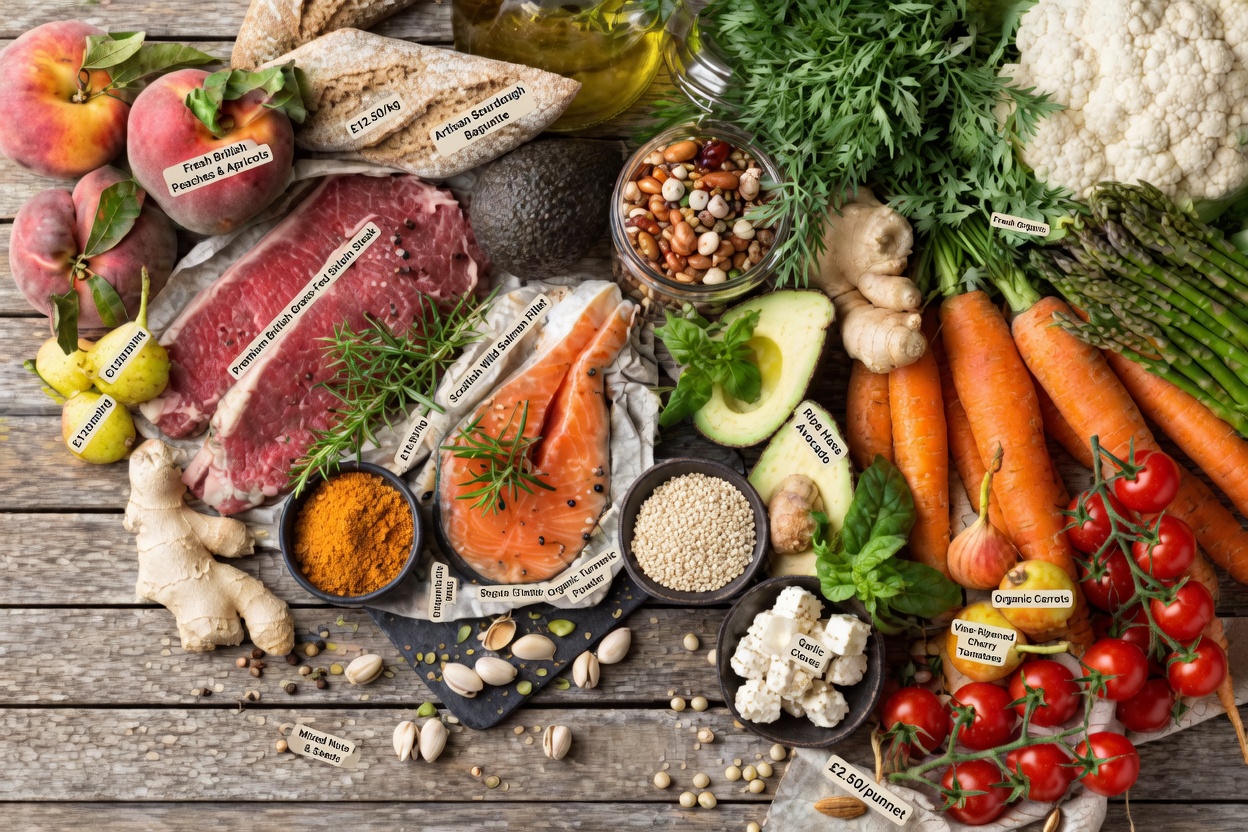
1. Beets
Beets are frequently recognized as one of the best foods for supporting natural circulation because they contain natural nitrates. The body may convert these compounds into nitric oxide, which can help blood vessels relax more easily.
Many seniors enjoy beets because they are nourishing, comforting, and easy to prepare in gentle ways. Roasted beets, beet salads, or even blended beet dishes can be practical choices for those who experience tired legs or mild discomfort after walking. Their naturally sweet, earthy flavor also makes meals more enjoyable.
2. Garlic
Garlic adds rich flavor to food and has long been valued as a traditional ingredient for supporting healthy circulation. Research suggests that the natural compounds in garlic may help maintain blood vessel flexibility over time.
For seniors who feel stiffness in the legs after sitting for long periods, adding a little fresh garlic to lunch or dinner can be a simple, satisfying daily habit. It is an easy ingredient to work into soups, vegetables, fish, and many other meals.
3. Fatty Fish Such as Salmon
Fatty fish, especially salmon, are among the most studied foods for circulatory support due to their omega-3 fatty acids. These healthy fats may help manage everyday inflammation, which is an important part of overall vascular wellness.
Seniors who eat salmon a couple of times per week often appreciate how nourishing and practical it feels. Its mild taste and satisfying texture make it an easy addition to lunch or dinner, whether grilled, baked, or served alongside vegetables.
4. Dark Berries Like Blueberries
Blueberries and other dark berries are rich in antioxidants, which may help protect blood vessel walls. They are a gentle, flavorful option for seniors who want to support circulation without complicated meal planning.
A small handful of blueberries in the morning can add color, freshness, and natural sweetness to breakfast. For many older adults, this simple habit feels uplifting, especially on days when low energy or heavy legs are a concern.
5. Turmeric
Turmeric is a warm, golden spice often included in circulation-supportive eating because its natural compounds may help support a healthy inflammatory response. When paired with a little black pepper, turmeric is better absorbed by the body.
Many seniors enjoy stirring turmeric into soups, broths, smoothies, or warm drinks. Beyond its potential wellness benefits, it also adds comforting flavor and a rich color to simple dishes.
Each of these foods offers practical benefits that make healthy habits feel realistic and enjoyable.
Quick Comparison Table
The table below offers an easy side-by-side look at how these foods may fit into a senior-friendly routine.
| Food | Potential Benefit for Seniors | Easy Daily Use | Best For |
|---|---|---|---|
| Beets | Natural nitrates that may support blood flow | Roasted, steamed, or added to salads | Lighter-feeling legs after walking |
| Garlic | May help support blood vessel flexibility | Minced into meals or soups | Everyday circulation support |
| Fatty Fish (Salmon) | Omega-3s that may help with inflammation | Grilled or baked twice weekly | Easier movement and comfort |
| Dark Berries (Blueberries) | Antioxidants that may protect vessel walls | Added to yogurt or oatmeal | A brighter start to the day |
| Turmeric | May support a healthy inflammatory response | Mixed into soup, tea, or smoothies with black pepper | Overall daily comfort |

Easy Ways to Add These Foods to Your Routine
You do not need complicated recipes to make use of these circulation-friendly foods. Small, consistent habits are often the easiest approach.
Here are five simple ideas:
- Add sliced or roasted beets to a salad or side dish.
- Mix a clove of fresh garlic into lunch or dinner.
- Enjoy a modest serving of salmon twice a week.
- Top oatmeal, yogurt, or cereal with a handful of blueberries.
- Stir a pinch of turmeric and black pepper into soup, tea, or a smoothie.
These simple steps can turn ordinary meals into a more supportive part of daily senior wellness.
Smart Preparation Habits That Can Make a Difference
One detail that many people overlook is preparation. How you use these foods can matter almost as much as which foods you choose.
Keep these habits in mind:
- Pair turmeric with black pepper to improve absorption.
- Rotate these foods through the week so meals stay interesting.
- Choose gentle cooking methods such as roasting, baking, steaming, or light sautéing.
- Keep portions reasonable and balanced with the rest of your diet.
- Ask your healthcare provider about any food interactions, especially if you take medications.
Trying one new circulation-supportive food each week can help make healthy eating feel more natural and less repetitive.

Final Thoughts
Supporting leg circulation naturally does not have to mean dramatic changes. For many seniors, comfort begins with simple, familiar foods that are easy to prepare and pleasant to eat. Beets, garlic, salmon, blueberries, and turmeric all offer practical ways to support a balanced approach to blood flow and leg comfort.
When combined with mindful portions, regular movement, and guidance from a healthcare professional, these everyday foods can become a steady part of a routine that helps seniors feel more comfortable, mobile, and confident each day.