
Oatmeal Mistakes Seniors Should Avoid for a More Comfortable Morning
Many older adults have become more cautious about their morning habits, especially when even a simple breakfast like oatmeal can lead to unexpected discomfort. Feeling tired soon after eating, dealing with occasional bloating, or trying to maintain stable energy can make a normally comforting bowl of oats feel less reassuring.
The good news is that oatmeal can still be a smart and nourishing part of a senior-friendly wellness routine. The key is knowing which common mistakes to avoid. Once you recognize these issues, your daily breakfast can feel much more supportive, satisfying, and gentle on the body.

Why Avoiding Oatmeal Mistakes Matters for Seniors
The body works continuously to support digestion, energy balance, and overall comfort. That is why the way oatmeal is prepared and eaten matters more than many people think. For many seniors, oatmeal remains a popular breakfast because it offers fiber, can provide steady energy, and is naturally low in sodium when made carefully.
Health experts often point out that small adjustments in how oatmeal is chosen and served may help support more stable blood sugar and better digestive comfort. If your breakfast routine feels uncertain, you are certainly not alone. A little awareness can make a meaningful difference.
10 Common Oatmeal Mistakes Seniors Make Without Realizing It
Below are ten of the most common oatmeal mistakes adults over 60 may make. Each one has an easy fix that can fit naturally into your morning routine and help make breakfast more enjoyable again.
1. Choosing Instant Flavored Oatmeal Packets
One of the most common issues is relying on flavored instant oatmeal. These packets often contain added sugars, which may cause energy to rise quickly and then drop later in the morning. That can leave you feeling tired sooner than expected.
A better option is to choose plain rolled oats or steel-cut oats. They give you more control over ingredients and usually provide a steadier start to the day.
If you often struggle with mid-morning fatigue, this small change may help noticeably.
2. Adding Too Much Sugar or Sweetener
Extra sugar, honey, or syrup can easily turn a healthy breakfast into one that feels heavy and less balanced. Too much sweetness may contribute to energy fluctuations and an uncomfortable feeling after eating.
Try keeping sweeteners minimal and choosing natural flavor boosters instead. Cinnamon, mashed banana, or fresh berries can add taste without overloading your bowl.
3. Serving Portions That Are Too Large
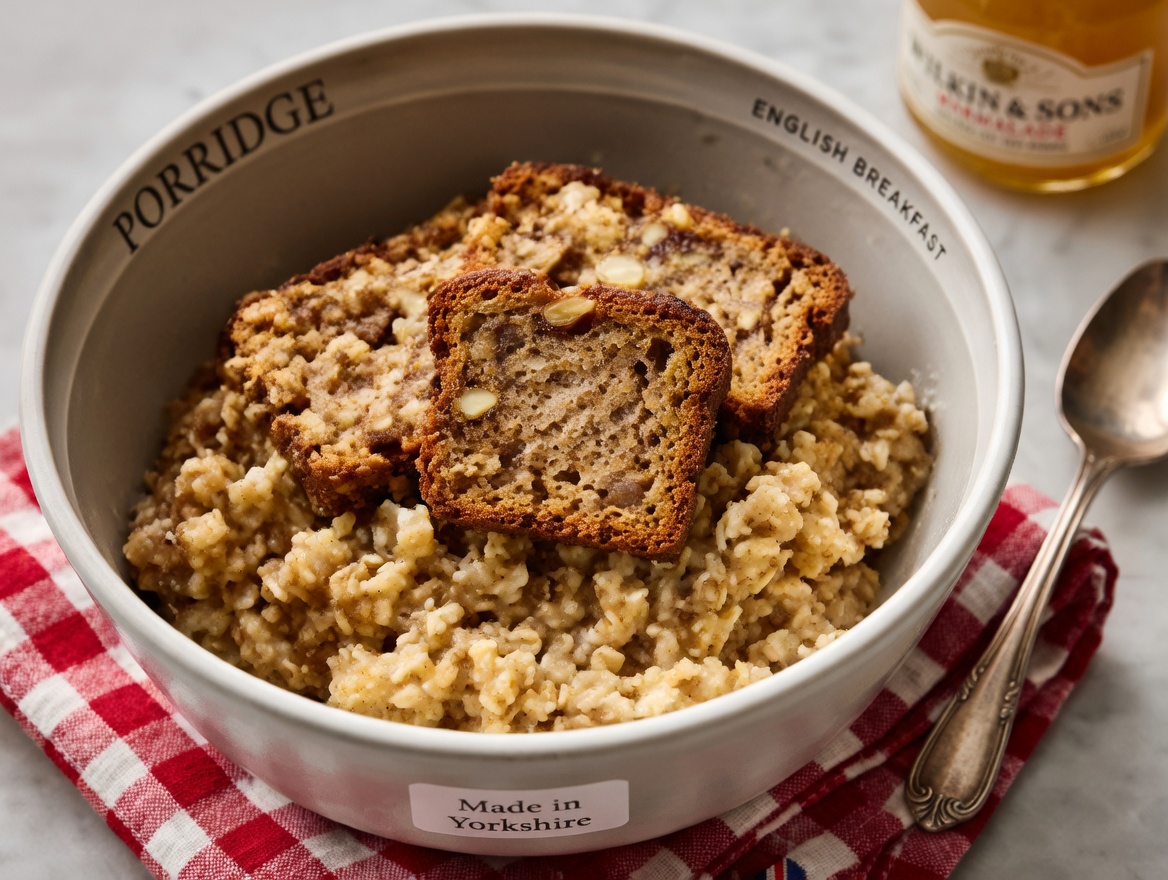
It is easy to prepare more oatmeal than needed, especially when you wake up hungry. However, oversized servings may leave some seniors feeling overly full or sluggish for too long after breakfast.
For many older adults, about 1/2 cup of dry oats, cooked, is a practical portion. This amount is often enough to feel satisfied without overdoing it.
If you regularly feel weighed down after breakfast, portion size may be the reason.
4. Forgetting to Add Protein and Healthy Fats
Eating oatmeal by itself is another common mistake. While oats contain valuable fiber and carbohydrates, they may not keep you full for long unless paired with protein and healthy fats.
To make oatmeal more balanced, consider adding:
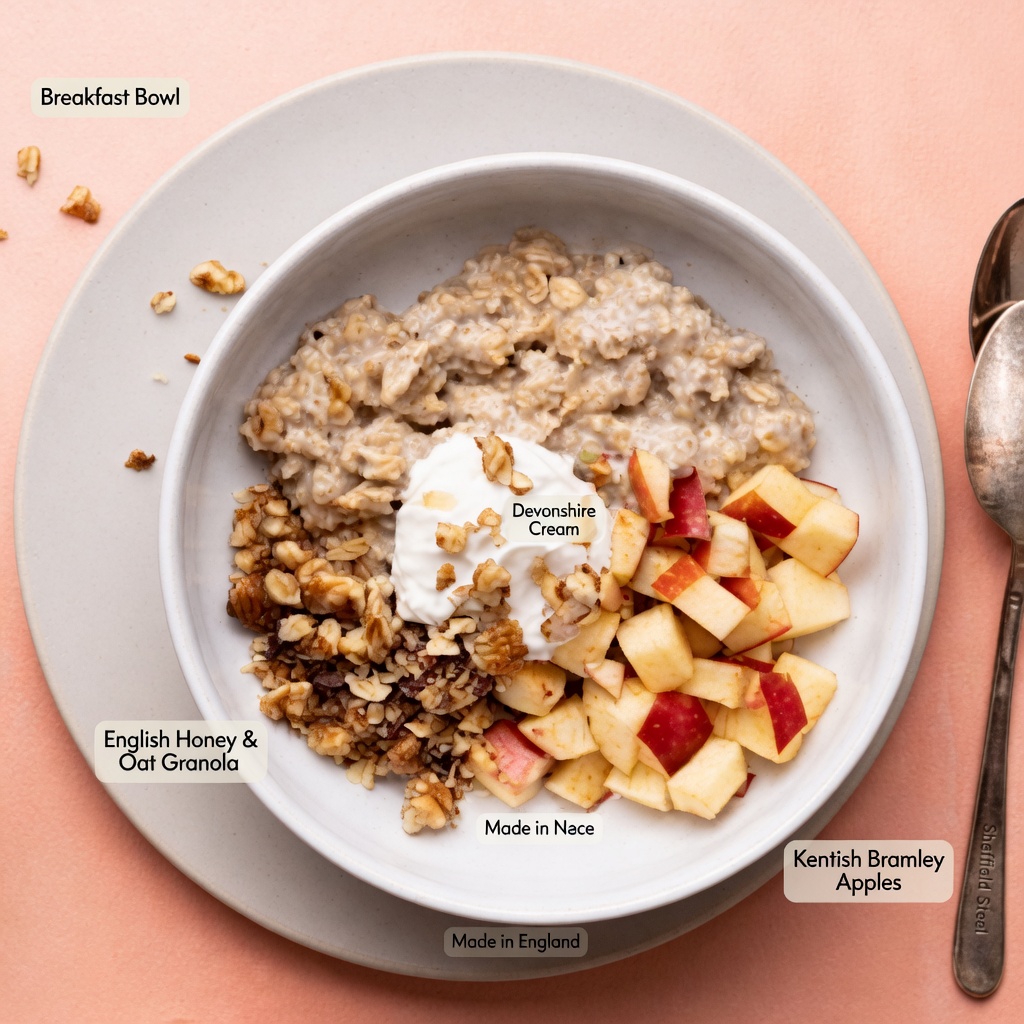
- A spoonful of yogurt
- A handful of nuts
- Chia or flax seeds
- Nut butter in a modest amount
This can help support steadier energy and reduce the chance of getting hungry again too quickly.
5. Cooking Oatmeal Only with Water
Using water alone is not necessarily wrong, but it can mean missing out on extra nutrition and a creamier texture. Many seniors who are careful about calories may automatically choose water, but balanced liquids can make oatmeal more nourishing.
Consider cooking oats with:
- Low-fat milk
- Lactose-free milk
- Fortified almond milk
- Fortified soy milk
These choices may add calcium or other nutrients while also improving taste and texture.
6. Eating Too Fast and Not Chewing Well
Even soft foods like oatmeal should be eaten slowly. When seniors rush through breakfast or do not chew thoroughly, digestion may feel less comfortable later.
Taking smaller bites and eating at a relaxed pace can support easier swallowing and smoother digestion. This is especially important for anyone who already notices mild digestive discomfort or occasional swallowing concerns.
7. Using High-Sodium Toppings
Some convenient toppings or mix-ins can contain more salt than expected. Over time, high-sodium additions may affect fluid balance and may not be ideal for seniors who monitor blood pressure or swelling.
Instead of salty toppings, try more heart-friendly choices such as:
- Fresh fruit
- Unsalted nuts
- Seeds
- A light dusting of cinnamon
These options add flavor without unnecessary sodium.
8. Ignoring Medication Timing
This is one of the most overlooked issues. Because oatmeal is rich in fiber, it may affect how certain medications are absorbed when taken too close together.
For some prescriptions, spacing oatmeal and medication by 1 to 2 hours may be helpful. Seniors who take daily medicine should check timing carefully and follow medical guidance when needed.
A little planning in the morning can help make your routine feel much more predictable.

9. Using Regular Dairy Despite Lactose Sensitivity
As digestion changes with age, some seniors become more sensitive to regular cow’s milk. When that happens, oatmeal made with standard dairy may contribute to bloating, gas, or general stomach discomfort.
If this sounds familiar, consider switching to:
- Lactose-free milk
- Almond milk
- Soy milk
- Oat milk fortified with nutrients
This simple adjustment may lead to a much smoother morning.
10. Reheating Leftover Oatmeal the Wrong Way
Leftover oatmeal can become thick, gummy, or dry if reheated poorly. That texture may make it less pleasant to eat and harder to digest comfortably.
To improve reheated oatmeal:
- Add a small splash of milk or water
- Warm it slowly
- Stir until the texture softens
This helps restore a smoother consistency and makes leftovers easier to enjoy.

Quick Comparison: Common Oatmeal Mistakes vs Better Choices
Here is a simple side-by-side guide to help seniors spot problems and make smarter oatmeal decisions.
| Common Mistake | Why It Can Matter for Seniors | Better Choice | Possible Benefit |
|---|---|---|---|
| Instant flavored packets | Often contain hidden sugars that affect energy | Plain rolled oats or steel-cut oats | More stable mornings |
| Too much added sugar | May lead to quick energy dips | Fresh fruit or cinnamon | Lighter feeling after breakfast |
| Oversized portions | Can cause lingering fullness | About 1/2 cup dry oats cooked | Better portion comfort |
| No protein or healthy fats | Hunger may return too soon | Add nuts, yogurt, or seeds | Longer-lasting satisfaction |
| Cooking only with water | Misses extra nutrients and creaminess | Fortified plant milk or low-fat dairy | More nourishing texture |
How to Make Oatmeal More Senior-Friendly
A thoughtful bowl of oatmeal does not need to be complicated. In fact, a few simple habits can make it more suitable for older adults.
Try this balanced approach:
- Start with plain oats
- Keep portions moderate
- Add protein and healthy fats
- Choose low-sugar flavorings
- Watch sodium in toppings
- Consider digestion and medication timing
- Reheat leftovers gently
These small decisions can make a surprisingly big difference in daily comfort.
Final Thoughts
Oatmeal can still be one of the easiest and most comforting breakfast options for seniors. The real issue is not the oatmeal itself, but the small preparation habits that sometimes reduce its benefits.
By avoiding these common oatmeal mistakes, seniors can enjoy a breakfast that feels steadier, lighter, and more satisfying. With a few smart adjustments, oatmeal can remain a dependable part of a healthy morning routine for years to come.