Beet Juice for Adults Over 60: A Simple Daily Habit for Circulation, Energy, and Comfort
Many people over 60 begin to notice subtle changes in how they feel day to day. Afternoon energy may dip sooner, the legs can feel heavier after routine activity, and digestion may seem slower than it once was. Small shifts like these can make ordinary tasks feel a bit more demanding.
Because of that, many older adults look for easy, natural habits that support daily wellness without complicating their routine. One option that has gained attention is beet juice. It is simple to prepare, easy to add to a morning schedule, and naturally rich in compounds linked to healthy blood flow. Even more interesting, the way beet juice is combined with certain common foods may influence how comfortable and beneficial it feels.
Why Beet Juice Attracts So Much Interest After 60
It is easy to see why beet juice has become a favorite among many seniors. Friends and family often mention adding it to breakfast or drinking it early in the day because it feels refreshing and fits smoothly into a steady routine.
For adults over 60, beet juice is especially appealing because it provides natural dietary nitrates, which research has associated with circulation and everyday energy support. As the body changes with age, many people prefer simple, food-based choices that do not require major lifestyle changes. Beet juice meets that need well.

Another reason it stands out is convenience. You do not need complicated equipment or an elaborate recipe. At the same time, thoughtful food pairing matters. Some adults find that beet juice feels best when consumed with care, especially as digestion and nutrient absorption can become more sensitive over time.
What Makes Beet Juice Special for Seniors
Beet juice is valued largely because of its natural nitrate content. In the body, these nitrates may be converted into nitric oxide, a compound that helps support blood vessel function and healthy circulation. For adults over 60, that can be especially appealing when stamina or leg comfort starts to change.
Beets also contain antioxidants, including betalains, the pigments that give them their deep color. These compounds are often discussed for their role in supporting overall wellness and oxidative balance. In addition, beets provide fiber and potassium, both of which can contribute to hydration awareness, digestion, and normal muscle function.
Some of the reasons beet juice continues to be discussed in healthy aging conversations include:
- Dietary nitrates that may help support normal blood flow
- Antioxidants and betalains associated with protective plant compounds
- Fiber and potassium that fit into balanced nutrition
- A naturally light calorie profile that works well in many eating plans
Together, these qualities make beet juice a practical and appealing option for adults who want simple nutrition support after 60.
How to Make Beet Juice Safely at Home
One of the best things about beet juice is how easy it is to prepare. Most people only need a blender or juicer and a few fresh ingredients.
Here is a simple method many adults over 60 can follow:
- Select 2 to 3 medium fresh beets. Organic beets are often preferred by those who want extra peace of mind.
- Wash them well, trim the ends, and cut them into smaller pieces.
- Peel them if you prefer, though this step is optional.
- Place the beet pieces in a juicer, or blend them with a small amount of water.
- If using a blender, strain the mixture for a smoother drink.
- Begin with 4 to 6 ounces, sipping slowly.
- Refrigerate any extra juice and use it within 24 hours.

Many people over 60 find it best to start with plain beet juice or only mild additions at first. This gives the body time to adjust. The flavor is usually earthy with a gentle natural sweetness.
7 Common Foods to Consider When Drinking Beet Juice After 60
Pairing beet juice thoughtfully can help make it easier on digestion and may improve the overall experience. While reactions vary from person to person, many adults over 60 prefer to be mindful about combining beet juice with the following everyday foods.
1. Lemon
Lemon adds sharp acidity, and some people find that this changes how beet juice feels in the stomach. For greater comfort, many prefer to consume them separately.
2. Honey or Added Sugars
Sweeteners can significantly alter the nutritional balance of beet juice. Adults watching blood sugar often choose to drink beet juice unsweetened rather than adding extra sugar or honey.
3. Orange
Like lemon, orange introduces citrus acidity. Some older adults notice that plain beet juice feels gentler than a citrus-blended version.
4. Vinegar
Vinegar has a strong acidic profile that may feel too intense for sensitive digestion. For that reason, many people avoid combining it directly with beet juice.
5. Milk or Other Dairy Products
Dairy foods contain calcium, which some believe may slightly reduce nitrate absorption. Because of that, beet juice and dairy are often consumed at different times.
6. Spinach
Both spinach and beets contain oxalates. Some adults over 60 prefer not to combine them often and instead rotate these foods throughout the week for better balance.
7. Carrot
Carrot is a common juicing ingredient, but it also contributes natural sugars and changes the overall composition of the drink. Some people therefore prefer to keep beet juice simple and separate.
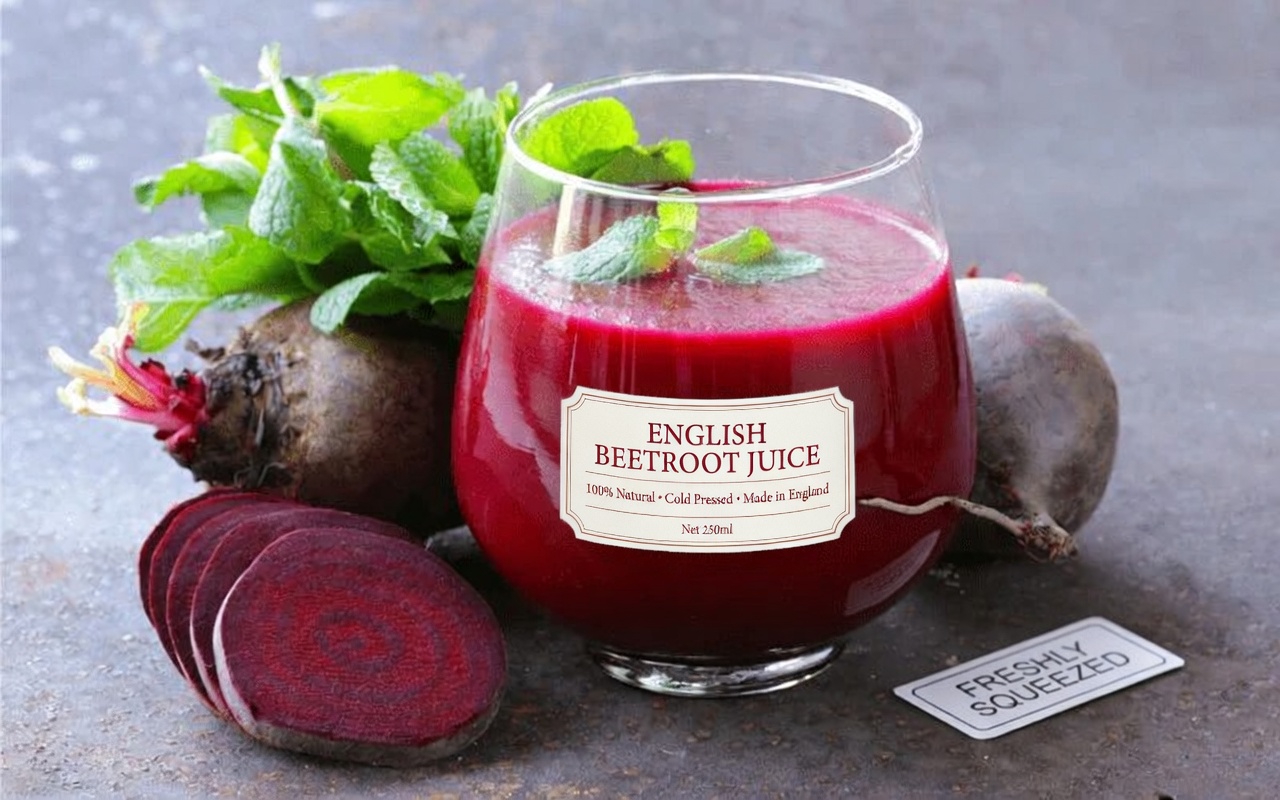
These are not strict rules, but practical considerations that may help seniors enjoy beet juice more comfortably and consistently.
Tips for Drinking Beet Juice Comfortably Over 60
A few small adjustments can make beet juice a smoother part of your wellness routine.
-
Start with a small serving
Begin with about 4 ounces during the first week and see how your body responds. -
Be mindful with food pairings
Many adults prefer drinking beet juice with balanced meals while avoiding the combinations listed above. -
Stay regular rather than excessive
Consistency often matters more than quantity. Smaller amounts a few times a week may feel better than overdoing it. -
Pay attention to your body
If you notice digestive changes or discomfort, pause and observe how you feel. -
Support it with movement
Gentle walks and regular hydration often complement a beet juice routine well. -
Use fresh ingredients
Fresh beets usually provide the best taste and quality.
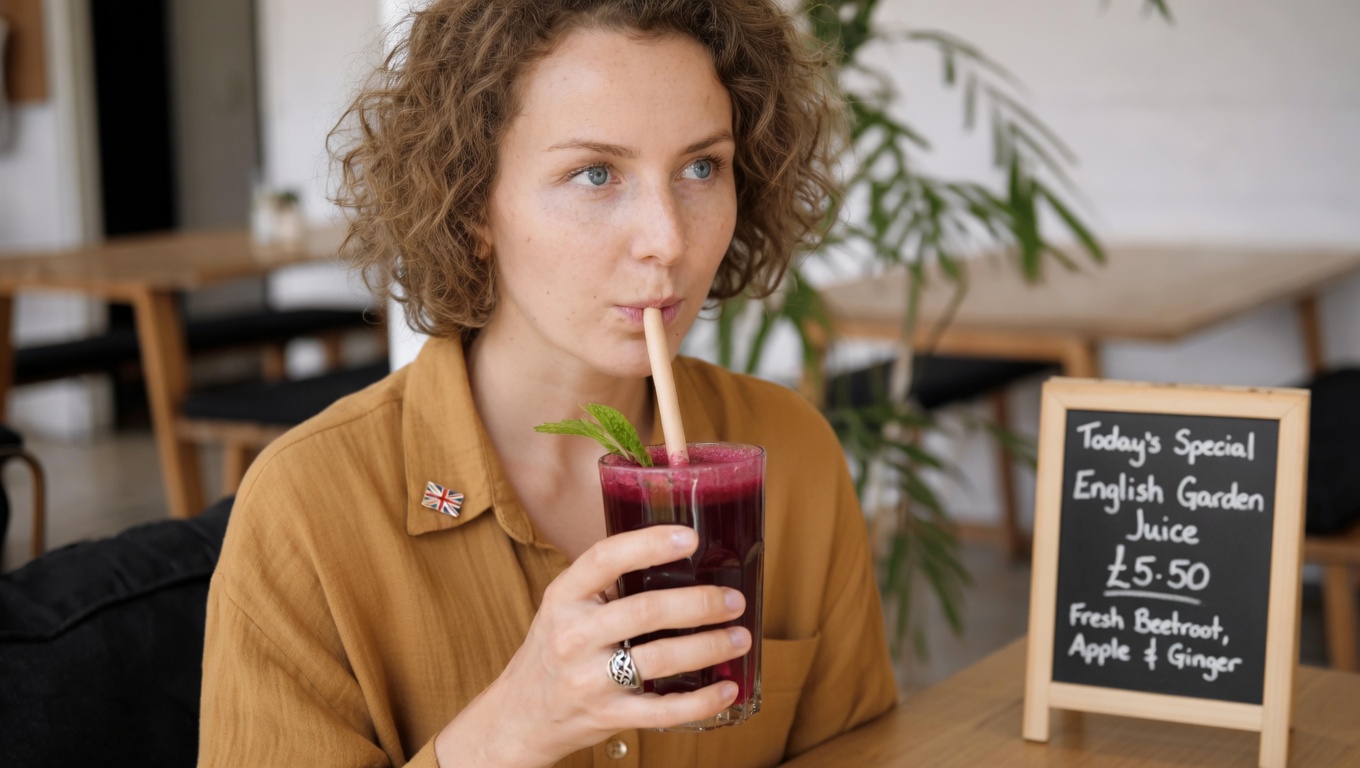
Some adults also add a small splash of apple for a softer flavor while keeping the drink mostly beet-based.
Common Questions About Beet Juice for People Over 60
How much beet juice is usually appropriate each day?
Many adults over 60 do well with 4 to 8 ounces, enjoyed several times per week. The ideal amount can vary based on individual comfort and response.
Can beet juice be combined with other foods?
Yes. Many people enjoy it with milder ingredients such as apple or cucumber. The key is being aware of combinations that may feel less comfortable for some individuals.
Is beet juice suitable for everyone over 60?
Most older adults can enjoy beet juice as part of a balanced routine. However, anyone with specific medical conditions or dietary concerns should speak with a healthcare professional before making it a regular habit.
Final Thoughts: A Low-Effort Wellness Habit Worth Trying
For adults over 60, beet juice offers a practical and plant-based option that fits easily into daily life. It does not require major effort, and it provides natural compounds that are often associated with circulation support and everyday vitality.
The most important takeaway is simple: beet juice works best as part of a broader healthy routine. Balanced meals, regular movement, good hydration, and thoughtful food pairings all matter. It is not about one miracle ingredient, but about building steady habits that support comfort over time.
If you are curious about adding beet juice to your routine after 60, starting is easy. Pick up a few fresh beets, prepare a small serving, and see how it fits into your morning. Sometimes the smallest habits are the ones that make daily life feel noticeably better.