Why Crossing Your Legs Feels Good—And What It May Be Telling Your Body
Crossing your legs seems like an innocent way to get comfortable during a long meeting, dinner, or conversation. It can soothe tired muscles and make sitting feel more stable, which is why so many people do it without thinking. Yet over time, this everyday sitting habit may also influence posture, circulation, and even the way others read your body language.
Many adults begin to notice small signs such as mild back discomfort, tingling in the legs, or stiffness after sitting too long. These effects can make ordinary daily activities feel less pleasant and raise concerns about long-term health. Still, leg crossing is not all bad. It can provide comfort, support a polished appearance, and communicate confidence in subtle ways.
What makes this habit especially interesting is that it affects far more than comfort alone. From elegance and modesty to hidden physical strain, crossing your legs can reveal more than most people realize.
Why Crossing Your Legs Feels So Comfortable
For many people, crossing the legs helps reduce tension and creates a feeling of balance while sitting. This posture can support the lower body, helping the feet, ankles, and legs feel more secure during extended periods of sitting. It may also lessen strain in the torso and reduce the sensation of fatigue.
Because it often brings instant relief, leg crossing easily becomes automatic for both men and women. It is one of those natural movements the body adopts because it feels calming and effortless.
How Crossing Your Legs Can Signal Confidence
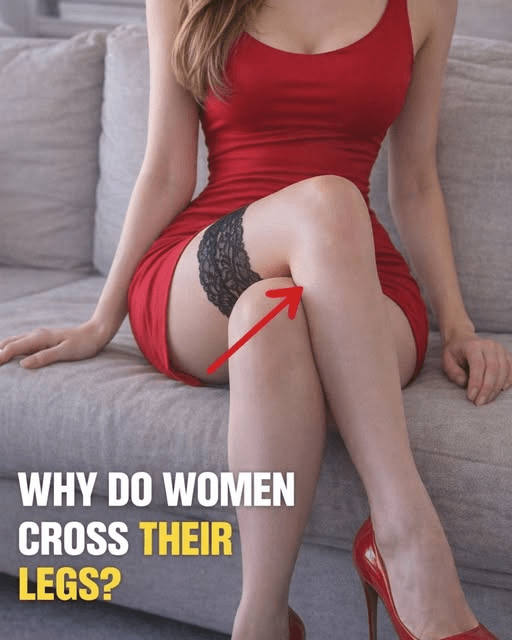
In social and professional settings, the way you cross your legs may shape how others perceive you. Certain sitting styles can suggest calm authority, self-assurance, and ease. A common example is the Figure 4 position, where one ankle rests over the opposite knee. Men often use this posture to appear both relaxed and in control.
Women may cross their legs while angling the top foot outward, which can create a poised and composed impression without looking overly guarded. In both cases, this type of body language can quietly communicate that you feel comfortable, present, and confident.
The Graceful Look of Ankle Crossing
Crossing at the ankles is often associated with elegance and refinement. Many women prefer this style at formal gatherings, public events, or in photographs because it creates a neat and polished silhouette. Public figures known for graceful posture, including Princess Kate Middleton, are often seen using this position.
For an even more sophisticated look, both feet can be tucked slightly back beneath the chair. This small adjustment can make the posture appear more deliberate and balanced. It is a simple way to look more put-together almost instantly.
Why This Sitting Habit Often Reflects Relaxation
When someone crosses their legs, it often means they feel settled and comfortable in their surroundings. It can be a sign that the body is relaxed enough to soften into the moment, whether during a casual conversation, a meeting, or a quiet wait.
If a person uncrosses their legs after sitting that way for a while, it does not necessarily mean discomfort or disinterest. They may simply be adjusting their position, cooling off, or getting ready to stand up. In many situations, leg crossing is just a quiet signal of ease.

How Crossing Your Legs Helps With Modesty
Crossing the legs at the knees or ankles can help keep the thighs together, which is especially useful when wearing shorter skirts or dresses. Many women use this posture to feel more secure and composed in public. It offers a sense of control while also maintaining a polished appearance.
Men may also cross at the knees, particularly in professional environments where they want to seem approachable rather than overly dominant. In this sense, leg crossing can soften body language and give off a more modest, relaxed impression.
What It Means When You Cross Your Legs While Standing
Standing with crossed legs is another common habit, especially after spending a long time on your feet. This posture allows you to shift body weight from one leg to the other, briefly reducing pressure and giving tired muscles a short break. Often, one heel lifts so that only the toes touch the ground, helping redistribute strain.
This standing position can also create a slimmer, more reserved silhouette, which many people find flattering. Beyond appearance, though, its main benefit is simple comfort.
Does Crossing Your Legs Toward Someone Show Interest?
In body language, direction matters. If your knees or feet point toward someone while your legs are crossed, it can suggest attention, curiosity, or a desire to connect. In conversations, this subtle orientation may indicate that you are engaged with the other person and interested in the interaction.
That said, it is not always a conscious signal. Sometimes people simply settle into whatever position feels most natural. Even so, crossed legs angled toward someone often hint at genuine interest more often than people realize.
Is Crossing Your Legs Considered Attractive?
Many people view leg crossing as visually appealing because it can emphasize posture, leg shape, and overall poise. Crossing at the knees may create a graceful or even slightly flirtatious look, especially when paired with relaxed shoulders and natural facial expression.
Women may extend the top foot forward or tuck it slightly back to create a longer, elegant line. The Figure 4 position can also appear confident and attractive, particularly when it looks easy rather than forced. The key is authenticity. A natural posture is almost always more appealing than one that seems overly posed.

Quick Guide to Leg-Crossing Styles and What They Suggest
-
Crossed at the knees
- Common meaning: comfort and modesty
- Best for: everyday sitting
- Health note: may affect circulation if held too long
-
Figure 4 (ankle over knee)
- Common meaning: confidence and control
- Best for: meetings or relaxed conversations
- Health note: generally better for short periods
-
Crossed at the ankles
- Common meaning: elegance and grace
- Best for: formal occasions
- Health note: usually places the least strain on joints
-
Crossed while standing
- Common meaning: rest and modesty
- Best for: waiting, social events, photos
- Health note: can temporarily ease foot fatigue
Real-Life Experiences With This Habit
Sarah, 48, began noticing tension in her back after years of sitting with her legs crossed at work. When she switched more often to crossing at the ankles, she felt better supported and also noticed she looked more polished during meetings.
Mark, 55, prefers the Figure 4 style during client calls. He says it helps him feel more self-assured right away and gives his posture a more confident presence without requiring any extra effort.
How to Cross Your Legs More Wisely Starting Today
Small changes can help you enjoy the comfort of leg crossing without turning it into a harmful long-term habit.
- Choose ankle crossing when you want a graceful and modest posture.
- Use the Figure 4 position briefly when you want to project confidence in important conversations.
- Switch sides every 10 to 15 minutes to reduce stress on circulation.
- Stand up and walk for one minute after sitting for long periods to reset posture and improve blood flow.
These quick adjustments can keep leg crossing helpful rather than automatic.
3 Common Questions About Crossing Your Legs
1. Is crossing your legs harmful to circulation if you do it all day?
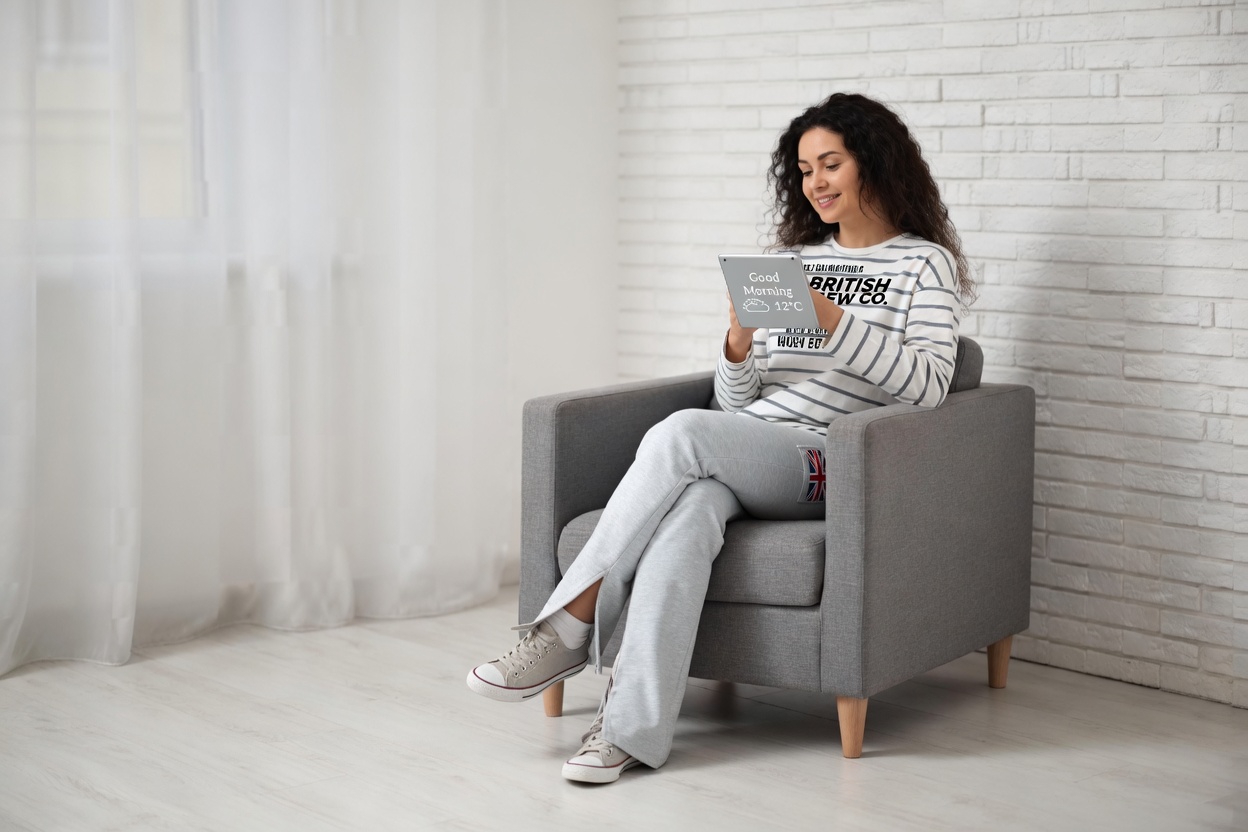
For short periods, it is usually not a major concern. However, keeping your legs crossed for many hours may temporarily reduce blood flow, so it is best to change positions regularly.
2. Can crossing your legs improve posture, or does it cause back pain?
It can provide short-term comfort by easing muscle fatigue, but doing it too often or for too long may contribute to minor posture issues or back discomfort. Alternating with a more neutral sitting position is a smart approach.
3. Does pointing crossed legs toward someone really mean attraction or interest?
Often, yes. When the knees or feet angle toward another person, it can suggest attention and engagement. Still, it may simply be a comfortable position rather than a deliberate signal.
Important Note
This article is intended for educational purposes only and should not be considered medical advice. Always speak with your doctor before making significant health or lifestyle changes, especially if you take medication or have an existing medical condition.
Final Thoughts
Crossing your legs will not explain every body language signal, but it can reveal a surprising mix of comfort, confidence, modesty, and possible physical strain. Once you understand how this simple habit affects both appearance and well-being, your daily posture can become more intentional.
Start paying attention to how you sit tomorrow. Try one small adjustment and see whether you feel more comfortable, more confident, or both. You may find that a slight change in posture improves not only how others see you, but also how you feel in your own body.
Which Style Do You Use Most?
Do you usually cross at the knees, the ankles, or prefer the Figure 4 position? Share your age and your favorite style in the comments so others can compare experiences and tips. If this article was useful, send it to a friend who is always sitting with crossed legs.