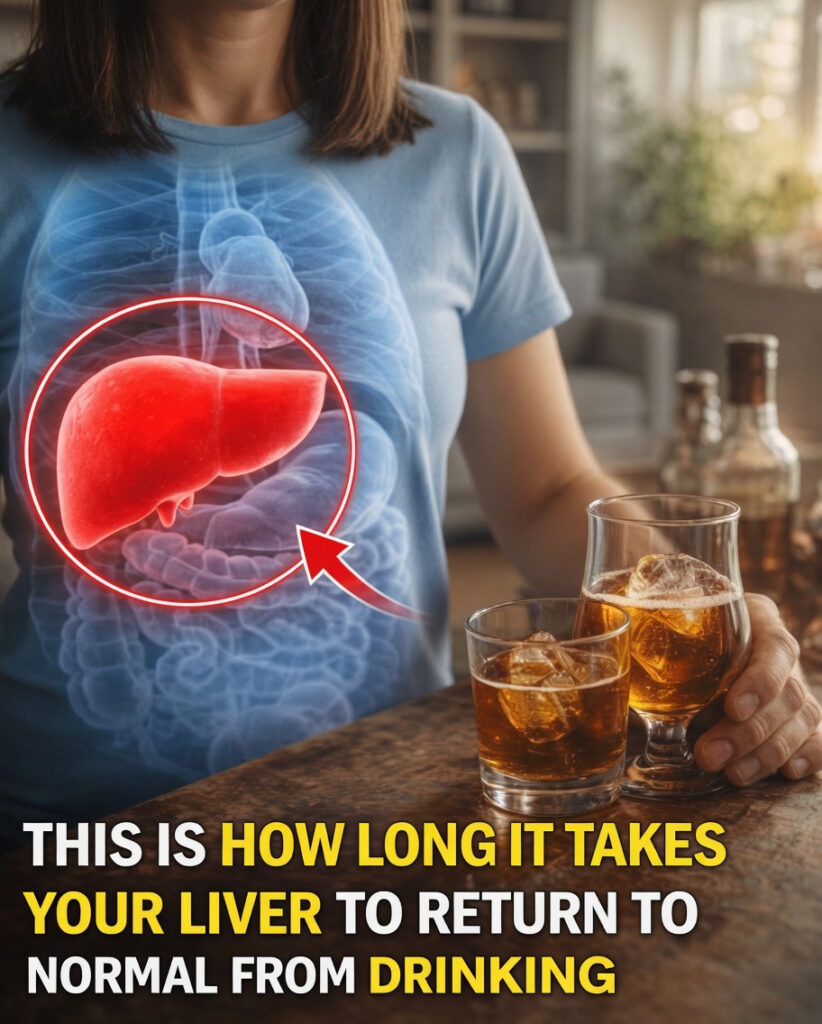
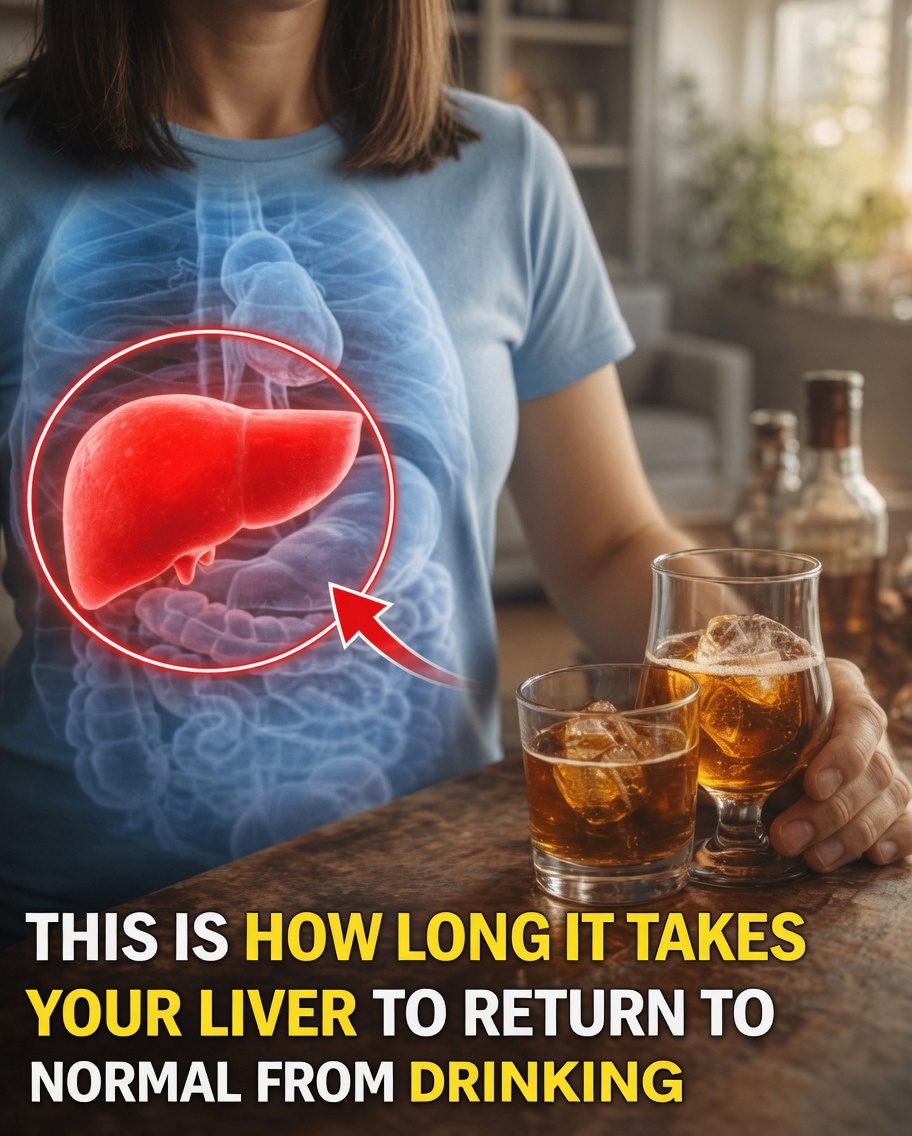
How Long Does the Liver Take to Recover After Drinking?
That heavy, cloudy feeling after a night of drinking, the tiredness that seems to linger, or the quiet concern that your body is under extra strain can all lead to one common question: how long does it take your liver to return to normal from drinking?
The liver is a remarkable organ responsible for more than 500 vital functions, but alcohol puts it under significant pressure. The encouraging part is that once alcohol intake stops or is reduced, the liver can begin repairing itself much sooner than many people realize. Understanding the timeline can help you make informed, confident decisions about your health.
The First 24 Hours: Initial Relief for the Liver
In the hours after your final drink, your liver no longer has to focus all its energy on breaking down alcohol. As this burden eases, inflammation begins to decline and circulation through the organ can improve.
You may not notice major changes right away, but important internal recovery processes are already starting. Cellular stress drops, and the body begins activating its natural repair systems. This early stage shows that liver recovery can begin almost immediately after alcohol use stops.
48 Hours to 1 Week: Early Recovery Becomes Noticeable
By the second or third day, many people start to feel more balanced. Energy may become steadier, and the body often feels less drained. During this period, elevated liver enzymes may begin moving back toward normal, and mild fat accumulation in the liver may start to decrease.
Simple actions such as drinking more water, getting enough rest, and avoiding further alcohol can help support this phase. Even small changes in your daily routine can make a meaningful difference while the liver continues to recover.
2 to 4 Weeks: Clear Improvements Start to Build
After about two weeks, the benefits of alcohol reduction or abstinence often become easier to notice. Many people report:
- Better sleep
- Smoother digestion
- Clearer skin
- More consistent energy
For people with early-stage fatty liver changes, research suggests that this period can bring significant reductions in liver fat. Inflammation continues to settle, and the liver begins functioning more efficiently again.
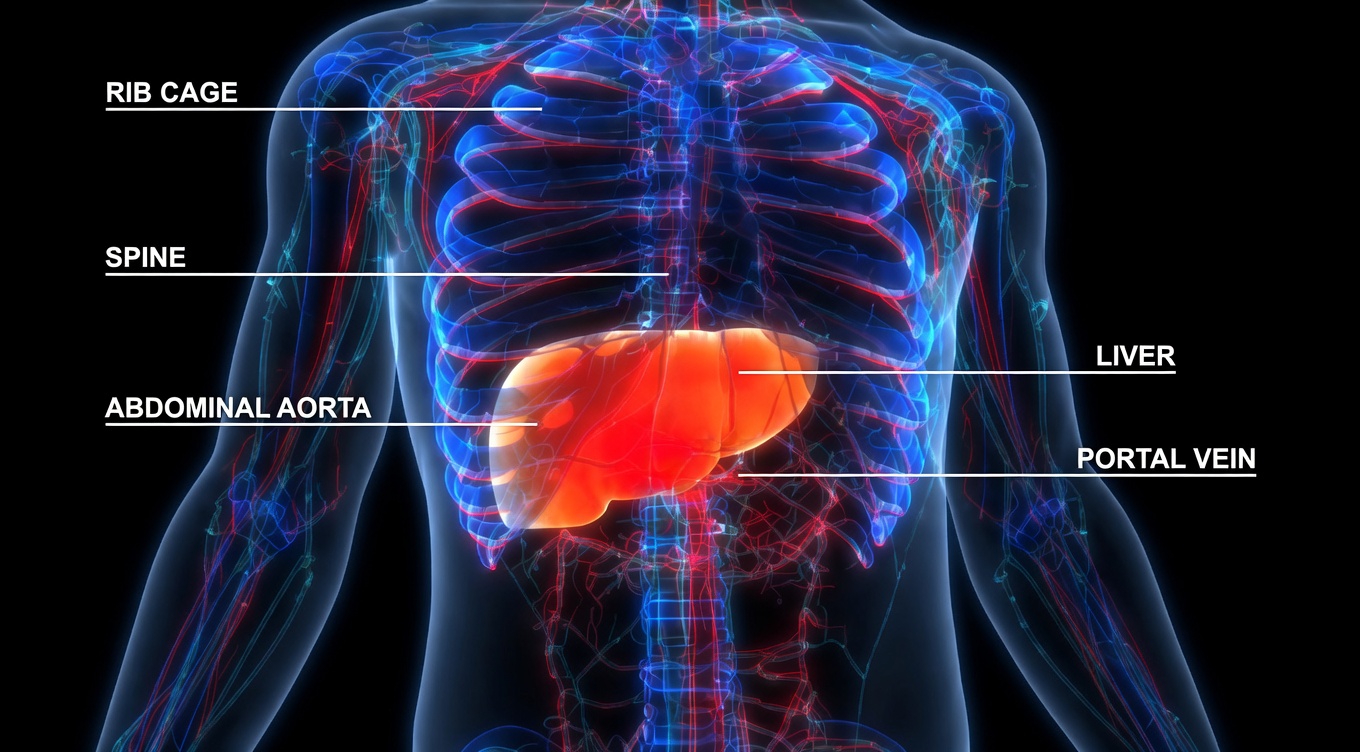
1 to 3 Months: Deeper Repair Happens
Over the next one to three months, deeper healing often takes place. Liver function tests may show more obvious improvement, especially for adults who had only mild to moderate alcohol-related stress on the liver.
At this stage, the liver may become better at:
- Processing nutrients
- Supporting metabolism
- Carrying out natural detoxification
- Restoring healthier cellular function
Mild scar tissue may also begin to soften over time. However, recovery speed varies depending on drinking history, overall health, age, and lifestyle habits.
6 Months and Beyond: Long-Term Stability Returns
After six months of drinking less or stopping altogether, many people experience lasting benefits such as:
- Improved energy
- Better lab results
- Greater overall vitality
- More stable physical well-being
For moderate drinkers, this may be the point when the liver feels largely back on track. In cases of more serious liver damage, recovery can take longer and may require medical care. This is why the answer to how long it takes your liver to return to normal from drinking is different for each person.
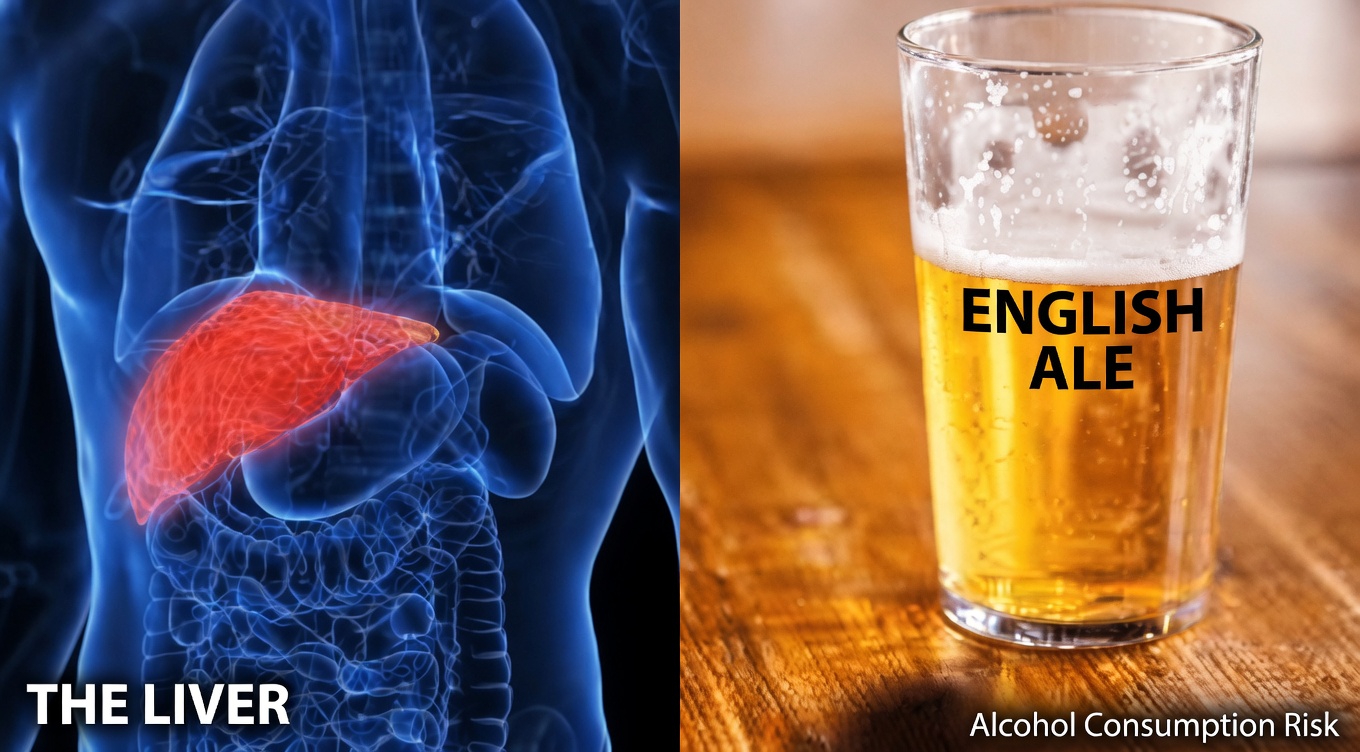
Liver Recovery Timeline at a Glance
| Time Frame | What Often Happens | Signs You May Notice |
|---|---|---|
| First 24 Hours | Inflammation begins to decrease | Less mental fog |
| 48 Hours to 1 Week | Liver enzymes may start normalizing | More stable energy, improved hydration |
| 2 to 4 Weeks | Fat in liver tissue may decline | Better digestion and sleep |
| 1 to 3 Months | Deeper cellular repair develops | Clearer skin, steadier mood |
| 6+ Months | Sustained liver function returns for many | Better vitality and improved test results |
What Affects How Long the Liver Takes to Return to Normal?
Several factors influence liver recovery time, including:
- How much alcohol you consumed
- How often you drank
- Your age
- Your diet
- Existing medical conditions
- Overall lifestyle habits
Hydration, balanced nutrition, and regular physical activity can all help support liver healing. Foods such as leafy greens, lean protein, and high-fiber vegetables may be especially beneficial during recovery.
Daily Habits That Support Liver Recovery
If you want to give your liver the best chance to heal, these simple habits can help:
- Drink at least eight glasses of water daily.
- Include cruciferous vegetables like broccoli, cauliflower, or cabbage in meals.
- Aim for 30 minutes of light movement such as walking.
- Get 7 to 9 hours of quality sleep each night.
- Take a break from alcohol and monitor how your body responds.
Frequently Asked Questions
1. Does age affect how long it takes the liver to recover from drinking?
Yes. Younger adults may recover faster in some cases, but the liver remains highly resilient even later in life. With consistent support, older adults can still see meaningful improvement.
2. Can supplements speed up liver recovery?
Some supplements, including milk thistle, are often studied for liver support. However, they should be viewed as secondary tools. Healthy lifestyle changes matter most, and supplements should never replace professional medical advice.
3. Is it ever too late to improve liver health after drinking?
In many cases, no. Even after years of heavier alcohol use, reducing or stopping drinking can still lead to important improvements in liver health. The earlier you make changes, the better, but positive steps can help at almost any stage.
Final Thoughts
The liver is both resilient and forgiving, which makes learning how long it takes your liver to return to normal from drinking feel encouraging rather than discouraging. Small choices made consistently can lead to noticeable improvements in how you feel, sleep, and function each day.
Helpful reminders:
- Clearer mornings and steadier energy are possible
- Gentle daily habits can support real healing
- Consistent care can help you feel more like yourself again
If you have concerns about your liver health, speaking with your doctor is the best next step for personalized guidance.
Medical Disclaimer
This article is for informational purposes only and does not replace professional medical advice. Always consult a qualified healthcare provider for personalized recommendations about liver recovery, alcohol use, and your overall wellness plan.