
Fishy Vaginal Odor: Common Causes and Everyday Ways to Feel Fresher
A fishy odor in the intimate area can be unexpected and upsetting for many women. It often leads to embarrassment, lowers confidence, and can make both everyday routines and intimate relationships feel uncomfortable. For some, the concern is not just the smell itself, but the fear that other people might notice it too.
The reassuring part is that this issue is often linked to common and manageable causes. By understanding what may be behind a fishy vaginal odor, it becomes easier to respond calmly and take practical steps that support natural freshness.
What a Fishy Vaginal Smell May Indicate
At some point, many women notice a fishy smell in the vaginal area and immediately worry that something serious is wrong. In many cases, however, the cause is related to changes in the natural balance of vaginal bacteria rather than a major health problem. Daily habits can also play a role in how noticeable the odor becomes.
Knowing the usual triggers can help reduce anxiety and make the situation feel more manageable.
Quick Overview
| Factor | Connection to Fishy Odor | Common Effect |
|---|---|---|
| Bacterial imbalance | Disruption of natural vaginal flora | Self-consciousness |
| Moisture buildup | Sweat, tight clothing, or damp fabrics | Daytime discomfort |
| Hygiene habits | Product choices or cleansing routines | Ongoing worry |
These patterns show why it is important to pay attention to changes in intimate odor without jumping to the worst conclusion.

1. Bacterial Vaginosis
One of the most common reasons for a fishy vaginal smell is bacterial vaginosis. This condition happens when the normal balance of bacteria in the vagina shifts. As a result, odor may become stronger, and some women also notice thin discharge.
For many, this can be frustrating because regular washing alone does not solve the issue. It may also cause stress when the odor becomes more noticeable after certain activities.
The good news is that bacterial vaginosis is common, and many women improve with proper medical guidance. Gentle daily care can also help support comfort while the issue is being addressed.
2. Sweat, Hygiene Habits, and Tight Clothing
Tight synthetic clothing, prolonged moisture, and infrequent underwear changes can all contribute to an unpleasant fishy odor. This is especially common during hot weather, after exercise, or on busy days when hygiene routines are rushed.
Many women find that the smell worsens when sweat is trapped against the skin for too long. Breathable fabrics, especially cotton underwear, can help improve airflow and reduce moisture buildup.
Simple changes in clothing and daily habits often make a noticeable difference.
Helpful tip
Switching to loose-fitting clothes and cotton underwear can help reduce odor throughout the day.
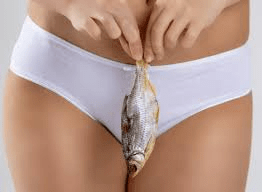
3. A Forgotten Tampon
A tampon left in for too long can cause a strong and alarming fishy smell. This can happen more easily than many women expect, especially during stressful or busy periods.
When a tampon remains in place beyond the recommended time, bacterial growth may increase and create a stronger odor. In many cases, removing it promptly helps improve the situation quickly.
This is one of the most preventable causes of vaginal odor and can often be avoided with a simple reminder system.
Simple reminder
Change tampons every 4 to 8 hours to lower the risk of odor and other complications.
4. Trichomoniasis
Trichomoniasis is a common sexually transmitted infection caused by a parasite. It can sometimes lead to a fishy smell in the intimate area, often along with discharge and other changes.
Because it is linked to sexual contact, this condition may also bring emotional stress, especially around relationships and personal health. The symptoms can feel isolating, but proper diagnosis and treatment can help resolve the problem.
Speaking openly with a healthcare provider is often the fastest way to get clarity and relief.
Gentle Daily Habits That May Help Reduce Odor
Mild, consistent care can help many women feel cleaner and more comfortable without disturbing the vagina’s natural balance. In general, harsh cleansing products may make the situation worse rather than better.
Using warm water and a gentle, unscented cleanser on the external area is often enough. It is also a good idea to change out of damp clothing as soon as possible and avoid practices that may cause irritation.
Easy habits to support freshness
- Wash the external intimate area gently once a day with warm water
- Choose breathable cotton underwear
- Change underwear after sweating
- Avoid scented sprays, wipes, and harsh products
- Skip douching, which can disrupt natural balance
- Drink enough water and maintain a balanced diet
These small habits can make intimate care feel simpler and less stressful.
What to Do If the Smell Continues
If you notice a recurring fishy odor, start by tracking when it appears. It may happen more often after exercise, during warm weather, or alongside certain routine changes. This can help you identify possible triggers.
It is also helpful to build supportive habits into your day, such as wearing breathable clothing and using gentle cleansing methods. If the odor continues or is accompanied by symptoms like itching, unusual discharge, or discomfort, it is best to schedule a medical check-up.
Professional advice can bring peace of mind and help identify the exact cause.

Final Thoughts
A fishy vaginal smell can feel embarrassing, but it is often related to common issues that can be addressed with awareness and practical care. From bacterial imbalance to moisture buildup and hygiene habits, many causes are manageable once identified.
Paying attention to changes in your body and making simple daily adjustments can help restore comfort and confidence. In many cases, these steps are enough to reduce worry and support a greater sense of freshness.
FAQ
Is a fishy vaginal smell always caused by an infection?
No. A fishy odor may be linked to normal bacterial changes, sweat, or hygiene-related factors. However, if it persists, a medical evaluation is recommended.
Can food or hydration affect vaginal odor?
Yes. Diet and dehydration can sometimes influence body odor, including intimate odor. Drinking enough water and eating balanced meals may help.
When should I see a doctor?
You should consult a doctor if the fishy smell does not go away, or if it appears with itching, discharge, pain, or unusual discomfort.