
10 Key Signs of Pancreatic Cancer You Should Not Ignore
Losing weight without trying, even though your diet has stayed the same, or feeling a steady ache in your upper abdomen that spreads into your back can be easy to dismiss at first. Many people assume these changes are caused by stress, aging, or minor digestive problems. But when these symptoms continue and daily life starts to feel more exhausting, they may point to something more serious.
Pancreatic cancer is especially difficult to detect early because its symptoms often appear late and closely resemble common health complaints. That is why understanding the major signs of pancreatic cancer is so important. Knowing what to watch for can help you seek medical advice sooner.
By the end of this guide, you will understand the 10 most important signs of pancreatic cancer and why discussing them with a doctor matters.

Understanding Pancreatic Cancer and Why Early Symptom Awareness Matters
The pancreas is located deep in the abdomen and plays a vital role in digestion and blood sugar regulation. When abnormal cells begin growing uncontrollably in this organ, pancreatic cancer can develop silently. Because the pancreas is not easy to examine and early symptoms are often vague, many cases are discovered only after the disease has progressed.
Several signs of pancreatic cancer overlap with everyday issues such as indigestion, tiredness, or appetite changes. Even so, symptoms that are new, unusual, or persistent should never be ignored. Major health organizations continue to emphasize that early conversations with a healthcare provider can lead to quicker testing and earlier diagnosis.
1. Persistent Abdominal or Back Pain
One of the more common early warning signs of pancreatic cancer is a deep, nagging pain in the upper abdomen or middle back. This discomfort may not improve with changes in posture and can become more noticeable after eating or while lying down.
Because it can feel similar to indigestion or muscle strain, many people overlook this symptom at first. However, ongoing pain that radiates from the belly to the back should be discussed with a doctor.
Why this symptom deserves attention:
- It may feel dull, deep, and constant
- Pain often spreads into the back
- It can disturb sleep and everyday movement
2. Jaundice
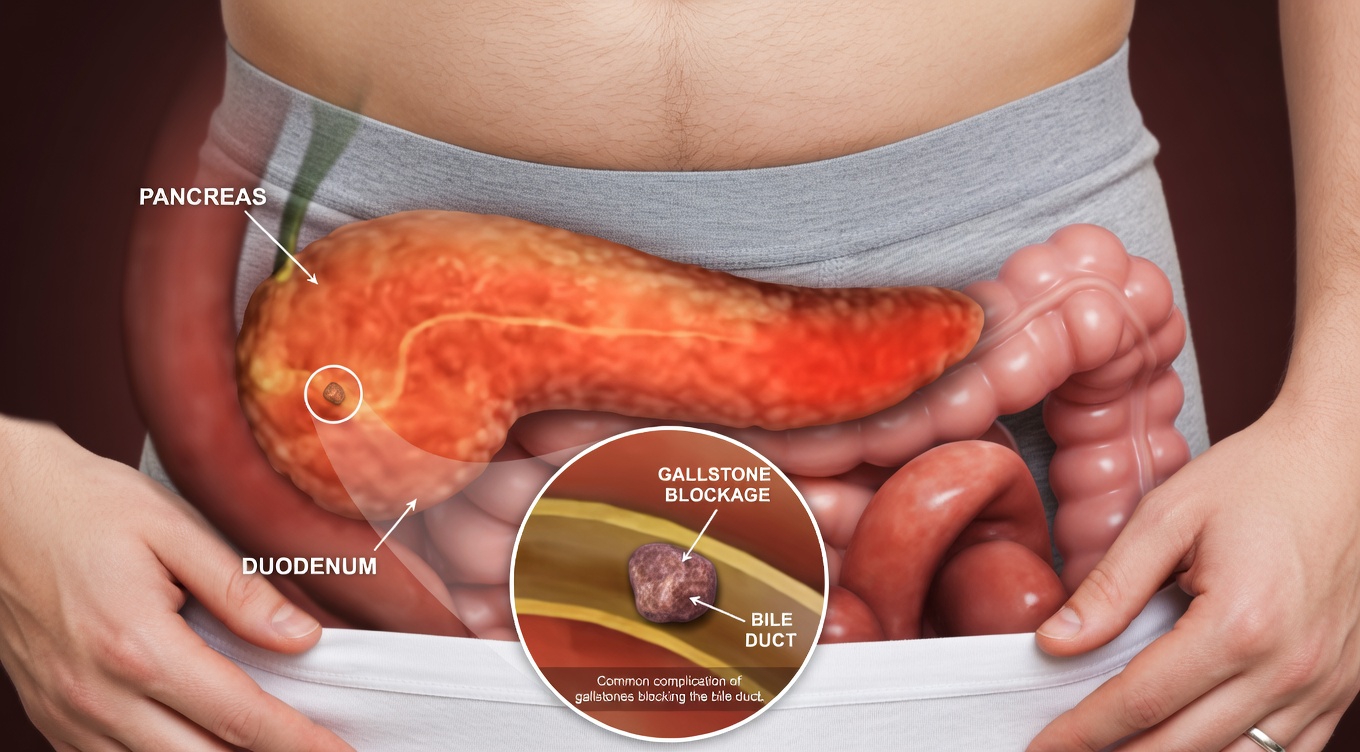
Jaundice is one of the clearest visible signs of pancreatic cancer. It happens when a tumor blocks the bile duct, causing bile to build up in the body. This leads to yellowing of the skin and the whites of the eyes.
Because jaundice can develop gradually, some people mistake it for a mild liver problem at first. Still, it should always be evaluated promptly, especially when it appears with other digestive changes.
Other symptoms that may come with jaundice:
- Dark urine
- Pale or greasy stools
- Worsening skin itchiness

3. Dark Urine and Pale Stools
Changes in urine and stool color are often linked to blocked bile flow and can be an important clue in pancreatic cancer. Sometimes these changes show up before other symptoms become obvious.
You may notice urine that looks much darker than usual or stools that are unusually light, greasy, or difficult to flush. These details can seem minor, but they can provide valuable information during a medical evaluation.
What to look for:
- Urine that appears cola-colored
- Light, clay-colored, or greasy stools
- Floating stools or stools that are harder to flush
4. Unexplained Weight Loss
Losing weight without dieting or increasing exercise is a major red flag. In pancreatic cancer, this can happen even before appetite changes become obvious. As the disease affects digestion and the body’s ability to process nutrients, weight may drop steadily over a short period.
Some people do not worry about this symptom at first, especially if the weight loss seems gradual. But unintentional weight loss should always be taken seriously.
Typical patterns include:
- Several pounds lost over a few weeks
- No major change in eating or activity level
- Weight loss accompanied by fatigue or weakness
5. Loss of Appetite or Feeling Full Quickly
A sudden lack of interest in food can also be a warning sign. Some people notice they feel full after eating only a small amount, while others lose interest in meals altogether.
This can contribute to the unexplained weight loss mentioned above. Since appetite changes are often blamed on stress or a busy lifestyle, they may not seem alarming at first. But if they continue for more than a couple of weeks, medical advice is important.
Common appetite-related changes:
- Feeling full after very small meals
- Less interest in favorite foods
- Gradually eating smaller portions
6. Fatigue and Weakness
Ongoing tiredness that does not improve with rest is another commonly overlooked symptom. Cancer-related fatigue can affect concentration, work performance, physical strength, and daily routines.
Because many people blame this kind of exhaustion on poor sleep, stress, or getting older, it may be ignored for too long. If fatigue appears along with other warning signs, it becomes even more important to seek medical evaluation.
This may feel like:
- Very low energy despite sleeping well
- Weakness during normal daily tasks
- Needing more rest than usual
7. New-Onset or Worsening Diabetes
The pancreas helps control blood sugar by producing insulin. For that reason, pancreatic cancer can sometimes trigger new diabetes, particularly after age 50, or make existing diabetes more difficult to manage.
In many cases, this is initially viewed as a separate metabolic issue. But when diabetes suddenly appears or becomes harder to control, especially alongside weight loss or digestive symptoms, it may deserve a closer look.
Key warning signs include:
- A sudden rise in blood sugar levels
- Diabetes becoming unexpectedly difficult to manage
- Blood sugar changes accompanied by unexplained weight loss
8. Nausea, Vomiting, or Indigestion
Digestive problems are common in many illnesses, which is why these symptoms are easy to dismiss. Still, persistent nausea, vomiting after meals, or frequent indigestion can be signs of pancreatic cancer, especially when they continue over time.
Tumors can interfere with digestion and make eating uncomfortable. If these issues keep returning or worsen, professional guidance is the safest next step.
Digestive symptoms to monitor:
- Nausea after eating
- Occasional vomiting
- Bloating or stomach discomfort after meals

9. Itchy Skin
Widespread itching without a clear rash is a lesser-known sign of pancreatic cancer. It is often related to bile buildup in the body, especially when jaundice is present.
Because itching is commonly blamed on allergies, dry skin, or irritation, this symptom may not immediately seem serious. But when it is persistent and appears with yellowing of the skin or stool and urine changes, it should not be ignored.
How it may present:
- Itching across much of the body
- Little or no visible rash
- Symptoms that are often worse at night
10. Blood Clots
Although less common, unexplained blood clots can sometimes be linked to pancreatic cancer. The disease may increase the body’s tendency to clot, leading to serious complications.
A clot may develop in the legs, causing swelling, pain, warmth, or redness. If a clot travels to the lungs, it can lead to sudden chest pain, shortness of breath, or a rapid heartbeat. These symptoms require urgent medical attention.
Warning signs of possible blood clots:
- Swelling or pain in one leg
- Redness or warmth in the calf
- Sudden shortness of breath or chest discomfort
When to Talk to Your Doctor
Many of the symptoms listed above can also be caused by less serious conditions. That said, the danger of pancreatic cancer lies in how easily its warning signs are brushed aside. If you notice one or more persistent symptoms, especially unexplained weight loss, jaundice, ongoing abdominal or back pain, or sudden blood sugar changes, schedule a medical appointment.
You should be especially proactive if:
- Symptoms are new and continue for more than a few weeks
- Several warning signs appear at the same time
- You have a family history of pancreatic cancer
- You are over 50 and develop sudden diabetes or unexplained weight loss
Final Thoughts
Pancreatic cancer often develops quietly, which makes awareness essential. The most important signs of pancreatic cancer include persistent abdominal or back pain, jaundice, dark urine, pale stools, unexplained weight loss, appetite loss, fatigue, blood sugar changes, digestive problems, itchy skin, and in some cases, blood clots.
Recognizing these symptoms does not mean you have pancreatic cancer, but it does mean your body may need attention. Listening to those warning signs and speaking with your doctor early can make a meaningful difference.