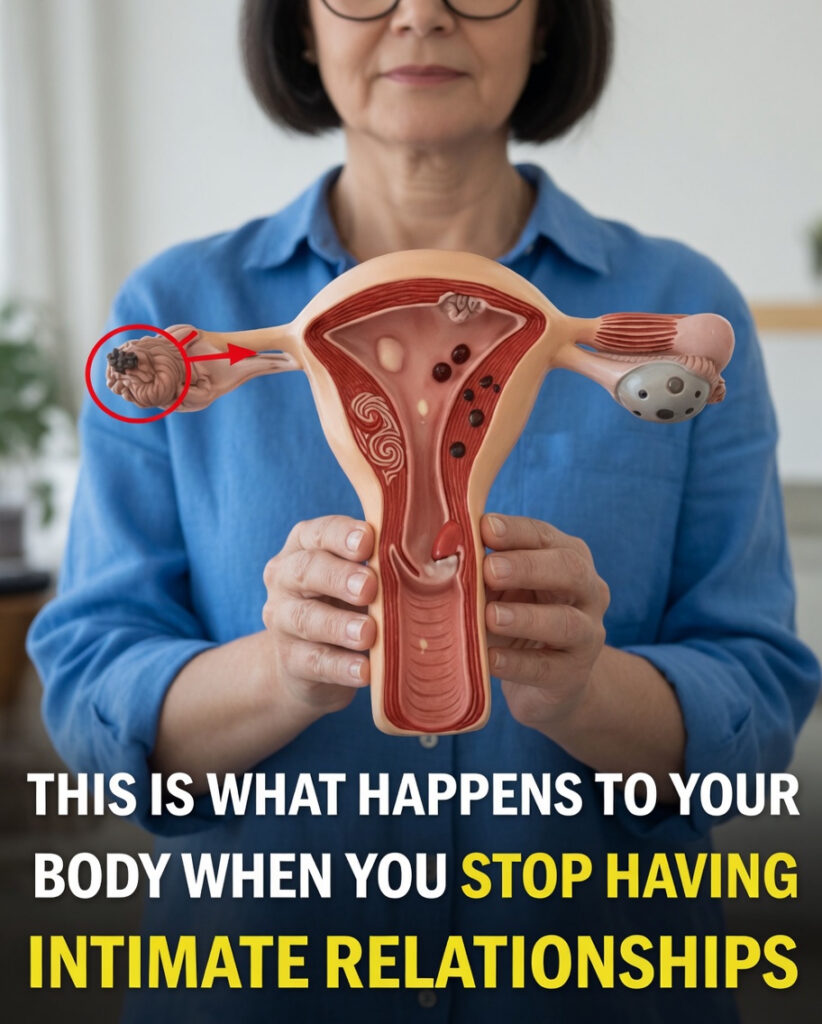
What Happens When You Don’t Have Sex for a While? 7 Common Changes to Know
You might wake up one day feeling slightly more irritable than usual, or notice that stress seems harder to shake during a demanding phase of life. Maybe your energy feels lower, your mood is less steady, or you simply start wondering what changes inside the body during a long stretch without sex. For many adults balancing work, relationships, family responsibilities, or personal decisions, going without intimacy for a period of time is completely normal. Still, it often brings up quiet concerns about health, hormones, and overall well-being.
The good news is simple: in most cases, not having sex for a while is perfectly safe. The body adjusts well. However, research suggests that a few mild physical and emotional shifts may happen along the way. This guide explains seven common changes that can occur when you don’t have sex for a while, so you can better understand your body and feel reassured.
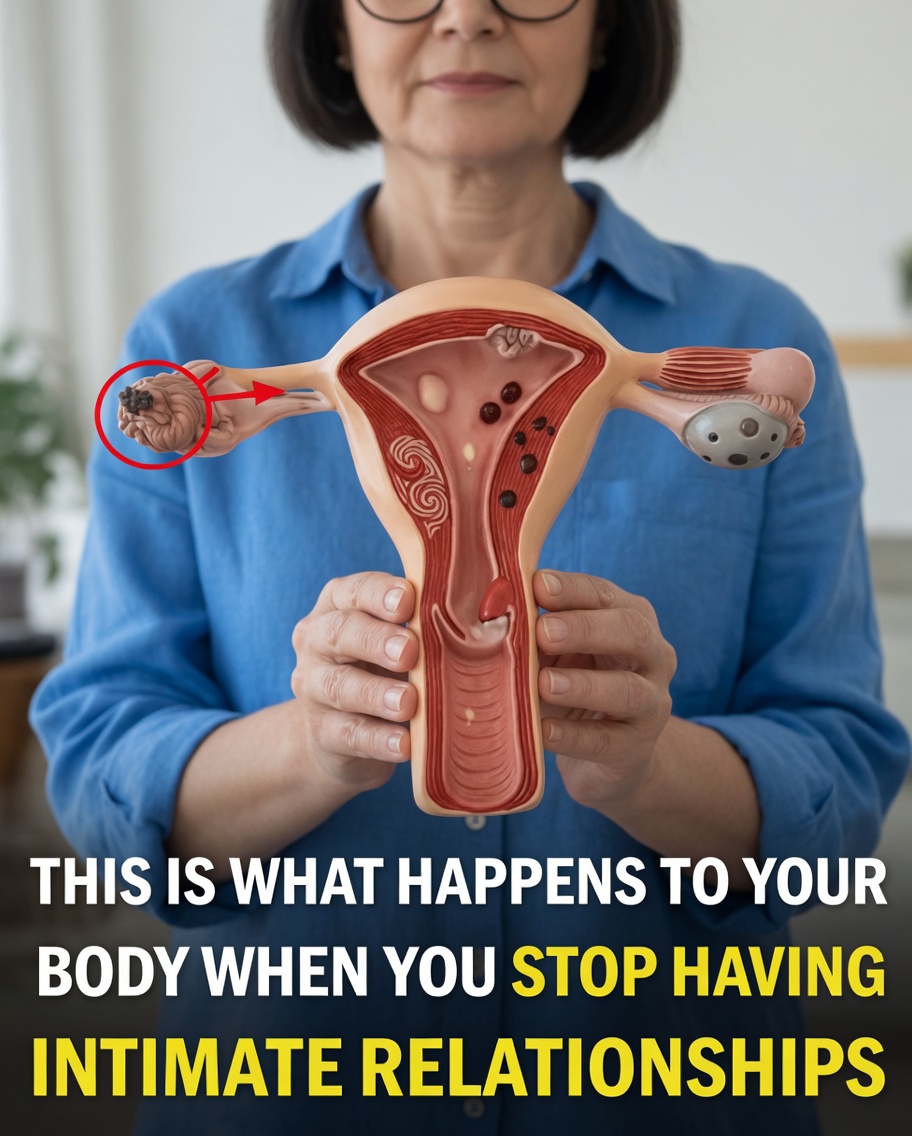
Why the Body Changes When You Don’t Have Sex for a While
Sexual activity involves more than desire or pleasure. It also affects hormones, blood flow, muscle engagement, and the release of chemicals such as oxytocin and endorphins. When sex becomes less frequent or stops for a time, those systems may respond with small adjustments.
Some people notice no difference at all. Others may pick up on subtle changes in stress levels, sleep, comfort, or libido. Knowing what happens when you don’t have sex for a while can help reduce unnecessary worry and keep your focus on overall health.
1. Stress May Feel More Noticeable
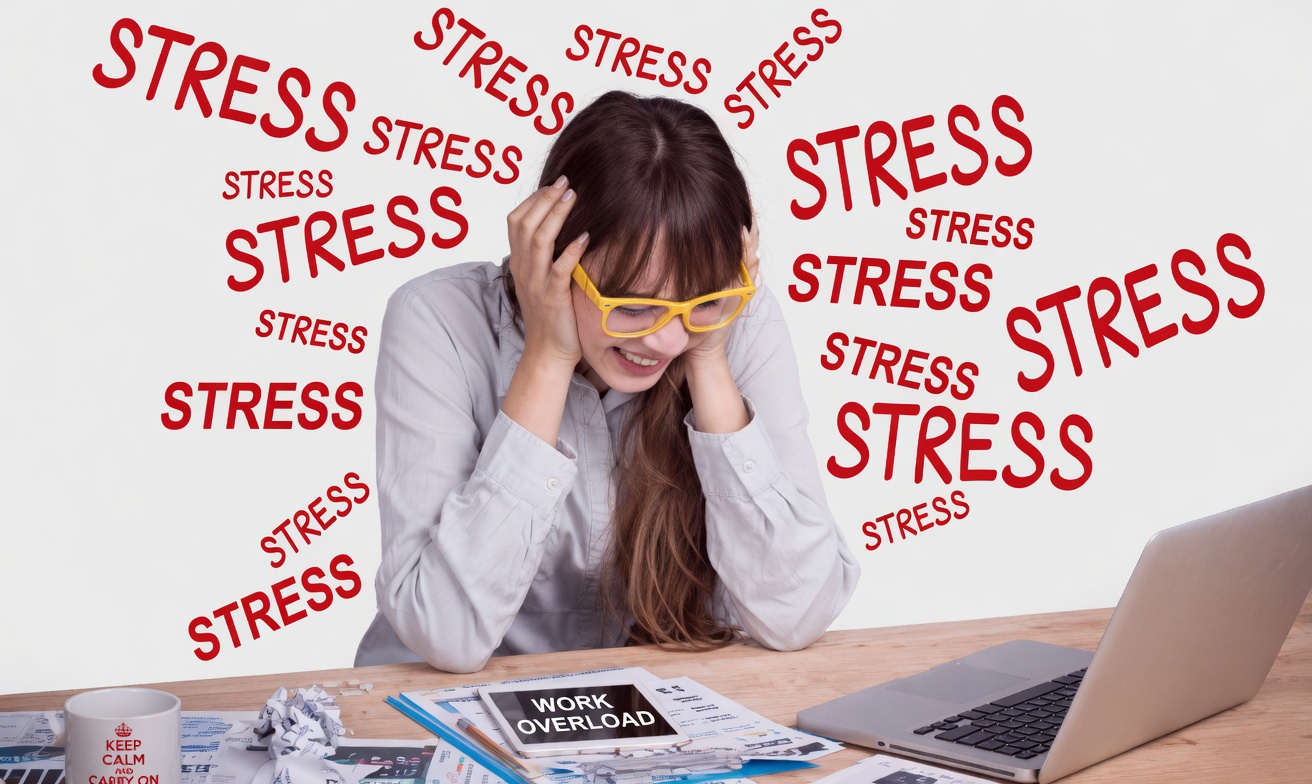
One common effect of going without sex for a while is that everyday stress can seem more intense. Intimacy often triggers a release of feel-good chemicals that help the body relax and reduce tension. Without that natural boost, some people feel slightly more restless or emotionally overloaded.
Research suggests that sex may support stress relief in certain individuals, but this does not mean stress will become unmanageable without it. Healthy habits can make a big difference.
Helpful ways to reduce stress:
- Deep breathing exercises
- Walking or other daily movement
- Meditation or mindfulness
- Talking with supportive friends or loved ones
2. Sleep Quality May Change
Sex can help the body settle into rest by encouraging the release of calming hormones. Because of that, some people find they fall asleep more easily after intimacy. When sex is absent for a while, sleep may feel lighter, less satisfying, or harder to begin.
This is not a universal experience, but it is a fairly common one. If sleep feels off, a predictable nighttime routine can usually help restore better rest.
Simple sleep support habits:
- Go to bed at the same time each night
- Limit screen use before sleep
- Keep your bedroom cool and quiet
- Avoid heavy meals late at night
3. Libido Can Go Up or Down
Sex drive does not always respond the same way in every person. For some, desire decreases during longer periods without sexual activity because the body adapts to a lower level of stimulation. For others, the opposite happens and sexual interest becomes stronger.
Both responses are normal. A change in libido when you don’t have sex for a while is usually temporary and often shifts again when life circumstances, connection, or interest change.
What to remember about libido changes:
- A lower sex drive for a time is normal
- Increased desire can also be normal
- Stress, sleep, and emotional health also affect libido
- Fluctuations usually do not signal a serious problem
4. Vaginal Comfort and Lubrication May Shift
For many women, especially during or after menopause, a break from sexual activity may slightly affect natural lubrication and tissue flexibility. As a result, intimacy may feel less comfortable when it resumes after a long pause.
This does not happen to everyone, but dryness or mild discomfort can occur. Fortunately, there are gentle ways to support vaginal comfort during periods without sex.
Ways to support vaginal health:
- Use over-the-counter vaginal moisturizers
- Stay well hydrated
- Discuss persistent dryness with a healthcare provider
- Practice pelvic floor exercises
5. Pelvic Floor Strength May Decline Slightly
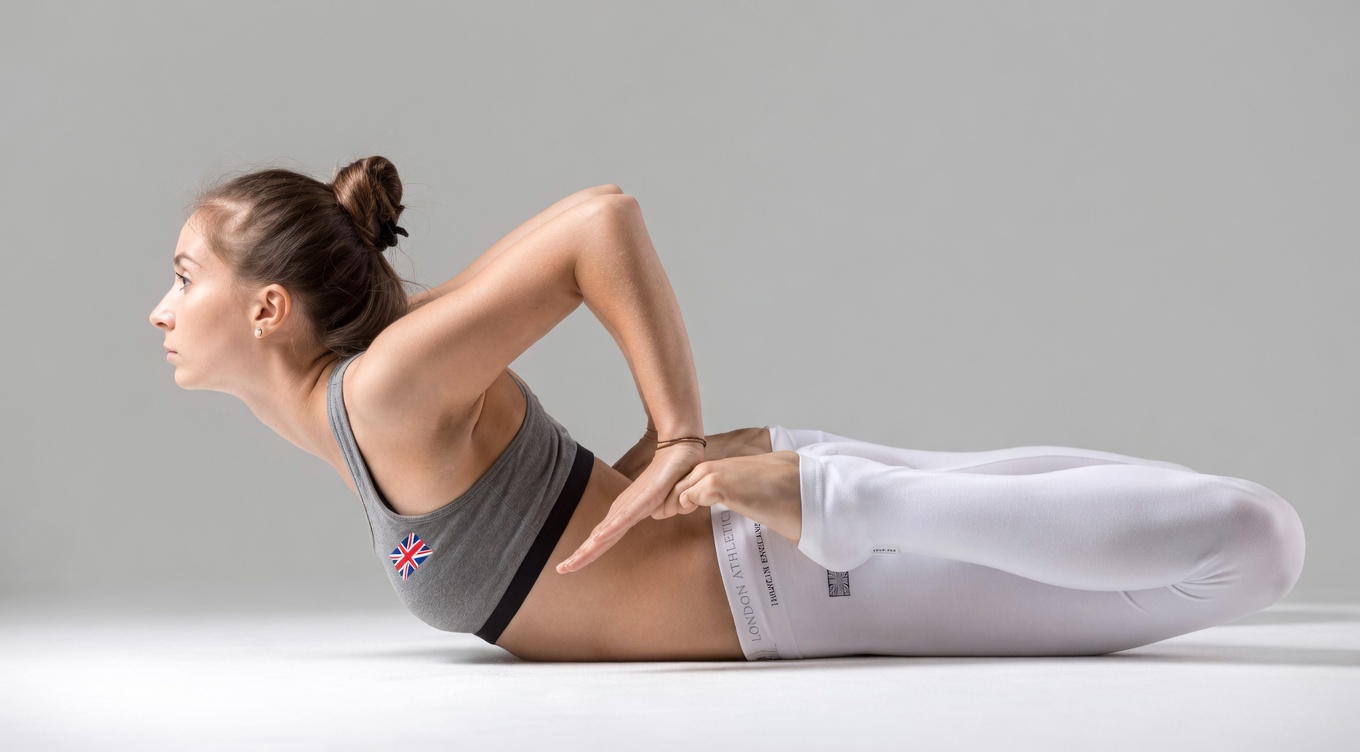
Sexual activity naturally engages the pelvic floor muscles. When you don’t have sex for a while, those muscles may get less stimulation, which can lead to a small drop in muscle tone over time in both men and women.
This may influence bladder control, sensation, or overall pelvic support, though the changes are often mild. The easiest way to maintain strength is through regular pelvic floor exercises.
Easy pelvic floor support:
- Do Kegel exercises daily
- Be consistent rather than intense
- Add them to your morning or bedtime routine
6. Immune Function Markers May Show Small Differences
Some research has linked regular sexual activity with higher levels of certain antibodies involved in defending the body from minor infections. If you don’t have sex for a while, these immune markers may shift slightly in some people.
That said, this effect appears to be minor compared with bigger health influences such as sleep, nutrition, exercise, and stress management. In other words, your lifestyle matters far more than sexual frequency when it comes to immunity.
For stronger everyday immune support, focus on:
- Quality sleep
- A nutrient-dense diet
- Staying active
- Managing stress
- Drinking enough water
7. Mood and Energy Levels May Vary
Emotional changes during sexual abstinence can go in different directions. Some adults feel calm, focused, and emotionally steady. Others notice a slight dip in motivation, energy, or mood without the hormonal lift that intimacy sometimes brings.
Neither response is unusual. If mood or energy shifts, non-sexual forms of connection and self-care can be just as helpful in maintaining balance.
Mood-supporting habits include:
- Spending time with supportive people
- Exercising regularly
- Getting outside in daylight
- Keeping a simple self-care routine
- Prioritizing rest

Quick Snapshot: What Can Happen When You Don’t Have Sex for a While
| Change | Common Experience | Simple Support Tip |
|---|---|---|
| Stress levels | May feel slightly higher | Walk daily or try meditation |
| Sleep quality | Rest may feel lighter | Stick to a regular bedtime |
| Libido | Can rise or fall | Focus on overall self-care |
| Vaginal health | Less lubrication may occur | Use gentle moisturizers |
| Pelvic floor strength | May weaken a little | Practice Kegels each day |
| Immune markers | Small shifts are possible | Prioritize sleep and nutrition |
| Mood and energy | Can vary from person to person | Stay socially connected |
Your Simple Action Plan
If you don’t have sex for a while and want to support your body, these small steps can help:
- Add 10 minutes of pelvic floor exercises to your daily routine.
- Move your body every day to encourage natural endorphins.
- Keep a short mood journal to notice patterns in stress or energy.
- Drink enough water and choose nutrient-rich foods.
- Speak openly with a partner or healthcare provider if something feels unusual.
Frequently Asked Questions
Q1: Is it unhealthy to go without sex for a while?
No. For most healthy adults, abstinence is medically safe and does not cause serious physical harm.
Q2: Will sex drive come back after a long break?
Yes. In most cases, libido returns naturally when circumstances, desire, or intimacy change.
Q3: Can masturbation help with some of these effects?
For many people, masturbation can offer physical release and some hormone-related benefits. However, it is not exactly the same as partnered intimacy.
Final Thoughts
Going without sex for a period of time is a normal part of life for many adults and usually does not lead to major health problems. The body is highly adaptable and capable of adjusting to changing routines. While a few subtle shifts in stress, sleep, mood, or physical comfort may happen, they are typically mild and manageable.
The best approach is to pay attention to your overall wellness, respect your personal choices, and remember that sexual frequency is deeply individual. If anything feels concerning, speaking with a healthcare provider can provide reassurance and guidance tailored to your needs.
- Calmer mornings and more stable energy
- Greater comfort with your body’s natural changes
- A peaceful, healthy approach that respects your personal choices
Important Note
This article is for informational purposes only and should not replace professional medical advice. For personalized guidance, consult your healthcare provider.