Foods That Help Prevent Muscle Loss After 50
After 50, a gradual drop in muscle strength can make everyday activities—like climbing stairs, lifting shopping bags, or standing up from a chair—feel more difficult than before. As energy dips and balance becomes less reliable, many people start moving less, which can speed up the problem and increase concerns about weakness and loss of independence.
The encouraging part is that your diet can make a real difference. Certain common foods help support muscle maintenance naturally, even if you are not spending hours exercising. And the first item on this list may already be in your kitchen.

Quinoa: A Complete Plant Protein for Muscle Strength After 50
When talking about foods that help fight muscle loss after 50, quinoa deserves a top spot. Many adults notice they wake up feeling less energetic or realize their arms and legs do not feel as strong as they once did. Quinoa can help because it is one of the rare plant foods that contains all nine essential amino acids your muscles need.
It also offers magnesium, which supports normal muscle function and may help ease tightness, while its fiber content helps keep blood sugar steadier. That matters because more stable blood sugar can help your body stay in a better state for preserving tissue instead of breaking it down.
Many people over 50 find that adding quinoa to meals a couple of times a week helps them feel more confident about maintaining strength. It is easy to prepare, works well as a rice substitute, and fits naturally into salads, bowls, or side dishes.
Greek Yogurt: High-Protein Recovery Support
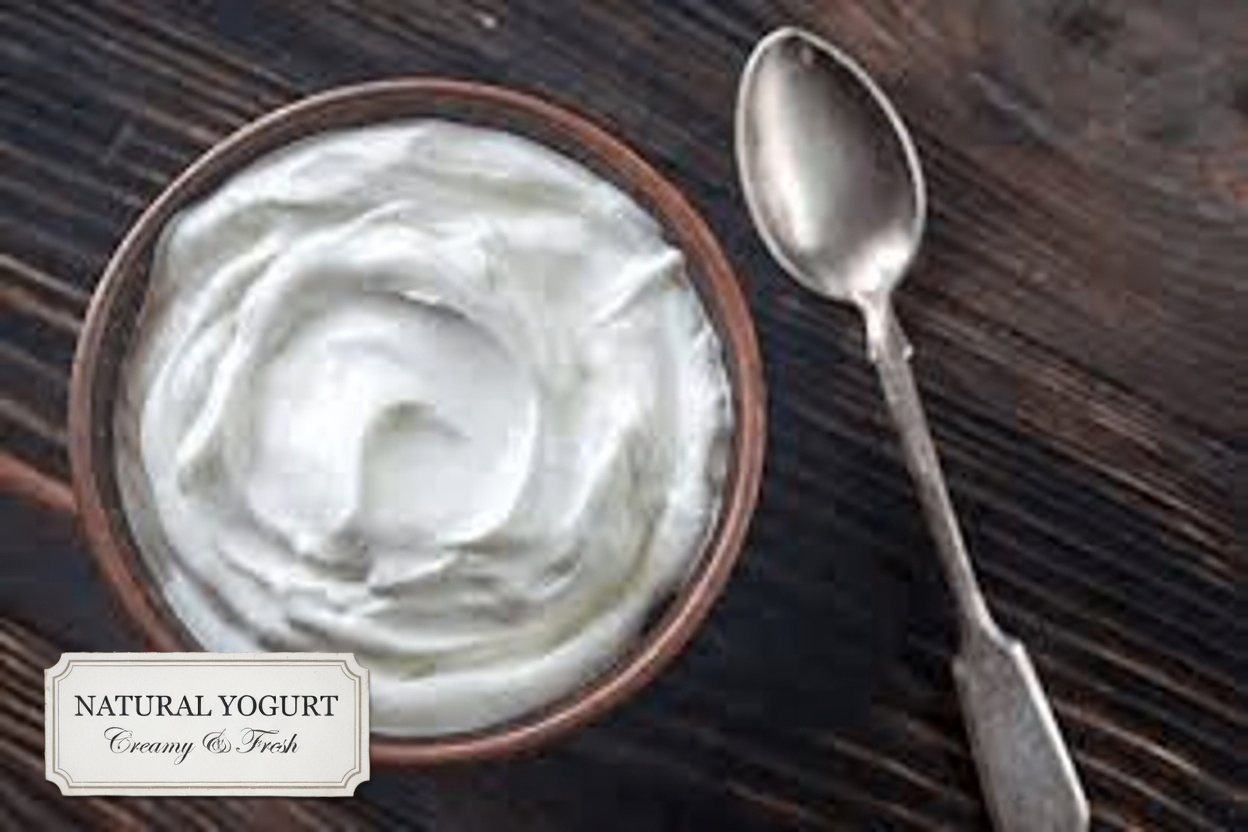
Greek yogurt is another smart choice for people trying to protect muscle after 50. A single serving can provide up to 20 grams of protein, making it an easy way to support muscle health without feeling overly full.
For those who feel unsteady when standing or carrying heavier items, nutrition becomes especially important. Greek yogurt also contains probiotics, which may improve digestion and help the body absorb nutrients more effectively. Better absorption means aging muscles have a stronger chance of getting the protein and minerals they need.
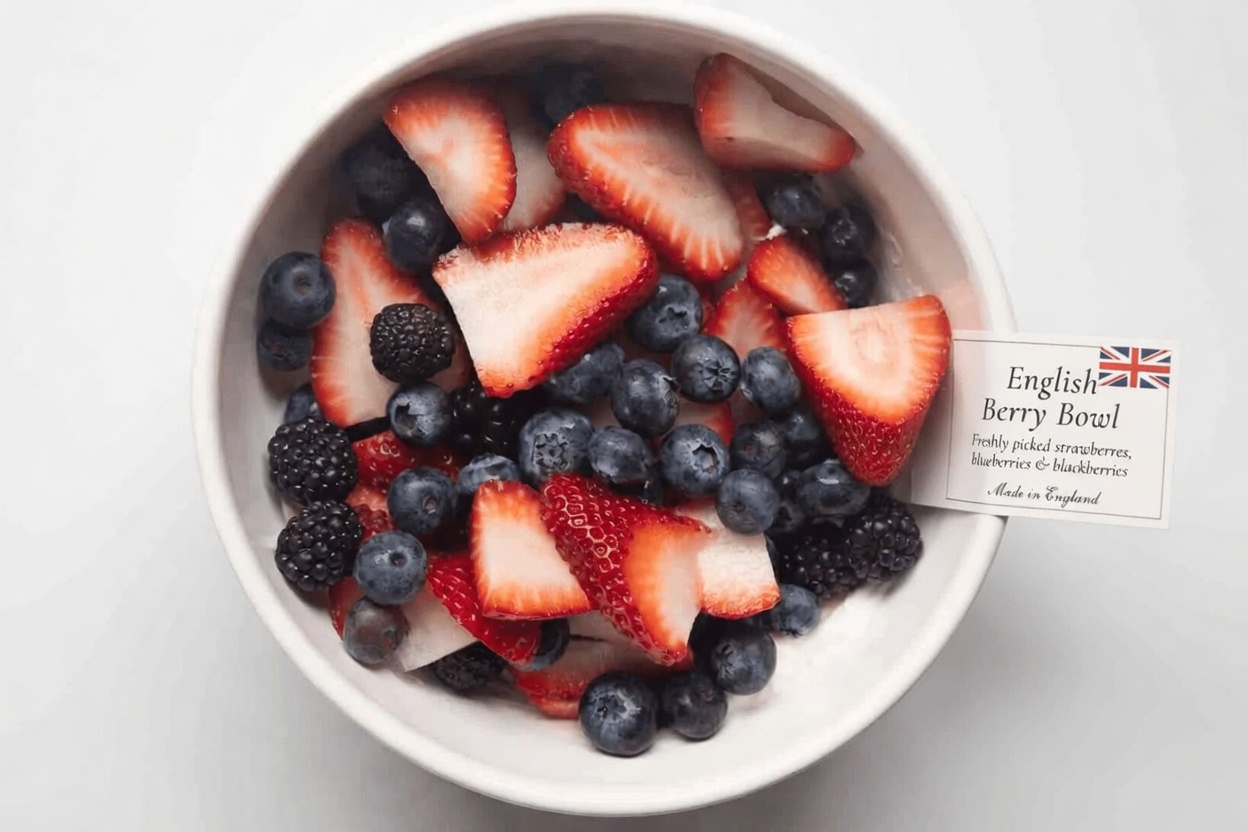
Studies suggest that high-quality protein sources like Greek yogurt can help preserve strength, even for people who are not very active. For the best option, choose plain, unsweetened yogurt and add berries for flavor and extra nutrients.
Wild Salmon: Omega-3s for Comfort and Daily Strength
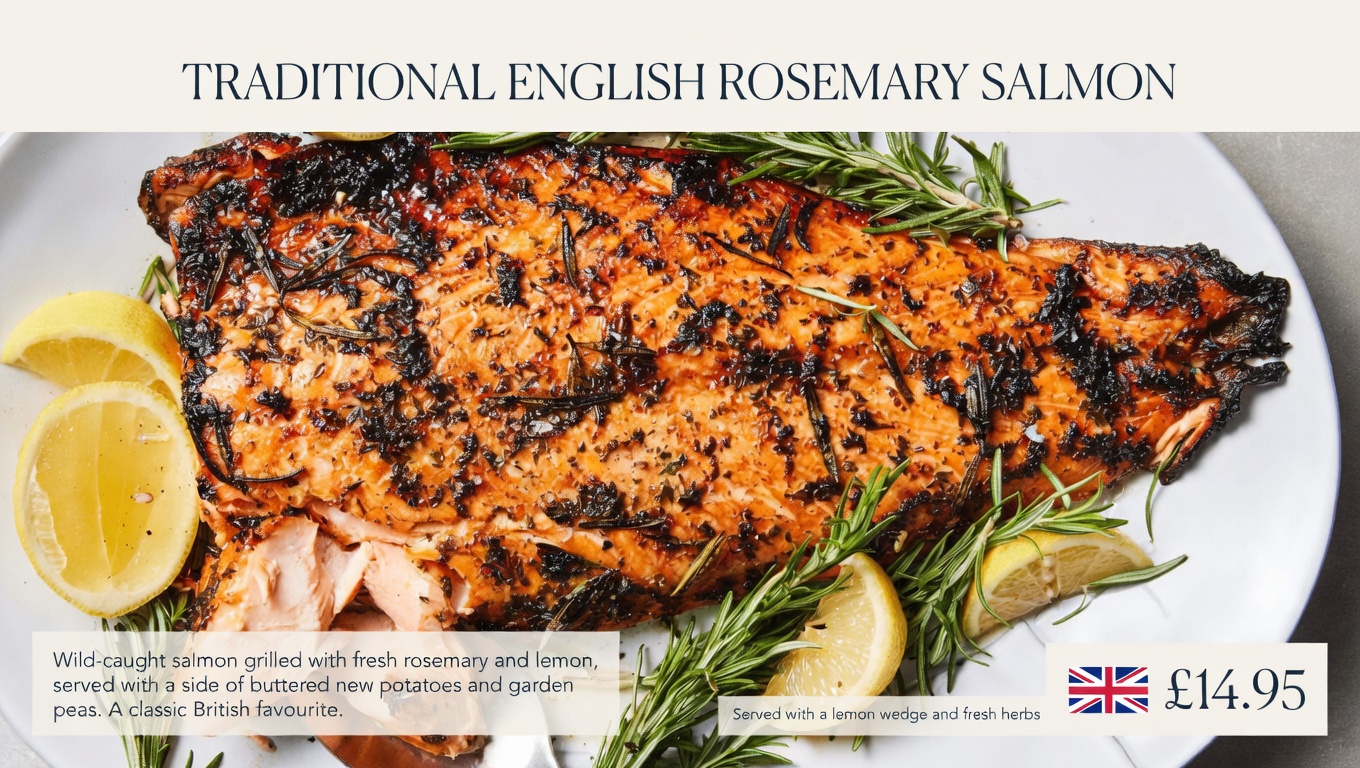
Wild salmon is one of the best foods for supporting muscle health after 50. It supplies high-quality protein along with omega-3 fatty acids, which research links to lower inflammation and better recovery.
If your legs feel sore after a short walk or your body takes longer to bounce back from normal activity, salmon may help. Reduced inflammation can make movement more comfortable and support muscle maintenance over time.
Adding salmon to your meals two or three times a week is a practical habit that may help you feel stronger and more stable. Keep preparation simple—bake, grill, or pan-sear it with herbs and a little olive oil.
Eggs: Simple, Affordable Muscle Support
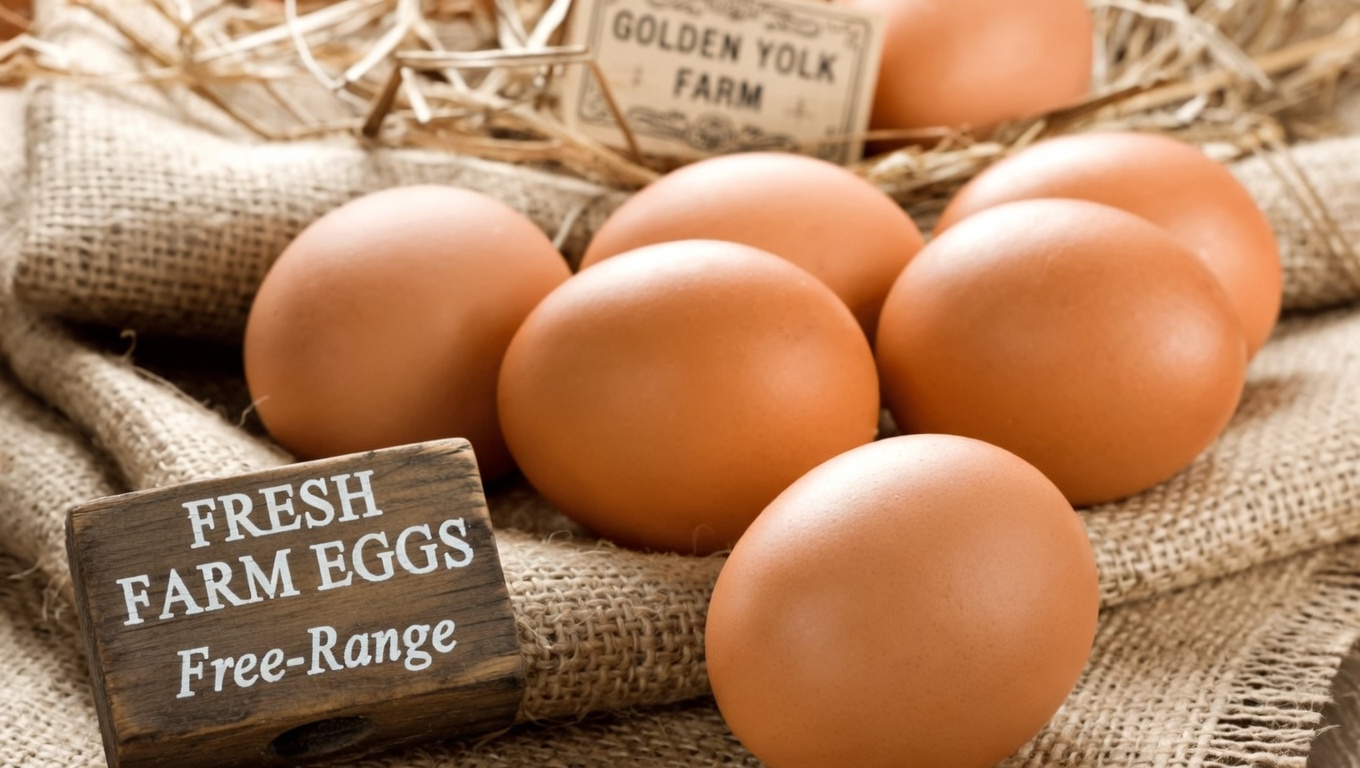
Eggs are often underestimated, but they are one of the most useful foods for preventing muscle decline after 50. They provide complete protein and contain leucine, an amino acid especially important for muscle protein synthesis.
Some adults still avoid eggs because of older nutrition myths, but current research shows they can fit well into most balanced diets. If you are worried about weaker grip strength, slower movement, or reduced stamina, eating eggs several times a week can be a practical form of support.
Boiling a batch ahead of time makes them even more convenient. They are easy to eat for breakfast, add to salads, or grab as a quick snack when you need steady energy.
Spinach: A Leafy Green That Helps Muscles Work Better
Spinach also belongs on the list of foods that help fight muscle loss after 50. It is rich in nutrients and natural compounds that support circulation, which can improve blood flow to working muscles.
Some European research has highlighted spinach for its role in helping preserve muscle mass, even without intense training. If household chores leave you feeling worn out more quickly than they used to, regularly adding spinach to meals may help support endurance and steadiness.
One of the best things about spinach is how easy it is to use. You can mix it into eggs, blend it into smoothies, stir it into soups, or serve it as a side dish.
Almonds: A Portable Snack for Strength and Energy
Almonds are a convenient option for adults over 50 who want more muscle-friendly nutrition throughout the day. They provide vitamin E, which helps protect cells, along with magnesium, a mineral important for muscle function and cramp prevention.
They also contain healthy fats that support overall wellness, including hormone balance, which can influence how well the body maintains strength over time. If you often hit an afternoon slump and feel more tired than you think you should, a small handful of almonds can offer a useful energy boost.
Keep some at your desk, in your bag, or in the car so you always have a quick, supportive snack available.
Chicken Breast: A Lean Protein Staple
Chicken breast remains one of the most reliable foods for muscle support after 50. With about 31 grams of protein per 100 grams and very little carbohydrate, it gives your body a concentrated source of lean protein.
If you feel frustrated by having less strength during simple tasks at home, preparing chicken in advance can make healthy eating easier. Batch-cooking once a week gives you a ready-to-use protein source for salads, wraps, soups, and grain bowls.
Season it simply, keep portions ready in the fridge, and you will always have a meal component that supports your goals.
Quick Comparison of the Best Foods for Muscle Health After 50
| Food | Protein per 100 g | Complete Protein? | Extra Benefit |
|---|---|---|---|
| Chicken breast | 31 g | Yes | Lean and easy to use |
| Quinoa (cooked) | 4–5 g | Yes | Magnesium and fiber |
| Greek yogurt | 10 g | Yes | Probiotics for nutrient absorption |
| Wild salmon | 25 g | Yes | Omega-3s for inflammation support |
| Eggs | 13 g | Yes | Leucine for muscle protein support |
| Spinach | 3 g | No, but pairs well | Nitrates for blood flow |
| Almonds | 21 g | No, but pairs well | Vitamin E and magnesium |
How to Combine These Foods in Simple Daily Meals
The biggest benefit comes from eating these foods consistently and combining them throughout the day. You do not need a complicated plan to make them work.
Here is an easy example:
-
Breakfast: Greek yogurt with berries and 1 tablespoon of chopped almonds
About 28 g protein -
Lunch: Grilled chicken breast with quinoa and spinach salad
About 50 g protein -
Dinner: Baked salmon with steamed spinach and a boiled egg
About 55 g protein -
Snack: One hard-boiled egg with a small handful of almonds
About 15 g protein
Many adults over 50 do well with around 1.2 to 1.6 grams of protein per kilogram of body weight per day to help support muscle health. A meal pattern like the one above can help meet that target in a realistic and satisfying way.
Real-Life Results People Often Notice
Many people report noticeable improvements after regularly eating foods that help fight muscle loss after 50. One woman in her late 60s said that adding salmon and spinach to her weekly routine made climbing stairs feel easier. A man in his early 70s found that meal-prepping chicken on Sundays and eating Greek yogurt daily helped improve his energy.
In both cases, their doctors recognized positive progress, and their families noticed the changes as well. While everyone responds differently, consistent nutrition can have a meaningful impact.
Practical Tips and Safety Notes
The key is to begin gradually and stay consistent. Use this simple guide:
| Food | Suggested Amount | What to Keep in Mind |
|---|---|---|
| Salmon | 2–3 servings per week | Choose low-mercury varieties |
| Eggs | Up to 1–2 whole eggs daily | Ask your doctor if you have specific concerns |
| Greek yogurt | 3/4 to 1 cup | Pick plain, unsweetened types |
| Almonds | 1 oz (about 23 almonds) | Watch portions if managing weight |
This article is for educational purposes only and should not replace medical advice. Always speak with your healthcare provider before making major dietary changes, especially if you have kidney issues, food allergies, or take prescription medications.
FAQ About Foods That Help Fight Muscle Loss After 50
How much of these foods should I eat each day?
It is usually better to spread protein across your meals instead of eating a large amount at once. The sample meal plan above can help most adults meet their daily protein needs in a practical way.
Can these foods help even if I do not exercise?
Yes, research suggests these foods can still support daily strength and recovery on their own. That said, adding light activity such as walking can make the benefits even greater.
Are there any side effects from adding these foods?
Most people tolerate them well. If you have a sensitive stomach, start with smaller portions. If you have allergies, medical conditions, or take medication, check with your doctor first.
Final Thought
The truth is, you do not need punishing workouts or an extreme routine to support muscle strength after 50. By regularly eating nutrient-dense foods like quinoa, Greek yogurt, salmon, eggs, spinach, almonds, and chicken breast, you can give your body the building blocks it needs to stay stronger, steadier, and more independent for years to come.