Foods Research Often Links to Higher Cancer Risk
A cancer diagnosis—or even the fear of one—can make everyday choices feel heavy. For many people, the anxiety shows up in simple moments: shopping for groceries, planning dinner, or reading alarming headlines about foods that may quietly increase cancer risk over time. It can leave you feeling uncertain about what is actually safe to eat.
The encouraging news is that major health organizations, including the American Cancer Society and the World Health Organization, have identified dietary patterns and food categories that may raise cancer risk through inflammation, oxidative stress, harmful compounds, and metabolic disruption. Knowing which foods deserve more caution can help you make practical, less stressful decisions for long-term health.
Why Some Foods May Increase Cancer Risk
It is easy to assume food is harmless unless it causes immediate symptoms. However, long-term research suggests that regularly eating certain highly processed or chemically altered foods may gradually create conditions associated with a higher risk of cancer.
For people already concerned about family history, lifestyle habits, or chronic stress, understanding the worst foods that may feed cancer cells can be a useful starting point. Studies suggest that excess added sugar, preservatives, unhealthy fats, and harsh cooking methods may contribute to cellular changes linked to tumor development.
Just as importantly, these foods often replace healthier options. When ultra-processed items dominate the diet, there is usually less room for fiber-rich, antioxidant-rich, and nutrient-dense foods that help support overall wellness.
The good news is that you do not need a perfect diet to make a difference. Even modest changes—like reducing the most concerning foods and choosing smarter alternatives more often—can feel manageable. Large population studies generally support the idea that moderation and consistency help lower risk over time.
Key Food Factors Commonly Associated With Cancer Risk
Health agencies and cancer researchers repeatedly point to several recurring dietary patterns. The table below summarizes the most common concerns.
| Factor | Potential Link to Risk | Common Examples |
|---|---|---|
| Nitrates and preservatives | May damage cells in the digestive tract | Processed meats |
| Added sugars and fructose | May promote inflammation and support tumor-related pathways | Soft drinks, sugary beverages |
| High-heat cooking | Can create harmful compounds | Burnt, charred, or fried foods |
| Refined carbohydrates | May cause blood sugar spikes and oxidative stress | White bread, pastries, refined pasta |
This is why awareness of the worst foods that may feed cancer cells matters. It is not about fear—it is about making informed, realistic choices.
9 Worst Foods That May Feed Cancer Cells According to Research
If you often worry about hidden risks in your diet, the list below can help you focus on the foods most often linked to cancer risk in research.
9. Ultra-Processed Snacks Such as Chips and Cookies
Packaged snacks are convenient, especially during busy days, but many are loaded with additives, refined starches, unhealthy fats, and excess salt or sugar. Research has linked high intake of ultra-processed foods with weight gain, chronic inflammation, and metabolic problems, all of which may increase cancer risk.
These foods also tend to crowd out healthier choices like fruit, nuts, seeds, and whole grains. Replacing chips or cookies with more whole-food snacks may help support steadier energy and better overall health.
8. Refined Grains Like White Bread and Regular Pasta
White bread, pastries, and refined pasta are common comfort foods, but they are low in fiber and can cause rapid rises in blood sugar. Population studies have suggested that diets high in refined carbohydrates may contribute to an environment linked with greater colorectal cancer risk.
Because they lack the fiber found in whole grains, refined grains do less to support digestion, blood sugar control, and inflammation management. Choosing whole-grain bread, brown rice, oats, or whole-wheat pasta is a simple and practical upgrade.
7. Charred or Burnt Grilled Foods
Grilled food is popular, but the blackened or burnt parts of meat can contain compounds called heterocyclic amines (HCAs) and polycyclic aromatic hydrocarbons (PAHs). Lab and observational studies have associated these substances with increased cancer risk.
This does not mean you must stop grilling altogether. Cooking at lower temperatures, avoiding charring, and using marinades can help reduce the formation of these compounds while preserving flavor.
6. Fried Foods Including French Fries and Fried Chicken
Deep-fried foods are often cooked at very high temperatures, which may produce acrylamide and other undesirable compounds. Many fried foods also contain unhealthy oils and, in some cases, trans fats, which are linked to oxidative stress and inflammation.
Several studies have associated frequent consumption of fried foods with poorer inflammatory markers and higher long-term health risks. Baking, roasting, or air-frying can offer a satisfying alternative without the same level of concern.
5. High-Sugar Desserts Such as Candy and Pastries
Sugary desserts may feel comforting in stressful moments, but regularly consuming large amounts of added sugar can contribute to insulin resistance, inflammation, and weight gain. These factors are often discussed in research on several types of cancer.
Another issue is what these foods replace. Diets high in candy, pastries, and sweet baked goods often contain fewer nutrient-rich foods that provide protective compounds. Cutting back gradually and using fruit as a sweeter, more natural option can make the transition easier.
4. Sugary Drinks Like Soda and Energy Drinks
Sodas and energy drinks may seem harmless, but they often deliver large amounts of added sugar or high-fructose corn syrup with little to no nutritional benefit. Animal studies suggest that excess fructose may indirectly support tumor-related processes through effects on liver metabolism and lipid production.
These beverages also contribute to excess calorie intake, blood sugar spikes, and obesity, which are all tied to several obesity-related cancers. Replacing them with water, sparkling water, or unsweetened herbal tea is one of the easiest changes you can make.
3. Alcohol, Including Beer, Wine, and Spirits
Alcohol is often seen as a normal part of social life, but the WHO classifies alcohol as a Group 1 carcinogen. Even moderate drinking has been linked to a higher risk of cancers including breast, liver, and colorectal cancer.
Alcohol can interfere with DNA repair, increase oxidative stress, and affect hormone levels. If reducing alcohol feels difficult, alternating with alcohol-free options or cutting back gradually can still offer meaningful benefits. Research shows that any reduction in alcohol intake can lower associated risk.
2. Red Meat Such as Beef, Pork, and Lamb
Red meat remains a staple in many diets, but high consumption has raised concerns among researchers. Experts classify it as probably carcinogenic, particularly due to links with colorectal cancer.
Some of the concern comes from compounds formed during digestion, as well as substances created during high-temperature cooking. This does not mean red meat must be eliminated completely, but many guidelines encourage limiting intake and replacing some servings with poultry, fish, beans, lentils, or tofu.

1. Processed Meats Like Bacon, Hot Dogs, Sausages, and Deli Meats
Processed meat is consistently one of the most concerning food categories in global cancer research. Items such as bacon, ham, salami, hot dogs, and deli slices are classified as Group 1 carcinogens, with strong evidence linking them to colorectal cancer.
The risk appears to be related to nitrates, nitrites, preservatives, smoking, curing, and processing methods. For many people, reducing processed meat intake brings a sense of relief and control. Better alternatives include fresh poultry, fish, eggs, legumes, or minimally processed plant-based proteins.
Easy Food Swaps to Help Lower Your Risk
Changing long-standing eating habits can feel overwhelming, especially when family routines, schedules, and convenience are involved. The key is to focus on small shifts that are realistic and sustainable.
Try these simple strategies:
- Read ingredient labels for hidden sugars, preservatives, and artificial additives.
- Choose whole foods more often, especially meals prepared at home.
- Replace processed meats with grilled chicken, beans, lentils, or tofu.
- Swap white bread and refined pasta for whole-grain versions.
- Trade soda and energy drinks for water, sparkling water, or unsweetened tea.
- Choose fruit, yogurt, or nuts instead of candy, cookies, or packaged snack foods.
- Use baking, steaming, roasting, or air-frying instead of deep frying.
- Avoid eating heavily charred or burnt meat.
- Limit alcohol and try non-alcoholic alternatives in social settings.
The Most Powerful Swap You Can Make Today
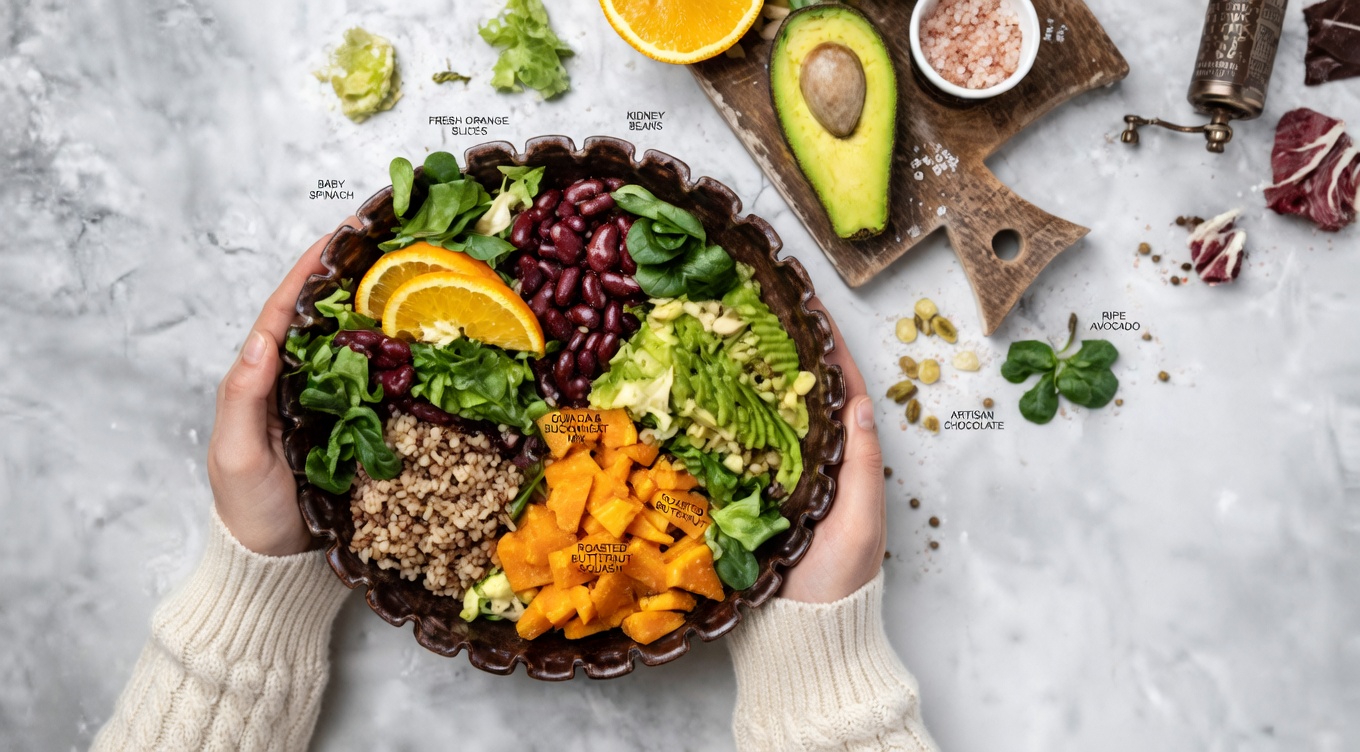
If you want one simple place to start, this is it: replace processed foods with whole foods whenever possible.
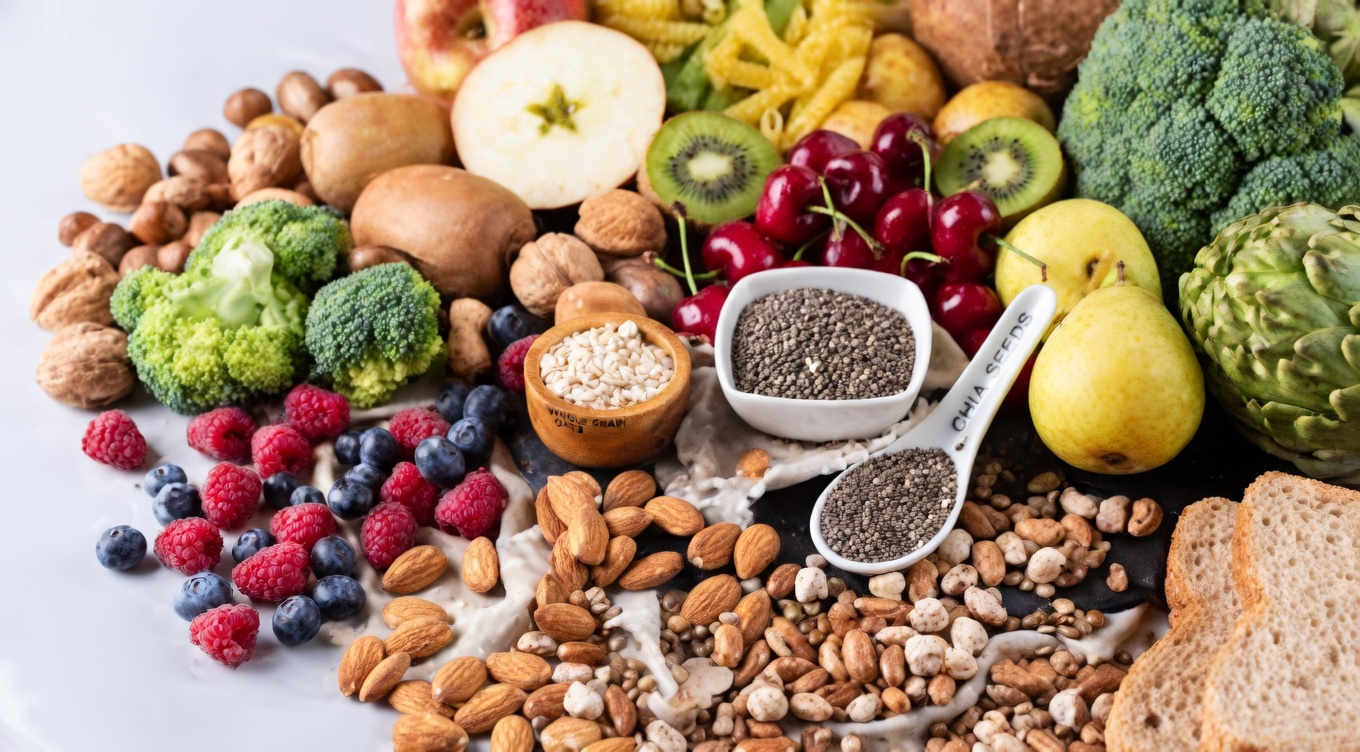
That single change can help reduce exposure to added sugars, preservatives, refined carbs, and unhealthy fats all at once. A meal built around vegetables, beans, whole grains, fruit, lean proteins, and healthy fats supports your body in a way ultra-processed foods cannot.
Final Takeaway
The foods most often linked to cancer risk are not necessarily dangerous because of one single serving. The bigger issue is habitual intake over time. Research suggests that regularly eating processed meats, red meat, alcohol, sugary drinks, fried foods, burnt foods, refined grains, high-sugar desserts, and ultra-processed snacks may contribute to conditions that make cancer more likely.
The goal is not fear or perfection. It is awareness. By reducing the worst foods that may feed cancer cells and making a few smarter substitutions, you can take meaningful steps toward better long-term health and peace of mind.