A Simple Daily Oat Habit for Joint Comfort and Knee Stiffness
Knee stiffness and ongoing joint discomfort become more common with age, and even basic daily tasks can start to feel harder than they should. When your knees ache, it can interfere with sleep, affect your mood, and make it more difficult to enjoy time with family, friends, and favorite activities. One simple dietary habit many people are exploring is adding oats to their everyday routine to help support joint comfort and overall well-being. The key is not only eating oats, but doing so in the right amount and with consistency.
Why Joint Health Becomes More Important Over Time
As we grow older, the body naturally changes, and joints may not feel as smooth or flexible as they once did. Whether you are staying active with travel, hobbies, family life, or just managing a busy schedule, joint discomfort can slow you down. The impact is not only physical. Missing out on the things you enjoy can also be emotionally draining.
That is why many adults look for practical, everyday foods that are easy to include in a regular routine. Oats are one of those simple pantry staples that can fit naturally into daily meals without requiring a major lifestyle overhaul.
Research is also giving more attention to whole grains like oats and how they may help the body manage daily wear and tear. They are not an instant fix, but they may be a valuable long-term habit as part of a balanced wellness plan.
How Oats May Help Support Joint Health
Oats have long been known as a nutritious breakfast option, but their benefits go beyond basic fiber content. Their nutritional makeup includes compounds that may help support a healthier internal balance, which is important for long-term mobility and comfort.
A major component in oats is beta-glucan, a soluble fiber linked to several health benefits. Research published in Nutrients found that people who consumed oat beta-glucan experienced improvements in how they felt physically, including reduced discomfort in their limbs and joints compared with those who did not consume it. This suggests that regular intake may support everyday physical comfort.
Important Compounds in Oats
Oats contain several natural compounds that may contribute to joint support and overall wellness.
1. Beta-Glucan
This soluble fiber is one of the best-known nutrients in oats. It supports digestion, helps maintain healthy cholesterol levels, and may also play a role in reducing physical discomfort over time.
2. Avenanthramides
These are antioxidant compounds found almost exclusively in oats. Studies in both lab and human settings have shown that avenanthramides may help support the body’s normal anti-inflammatory response. Research published in the Journal of the International Society of Sports Nutrition showed that these compounds helped lower certain inflammation markers after physical strain.
3. Fiber for Weight Support
The fiber in oats can help you feel full longer and support healthy digestion. Maintaining a healthy body weight can reduce pressure on major joints such as the knees and hips, which may indirectly improve comfort.

Why Consistency Matters More Than Quantity
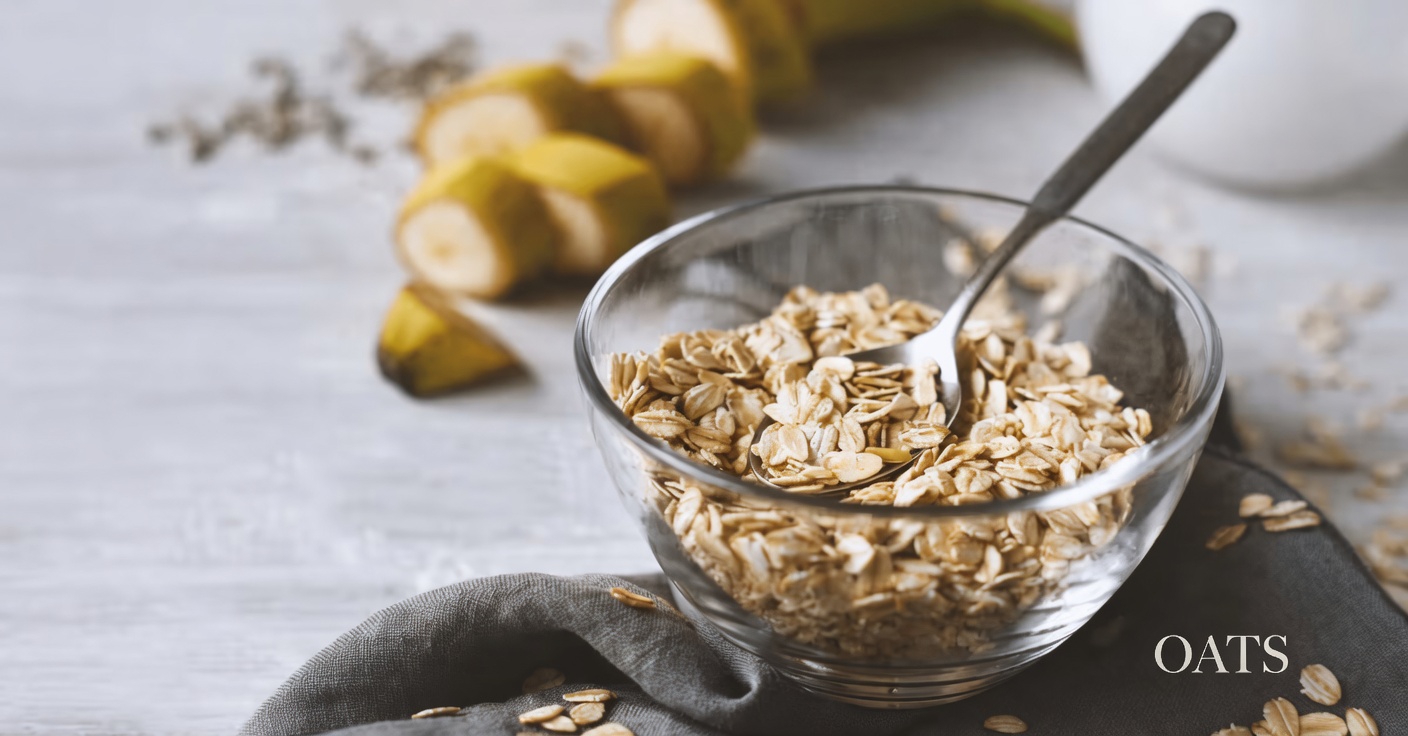
One of the most appealing things about oats is that you do not need a large serving to make them part of your routine. Just 2 tablespoons, or about 15 to 20 grams, can provide a useful amount of beta-glucan and avenanthramides without adding many calories.
This small amount is easy to incorporate into meals and snacks. You can stir it into yogurt, blend it into a smoothie, or sprinkle it over fruit. Because it is such a manageable portion, many people find it easier to maintain consistently than making dramatic diet changes.
Regular use over time appears to matter more than taking a large amount occasionally. Wellness research often points to repeated daily habits as the real driver of noticeable results.
Easy Ways to Add 2 Tablespoons of Oats to Your Day
If you want to start small, there are plenty of simple ways to include oats in your meals without much effort.
- Blend 2 tablespoons into a morning smoothie with banana, spinach, and almond milk.
- Mix them into Greek yogurt or cottage cheese with berries and a little honey.
- Sprinkle oats over fruit or even over a bowl of oatmeal for extra texture.
- Add them to homemade energy bites with nut butter.
- Bake them into muffins or pancakes with whole-grain flour.
- Use finely ground oats to thicken soups, sauces, or stews.
These options help keep the habit enjoyable and flexible, so it does not feel repetitive.
Build a Daily Oat Routine Step by Step
Creating a lasting habit does not have to be complicated. A simple structure can make it easier to stay consistent.
- Measure 2 level tablespoons each morning so your portion stays consistent.
- Choose your oat type such as rolled oats for more texture or quick oats for convenience.
- Pick one daily method like yogurt, smoothies, or overnight oats and use it at the same time each day.
- Track how you feel for 2 weeks using a notebook or phone note. Pay attention to comfort, movement, and energy.
- Adjust for taste by adding cinnamon, nuts, or fruit if needed.
This is a low-effort habit that does not require special equipment or costly products.
Tips to Get the Most from This Habit
A few small adjustments may help you get better overall results from adding oats to your diet.
- Pair oats with vitamin C-rich foods such as strawberries, oranges, or kiwi.
- Drink plenty of water, since fiber works best with good hydration.
- Combine this habit with light movement like walking, stretching, or gentle exercise.
- Choose plain, minimally processed oats instead of heavily sweetened instant varieties.
- Change the way you prepare them each week to keep meals interesting.
One important point is patience. Some people may notice subtle changes within a few weeks, but the larger benefit usually comes from staying consistent over time.
What Current Research Suggests
The discussion around oats and joint comfort is supported by real scientific interest, not just trends. Multiple peer-reviewed studies, including work indexed in National Institutes of Health databases, support the role of oats in helping maintain a healthy inflammatory balance. Avenanthramides in particular have drawn attention for their potential wellness benefits beyond heart health.
Still, individual results can differ. Age, activity level, body weight, and the overall quality of your diet all influence how much benefit you may notice. There is also growing interest in how beta-glucan supports gut health, which may indirectly contribute to better systemic balance and improved physical comfort.
The bottom line is simple: oats are not a cure-all, but they are a smart, evidence-based food to include in a broader healthy lifestyle.
Combine Oats with Healthy Lifestyle Habits for Better Results
No single food can solve joint discomfort on its own. The best results usually come when oats are part of a bigger wellness strategy. Think of them as one helpful daily habit that works best alongside other supportive choices.
Here are a few habits that may strengthen the benefits:
- Stay physically active with low-impact exercise.
- Maintain a healthy body weight to reduce stress on the knees.
- Eat a balanced diet rich in fruits, vegetables, lean proteins, and healthy fats.
- Prioritize sleep and stress management, since both affect how the body feels and recovers.
- Limit heavily processed foods that may work against your wellness goals.
When combined with these habits, a small serving of oats each day can become a practical part of a long-term approach to staying active and comfortable.
Final Takeaway
If knee stiffness or joint discomfort is making daily life more difficult, adding 2 tablespoons of oats each day is a simple step worth considering. Oats offer beneficial fiber, unique antioxidants, and whole-grain nutrition that may help support joint comfort, digestion, and overall health.
The secret is not a huge serving or a quick fix. It is the steady habit of including oats regularly as part of a balanced lifestyle. Over time, that small daily choice may help support better movement, greater comfort, and a more active life.