

3 Everyday Herbs That May Help Support Healthy Leg Circulation
If your legs often feel heavy, sluggish, or mildly puffy after hours of sitting or standing, you are not alone. These uncomfortable sensations are common and are often linked to everyday habits such as low physical activity, long workdays, or normal changes that come with age. Over time, they can make routine tasks feel more tiring than they should.
The encouraging news is that a few familiar herbs may offer gentle, natural support for healthy blood flow. When used alongside simple habits like walking, drinking enough water, and taking movement breaks, they may help your legs feel lighter and more refreshed. Below are three of the most practical options and easy ways to use them safely.
Why Healthy Leg Circulation Deserves More Attention
A lot of people experience mild circulation-related discomfort in the legs, especially during busy periods of work, travel, or long hours on their feet. It may show up as tired legs at the end of the day, a feeling of heaviness, or the urge to sit down and rest earlier than usual.
Natural options from the kitchen can be a helpful part of a broader wellness routine. Information from well-known health sources such as Healthline and WebMD has discussed how certain herbs may support blood vessel relaxation and healthy flow. They are not quick fixes, but they can be useful additions to daily life.
Many people wait until discomfort becomes more noticeable before making any changes. In reality, small daily steps are often the easiest and most effective place to begin.
How These Herbs May Support Blood Flow
Current research suggests that some herbs contain active plant compounds that may help the blood vessels function more efficiently. Ingredients such as gingerols, curcumin, and capsaicin have been studied for their potential role in promoting vessel relaxation and circulation support.
That does not mean these herbs are a cure or a replacement for medical care. However, they may complement a healthy lifestyle well, especially when used consistently and in reasonable amounts.
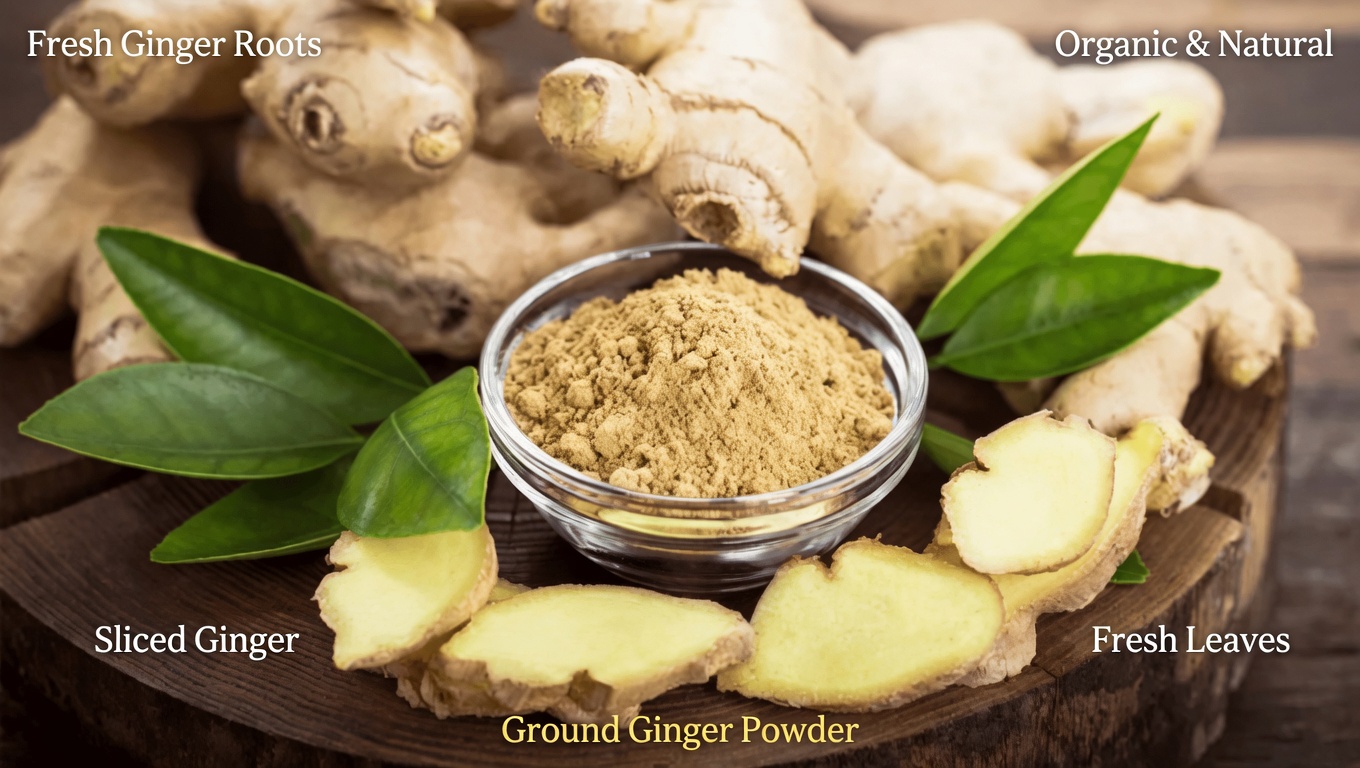
Ginger: A Traditional Root for Warmth and Flow Support
Ginger has been used for generations in traditional wellness practices, and modern research continues to explore its benefits. Its natural compounds, especially gingerol, may help support blood vessel relaxation and healthy blood pressure, which can indirectly contribute to leg comfort.
Why ginger is a popular choice
- It contains gingerol, which has been linked to healthy vessel function in research.
- Its warming effect may feel soothing after a long day.
- It is easy to include in tea, meals, and blended drinks.
How to use ginger daily
- Peel and thinly slice a 1-inch piece of fresh ginger root.
- Add it to 2 cups of hot water.
- Let it steep for about 10 minutes.
- Add lemon or a small amount of honey if desired.
- Drink it once or twice a day, ideally in the morning or after meals.
If tea is not your favorite, ginger also works well in smoothies, soups, and stir-fries.
Turmeric: The Golden Spice Known for Circulation Support
Turmeric is widely recognized for curcumin, the compound most often associated with its wellness benefits. Research highlighted by trusted health resources suggests curcumin may help support nitric oxide production, which plays a role in relaxing blood vessels and encouraging smoother circulation.
What makes turmeric stand out
- Its anti-inflammatory properties may support overall vascular wellness.
- It can be used in both foods and warm drinks.
- It has a long history of traditional use across many cultures.
Easy ways to add turmeric to your routine
- Stir 1/2 teaspoon of turmeric powder into warm milk or a plant-based alternative.
- Add a pinch of black pepper to help improve absorption.
- You can also simmer 1 teaspoon in water for 5 to 10 minutes to make tea.
- Mix it into soups, eggs, rice, or other savory dishes.
- Begin with a small amount and increase slowly based on your tolerance.
Turmeric is especially useful for people who want a mild, versatile herb that fits easily into everyday meals.
Cayenne Pepper: A Spicy Option for Everyday Circulation
Cayenne pepper contains capsaicin, a compound often studied for its effects on blood vessels and circulation. Some research suggests capsaicin may support nitric oxide release and artery relaxation, making cayenne an interesting option for those looking to support lighter-feeling legs naturally.
Why many people choose cayenne
- Capsaicin may promote better blood flow.
- It adds bold flavor while offering wellness benefits.
- It is affordable and easy to find in most kitchens.
Simple ways to use cayenne safely
- Start with a very small amount, around 1/8 teaspoon.
- Stir it into warm water or herbal tea.
- Sprinkle a light pinch over eggs, vegetables, or soup.
- If you tolerate spice well, combine a small amount with ginger tea.
- Increase slowly to avoid stomach discomfort.
Because cayenne is strong, beginning with a low dose is the best approach.

Quick Comparison: Which Herb May Suit You Best?
If you are not sure where to begin, this simple guide can help:
- Ginger: Great for a warming effect and easy homemade tea.
- Turmeric: Ideal for golden drinks and adding to meals.
- Cayenne: Best for those who enjoy spice and want a fast flavor boost.
Rotating these herbs through the week can help keep your routine enjoyable and easy to maintain.
Lifestyle Habits That Work Well With These Herbs
Herbs tend to be most helpful when paired with healthy daily habits. To better support leg circulation, try combining them with the following:
- Take short walks during long periods of sitting.
- Elevate your legs for about 15 minutes after extended sitting or standing.
- Drink enough water throughout the day.
- Choose whole foods rich in antioxidants.
- Stay physically active in ways that feel realistic and sustainable.
These habits are simple, practical, and much easier to maintain than strict wellness plans.
Tips for Safe and Consistent Use
The best results usually come from regular use rather than large amounts. A good strategy is to build a simple daily habit around one herb at a time.
For better consistency
- Pick one herb to use each morning or with a meal.
- Stay with it for about two weeks before deciding how it feels.
- Notice whether your legs feel lighter, less tired, or more comfortable.
- Choose high-quality products when possible, including organic options if available.
Slow, steady use is generally more effective than trying everything at once.
Final Thoughts: Small Herbal Habits Can Make a Noticeable Difference
Ginger, turmeric, and cayenne are accessible herbs that may help support healthy blood flow and improve everyday leg comfort. They have a long history of traditional use and are supported by growing research, making them worthwhile additions to a balanced wellness routine.
Start with the one that sounds easiest for you, use it consistently, and combine it with healthy movement and hydration. Even small changes can add up over time.
FAQ
How soon might I notice a difference in leg comfort?
Some people say their legs feel a bit lighter within 1 to 2 weeks when these herbs are used consistently along with regular movement. Results can vary, so pay attention to how your body responds.
Can I use these herbs if I take medication every day?
It is best to speak with your healthcare provider first, especially if you take blood thinners or manage an existing condition. This helps ensure the herbs fit safely into your personal health plan.
Are there side effects to watch for?
Most people tolerate these herbs well in moderate amounts. However, it is wise to start small. Ginger and cayenne may cause mild stomach warmth or irritation in sensitive individuals, so taking them with food may help.
Disclaimer
This article is for informational purposes only and is not a substitute for professional medical advice. Always consult your doctor before adding new herbs or supplements to your routine, especially if you have medical conditions or take prescription medications. Individual responses may vary.