
Understanding Amlodipine Side Effects: What Many Adults Notice Day to Day
Taking a morning dose of amlodipine can sometimes be followed by unexpected sensations later in the day. A warm face, a slightly heavy feeling in the legs, ankle puffiness in the evening, or brief dizziness after standing up may leave many people wondering whether these changes are normal. For millions of adults, these amlodipine side effects can feel unpredictable and frustrating, especially when they appear on some days and seem absent on others.
The good news is that most amlodipine side effects are mild, and learning why they happen can make them feel less alarming. In many cases, small daily habits may also help improve comfort and make treatment easier to manage.

Why Amlodipine Side Effects Can Catch You Off Guard
Amlodipine works by helping blood vessels relax and widen, which supports healthier blood pressure levels. Because this changes how blood and fluid move through the body, side effects may show up in ways that seem unrelated at first. That is why some people notice changes in their feet, legs, or face rather than only feeling something connected to their blood pressure.
These effects can begin soon after starting the medication, but they may also appear weeks later. Research suggests that most amlodipine side effects are not dangerous, yet they can still affect daily comfort and make normal routines feel less predictable.
7 Common Amlodipine Side Effects in Everyday Life
1. Swelling in the Ankles or Feet
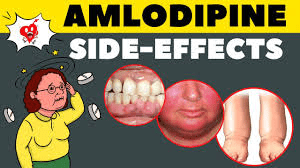
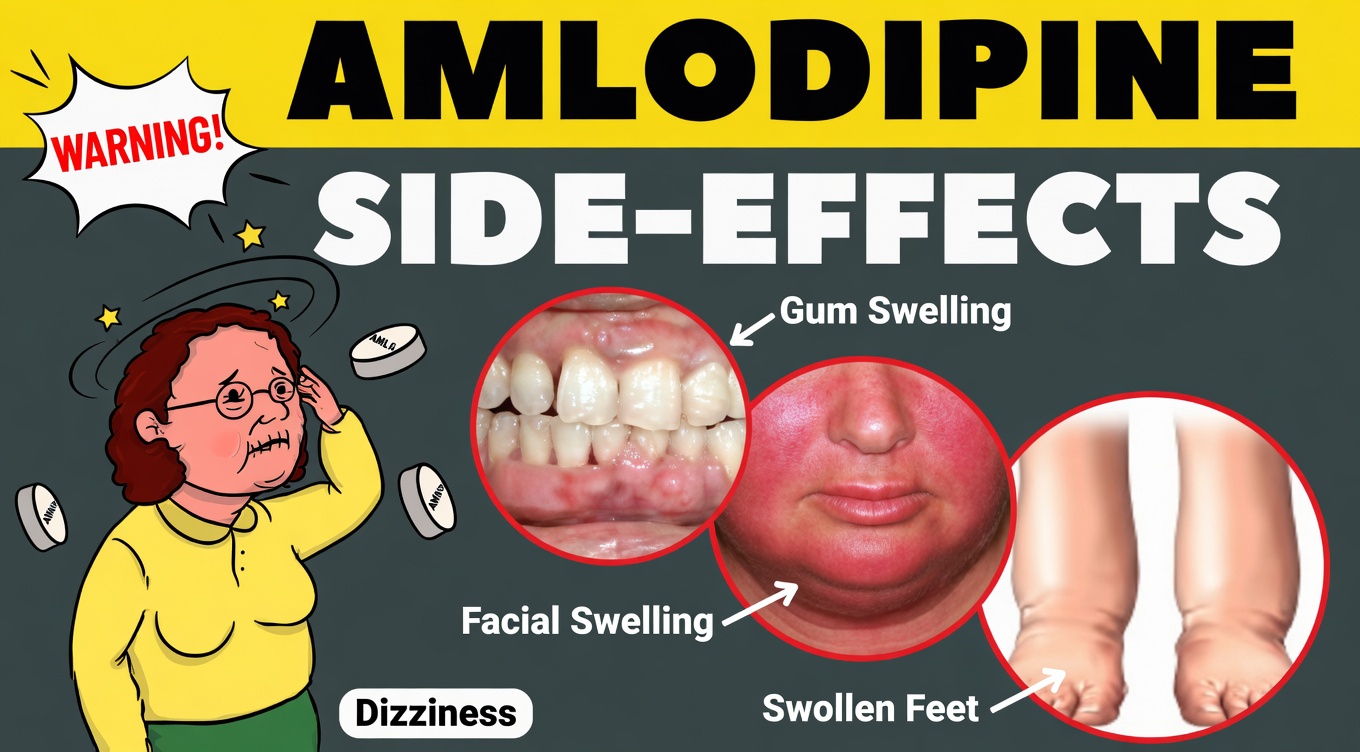
One of the most frequently reported amlodipine side effects is mild swelling in the lower legs, ankles, or feet. Many people first notice it when removing their shoes at the end of the day or seeing sock marks that seem deeper than usual. This happens because fluid can collect more easily in the lower body when blood vessels widen.
2. Facial Flushing or Warmth
A sudden feeling of heat in the cheeks or face is another common experience. Some describe it as a brief wave of warmth, almost as if body heat rises unexpectedly while resting or after eating.
3. Lightheadedness or Mild Dizziness
Standing up too quickly may trigger a short spell of dizziness. This can happen while the body is adjusting to shifts in blood pressure caused by the medication.
4. On-and-Off Fatigue
Some adults notice tiredness that comes and goes during the day, even after sleeping well. This may feel like moving more slowly than usual by mid-morning or becoming unexpectedly drained at random times.
5. Headaches
Headaches can develop, especially during the first few weeks of treatment or after a dose change. As blood flow adjusts, some people feel pressure or discomfort in the head for short periods.
6. Awareness of Heartbeat
A few people become more aware of their pulse while lying down or relaxing. This may feel like a gentle pounding or a stronger sense of the heartbeat rather than true pain.
7. Leg Heaviness or Mild Muscle Warmth
This side effect is talked about less often, but many people recognize it once it happens. During a short walk or after light activity, the legs may feel heavier than usual or mildly warm.
Quick Reference: Common Amlodipine Side Effects and When They Appear
| Amlodipine Side Effect | Why It May Happen | When You May Notice It |
|---|---|---|
| Swelling in ankles or feet | Fluid shifts after blood vessels widen | Late afternoon or evening |
| Facial flushing or warmth | Increased blood flow | After meals or while resting |
| Lightheadedness or dizziness | Temporary blood pressure drop | After standing quickly |
| Fatigue that comes and goes | Body adjusting to blood pressure changes | Mid-morning or randomly |
| Headaches | Blood flow changes in the head | Early treatment or after dose changes |
| Heartbeat awareness | Greater sensitivity to blood flow | While resting or lying down |
| Leg heaviness or muscle warmth | Increased circulation to the limbs | During or after mild activity |
This kind of simple chart can help identify patterns and make the experience of amlodipine side effects feel more understandable.
Daily Habits That May Help Improve Comfort
While these steps do not replace medical advice, many adults find that a few gentle routines can make amlodipine side effects easier to manage.
- Move lightly throughout the day to support circulation
- Drink enough water to help maintain fluid balance
- Track symptoms daily so patterns become easier to spot
- Raise the legs for a few minutes after long periods of sitting
- Stand up slowly to reduce lightheadedness
A Simple Routine Many People Use While Taking Amlodipine
A calm, consistent routine may help reduce discomfort and make side effects feel more manageable.
- Start the morning with amlodipine and a full glass of water to support hydration early in the day.
- Take a brief 10-minute walk after breakfast to encourage steady blood flow.
- Pause in the afternoon to elevate the legs while reading or watching television, especially if swelling tends to appear later in the day.
- Write down symptoms each evening in a small notebook or app to track timing and intensity.
- Finish the day with five minutes of slow breathing to promote overall relaxation and comfort.
What Research Suggests
Current research shows that most amlodipine side effects are mild and often improve as the body adapts to the medication. Understanding what is happening—and responding with simple, steady habits—can make treatment feel less overwhelming.
Trying just one helpful step, such as drinking more water or taking a short walk after the dose, may be enough for some people to notice a difference in how they feel by the end of the same day.

Frequently Asked Questions
1. Are amlodipine side effects permanent?
Usually not. Most amlodipine side effects are temporary and may lessen as the body adjusts. However, each person responds differently, so persistent symptoms should be discussed with a doctor.
2. Can amlodipine be stopped if the side effects are bothersome?
Do not stop taking amlodipine or change the dose without medical guidance. Any concerns about side effects should be reviewed with a healthcare provider so blood pressure remains safely controlled.
3. Can lifestyle habits really help with amlodipine side effects?
For many adults, simple measures such as hydration, light movement, and tracking symptoms may improve comfort. Results vary from person to person, so personalized advice from a doctor is still important.
Important Note
This article is for educational purposes only and should not be considered medical advice. Always speak with a doctor or healthcare professional about any amlodipine side effects, especially if there are concerns about swelling, dizziness, blood pressure, or any other symptoms.