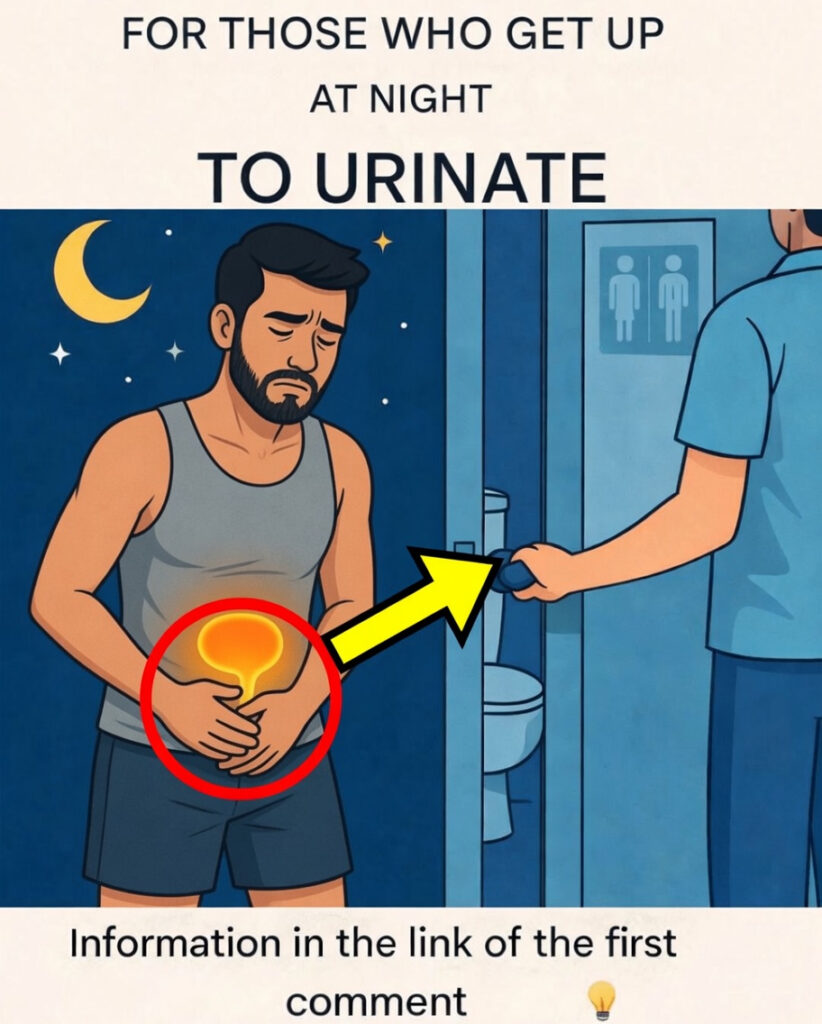
Frequent Urination in Adults: 6 Common Reasons You May Need to Pee More Often
Many adults find themselves going to the bathroom far more often than usual. The sudden urge to urinate can interrupt work, disturb travel, and break up sleep, leaving you tired, distracted, and uncomfortable throughout the day. Over time, frequent urination can chip away at confidence, affect social plans, and make even short outings feel inconvenient.
That is why so many people want to understand the common causes of frequent urination. In many cases, the reason is not mysterious or extreme. In fact, a few everyday factors may be behind it, and some simple adjustments could make a real difference.
Why Frequent Urination Happens
If you have been asking yourself why you seem to urinate so often during the day or overnight, you are not alone. Frequent urination, sometimes referred to as pollakiuria, is very common in adults. It is often linked to daily habits, mild physical changes, or manageable health issues rather than one major problem.
For people who constantly feel the need to use the bathroom, this pattern can gradually affect comfort, focus, and energy. The encouraging part is that many causes of frequent urination can be identified by paying attention to your routine, your symptoms, and when the problem tends to happen.
1. Drinking Too Much Fluid
One of the simplest explanations for frequent urination is taking in more liquids than your body needs, especially if those fluids include caffeine. Coffee, tea, soft drinks, and some energy drinks can act as diuretics, meaning they encourage the body to produce more urine.
When you drink more, your kidneys have to filter and remove that extra fluid, which naturally leads to more trips to the bathroom. If you recently increased your water intake for fitness or health reasons, that alone may explain why you are urinating more often.
The goal is not to cut fluids too sharply. Instead, aim for a healthy balance. Small changes in how much and what you drink can sometimes reduce frequent urination without affecting hydration.

2. Urinary Tract Infection
A urinary tract infection, or UTI, is another common reason people suddenly feel the need to urinate more often. When bacteria irritate the bladder, it can create a strong urge to urinate even when the bladder is not full.
In many cases, frequent urination is one of the first signs people notice. Both women and men can experience UTIs, and symptoms may appear after certain activities or during times when the body is more vulnerable.
Prompt medical attention can help prevent symptoms from getting worse. While healthy habits may support recovery, ongoing bladder irritation should be evaluated by a healthcare professional.
3. Diabetes Mellitus
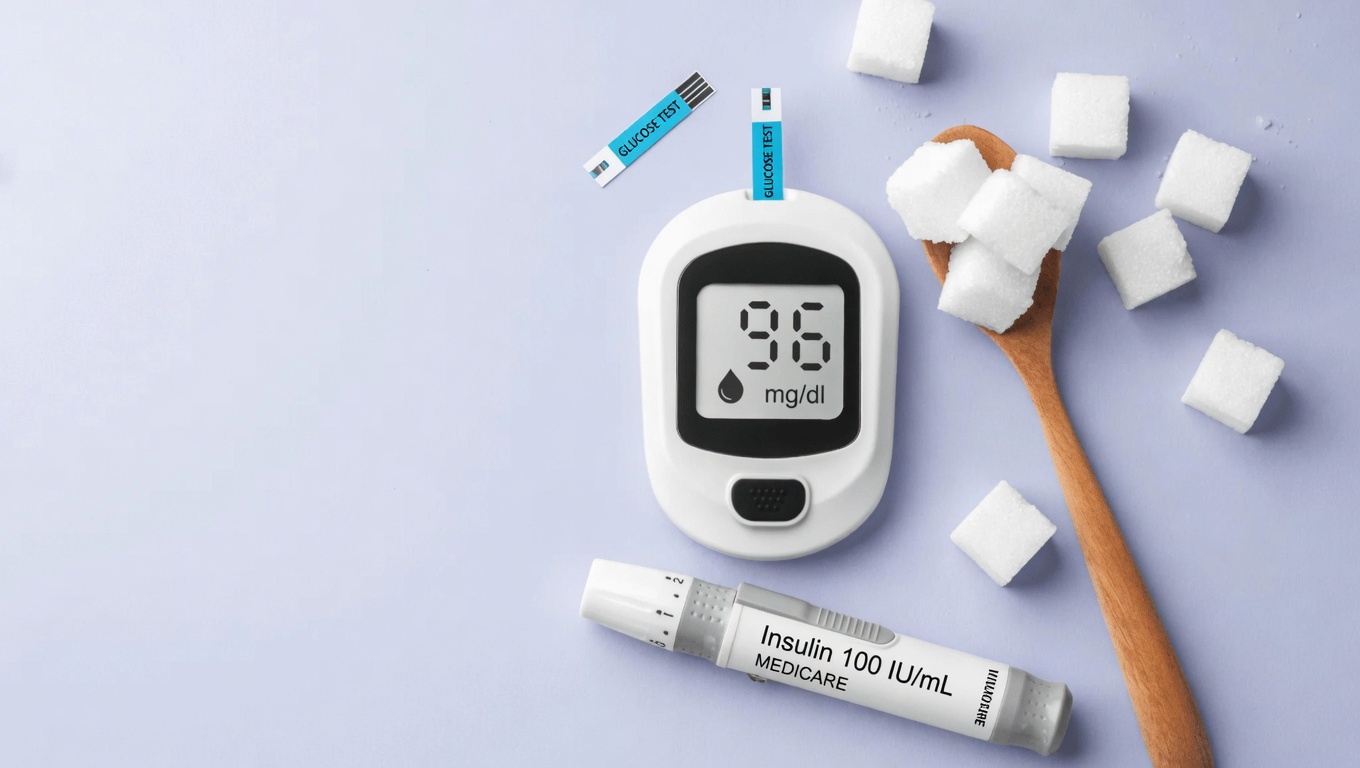
Frequent urination can also be a sign of diabetes mellitus. When blood sugar levels rise too high, the kidneys work harder to remove excess glucose through urine. This increases the amount of urine your body produces and can make you feel like you need to go constantly.
Many people with undiagnosed diabetes first notice that they are urinating more than usual, often along with increased thirst. Over time, improving blood sugar control through lifestyle changes and medical care can help reduce this symptom.
Because frequent urination may be an early warning sign, it is important not to ignore it if it happens along with unusual thirst, fatigue, or other changes in health.
4. Diabetes Insipidus
Although it sounds similar, diabetes insipidus is a different condition from diabetes mellitus. It is related to a problem with antidiuretic hormone, which helps the body regulate fluid balance. When this hormone is not working properly, the kidneys cannot concentrate urine the way they should.
As a result, the body produces large amounts of very dilute urine, causing frequent urination during both the day and the night. This can feel relentless because the issue is tied directly to fluid regulation.
Even though diabetes insipidus is less common, it shows that hormonal imbalance can play a major role in urinary frequency. Paying attention to patterns in thirst and urine output can help guide the next steps.
5. Prostate Problems in Men
In men, an enlarged prostate is a frequent cause of needing to urinate more often. As the prostate grows, it can press against the urethra and make it harder for the bladder to empty completely.
This may create the feeling that you need to go again shortly after using the bathroom. The issue often becomes more noticeable after age 50 and can interfere with sleep and general comfort.
Regular check-ups are helpful, especially if nighttime urination is increasing or the bladder never feels fully empty. Early attention can make prostate-related urinary symptoms easier to manage.

6. Stress and Anxiety
Emotional stress can affect the bladder more than many people realize. Anxiety and tension activate the nervous system, which can make the bladder feel more sensitive and trigger the urge to urinate even when there is not much urine present.
This can create a frustrating cycle: stress increases urinary urgency, and worrying about the next bathroom trip makes the tension even worse. Many adults notice that they urinate more often during busy, high-pressure periods at work or at home.
Relaxation techniques, better sleep, and stress management strategies may help calm this response. For some people, addressing mental strain is just as important as reviewing physical causes.
What to Do If You Notice Frequent Urination
If frequent urination has become a regular problem, a few practical steps can help you understand what is going on and decide when to seek medical advice.
- Track your drinks: Write down how much you drink and what types of beverages you have each day.
- Watch for patterns: Note when frequent urination happens most, such as at night, after caffeine, or during stressful situations.
- Book a check-up: If the problem continues or comes with pain, thirst, or fatigue, speak with a doctor.
- Reduce stress: Try deep breathing, short walks, or other calming habits if anxiety seems to trigger the urge.
- Stay physically active: Light daily movement supports general health and may improve bladder function over time.
- Change one habit at a time: Small, gradual adjustments make it easier to see what actually helps.
Many people also notice improvement when they combine these steps with regular sleep and balanced meals.
Common Questions About Frequent Urination
How often is too often to urinate?
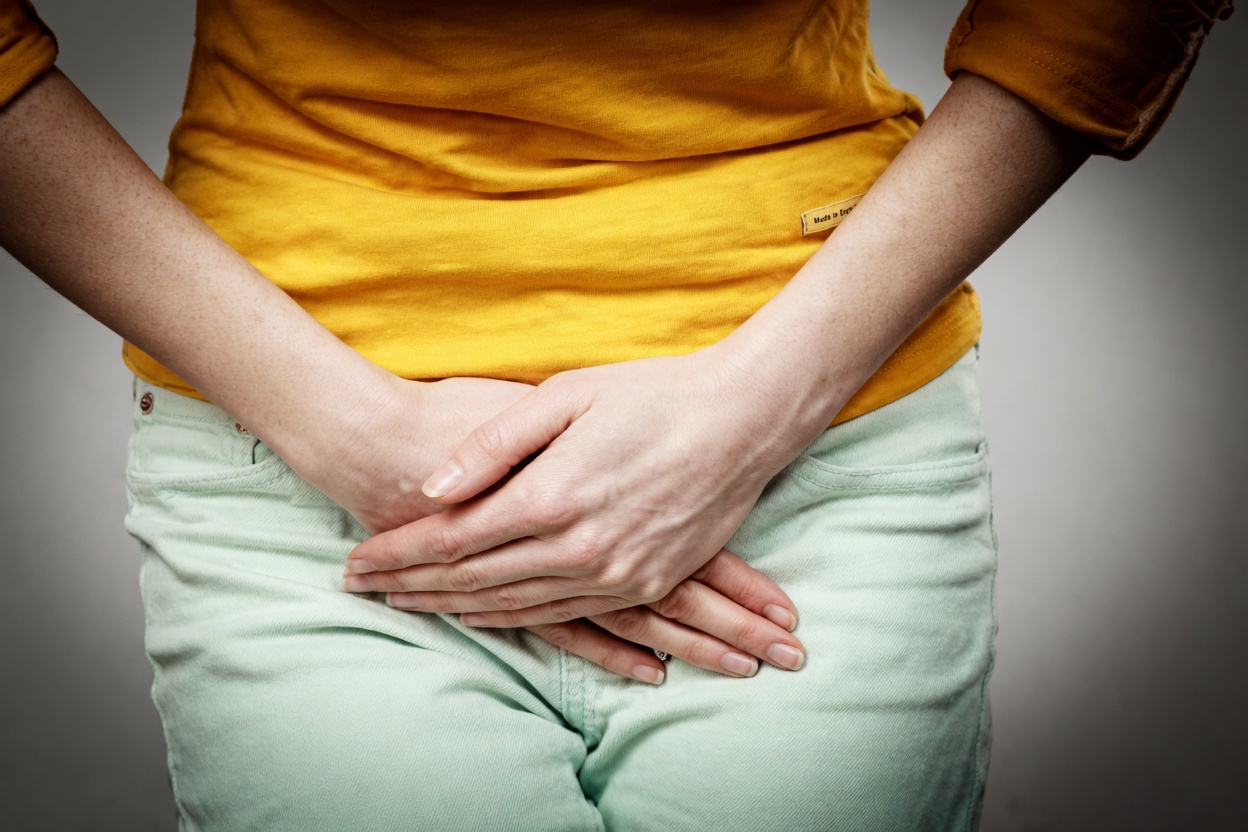
Most adults urinate around 6 to 8 times per day. If you are going much more often on a regular basis, it may be worth looking into the cause.
Can frequent urination go away by itself?
Sometimes, yes. If the cause is temporary, such as drinking more fluids than usual or going through a stressful period, the problem may improve with simple changes. If it keeps happening, medical guidance is a better option.
When should you see a doctor?
You should speak with a healthcare provider if frequent urination is persistent, affects your sleep, causes pain, or appears along with extreme thirst, tiredness, or other unusual symptoms.
Final Thoughts on Managing Frequent Urination
Frequent urination is often caused by one of several common issues rather than an unknown mystery. Extra fluid intake, urinary infections, diabetes, hormonal imbalance, prostate changes, and stress can all play a role.
Understanding why you are urinating so often gives you the chance to make useful, realistic changes. Whether that means adjusting your fluid habits, managing stress, or scheduling a medical check-up, small actions can lead to greater comfort and confidence in daily life.
The most important step is consistency. Pay attention to your body, keep track of patterns, and do not hesitate to discuss ongoing symptoms with your doctor. With the right approach, frequent urination can become much easier to manage.