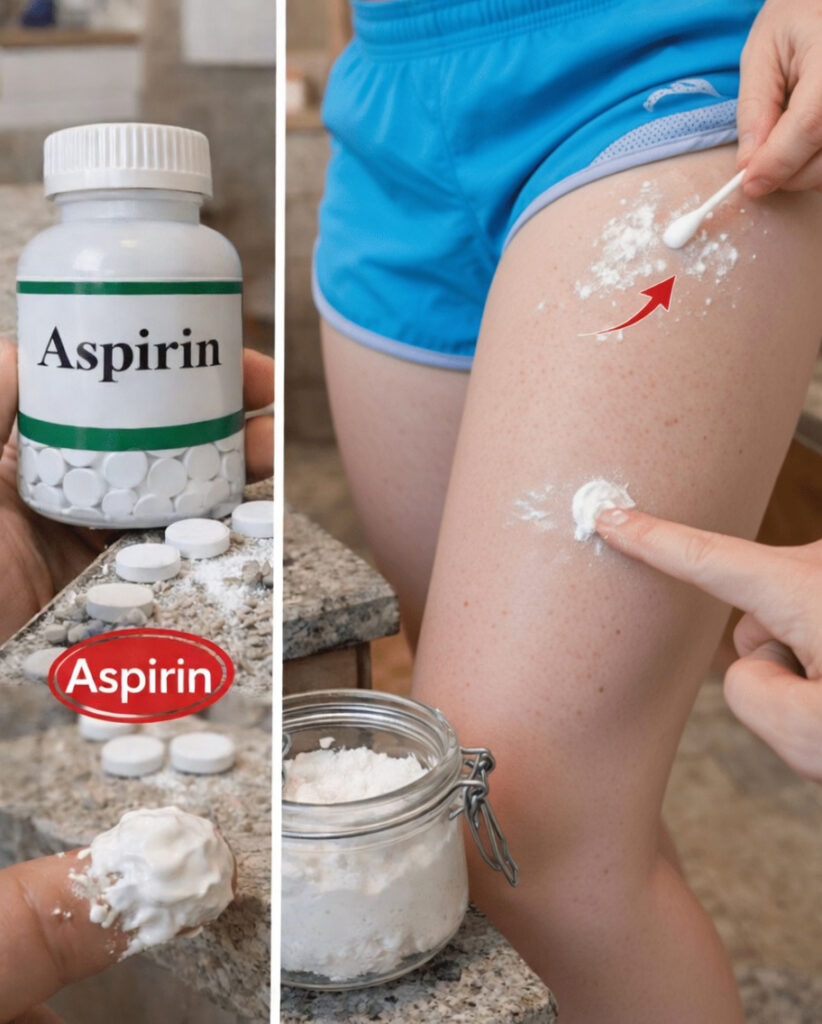
A Surprisingly Simple Use for Aspirin at Home
Maybe you’ve noticed tiny rough bumps on your skin, a persistent dullness, or small marks that make you feel uncomfortable when someone stands too close. That can be discouraging, especially after trying multiple products that feel expensive, complicated, or hard to maintain.
Sometimes, the answer is not a miracle product at all. It may be a basic item already sitting in your home cabinet.
A Gentle Exfoliation Method with Aspirin Paste
One overlooked idea is using plain aspirin as a mild exfoliating aid. Aspirin contains a compound related to salicylic acid, an ingredient widely used in skincare to help remove dead skin buildup.
That said, this is not meant to replace your regular skincare routine. It should only be used occasionally and with care.
Why people use it
Dermatology research has shown that salicylic-related ingredients may help loosen surface buildup from dead skin cells. For that reason, some people try a diluted aspirin paste on rough areas as a light exfoliation option.
How to try it safely at home
- Crush 2 to 3 plain aspirin tablets.
- Add a few drops of water until a paste forms.
- Apply a thin layer to rough patches only.
- Leave it on for 5 to 10 minutes.
- Rinse off with lukewarm water.
Important precautions
- Do not apply it to broken, inflamed, or highly sensitive skin.
- Always patch test on a small area first.
- Use it no more than once a week.
This is not an instant fix. The goal is gentle, consistent care rather than aggressive treatment.
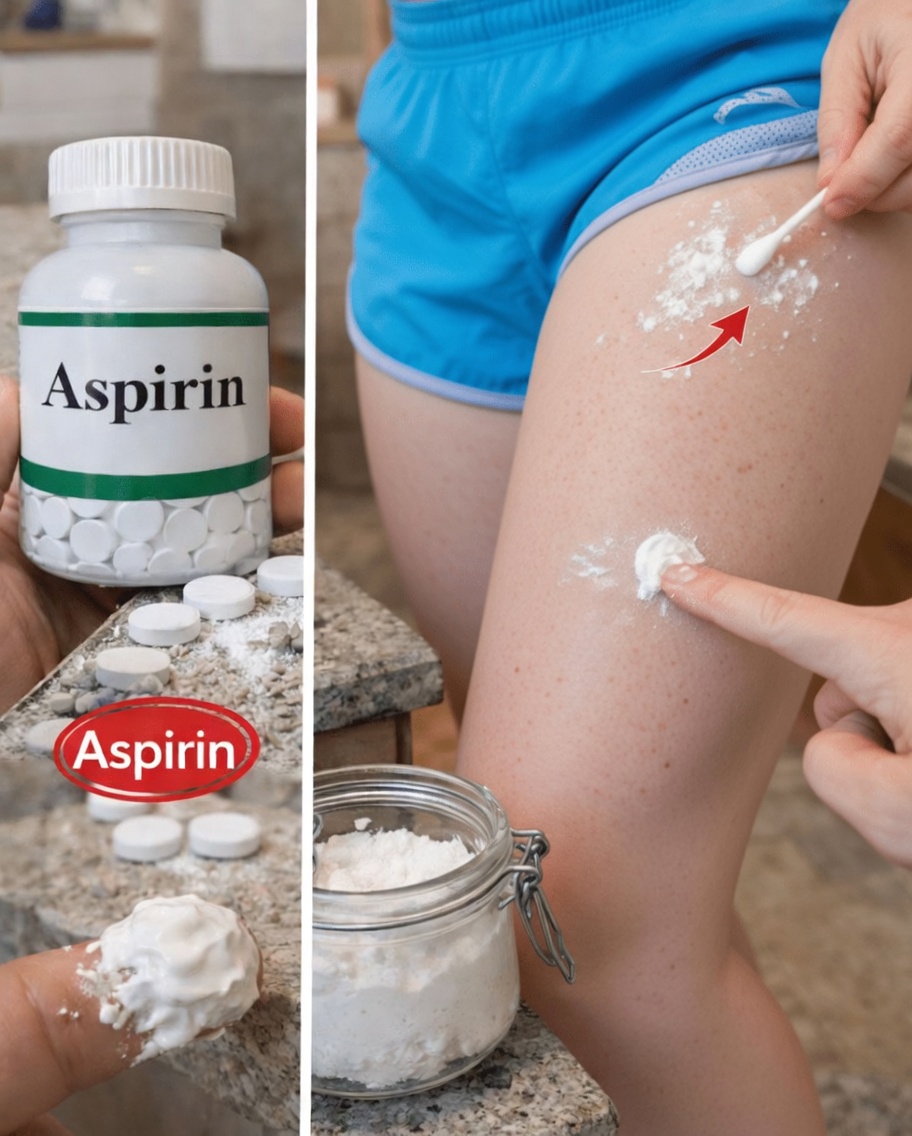
Aspirin for Foot Care and Dry Heels
Another common concern, especially among older adults, is rough, cracked, or dry heels. Many people feel embarrassed about showing their feet or wearing open shoes, but this issue is extremely common.
Why this home remedy is popular
Some DIY foot care routines use crushed aspirin with warm water or lemon juice to help soften thick, dry skin.
A simple foot-soaking routine
- Crush 4 to 5 aspirin tablets.
- Mix them with warm water and a small amount of lemon juice.
- Soak your feet for 10 to 15 minutes.
- Gently rub the area with a towel or pumice stone.
Foot care methods compared
| Method | Cost | Effort | Frequency | Notes |
|---|---|---|---|---|
| Salon treatment | High | Low | Monthly | Professional-level results |
| Foot cream | Medium | Low | Daily | Requires regular use |
| Aspirin soak | Low | Medium | Weekly | Mild supportive option |
In many cases, consistency matters more than intensity.
A Simple DIY Mask to Improve the Look of Dull Skin
Have you ever looked in the mirror and felt your skin appeared tired even after a full night’s sleep? One possible reason is a buildup of dead skin cells on the surface.
A common aspirin-and-honey blend
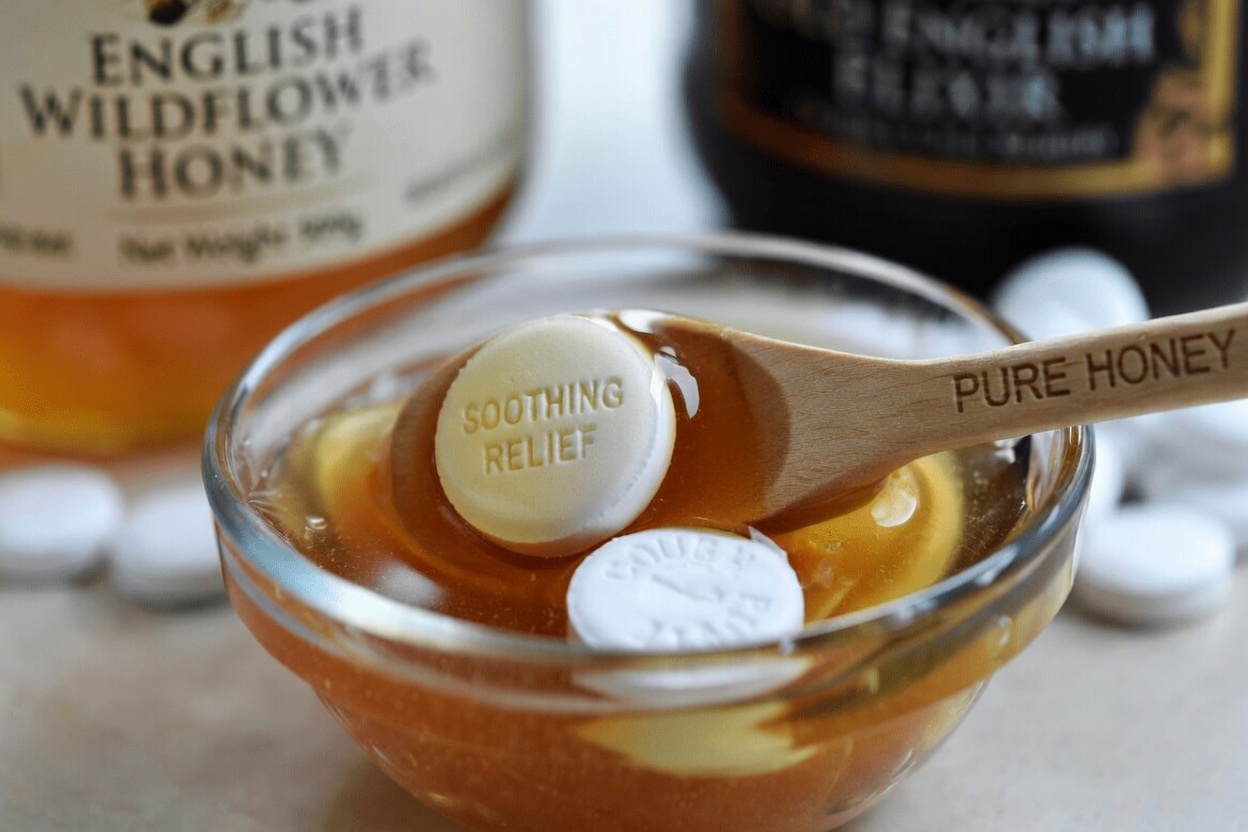
Some people mix aspirin with honey to create a mild face mask.
- 2 crushed aspirin tablets
- 1 teaspoon of honey
- Mix until smooth
- Apply a thin layer for 10 minutes
Why honey is included
Honey can help hold moisture in the skin and may reduce some of the dryness that aspirin can cause.
Realistic expectations
- Skin may feel softer for a short time
- The complexion may appear fresher
- Results can vary depending on the person
You should not expect dramatic overnight changes. At best, this is a mild support for smoother-feeling skin over time.
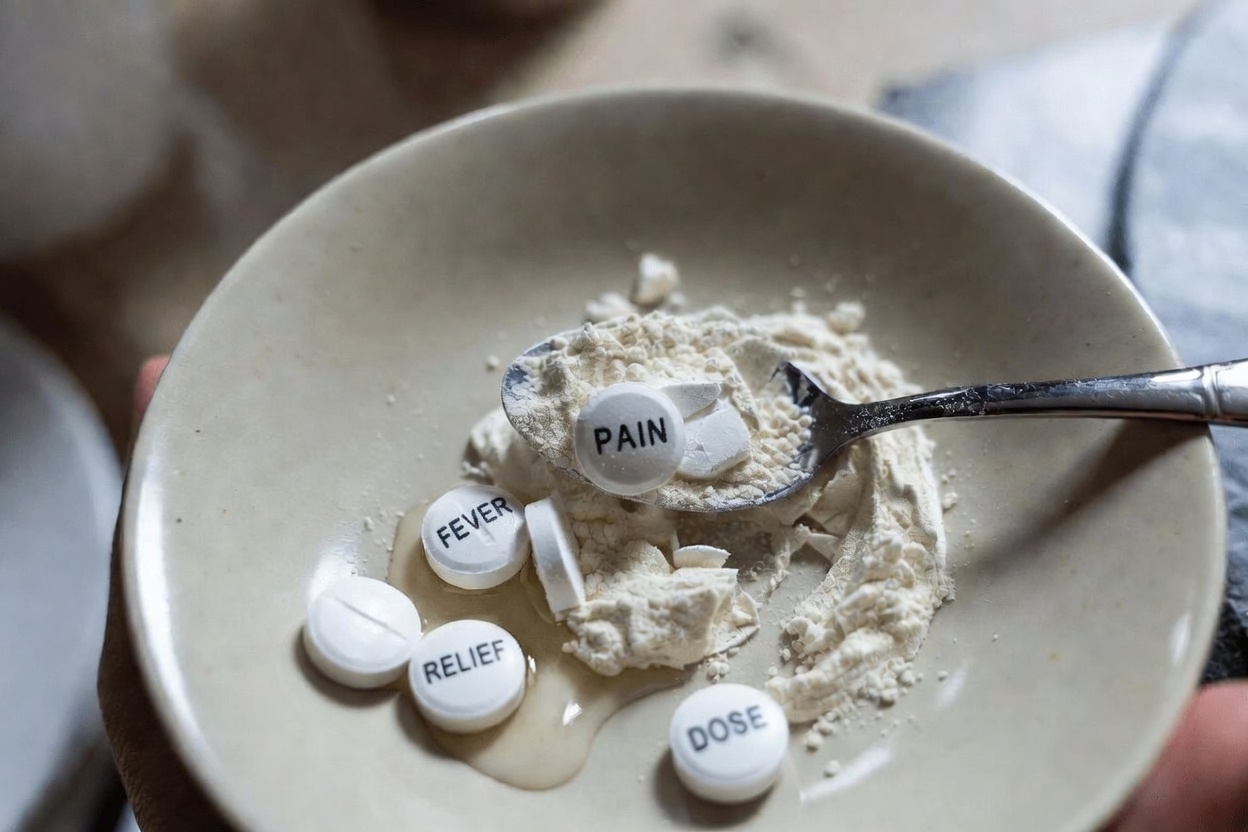
Using Crushed Aspirin for Small Household Cleaning Jobs
Aspirin is not only mentioned in personal care routines. Some people also use it for minor cleaning tasks around the house.
Areas where it may be useful
- Light sink stains
- Mild surface buildup
- Small marks on glass
How to use it
- Crush the tablets into a fine powder.
- Add a little water to make a paste.
- Apply it to the stained spot.
- Gently scrub with a soft cloth.
This should not replace proper cleaning products for serious messes. Still, for small touch-ups, it can be a practical backup.
Soothing Mild Skin Discomfort from Everyday Irritation
After gardening, walking outside, or doing chores, your skin may sometimes feel mildly irritated. That kind of everyday discomfort can be annoying and distracting.
Why some people try aspirin paste
Because aspirin has anti-inflammatory properties, some people use a diluted paste for temporary soothing on minor areas of irritation.
A basic method
- Crush 1 to 2 tablets.
- Mix with a little water.
- Apply lightly to the affected area.
- Leave it on briefly, then rinse.
Safety reminders
- Never use it on open cuts or wounds.
- Keep it away from delicate or highly sensitive areas.
- Stop immediately if the irritation worsens.
Your skin should be treated carefully, not used for random experiments.
Practical Tips You Can Use Right Away
If you want to try any of these methods, keep things simple.
- Always do a patch test first.
- Use only plain aspirin without added coatings when possible.
- Limit DIY use to once or twice a week at most.
- Support your skin with hydration and a proper skincare routine.
- Do not combine too many home remedies at the same time.
Small, repeatable habits usually work better than complicated routines that are hard to maintain.
Conclusion
Sometimes the most ordinary items at home can have small, useful applications. When used carefully, aspirin may provide light support for minor skincare concerns or simple household tasks. However, it is not a miracle cure, and it should never replace proper treatment or professional guidance.
In the end, the real difference does not come from one ingredient alone. It comes from how gently, consistently, and thoughtfully you care for your body and daily habits.
FAQ
Can aspirin replace my regular skincare products?
No. It may offer mild, occasional support, but it is not a substitute for a complete skincare routine.
Is aspirin safe for sensitive skin?
Not always. You should test a small area first and avoid use if your skin reacts badly.
How often should these methods be used?
For most people, once a week is enough to avoid overuse and irritation.
Disclaimer
This article is for informational purposes only and is not a substitute for professional medical advice. Always speak with a qualified healthcare provider before trying any new health or skincare practice.