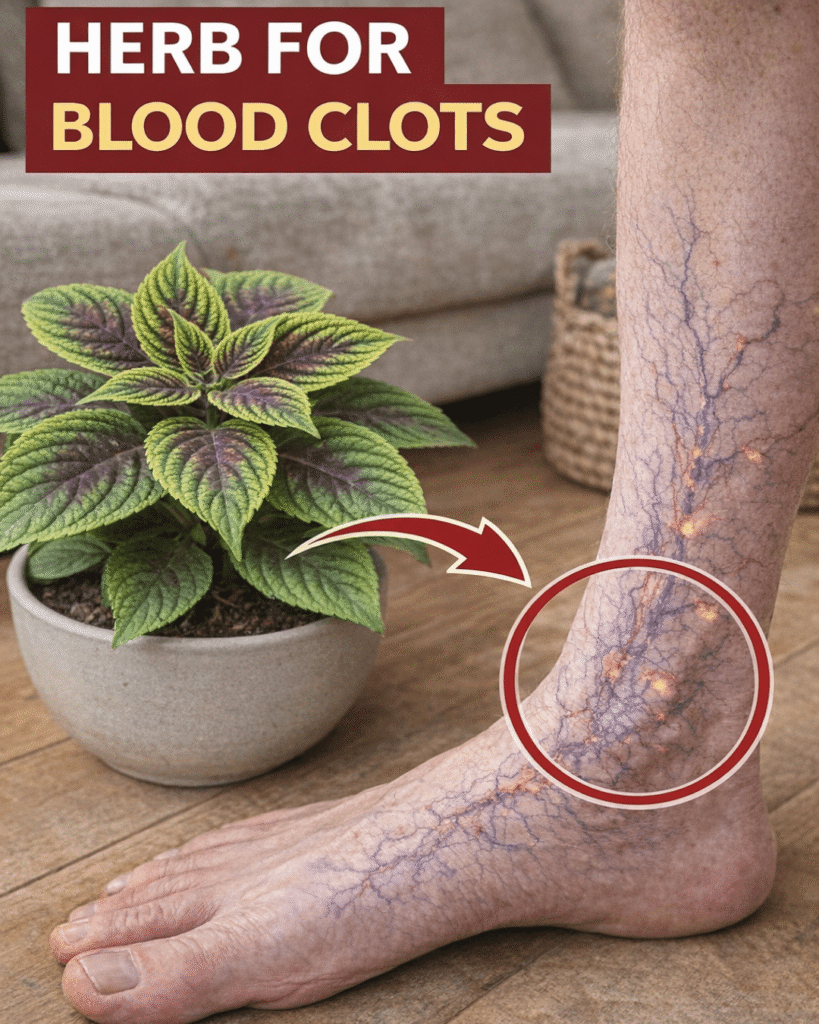
Heavy Legs and Poor Circulation: Natural Ways to Support Comfort and Blood Flow
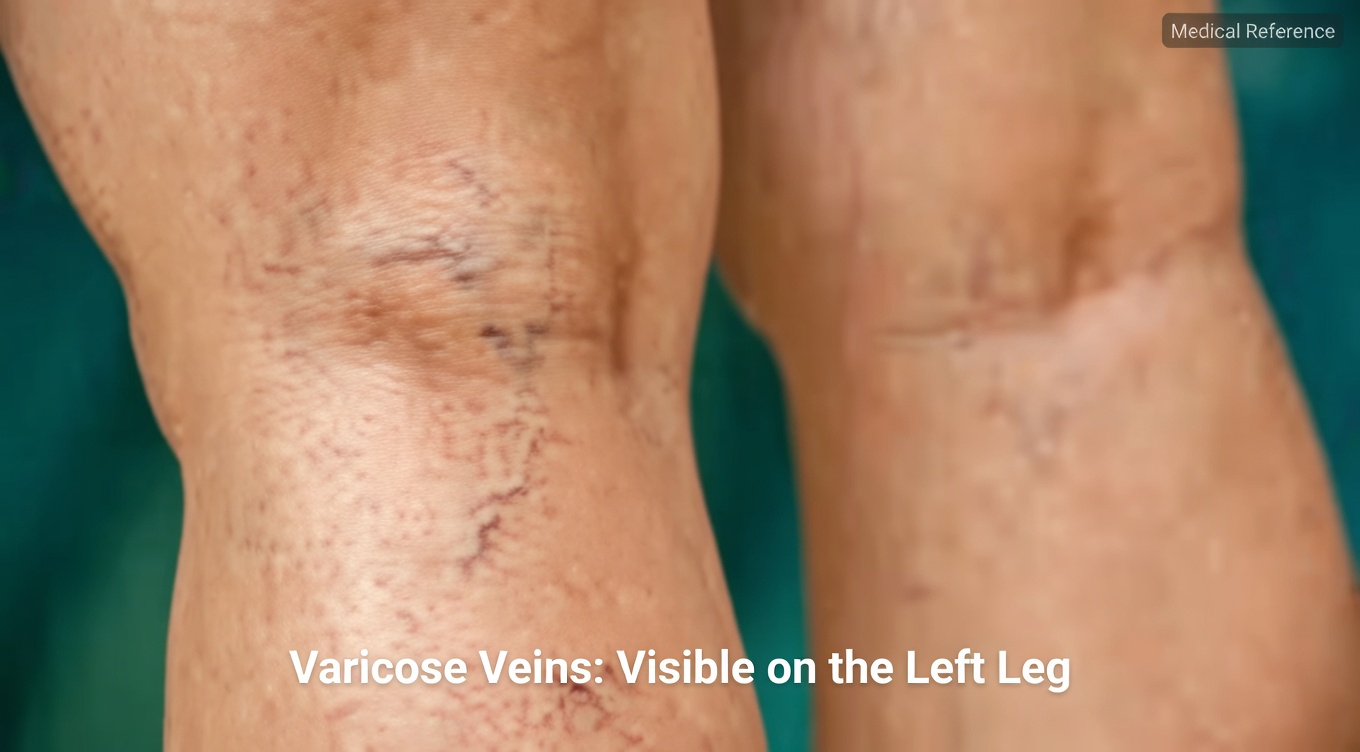
After a long day, that dragging sensation in your legs can make even a relaxing evening walk feel exhausting. Swollen ankles, visible veins, and a persistent feeling of heaviness are often dismissed as a normal part of getting older. But for many people, these symptoms bring more than physical discomfort. They can lead to frustration, embarrassment about wearing certain shoes, and even trouble resting at night.
Over time, heavy legs and poor circulation can quietly affect your mobility, energy levels, and overall mood more than you may realize.
The good news is that some traditional herbs have long been used to gently support vascular health when combined with healthy daily habits. And there is one often-overlooked detail that can make a major difference for heavy legs and poor circulation, which we’ll cover later.
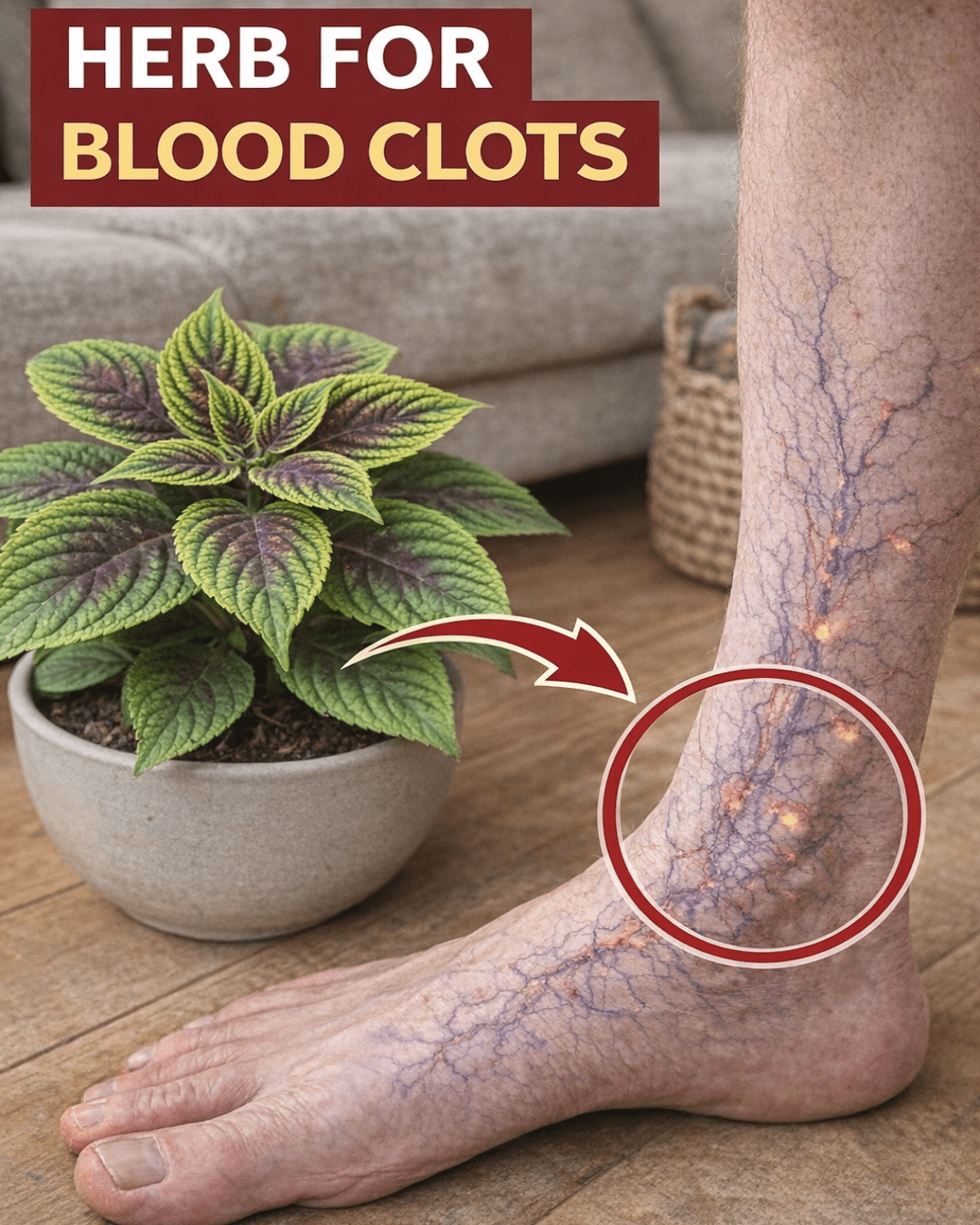
Why Heavy Legs and Poor Circulation Become More Noticeable With Age
As the body changes over the years, the circulatory system may not work as efficiently as it once did. Veins in the legs have the difficult task of moving blood upward against gravity every day. Over time, that constant effort can contribute to the sensation of heaviness and fatigue in the lower body.
The impact is not only physical. Many people with heavy legs and poor circulation begin avoiding social outings, feeling uncomfortable in sandals, or skipping activities they once enjoyed. It can slowly take away the ease and comfort of daily life.
Still, aging is only part of the story.
Your everyday routine also plays an important role, and recognizing those habits is often the first step toward feeling better.
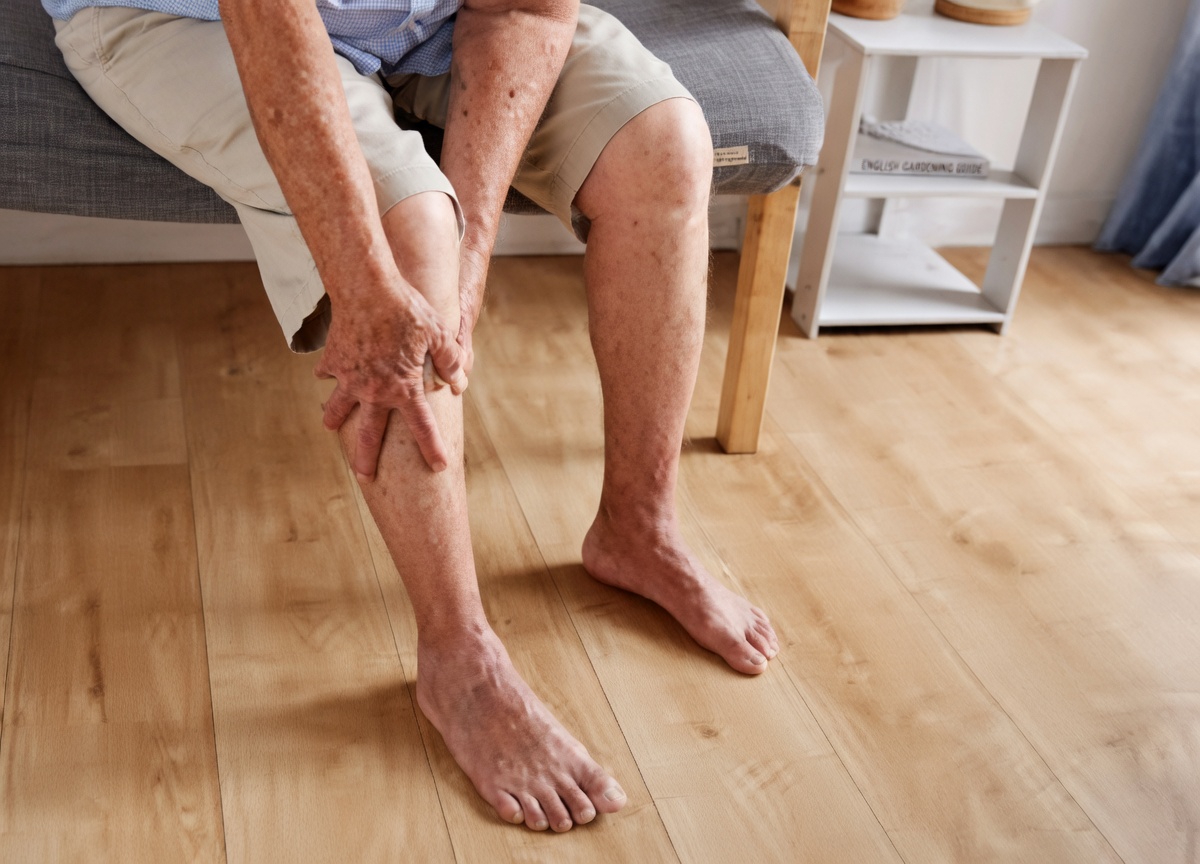
Common Habits That Can Make Heavy Legs and Poor Circulation Worse
Certain daily behaviors can increase pressure on the lower body and make symptoms more noticeable.
- Sitting for long periods at a desk
- Standing for hours without moving
- Carrying excess body weight
- Not getting enough physical activity
- Eating too much salt and processed food
- Drinking too little water
- Crossing your legs for extended periods
These patterns can encourage fluid retention, slow healthy blood flow, and intensify that tired, weighted-down feeling in your legs. For many adults, especially after 40 or 50, the natural aging of blood vessels can make these effects even more obvious.
Habits That Help vs. Habits That Aggravate Symptoms
| Habits That May Support Relief | Habits That May Worsen Symptoms |
|---|---|
| Walking 20–30 minutes each day | Sitting or standing too long |
| Drinking enough water | Eating salty snacks frequently |
| Choosing fresh fruits and vegetables | Relying on ultra-processed foods |
| Elevating your legs while resting | Crossing your legs for long periods |
Even small adjustments in these areas can help reduce the burden of heavy legs and poor circulation.
Traditional Herbs That May Support Circulation
Across Latin America and many other regions, herbal traditions have included plants believed to support vascular comfort and healthy blood flow. These herbs are not miracle solutions, but they may serve as helpful additions to a balanced wellness routine.
Rosemary
Rosemary has a fresh, earthy aroma and a long history in traditional wellness practices associated with circulation support. Many people find it refreshing and energizing as part of their daily routine.
When used consistently and thoughtfully, rosemary may help make heavy legs and poor circulation feel a little easier to manage.
Garlic
Garlic contains naturally occurring compounds that have been studied for their potential role in supporting normal blood flow. Since it is already a staple in many kitchens, it can be one of the simplest herbs to include in everyday life.
Adding garlic to meals may feel like a practical and empowering step when you are trying to ease the discomfort of heavy legs and poor circulation.
Ginger
Ginger is widely valued in herbal traditions for its warming properties. That gentle warmth is often linked with circulation support and may help ease the discomfort associated with tired, heavy legs.
Many people appreciate ginger for the soothing sensation it can bring throughout the day.
Ginkgo Biloba
Ginkgo biloba has long been associated with vascular wellness. Its compounds are frequently discussed in relation to healthy circulation and blood flow support.
For those looking for a more natural approach, ginkgo biloba is often considered part of a broader strategy for improving comfort and mobility.
What matters most is this: these herbs tend to work best when they are part of a larger lifestyle approach, not when used as the only solution.
How to Make a Simple Herbal Infusion at Home
Preparing an herbal infusion is an easy way to explore these plants safely and gently.
- Bring 1 cup of water to a light boil.
- Add the fresh or dried herb of your choice.
- Let it steep for 5 to 10 minutes.
- Strain the liquid.
- Drink while warm.
A few important tips:
- Start with one herb at a time.
- Use moderate amounts rather than large servings.
- Be consistent instead of overdoing it.
- Speak with a healthcare professional if you have any medical condition or take medication.
When it comes to herbs for heavy legs and poor circulation, steady use in moderation is generally more helpful than taking too much at once.
What Research Says About Herbs and Circulation Support
Studies have explored garlic, ginger, rosemary, and ginkgo biloba for their possible benefits related to vascular function and healthy blood flow. Some research highlights antioxidant properties and mild circulation-supporting effects.
This evidence gives these traditional herbs some scientific relevance, especially for people interested in natural support options.
Even so, research also makes one thing clear: herbs should be viewed as supportive tools, not substitutes for medical care when heavy legs and poor circulation become more serious.
Simple Daily Actions That Can Help You Feel Lighter
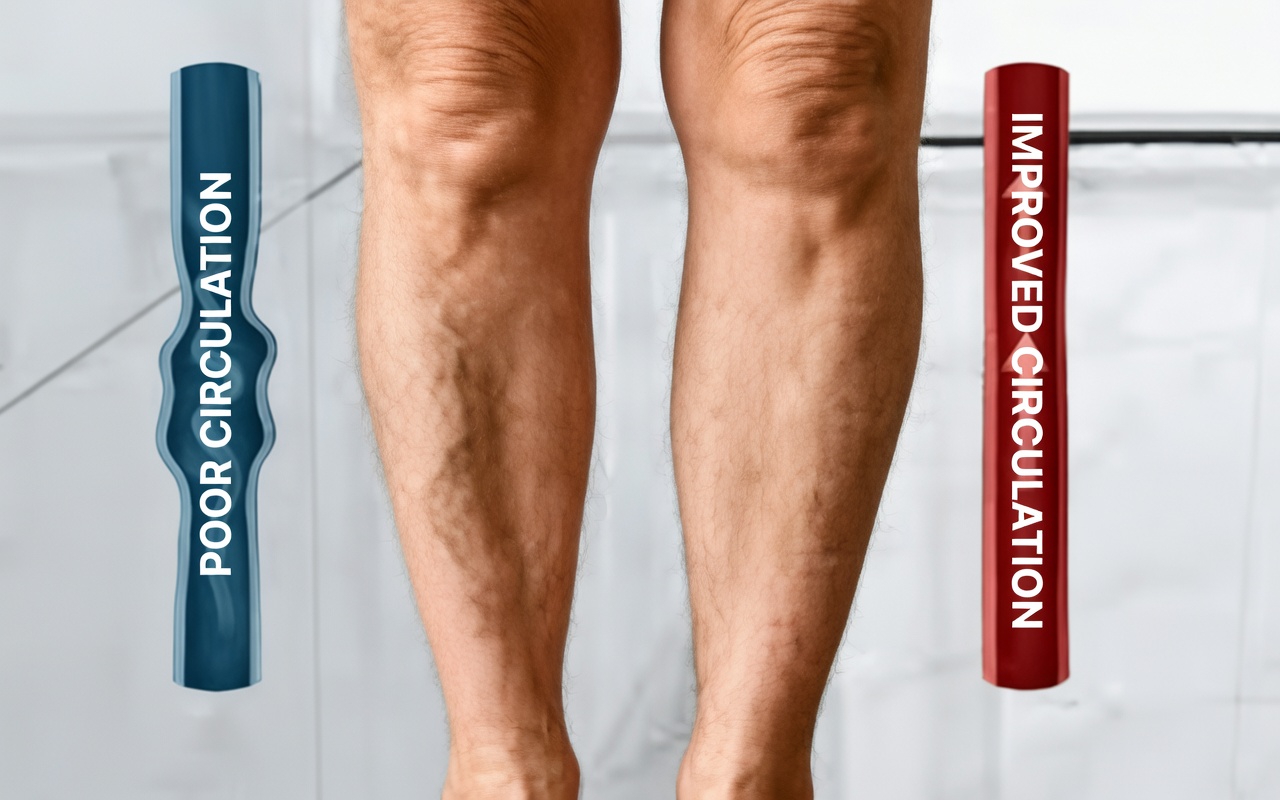
If you want to reduce the discomfort of heavy legs and poor circulation, these practical habits can work very well alongside herbal support:
- Walk at a comfortable pace for 20 to 30 minutes each day.
- Avoid sitting or standing in one position for too long.
- Do not keep your legs crossed for extended periods.
- Elevate your legs for 10 to 15 minutes when resting.
- Drink enough water throughout the day.
- Include more fresh fruits and vegetables in your meals.
These small actions are easy to start and can have a meaningful impact over time.
And here is the key point many people overlook:
No single herb, tea, or trick usually makes the biggest difference. The real benefit often comes from combining several healthy habits consistently.
Bringing It All Together
Managing heavy legs and poor circulation does not have to be complicated or expensive. A thoughtful routine that includes traditional herbs, regular movement, hydration, and balanced meals can provide gentle support for your vascular wellness.
You deserve to move through the day with more comfort, confidence, and ease rather than constantly feeling weighed down by your legs.
Frequently Asked Questions About Heavy Legs and Poor Circulation
Can herbs alone solve heavy legs and poor circulation?
Herbs may provide supportive benefits, but they are usually most effective when paired with lifestyle improvements and professional medical guidance.
How often can I drink herbal infusions for circulation support?
Many people choose to enjoy 1 cup per day, but it is best to check with a healthcare provider first, especially if you have an existing health condition.
Are there precautions when using herbs for heavy legs and poor circulation?
Yes. Always consult a healthcare professional before using herbs regularly, especially if you are pregnant, nursing, taking medication, or managing a chronic condition.