Tiny Seeds and Nuts That Can Support Healthy Aging After 60
As you move through your 60s and later years, common concerns like inflammation, oxidative stress, and a less responsive immune system can begin to affect everyday life. Simple pleasures such as spending time with grandchildren or enjoying a quiet afternoon outside may feel less relaxing when low energy and health worries start to build.
These issues often become more noticeable after age 50, when the body’s natural protective systems gradually slow down. The encouraging part is that nutrition can still offer practical support. Certain small seeds, grains, and nuts provide an easy, food-based way to strengthen your wellness routine without adding anything complicated.
What makes this especially interesting is that researchers continue to point to six modest, everyday options that may offer meaningful benefits.
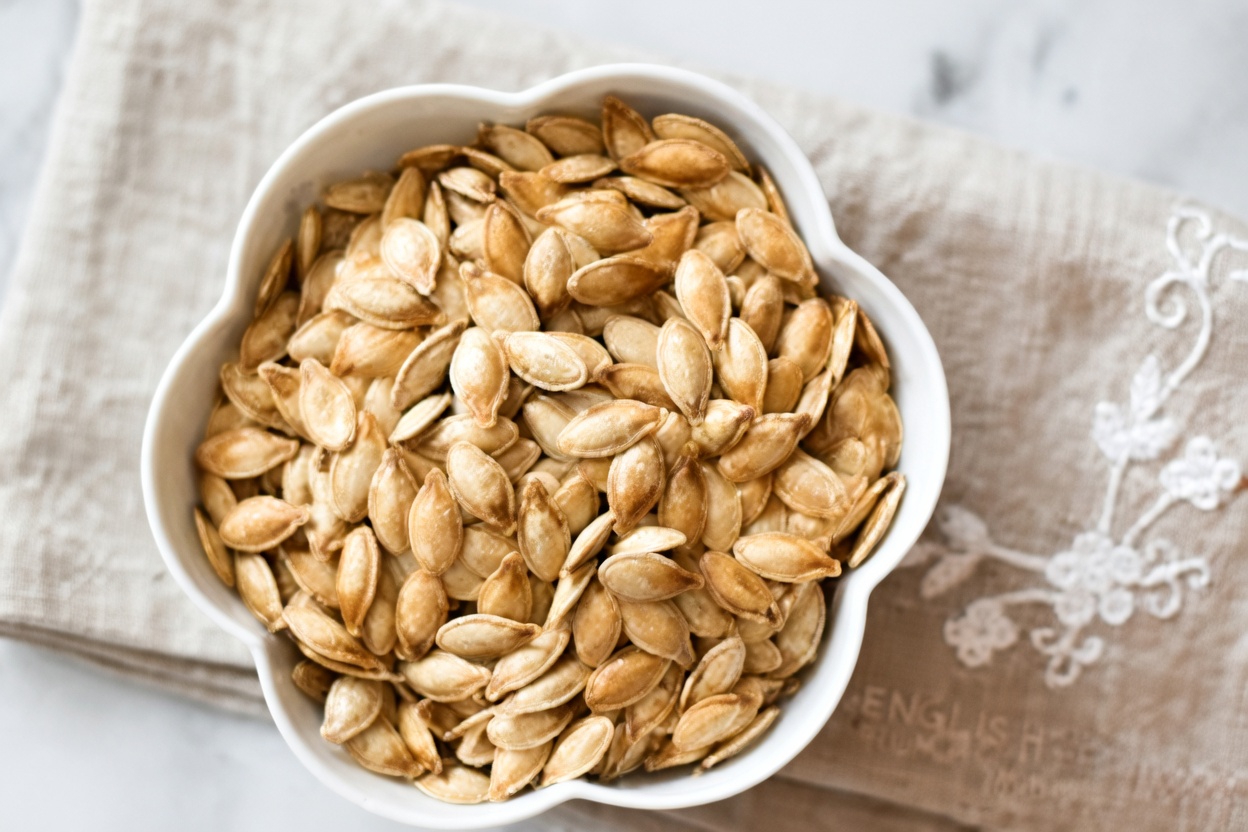
1. Pumpkin Seeds for Prostate Health and Immune Defense
If you have ever discarded pumpkin seeds after carving a pumpkin, it may be time to look at them differently. These small seeds are packed with nutrients that are especially valuable as you age.
A one-ounce serving provides close to half of the daily zinc many older adults need. Zinc plays an important role in supporting prostate health and helping immune cells function properly. Pumpkin seeds also contain magnesium, vitamin E, and plant sterols, which may help the body manage day-to-day inflammation.
For older adults dealing with fatigue or frequent health concerns, this can be a simple addition that supports overall vitality.
Easy way to use them:
- Roast lightly at 300°F for about 10 minutes
- This keeps the texture crisp while helping preserve nutrients
2. Almonds as a Daily Source of Antioxidant Protection
Oxidative stress is one of the hidden challenges of aging. It can contribute to lower energy, more wear on the body, and a greater need for medical care over time. Almonds are one of the richest natural sources of vitamin E, an antioxidant that helps protect cells from free radical damage.
Research reviews have found that people who eat around one ounce of almonds per day often show lower levels of oxidative stress markers. That matters for adults over 60 who want a simple food habit that supports cellular health.
Almonds are easy to include in the morning and require very little effort.
Best way to enjoy them:
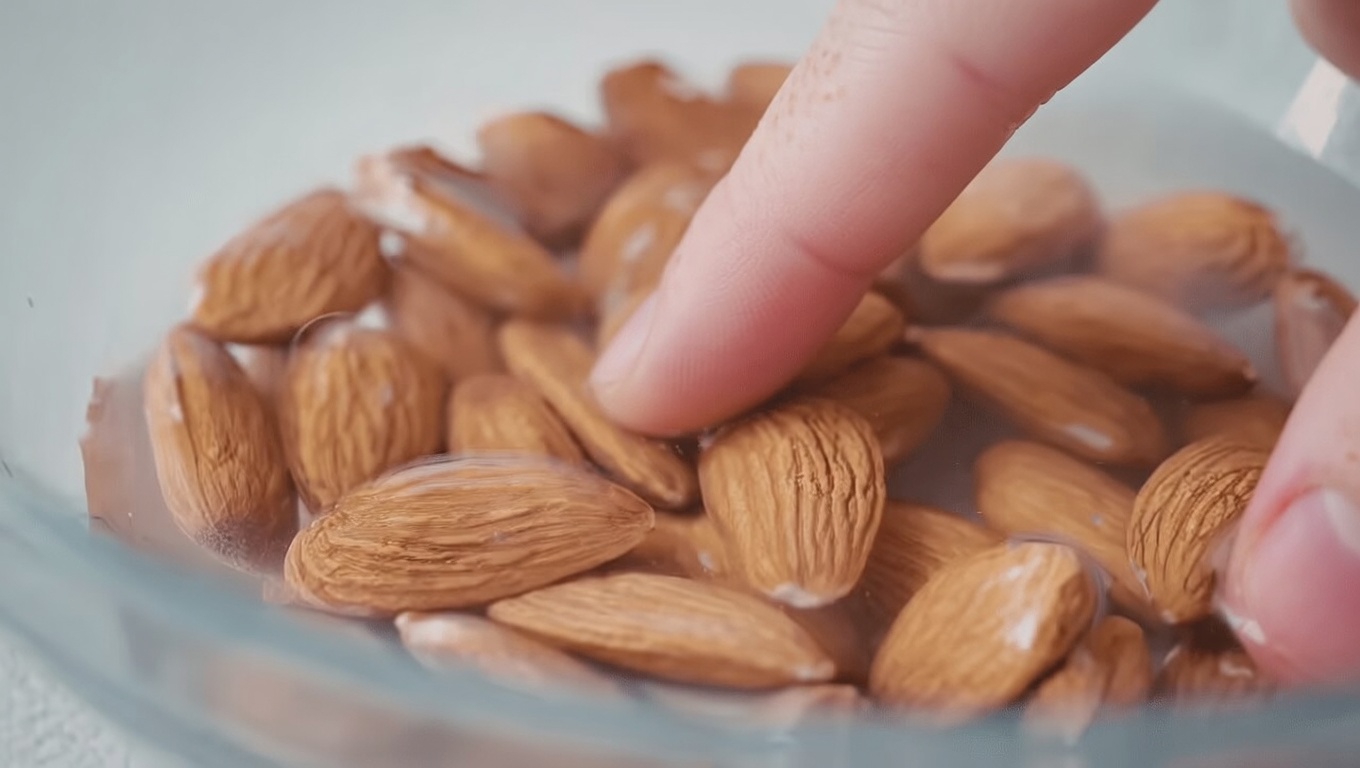
- Soak 8 to 10 almonds overnight
- Peel them in the morning if you prefer
- Eat them early in the day for a simple nutrition boost
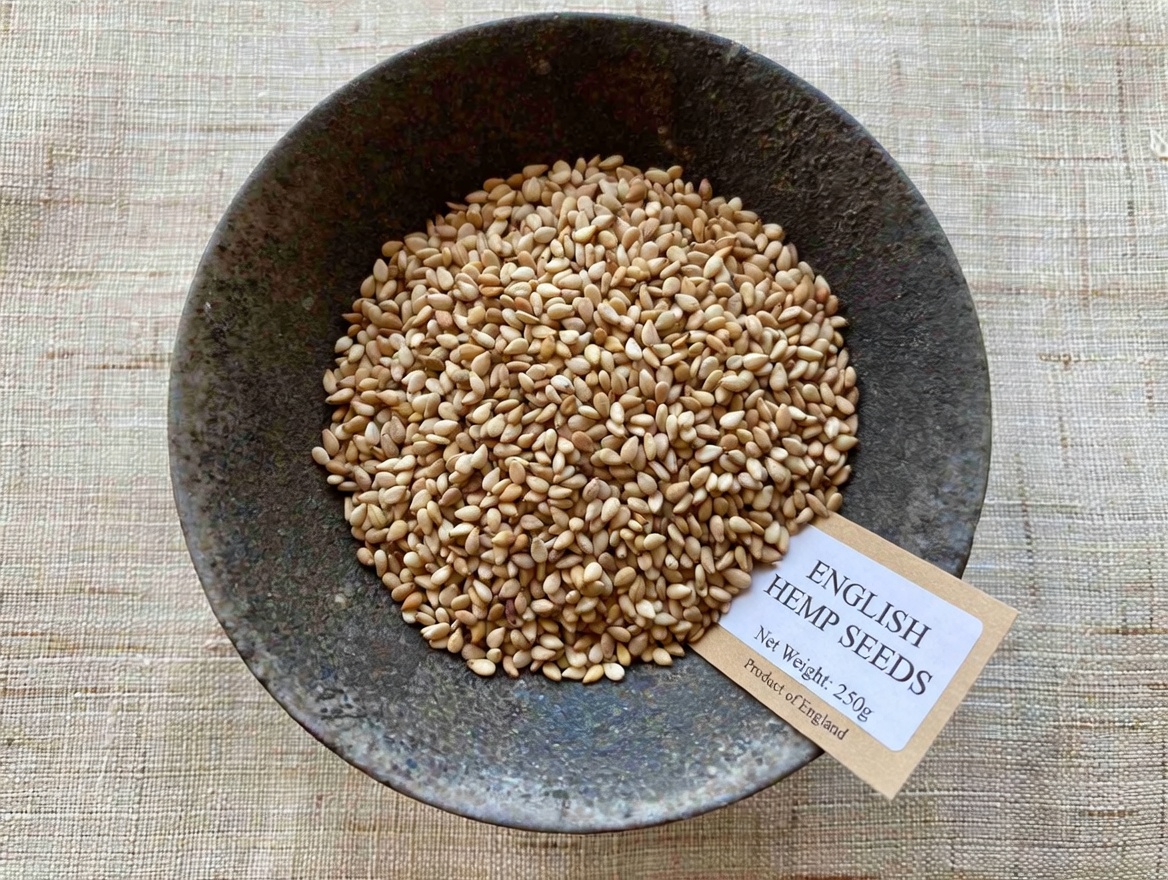
3. Sesame Seeds: Traditional Nutrition with Modern Research Behind It
Persistent inflammation can affect joints, circulation, comfort, and energy. Sesame seeds are especially interesting because they contain compounds such as sesamin and sesamolin, which researchers believe may help regulate certain cell processes linked to inflammation.
Just one tablespoon of sesame seeds also delivers significant amounts of minerals, including calcium and magnesium. These nutrients can support bone health, blood pressure balance, and a calmer nervous system.
For adults over 60 looking for easy ways to strengthen meals, sesame seeds are a practical option that can be added to many dishes.
How to improve absorption:
- Toast lightly
- Grind before eating
- This may improve nutrient availability several times over
4. Millet: An Affordable Grain with Powerful Plant Nutrients
Millet may not get as much attention as other “superfoods,” but it deserves a place on the list. For seniors concerned about chronic, low-grade inflammation, millet offers a valuable supply of polyphenols, plant compounds known for their antioxidant effects.
Half a cup of cooked millet can provide more polyphenols than many fashionable fruits. These compounds may help the body handle oxidative stress, which tends to rise with age. In several regions of Africa and Asia, millet has long been part of traditional diets associated with positive health patterns.
Another advantage is cost. Millet is budget-friendly, easy to cook, and works well as a substitute for more common grains.
Simple tip:
- Replace rice with millet twice a week
- You can also use it instead of oats in some meals
5. Red Watermelon Seeds: A Forgotten Nutrient-Rich Snack
The next time you eat watermelon, think twice before throwing away the seeds. Black or deep-red watermelon seeds can offer more nutrition than many people realize.
These seeds contain compounds linked to prostate support, including lycopene, along with minerals such as magnesium and zinc. They also provide healthy fats that may help the body manage inflammation.
For older adults who want to turn a seasonal treat into a regular healthy habit, watermelon seeds are a clever and low-cost option. Once prepared, they can be sprinkled over yogurt, salads, or other light meals.
How to prepare them:
- Soak first
- Pan-roast lightly without oil
- Use as a crunchy topping or snack
6. Macadamia Nuts for Whole-Body Calm
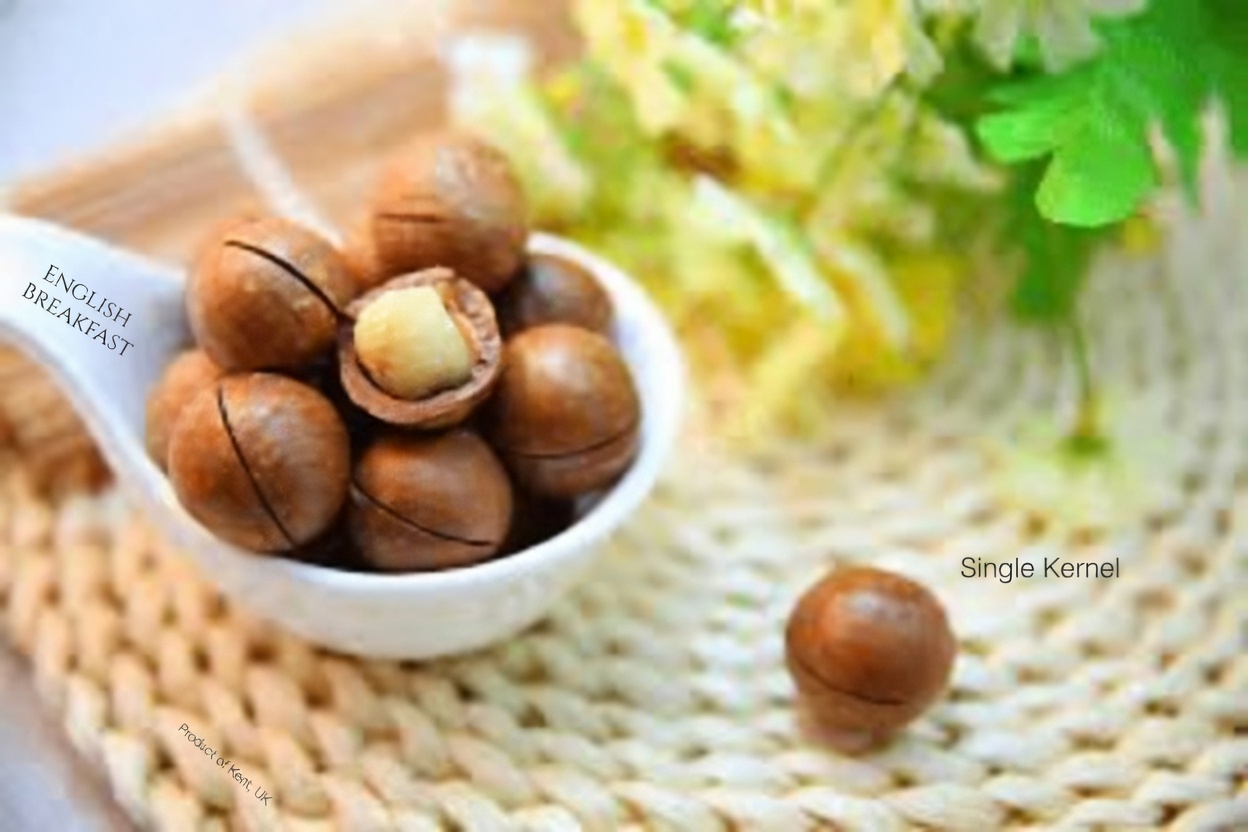
Macadamia nuts may seem like a luxury item, but even a small serving can be worthwhile. Eating just 8 to 10 nuts a day may offer benefits because they are rich in monounsaturated fats and contain the lesser-known omega-7 fat called palmitoleic acid.
Studies suggest these fats may help support a healthier inflammatory response throughout the body. Macadamias also provide phytosterols and manganese, nutrients that contribute to the body’s own antioxidant defenses.
For seniors who want a convenient, satisfying option with no complicated preparation, macadamias can be an excellent choice.
Best way to eat them:
- Raw
- Or very lightly toasted
- Store in the refrigerator to keep them fresh for months
Quick Comparison Table
Here is a simple overview to help you choose the best options for your routine.
| Food | Key Supportive Compounds | Suggested Daily Amount | Easiest Way to Eat |
|---|---|---|---|
| Pumpkin seeds | Zinc, plant sterols | 1 oz | Lightly roasted |
| Almonds | Vitamin E, flavonoids | 1 oz | Soaked overnight |
| Sesame seeds | Sesamin, sesamolin | 1–2 tbsp | Toasted and ground |
| Millet | Polyphenols | 1/2 cup cooked | Replace rice or oats |
| Red watermelon seeds | Lycopene, minerals | 1–2 tbsp | Soaked and pan-roasted |
| Macadamia nuts | Omega-7, phytosterols | 8–10 nuts | Raw or lightly toasted |
Real-Life Examples from Older Adults
Small food habits often become powerful over time.
Barbara, 69, began adding sesame and pumpkin seeds to her yogurt each morning after a health scare in her family. About a year later, her doctor commented that her blood work looked excellent for her age. For her, this simple habit became quiet, daily support.
Frank, 74, swapped his usual afternoon cookie for 10 macadamia nuts and a few soaked almonds. Within three months, one of his inflammation markers improved noticeably, and he felt he had more energy for hobbies and daily activities.
These examples do not guarantee results, but they show how practical changes can fit naturally into real life.
A 60-Second Morning Routine to Start Tomorrow
You do not need special recipes or expensive supplements to benefit from these foods. A very simple routine is enough.
-
Fill a small jar with:
- 5 macadamia nuts
- 10 soaked almonds
- 1 tablespoon pumpkin seeds
- 1 tablespoon sesame seeds
- 1 tablespoon watermelon seeds
-
Keep the jar somewhere visible, such as your kitchen counter.
-
Eat one small handful each day:
- With breakfast
- As a snack
- Or even before bed
Consistency matters more than perfection.
Frequently Asked Questions
1. Can I eat these seeds and nuts if I have allergies or take medication?
Always speak with your doctor first, especially if you have a nut allergy, a chronic medical condition, or take prescription medication. Even healthy foods can sometimes affect certain treatments or cause reactions.
2. How quickly might older adults notice benefits?
Some people say they feel more stable energy within a few weeks, often around 30 days. However, results are different for everyone. The key is regular use rather than expecting fast changes.
3. Are these foods expensive or difficult to find?
Most of them are affordable and available in standard grocery stores. Buying in bulk and storing them correctly can make them even more cost-effective over time.
Important Note
This article is for educational purposes only and should not be considered medical advice. Always consult your doctor before making significant dietary changes, especially if you have an existing condition or use medication.
A Small Habit That Can Make a Big Difference
These tiny foods may not come with dramatic promises, but they can support healthier daily choices as you age. Starting with just one of them tomorrow morning could be the beginning of a routine that helps you feel stronger, steadier, and more active over time.
In a month, you may notice a gentle improvement. In a year, you may be thankful for the simple habit that helped you stay engaged with the people and moments you love most.
Which One Will You Try First?
If one of these seeds or nuts stands out to you, start there. A small, consistent step is often the easiest way to build lasting wellness.