
Early Menopause: 10 Important Signs You Should Not Ignore
Picture yourself in the middle of a serious meeting when, out of nowhere, a surge of heat rushes through your body. Your face flushes, sweat starts to form, and everyone else seems perfectly fine. Add in unpredictable periods, low energy, and a sense that your body is no longer following familiar patterns, and it is easy to feel uneasy, frustrated, or even embarrassed.
Early menopause can happen before age 45 and affects up to 5% of women. It can interrupt daily life, drain your energy, and raise real concerns about long-term health and well-being. The encouraging part is this: when you recognize the signs early, you can take practical steps to feel more comfortable, informed, and in control.
Why Identifying Early Menopause Symptoms Matters
Recognizing the signs of early menopause is important because hormonal changes do not only affect your menstrual cycle. They can also influence mood, sleep, focus, physical comfort, and overall energy. For many women in their early 40s, these changes appear suddenly and can feel confusing or alarming.
Becoming aware of early menopause symptoms can help you:
- Understand what is happening in your body
- Reduce unnecessary fear or uncertainty
- Start more productive conversations with your doctor
- Make choices that support your comfort and long-term health
When these signs are dismissed or overlooked, the effects may become harder to manage. Estrogen fluctuations during early menopause can shape how you feel physically and emotionally from day to day. Paying attention now can make this transition feel less overwhelming later.

10 Common Signs of Early Menopause
The symptoms of early menopause often begin gradually. At first, they may seem unrelated, but over time they form a clearer pattern. Below are ten of the most common signs many women notice.
1. Irregular Periods
A changing menstrual cycle is often one of the earliest clues. Periods that were once predictable may suddenly arrive sooner, come later, become heavier, grow lighter, or disappear for a month or more.
These cycle changes are among the most recognized signs of early menopause. The unpredictability can be stressful, especially when you are used to a regular routine.
2. Hot Flashes
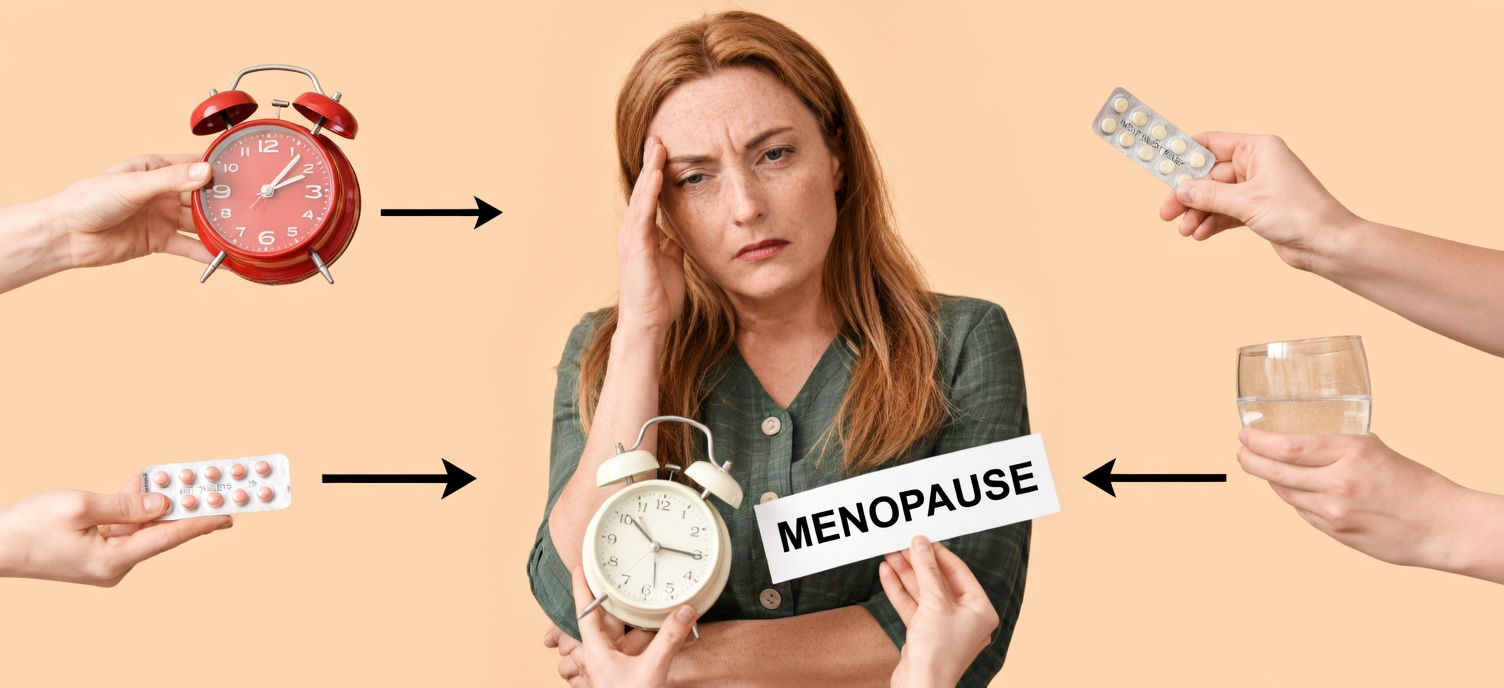
Hot flashes are one of the best-known symptoms of early menopause. They can appear without warning as a sudden wave of heat spreads through the chest, neck, and face.
For some women, these episodes are mild. For others, they are intense enough to disrupt work, social situations, or daily activities. Research suggests that up to 75% of women experience these vasomotor symptoms during the menopausal transition.
3. Night Sweats
Night sweats are closely related to hot flashes, but they happen during sleep. You may wake up drenched, overheated, and uncomfortable, often needing to change clothes or bedding.
These nighttime episodes can seriously interfere with rest. Over time, poor sleep can increase exhaustion and make it harder to function during the day.
4. Mood Swings
Emotional changes are another common sign of early menopause. You may notice sudden irritability, anxiety, tearfulness, or emotional sensitivity that feels unusual for you.
Hormonal shifts can affect brain chemistry, which helps explain why emotions may feel more intense or less predictable. Many women describe mood swings as one of the hardest early menopause symptoms to manage.
5. Vaginal Dryness
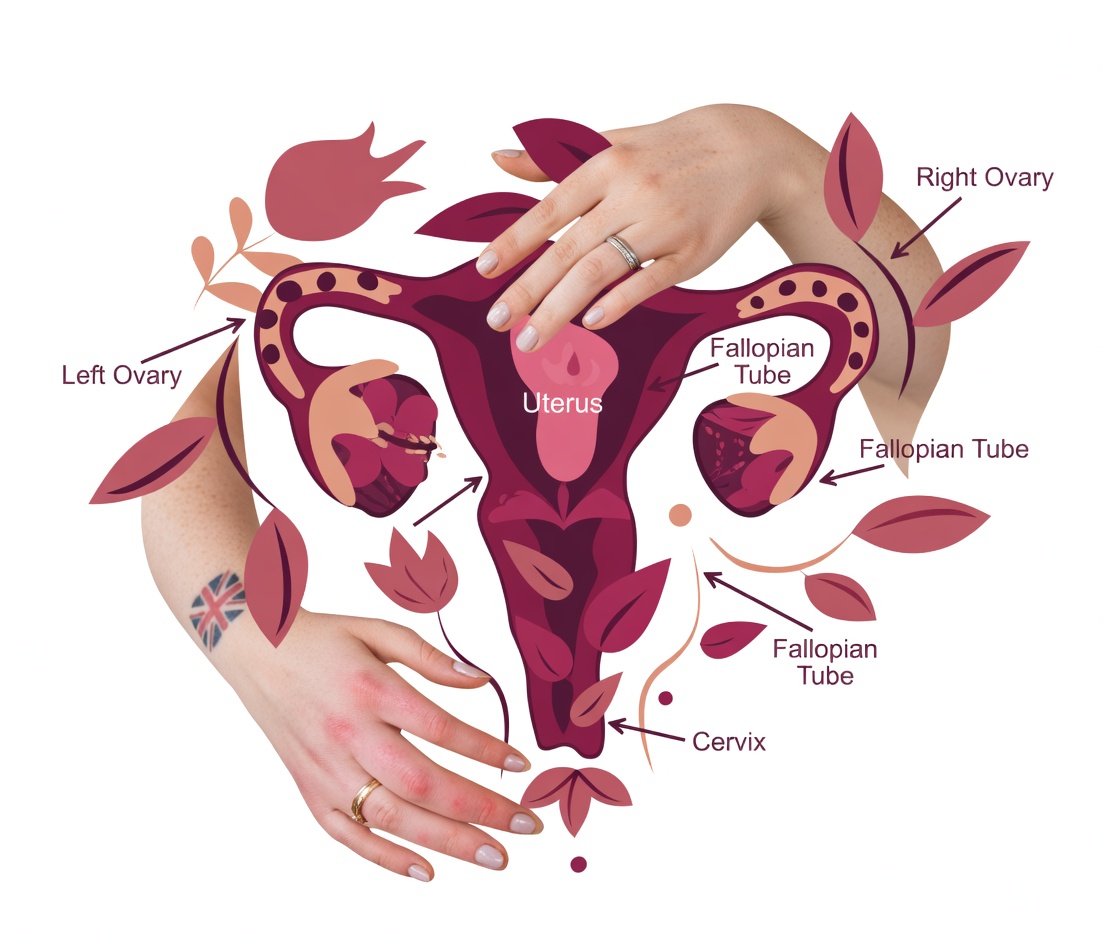
Vaginal dryness is common but often under-discussed. Lower estrogen levels can thin vaginal tissues and reduce natural lubrication, leading to irritation, discomfort, or pain during intimacy.
This symptom can affect not only physical comfort but also confidence and relationships. In many cases, it becomes noticeable after other early menopause signs have already started.
6. Sleep Problems
Sleep disturbances are another major indicator of early menopause. Even without night sweats, hormonal changes can make it difficult to fall asleep, stay asleep, or wake feeling rested.
You may find yourself lying awake with a racing mind or waking multiple times for no obvious reason. Over time, disrupted sleep can affect mood, energy, and concentration.
7. Ongoing Fatigue
Fatigue during early menopause often feels deeper than ordinary tiredness. You may feel worn out even after a full night in bed, and caffeine may no longer make much difference.
These energy drops can be linked to hormonal shifts, sleep loss, and metabolic changes. Many women say this type of fatigue affects both productivity and enjoyment of everyday life.
8. Brain Fog
Brain fog is one of the more frustrating cognitive symptoms of early menopause. You may lose your train of thought, forget familiar words, misplace things more often, or struggle to stay focused.
Because estrogen also supports brain function, hormonal changes can affect memory and mental clarity. While these moments can be unsettling, they are commonly reported during early menopause.

9. Thinning Hair or Dry Skin
Visible changes in hair and skin can also appear during early menopause. You might notice more hair shedding than usual, a thinner ponytail, or skin that suddenly feels rougher and drier.
Hormones influence collagen, oil production, and overall skin and hair health. These gradual changes may seem minor at first, but they can affect self-image over time.
10. Reduced Fertility
A decline in fertility is an important sign of early menopause, even if it is not immediately obvious. As ovarian reserve decreases sooner than expected, becoming pregnant may become more difficult.
This change can bring different emotions depending on your stage of life and future plans. For some women, it is simply useful information. For others, it may feel deeply personal. Either way, understanding this sign can help with planning and decision-making.
Quick Comparison of Early Menopause Symptoms
| Sign | Common Cause | Everyday Effect | When to Monitor |
|---|---|---|---|
| Irregular periods | Hormonal fluctuations | Unpredictable monthly cycles | After repeated skipped or changing cycles |
| Hot flashes and night sweats | Vasomotor changes | Discomfort, overheating, poor sleep | When episodes become frequent |
| Mood swings | Hormone-related brain chemistry changes | Emotional strain, irritability, anxiety | If mood changes feel intense or sudden |
| Fatigue and brain fog | Sleep disruption, metabolic and cognitive changes | Low energy, poor focus | When symptoms persist |
| Vaginal dryness | Lower estrogen and tissue thinning | Daily irritation or discomfort during intimacy | If symptoms continue or worsen |
The Sign That Connects Everything
While each symptom matters on its own, the one surprising sign that often ties everything together is a clear pattern of hormonal disruption showing up across multiple areas of life at once.
It is not just the hot flash, the missed period, or the poor sleep by itself. It is the combination of irregular cycles, emotional shifts, low energy, sleep trouble, and physical discomfort appearing together that often points most clearly to early menopause.
When you step back and notice that several of these symptoms are happening at the same time, the bigger picture becomes easier to understand. That awareness can change what you do next and help you move forward with more confidence.
Final Thoughts
Early menopause can feel confusing, isolating, and disruptive, especially when the symptoms begin before you expect them. But recognizing the warning signs early gives you a valuable advantage.
If you notice several of these symptoms together, tracking them can help you better understand your body and prepare for a conversation with a healthcare professional. The sooner you recognize the pattern, the sooner you can take steps to support your comfort, energy, and peace of mind.