Early Menopause Signs: 10 Common Clues You Should Not Ignore
A sudden rush of heat in the middle of an important meeting can feel overwhelming. Your face turns red, your forehead becomes damp, and while everyone around you seems perfectly fine, you are left uncomfortable, distracted, and self-conscious. For many women, this is one of the first unsettling hints that early menopause may be beginning.
These changes can seem small at first, but they often affect much more than daily comfort. Early menopause may lower confidence, drain energy, interrupt sleep, and trigger concerns about long-term health, including bone strength, emotional well-being, and relationship changes. The good news is that recognizing the signs of early menopause can bring reassurance, clarity, and a stronger sense of control.
By understanding what your body may be telling you, it becomes easier to take practical steps and feel less alone during this transition.
Why It Is Important to Recognize Early Menopause Symptoms
Imagine a 42-year-old professional like Lisa waking up in the middle of the night soaked in sweat, tangled in damp sheets, and unable to fall back asleep. The next morning, she has to face work already exhausted. This is the reality many women experience when early menopause symptoms begin before age 45.
The effects often go beyond physical discomfort. Sleep disruption, mood changes, and unexpected cycle shifts can affect performance at work, emotional balance, and personal relationships. Many women feel confused or isolated, especially when these symptoms appear earlier than expected. Research suggests that identifying early menopause signs sooner may help women manage symptoms and protect their overall health more effectively.
10. Irregular Periods: The First Noticeable Shift
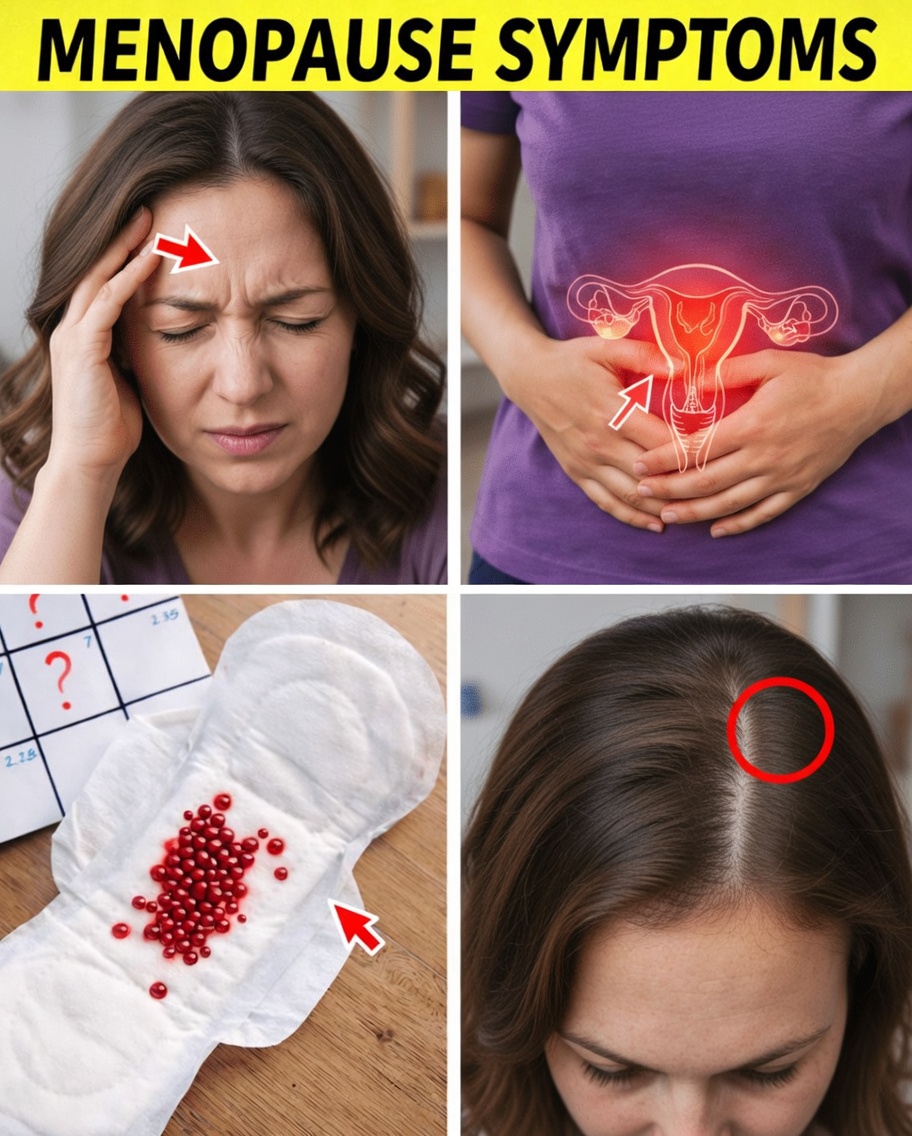
One of the earliest and most common signs of early menopause is a change in your menstrual cycle. Periods may start coming closer together, showing up later than usual, becoming lighter, heavier, or disappearing for a month at a time.
This unpredictability is usually linked to fluctuating hormone levels. For many women, irregular periods become the first clue that something is changing. Lisa found herself checking her calendar constantly, trying to make sense of a cycle that no longer followed a familiar pattern. Tracking these changes helped her feel slightly more prepared, even while the uncertainty remained stressful.
9. Hot Flashes: Sudden Surges of Heat
Few symptoms are as recognizable as hot flashes during early menopause. They often begin suddenly as a wave of heat spreading through the chest, neck, and face. Clothing may feel too warm, concentration can disappear, and even a short episode can feel deeply uncomfortable.
Studies suggest that up to 75% of women going through menopause experience these vasomotor symptoms. Even though a hot flash may last only a few minutes, it can interrupt conversations, work, and confidence. Sarah, a 40-year-old teacher, felt especially embarrassed when hot flashes struck in the classroom before she understood that falling estrogen levels were likely behind them.
8. Night Sweats: Sleep Disrupted Again and Again
Night sweats are closely linked to hot flashes, but they happen while you sleep and can be even more draining. You may wake up with damp pajamas, wet sheets, and a racing heart, only to struggle to get comfortable again.
These nighttime episodes can prevent deep, restorative sleep and leave you tired the entire next day. For Sarah, mornings that once felt refreshing became slow and difficult, with fatigue following her through work and home life. When early menopause affects sleep this way, its impact can quickly spread into every part of daily living.

7. Mood Swings: Emotional Changes That Feel Unfamiliar
Another common but often overlooked sign of early menopause is mood instability. You may become irritated over small things, feel unexpectedly tearful, or notice anxiety creeping in more often than before.
Hormonal fluctuations can influence brain chemistry, which may partly explain these emotional shifts. Emily, age 44, felt confused by how intensely her emotions seemed to rise and fall during this stage. Once she connected those changes to early menopause symptoms, she felt less guilty and more aware of what was happening.
6. Vaginal Dryness: A Quiet but Important Symptom
Declining estrogen can also affect vaginal tissue, making it thinner, drier, and more sensitive. This may lead to irritation, discomfort during intimacy, or a general feeling of unease that is hard to explain but difficult to ignore.
Because this symptom is private, many women hesitate to talk about it. Yet vaginal dryness in early menopause is common and can affect both physical comfort and self-confidence. Emily noticed this change gradually and found that it made closeness feel more complicated than before.
5. Sleep Problems Beyond Night Sweats
Sleep disruption during early menopause is not always caused by sweating. Some women find themselves lying awake for hours despite feeling tired, while others wake repeatedly during the night without a clear reason.
Hormonal changes can interfere with normal sleep patterns, leading to insomnia, fragmented rest, and mental fog during the day. Lisa discovered that even when she tried to catch up with naps, she still felt unrested. Over time, poor sleep can intensify other symptoms, making the transition feel even more challenging.

4. Fatigue: Constant Exhaustion That Does Not Lift
Fatigue linked to early menopause is often more than ordinary tiredness. It can feel like a deep, lingering exhaustion that no amount of coffee seems to fix. Everyday tasks may suddenly seem harder, and motivation can dip without warning.
Hormonal and metabolic shifts may contribute to this heavy tiredness, especially when combined with poor sleep and emotional stress. Sarah noticed her energy levels falling so much that her productivity started to suffer. When fatigue becomes persistent, it is often a sign that the body is under significant strain during this transition.
3. Brain Fog and Memory Lapses
Many women are surprised to find that early menopause can affect concentration and memory. You might forget familiar words, lose your train of thought mid-sentence, or misplace items more often than usual.
Estrogen plays a role in brain function, so hormonal changes may contribute to these frustrating mental slips. Emily initially laughed off her forgetfulness, but over time she began relying on written reminders to stay organized. Brain fog can be subtle at first, yet it may become one of the most disruptive symptoms in work and daily life.
2. Thinning Hair and Dry Skin
Visible changes in appearance can also accompany early menopause symptoms. Hair may gradually become thinner, and skin may feel drier or less resilient than before. Lower hormone levels can reduce oil production and collagen support, making these changes more noticeable over time.
Although these shifts may seem minor compared with hot flashes or insomnia, they can still affect self-image. Lisa realized she was seeing more hair in her brush and reaching for moisturizer far more often. These outward changes are another reminder that the body is moving through a significant hormonal adjustment.
1. Decreased Fertility: A Major Sign of Transition
One of the most important indicators of early menopause is reduced fertility. As ovarian reserve declines, conceiving can become more difficult, even if pregnancy is not an immediate goal.
This change can carry a strong emotional weight. For some women, it brings sadness, surprise, or a sense of time moving faster than expected. For others, it simply marks a new stage of life. Lisa, Sarah, and Emily each found that learning more about early menopause changed how they viewed their bodies and future plans.

Other Early Menopause Symptoms to Be Aware Of
In addition to the top signs above, several other symptoms may appear during early menopause, including:
- Joint pain
- Sudden weight changes
- Urinary issues
- Lower libido
- Increased sensitivity to stress
Risk can be higher in women with:
- A family history of early menopause
- Autoimmune conditions
- Certain medical treatments or surgeries
- Smoking history
Because symptoms vary widely from person to person, self-awareness is essential. What feels mild for one woman may feel intense for another.
Quick Comparison Table of Common Early Menopause Signs
| Sign | Common Trigger in Early Menopause | Possible Impact | When to Pay Attention |
|---|---|---|---|
| Irregular periods | Hormonal fluctuation | Unpredictable cycles | When multiple cycles are skipped or patterns change significantly |
| Hot flashes and night sweats | Vasomotor instability | Discomfort and poor sleep | When episodes become frequent or intense |
| Mood changes | Hormonal effects on brain chemistry | Irritability, anxiety, emotional strain | When mood swings feel severe or disruptive |
| Vaginal dryness | Estrogen decline and tissue thinning | Irritation and intimacy discomfort | When symptoms are persistent |
| Fatigue and brain fog | Metabolic and cognitive effects | Reduced focus and daily function | When tiredness does not improve with rest |
What to Do If You Suspect Early Menopause
Symptoms alone do not automatically confirm early menopause, but recurring patterns are worth discussing with a healthcare provider. A proper evaluation can help determine whether menopause transition, another hormonal issue, or a different health condition is involved.
Lifestyle changes may also help support comfort and overall well-being during this phase. While they are not magic fixes, many women find them useful as part of a broader care plan. Lisa, Sarah, and Emily each spoke with a medical professional and received guidance tailored to their specific symptoms, which helped them feel more informed and supported.
Simple Habits That May Help
- Eat a balanced diet rich in calcium and vitamin D
- Prioritize regular physical activity
- Keep a record of symptoms and menstrual changes
- Create a cooler sleep environment for night sweats
- Reduce stress through breathing exercises, walking, or mindfulness
- Stay hydrated throughout the day
- Talk openly with a healthcare provider about new or persistent symptoms

Final Thoughts on Early Menopause
Early menopause can begin quietly, with signs that are easy to dismiss at first. But irregular periods, hot flashes, poor sleep, mood changes, brain fog, and other symptoms can gradually add up and affect every part of life.
Recognizing the signs of early menopause is not about fear. It is about understanding your body sooner, responding with confidence, and getting the support you need. With awareness, medical guidance, and practical daily habits, this transition can feel far less uncertain and much more manageable.