
Managing Daily Blood Sugar with More Vegetables
Dealing with day-to-day blood sugar swings can be draining. When energy crashes or sudden spikes happen, even ordinary activities may feel harder than expected. Over time, that uncertainty can also affect sleep, mood, and your overall quality of life.
One of the simplest ways to support a steadier routine is to eat more vegetables. It does not require an extreme diet or a complete lifestyle reset. In fact, a few smart additions to your weekly meals can make healthy eating feel much more manageable. Below, you will find a practical top 10 list of vegetables that may help you build more balanced meals on a regular basis.
Why Vegetables Matter for Blood Sugar Support
Vegetables, especially non-starchy ones, are naturally low in calories and carbohydrates while providing fiber, vitamins, minerals, and protective plant compounds. That combination makes them a strong fit for anyone trying to support stable blood sugar through everyday food choices.
Fiber is one of the biggest reasons vegetables are so useful. It slows digestion and can reduce how quickly carbohydrates are absorbed, which may help support more even energy levels during the day. Research also suggests that cruciferous vegetables, including members of the cabbage family, may play a helpful role in glycemic balance when eaten consistently.
Another major benefit is fullness. Vegetables can add volume to meals without adding many calories or excess carbs. That can help curb cravings and reduce the temptation to reach for less supportive snack options later on.

Key Nutrition Benefits That Make These Vegetables Stand Out
Many of the best vegetables for blood sugar support have several important traits in common:
- Low glycemic impact, meaning they are less likely to trigger rapid increases in blood glucose
- High fiber content, which supports digestion and slower absorption
- Rich nutrient profiles, including vitamins, minerals, and antioxidants
- Helpful plant compounds, such as sulforaphane in cruciferous vegetables, which has been studied for its connection to metabolic health
A 2025 study from Edith Cowan University reported that people who consumed more cruciferous vegetables had less blood sugar variability than those eating other vegetable groups. On top of that, many of these vegetables are affordable, easy to find, and available throughout the year, making them realistic choices for most households.
Top 10 Vegetables to Add to Your Weekly Meals
Here are 10 vegetables worth rotating into your meal plan. Each one is easy to use, widely available, and well suited to a balanced diet.
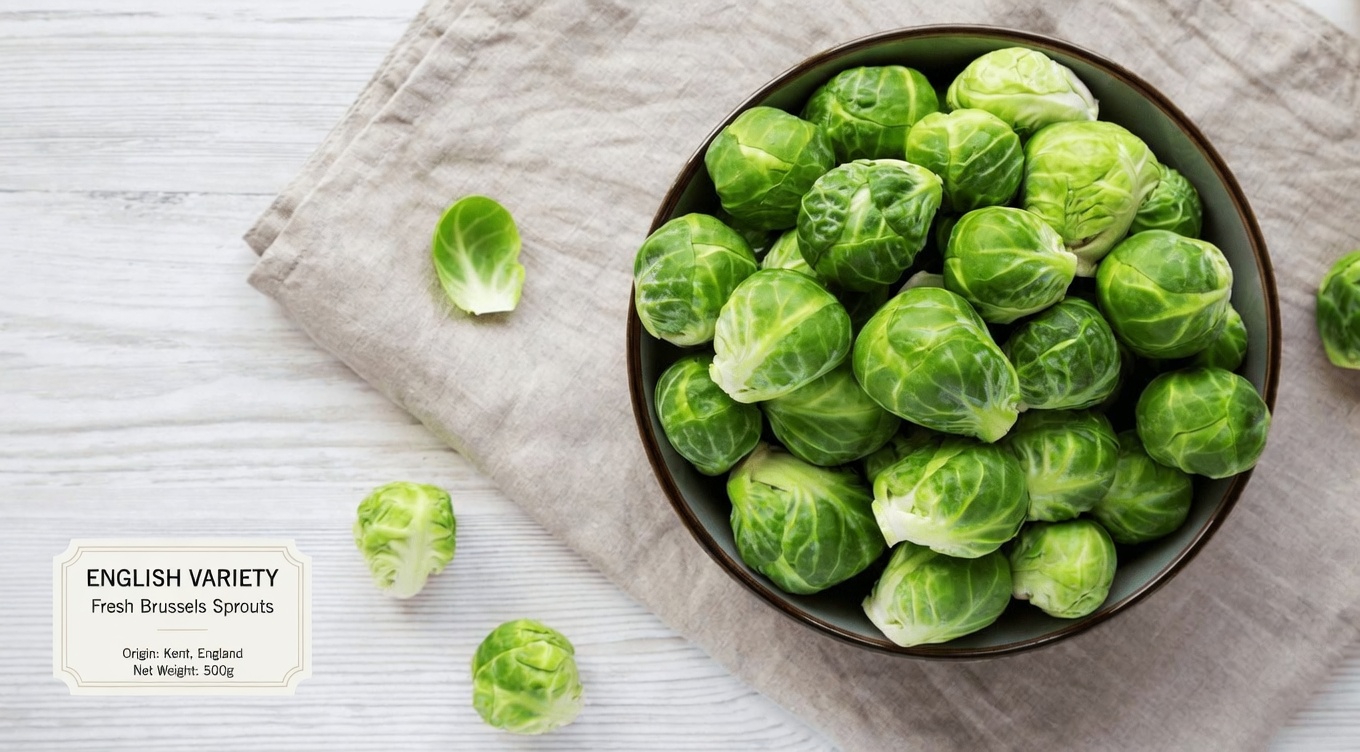
1. Brussels Sprouts
Brussels sprouts are rich in fiber and have a very low glycemic index, around 15. One cooked cup provides roughly 4 grams of fiber, which may help promote steadier blood sugar responses.
Easy serving idea:
- Roast with a small amount of olive oil until crisp and golden
- Serve alongside chicken, fish, or tofu
2. Broccoli
Broccoli is one of the most researched cruciferous vegetables for metabolic support. It contains soluble fiber, along with sulforaphane, and is naturally low in carbs while supplying vitamins C and K.
Easy serving idea:
- Steam lightly or stir-fry briefly
- Pair with lean protein for a simple balanced meal
3. Spinach
Spinach is very low in carbohydrates and packed with magnesium, a mineral often linked in observational research to healthier insulin function. It is also one of the easiest greens to add to meals.
Easy serving idea:
- Toss into omelets, smoothies, soups, or salads
- Sauté quickly with garlic for a fast side dish
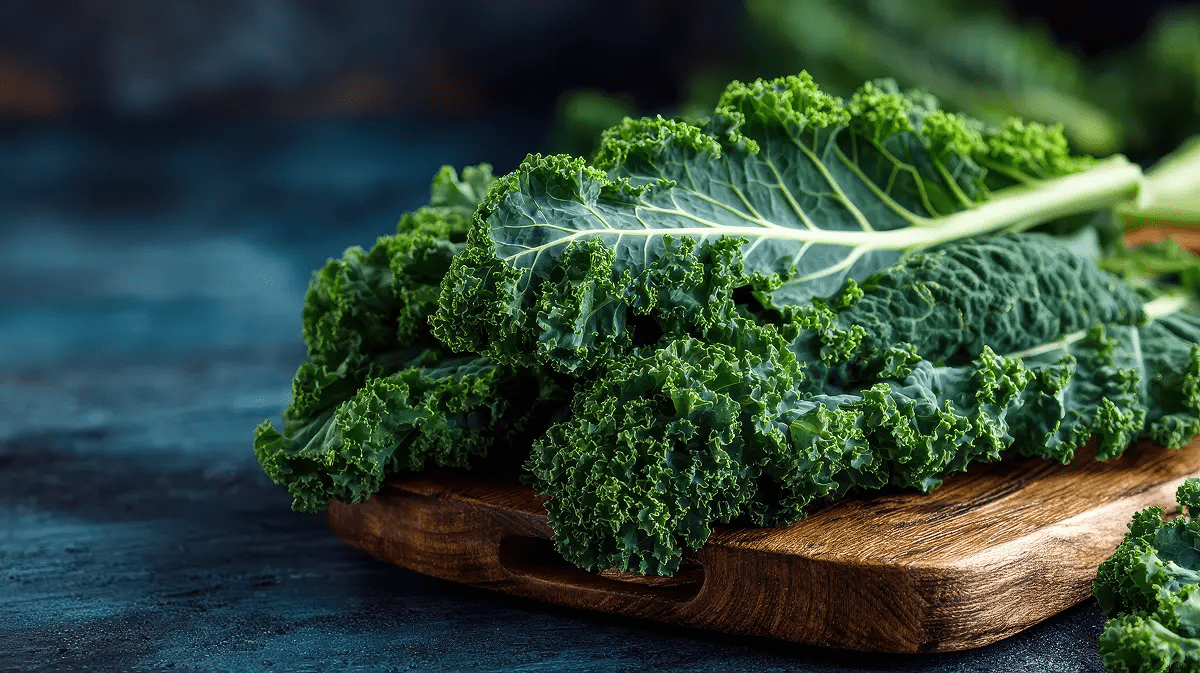
4. Kale
Kale offers fiber, antioxidants, and the benefits of another cruciferous vegetable. Because it is low in calories but high in volume, it works well for satisfying meals that do not heavily impact blood sugar.
Easy serving idea:
- Massage raw kale with lemon juice and olive oil
- Use as the base for a hearty salad
5. Cauliflower
Cauliflower is highly versatile and naturally low in carbohydrates. It can stand in for more starchy ingredients in many recipes, which makes it useful for supporting satiety and steady energy.
Easy serving idea:
- Roast florets for a simple side
- Use cauliflower rice in bowls, stir-fries, or meal prep
6. Cabbage
Cabbage is budget-friendly, high in fiber, and contains plenty of water, all of which support its place in blood sugar-friendly eating. It also works well in fermented form.
Easy serving idea:
- Shred into slaws and salads
- Ferment into sauerkraut for added gut-friendly probiotic benefits
7. Asparagus
Asparagus contains prebiotic fiber that helps feed beneficial gut bacteria. It is often included in diabetes-friendly meal guides because of its low glycemic load.
Easy serving idea:
- Grill or sauté quickly with a touch of olive oil
- Add to egg dishes or grain bowls
8. Zucchini
Zucchini has a mild taste and very few carbs, making it ideal for adding bulk to meals without causing a blood sugar spike.
Easy serving idea:
- Spiralize into vegetable noodles
- Slice into stir-fries, casseroles, or sheet-pan meals
9. Green Beans
Green beans provide crunch, fiber, and a steady source of plant nutrition. They pair especially well with healthy fats and simple seasonings.
Easy serving idea:
- Blanch and toss with garlic
- Roast until slightly crisp for extra flavor
10. Bell Peppers
Bell peppers are colorful, crunchy, and low in carbs while delivering plenty of vitamin C. They work well raw or cooked, making them easy to fit into nearly any meal.
Easy serving idea:
- Slice raw for wraps and snacks
- Stuff with lean protein and vegetables for a complete meal
Simple Ways to Prepare Vegetables at Home
Choosing healthy vegetables is only part of the equation. How you shop, prep, and cook them can make healthy eating much easier to maintain.
Here is a practical step-by-step approach:
-
Choose wisely
- Buy fresh or frozen vegetables without sugary sauces or added coatings
- Keep a mix of both on hand for convenience
-
Prep ahead
- Wash, cut, and portion vegetables at the start of the week
- Store them in clear containers so they are easy to grab
-
Use simple cooking methods
- Steam for a light option
- Roast at 400°F for 15 to 20 minutes
- Air-fry with just a small amount of oil
- Avoid heavy breading or rich sauces
-
Build balanced plates
- Pair vegetables with lean proteins like chicken, fish, eggs, tofu, or beans
- Add healthy fats such as avocado, nuts, seeds, or olive oil for better satisfaction
-
Pay attention to how you feel
- Notice your energy, hunger, and fullness after meals
- Small observations can help you make better choices over time without becoming overly focused on numbers
Flavor Boosters That Keep Meals Interesting
You do not need sugary sauces or heavy toppings to make vegetables taste great. Try these simple additions:
- Herbs and spices such as garlic, rosemary, turmeric, or black pepper
- Lemon juice or vinegar for brightness
- Nuts or seeds for crunch and texture
- Olive oil in moderation for healthy fat and flavor
How to Fit These Vegetables Into Daily Life
Adding a few of these vegetables to breakfast, lunch, and dinner can make a noticeable difference in how you feel. A spinach omelet in the morning, a cabbage slaw at lunch, or roasted Brussels sprouts with dinner can all support a more balanced eating pattern.
Fiber works quietly in the background to support smoother digestion, while variety helps prevent boredom. According to nutrition sources such as Healthline, higher intake of non-starchy vegetables often goes hand in hand with generally healthier dietary habits.
The best part is that this approach is flexible. You do not need every meal to be perfect. If one recipe does not turn out well, you can simply try again the next day.
Final Thoughts: Small Shifts Can Make a Big Difference
Eating more vegetables does not have to feel restrictive or complicated. The key is to focus on consistency and enjoyment. These 10 vegetables, from Brussels sprouts and broccoli to bell peppers and zucchini, offer plenty of easy options to rotate through your weekly routine.
Start with a few favorites, experiment with new preparations, and pay attention to what helps you feel your best. Over time, those small changes can add up to a steadier, more sustainable routine.
FAQ
How often should I eat these vegetables to notice benefits?
A practical goal is 2 to 3 cups of non-starchy vegetables per day as part of a varied diet. What matters most is staying consistent over time rather than trying to be perfect at every meal.
Can I eat these vegetables raw, or is cooking better?
Both can work well. Raw vegetables like spinach and bell peppers keep their crunch and some nutrients especially well, while light cooking, such as steaming broccoli or Brussels sprouts, may improve digestibility for some people.
Are there cooking mistakes that reduce their blood sugar benefits?
Yes. Heavy breading, sugary glazes, and deep frying can change the nutrition profile significantly. Simpler methods and lighter seasonings help preserve the natural low-carb advantages of these vegetables.
Disclaimer
This article is for informational purposes only and should not be considered medical advice. Always speak with a qualified healthcare professional before making major dietary changes, especially if you have a medical condition or take medication. Individual responses may differ based on personal health factors.