
Kidney-Friendly Protein Choices for Seniors: What to Limit and What to Enjoy
Many older adults notice subtle signs that something feels off after meals—a dull lower back ache, mild ankle swelling, or less energy for the next day’s walk. After age 65, food choices that once felt simple may require more attention, especially when blood work shows higher creatinine levels and kidney health becomes part of everyday decisions.
More than 37 million Americans live with chronic kidney issues. For seniors, protein can be especially tricky. It remains essential for preserving strength and muscle, yet too much can create extra waste for the kidneys to process. Too little, on the other hand, may lead to weakness and frailty. The good news is that thoughtful food swaps can reduce strain on the body while still keeping meals satisfying and flavorful.
This guide explores six protein sources that deserve more caution and four alternatives that are often gentler for aging kidneys. At the end, you’ll also find a simple plate-building plan that can make daily eating easier and more balanced.
Why Protein Matters So Much After 65
The kidneys work around the clock to filter fluids and waste, helping the body stay in balance. As people age, these organs may become more vulnerable to nutrients such as phosphorus, potassium, and sodium, all of which can be hidden in common protein foods.
Studies suggest that in adults over 60 with kidney concerns, uncontrolled intake of certain proteins may contribute to fatigue and additional stress on the body. Many experts recommend about 0.6 to 0.8 grams of protein per kilogram of body weight per day, with roughly half coming from high-quality protein sources. Still, not every protein affects the kidneys in the same way. Choosing wisely can make a meaningful difference.

6 Proteins Seniors With Kidney Concerns May Need to Limit
6. Red Meat: A Heavier Choice for Sensitive Kidneys
Red meats such as beef and pork are rich in protein, but they also tend to contain high amounts of phosphorus and saturated fat. For aging kidneys, that combination can be harder to handle.
A senior who once enjoyed weekly roasts may notice bloating, lower energy, or disappointing lab results after eating red meat too often. Reducing these meals to smaller, less frequent portions may help lighten the burden on the kidneys without eliminating favorite foods entirely.
5. Full-Fat Dairy: Creamy, But High in Phosphorus
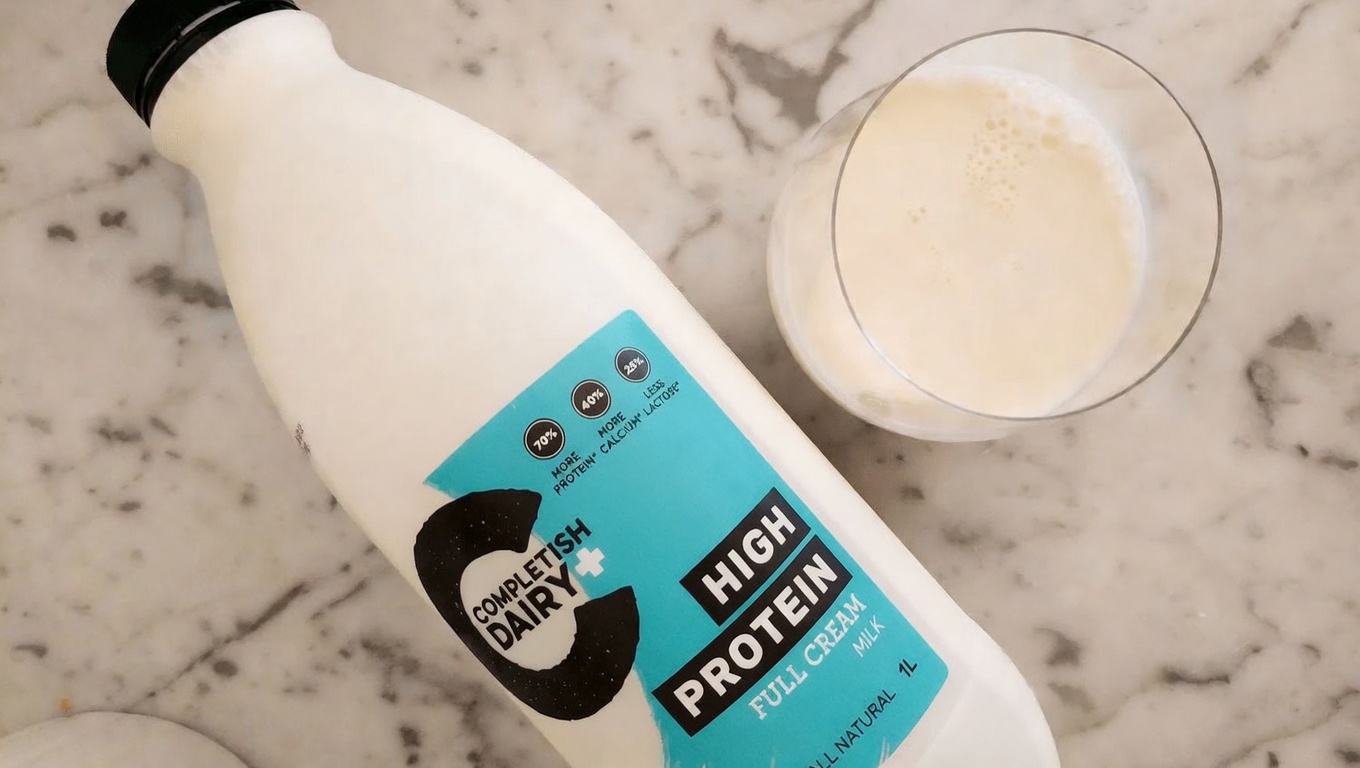
Milk, cheese, and yogurt can seem like wholesome staples, yet full-fat dairy products naturally contain significant phosphorus. Over time, that can increase kidney workload and may also affect bone health.
For some seniors, replacing regular dairy with lighter or kidney-friendlier alternatives—such as rice milk products when appropriate—can make meals easier on the body while preserving comfort and routine.
4. Processed Meats: Too Much Sodium in Every Bite
Bacon, sausage, hot dogs, and deli meats are often packed with sodium. That excess salt can encourage fluid retention, increase blood pressure, and put additional stress on blood vessels and kidneys.
If swelling in the ankles or rising blood pressure has become more common, processed meats may be one of the first foods worth reducing. Freshly prepared turkey or chicken can offer a similar savory satisfaction with much less sodium.
3. High-Potassium Beans: Healthy for Some, Risky for Others
Beans are often praised as nutritious plant protein, but not all beans are ideal for people with kidney concerns. Kidney beans and lima beans, in particular, can be high in potassium.
When the kidneys struggle to regulate potassium properly, levels can build up and affect important functions, including heart rhythm. Smaller portions, careful preparation, and choosing lower-potassium options like lentils may be a safer path for some seniors.

2. Nuts and Seeds: Small Portions, Big Mineral Load
Almonds, sunflower seeds, and similar snacks may look harmless, yet they are very concentrated sources of phosphorus and potassium. Because they are easy to eat by the handful, the total mineral load can rise quickly.
For seniors managing kidney health, nuts and seeds may be best treated as occasional toppings or rare snacks rather than daily staples.
1. Whole Eggs: The Yolk Can Be the Problem
Eggs are often seen as a perfect protein, but the yolk carries cholesterol and phosphorus that may become harder for older bodies to manage—especially in larger amounts.
For many seniors, switching from whole eggs to egg whites can provide excellent protein without the same nutritional burden. That small change can make breakfast much more kidney-friendly.
Quick Comparison: Proteins to Avoid More Often vs. Better Alternatives
| Protein Type | Main Concern | Portion Guidance for Kidney Concerns | Smarter Swap |
|---|---|---|---|
| Red meat (beef, pork) | High phosphorus, saturated fat | Limit to 2–3 oz weekly | Lean poultry |
| Full-fat dairy | Too much phosphorus | Keep portions small | Rice milk or lower-phosphorus options |
| Processed meats | High sodium | Avoid daily use | Fresh turkey or chicken |
| Kidney and lima beans | High potassium | Use sparingly, rinse well | Lentils in modest portions |
| Nuts and seeds | Dense in phosphorus and potassium | Rare small servings | Light sprinkle only |
| Whole eggs | Yolk adds cholesterol and phosphorus | Choose whites more often | Egg white dishes |
4 Protein Choices That Are Often Easier on the Kidneys
4. Egg Whites: Clean, Complete Protein
Egg whites offer high-quality protein without the extra phosphorus found in yolks. For many seniors, they are one of the easiest ways to support muscle maintenance while keeping meals light.
They work well in scrambles, omelets, or breakfast bowls and can be seasoned with herbs instead of salt for added kidney support.
3. Fresh Fish: Lean Protein With Heart Benefits
Fresh fish such as salmon or tuna can be a smart option for many older adults. It provides lean protein along with heart-friendly fats, and in many cases it contains fewer problematic minerals than heavier protein choices.
Grilled, baked, or poached fish can fit well into a kidney-conscious meal plan while adding variety and flavor.
2. Skinless Poultry: Reliable and Gentle
Skinless chicken and turkey are excellent sources of high-quality protein. They tend to be lower in saturated fat than red meat and are often easier to fit into a balanced kidney-friendly diet.
Choosing fresh poultry over heavily processed or pre-seasoned versions helps reduce sodium intake as well.
1. Lower-Potassium Plant Proteins: Lentils and Tofu
Plant-based proteins can still have a place on the plate. In moderate portions, foods like lentils and firm tofu may be easier for many kidneys to handle than higher-potassium beans.
These options offer flexibility, especially for seniors who want more variety without overloading their meals with phosphorus, potassium, or saturated fat.
A Simple Kidney-Friendly Plate Plan
Making better protein choices does not have to feel restrictive. Small changes made consistently can be more helpful than a sudden, overly strict diet.
Kidney health organizations often suggest that about half of daily protein should come from high-biological-value sources, spread across meals rather than eaten all at once. A total of roughly 4 to 6 ounces per day, depending on body size and medical guidance, is often a practical starting point.
Your Senior Protein Blueprint
- Know your target: Aim for about 0.6 to 0.8 grams of protein per kilogram of body weight each day, unless your healthcare team advises otherwise.
- Prioritize quality: Choose egg whites, fish, and skinless poultry more often.
- Add plant variety carefully: Include modest portions of lentils or firm tofu.
- Use flavor without salt: Season meals with herbs, garlic, lemon, pepper, or ginger instead of relying on sodium.
- Track your labs: Let blood work and medical advice guide adjustments.
- Check in with a dietitian: Regular support can help fine-tune meals to your needs.
Easy Meal Ideas for Everyday Eating
A kidney-conscious meal plan can still feel enjoyable and satisfying. For example:
- Breakfast: Fluffy egg whites with spinach and herbs
- Lunch: Fresh turkey slices over a crisp salad
- Dinner: Baked fish with vegetables or a light lentil stew
- Snack idea: A small, carefully portioned plant-based option approved by your care team
Variety helps prevent boredom while giving the body a steadier rhythm of nourishment throughout the day.
Tasty Ways to Keep Meals Interesting
Kidney-friendly eating does not have to be bland. A few creative ideas can bring more excitement to the table:
- Herb-filled egg white frittata
- Soft tacos with turkey and a small amount of lentils
- Ginger-seasoned fish and tofu stir-fry
- Lemon-pepper chicken with fresh vegetables
- Simple soups built around light proteins and fresh herbs
Final Thoughts
For seniors managing kidney concerns, protein is not something to fear—but it does require more intention. Red meat, full-fat dairy, processed meats, high-potassium beans, nuts and seeds, and whole eggs may all need closer attention. In contrast, egg whites, fresh fish, skinless poultry, and carefully portioned lentils or tofu can often support strength with less stress on the kidneys.
The goal is not perfection. It is choosing meals that protect energy, support mobility, and help everyday life feel lighter again. Small, smart changes on the plate can go a long way toward preserving both health and enjoyment.