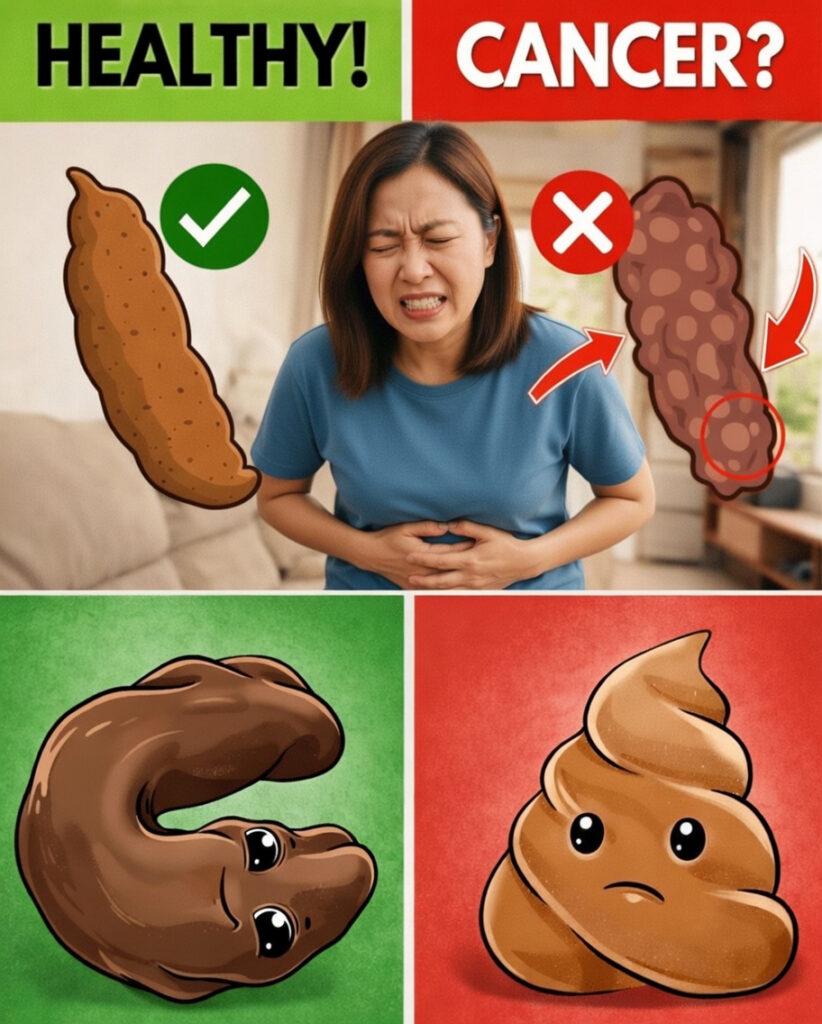
Could Your Stool Be Warning You About Your Health?
Most people flush and move on without thinking twice. But your stool can offer valuable clues about what is happening inside your body. Changes in color, shape, texture, smell, or bathroom frequency may reflect something as simple as not drinking enough water or eating too little fiber. In other cases, they can point to digestive problems that should not be ignored.
When these signs are overlooked, early warnings may be missed. That can lead to ongoing bloating, fatigue, discomfort, or more serious issues later. The encouraging part is that once you know what to watch for, small daily habits can improve gut health quickly. Below are 11 important stool changes to recognize, what they may mean, and what steps to take next. And yes, the final sign is one that even experienced health professionals say people often underestimate.
What Healthy Stool Should Look Like
A healthy bowel movement is usually:
- Soft but well-formed
- Medium to dark brown
- Smooth, like a sausage or a snake
- Easy to pass without straining
- Slow to sink in the toilet
This is the pattern many digestive health experts consider ideal. According to major gastroenterology sources such as the Cleveland Clinic, this type of stool suggests that digestion is working properly, hydration is adequate, nutrients are being absorbed, and gut bacteria are in a healthy balance.
If your stool regularly looks very different from this, it is worth paying attention. Think of it as a daily report from your digestive system.
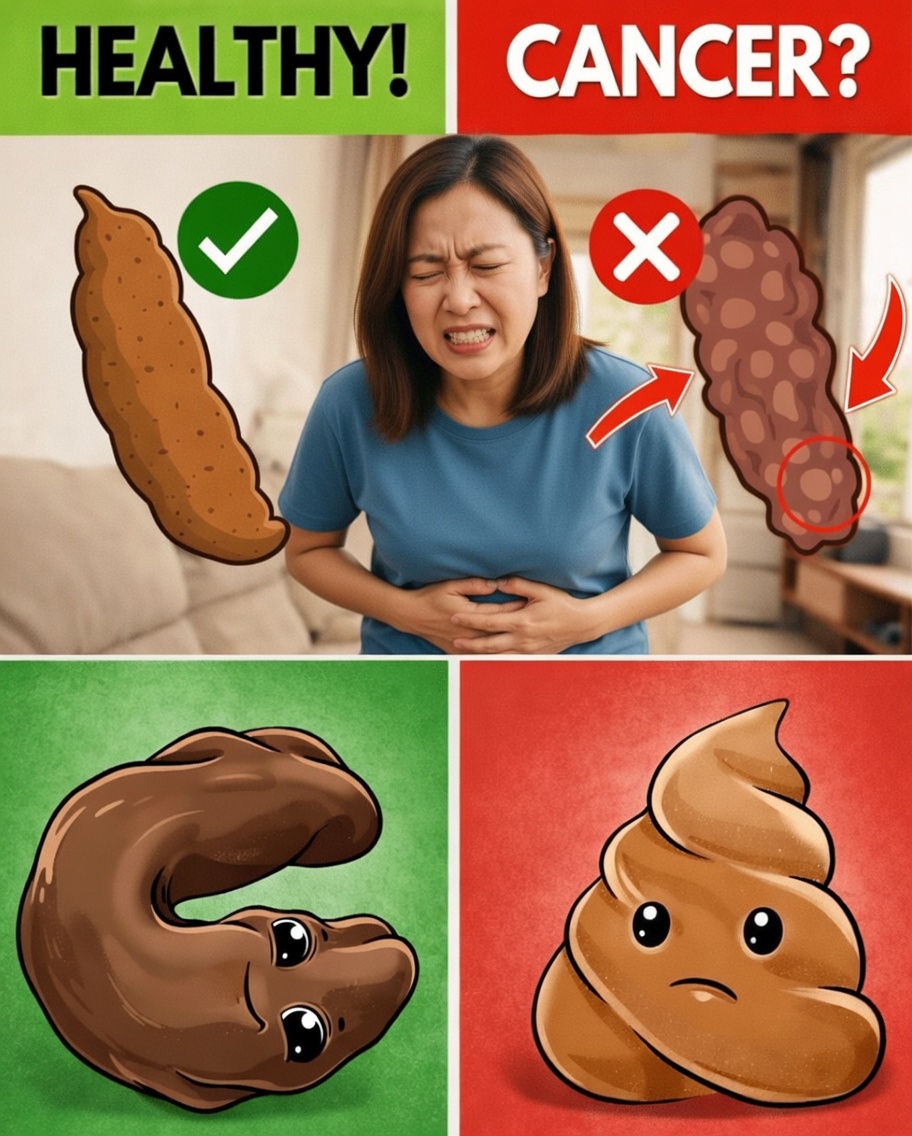
The Bristol Stool Scale: A Simple Way to Understand What You See
Doctors commonly use the Bristol Stool Scale to group stool into seven types. It is an easy at-home tool for spotting whether your digestion is moving too slowly, too quickly, or just right.
-
Type 1: Separate hard pellets
- Usually a sign of severe constipation
-
Type 2: Lumpy, sausage-like stool
- Often linked to mild constipation
-
Type 3: Sausage-shaped with cracks on the surface
- Generally considered normal
-
Type 4: Smooth, soft sausage or snake
- The ideal healthy stool
-
Type 5: Soft blobs with clear edges
- Slightly loose, but not always a problem
-
Type 6: Mushy stool with ragged edges
- Often points to mild diarrhea
-
Type 7: Entirely liquid with no solid pieces
- Severe diarrhea
In most cases, Types 3 and 4 are the goal. Types 1 and 2 suggest slow movement through the colon, while Types 6 and 7 mean stool is moving too fast.
11 Warning Signs Your Stool May Be Sending
1. Hard Pellets or Lumpy Stool
If your stool comes out in small hard pieces or dry, lumpy logs, constipation is the most likely cause. This usually happens when the colon pulls too much water from waste, often due to low fluid intake or not enough fiber.
Over time, chronic constipation may increase the risk of hemorrhoids or diverticular problems. The first line of improvement is usually simple:
- Drink more water
- Increase fiber-rich foods
- Move your body more regularly
2. Loose, Mushy, or Watery Stool
When stool is very soft or completely liquid, food may be passing through the gut too rapidly. This can happen because of:
- Viral stomach illness
- Food intolerance
- Digestive irritation
- Stress or anxiety
Frequent diarrhea can quickly lead to dehydration and reduce nutrient absorption, so persistent symptoms should not be ignored.
3. Black or Tarry Stool
Very dark, sticky, tar-like stool can sometimes signal digested blood from the upper digestive tract. In some situations, it may also be caused by iron supplements or medicines containing bismuth.
Still, if this change appears suddenly and you cannot explain it, medical advice is important.
4. Bright Red Blood or Red Streaks
Seeing red in the toilet can be alarming. Sometimes the cause is minor, such as hemorrhoids or a small tear from straining. However, blood mixed into the stool itself deserves proper evaluation.
Do not assume it is harmless, especially if it keeps happening.

5. Pale, Gray, or Clay-Colored Stool
Normal stool gets its brown color from bile. If stool becomes unusually pale, gray, or clay-like, it may mean bile is not reaching the intestines as it should.
This can be associated with problems involving the:
- Liver
- Gallbladder
- Bile ducts
Because this sign is easy to dismiss, many people do not notice its importance until other symptoms develop.
6. Bright Green Stool
Green stool is not always a problem. Foods like spinach, kale, or green smoothies can easily cause it. But if you are not eating obvious green foods and this keeps happening, it may suggest stool is moving through the intestines too quickly.
That can happen with infection, irritation, or diarrhea-related digestive upset.
7. Pencil-Thin or Ribbon-Like Stool
A stool that suddenly becomes much narrower than usual and stays that way for several days should not be ignored. In some cases, irritable bowel syndrome may play a role. But persistent, unusually thin stool can also mean the colon is becoming narrowed.
This is one of the changes doctors often want checked promptly.
8. Stool That Floats Often
Floating stool is often caused by excess gas. Sometimes it follows a rich or heavy meal and is not serious. But if stool floats frequently, it may point to poor fat absorption.
Possible causes include:
- Malabsorption problems
- Celiac disease
- Pancreatic dysfunction
Occasional floating is usually not a concern. Repeated episodes are worth discussing with a healthcare professional.
9. Mucus in the Stool
A small amount of mucus can be normal because it helps stool pass smoothly. But larger amounts, stringy mucus, or a jelly-like coating may indicate inflammation in the digestive tract.
This can be seen with:
- IBS flare-ups
- Infections
- Inflammatory bowel conditions
10. Greasy Stool or an Oily Film in the Toilet
If your stool leaves behind an oily residue, appears greasy, or smells unusually foul, your body may not be absorbing fats properly. This symptom is more common than many people realize and can be a clue that the pancreas or small intestine needs attention.
11. A Sudden, Lasting Change in Frequency or Size
This is one of the most overlooked warning signs. If your normal pattern changes without a clear reason, pay attention. That may mean:
- Going from once daily to several times a day
- Suddenly becoming constipated
- Passing much smaller or larger stools than usual
When this change continues, especially alongside blood, narrow stools, pain, or fatigue, doctors become more concerned that something deeper may be going on.
Do Not Panic, But Do Pay Attention
There is a reason alarming stool-related headlines and social media posts get so much attention. Most changes are not caused by serious disease. But repeated abnormalities such as blood, black stool, pencil-thin stool, or unexplained shifts in bowel habits are exactly the kind of symptoms healthcare providers take seriously.
Awareness matters more than fear.
5 Practical Habits to Improve Stool Quality Fast
If you want healthier bowel movements soon, these evidence-based habits are a strong place to start:
-
Drink 8 to 10 glasses of water a day
Add lemon or fruit slices if plain water feels boring. -
Get 25 to 30 grams of fiber from whole foods
Good choices include oats, beans, apples, berries, broccoli, and lentils. -
Walk for 20 to 30 minutes after meals
Gentle movement helps stimulate digestion naturally. -
Chew slowly and eat with attention
Digestion begins in the mouth, not the stomach. -
Include probiotic foods regularly
Plain yogurt, kefir, kimchi, or sauerkraut may support gut balance.
Many people notice easier, more regular bowel movements within one to two weeks of making these changes.
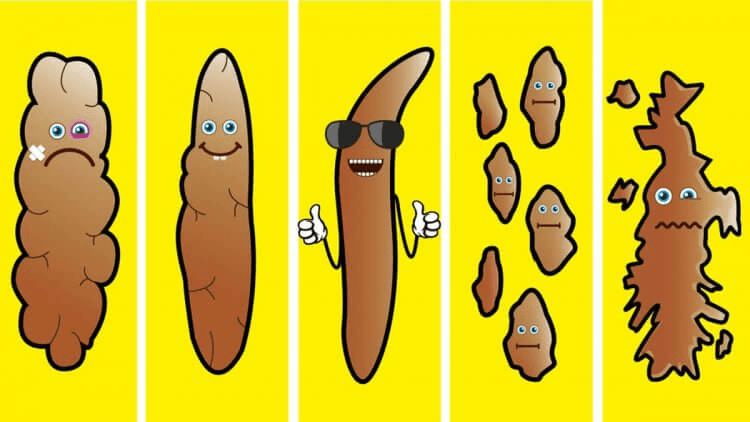
Healthy vs. Concerning Stool: Quick Comparison
Healthy Stool
- Smooth, sausage-like shape
- Medium brown color
- Soft but formed texture
- Easy to pass
- Usual, predictable frequency
- Sinks slowly
Concerning Stool
- Hard pellets, ribbon-like shape, or watery texture
- Black, bright red, pale, gray, or greasy appearance
- Painful, urgent, or incomplete bowel movements
- Sudden changes in timing or amount
- Frequent floating
- Excess mucus or unusually foul odor
Keeping a mental note of these patterns can help you recognize when something is changing.
Why Stool Changes Happen
The colon shapes stool and removes water based on what is happening inside your body. That means even small lifestyle shifts can make a big difference.
Common influences include:
- Too little fiber and water, which can lead to hard stool
- Too much caffeine, which may loosen stool
- Stress, which can speed up digestion
- Travel, which often changes bathroom habits
- Medications, which can alter color, texture, or frequency
- Hormonal changes, which may affect bowel movement patterns
Research continues to show that diets rich in plant foods tend to support the healthiest stool patterns over time, especially Bristol Types 3 and 4.
When You Should Call a Doctor
Seek medical advice promptly if you notice any of the following:
- Red or black blood in the stool
- Pencil-thin stool lasting more than a few days
- Unexplained weight loss
- Fatigue combined with bowel changes
- Pale or clay-colored stool
- Ongoing diarrhea or constipation
- Any digestive change that lasts more than two weeks
Routine screening and early evaluation can make a major difference. In many cases, the underlying problem is treatable when identified early.
Conclusion
Your bathroom habits may not be a popular topic at the dinner table, but they are one of the clearest daily reflections of your health. By learning what healthy stool looks like and recognizing these 11 warning signs, you give yourself a better chance to catch issues early and improve your digestive health with simple daily choices.
Listen to what your body is telling you. It often speaks through the signs you see every day.
Frequently Asked Questions
What color is considered normal for stool?
Healthy stool is usually medium to dark brown. If it suddenly becomes black, bright red, pale, gray, or very green without an obvious food or medication explanation, it should be discussed with a doctor.
Is floating stool always a problem?
Not always. Stool may float occasionally because of extra gas, especially after certain meals. But frequent floating, particularly with greasy texture or foul odor, may suggest fat malabsorption.
When should I worry about constipation?
If hard, lumpy stool happens often, causes pain, or lasts for more than a few days despite better hydration and fiber, it is worth checking with a healthcare provider.
Can diet really change stool that much?
Yes. Low fiber, poor hydration, processed foods, and high stress can all affect stool shape and consistency. On the other hand, plant-rich foods, enough water, and regular movement often improve bowel habits quickly.