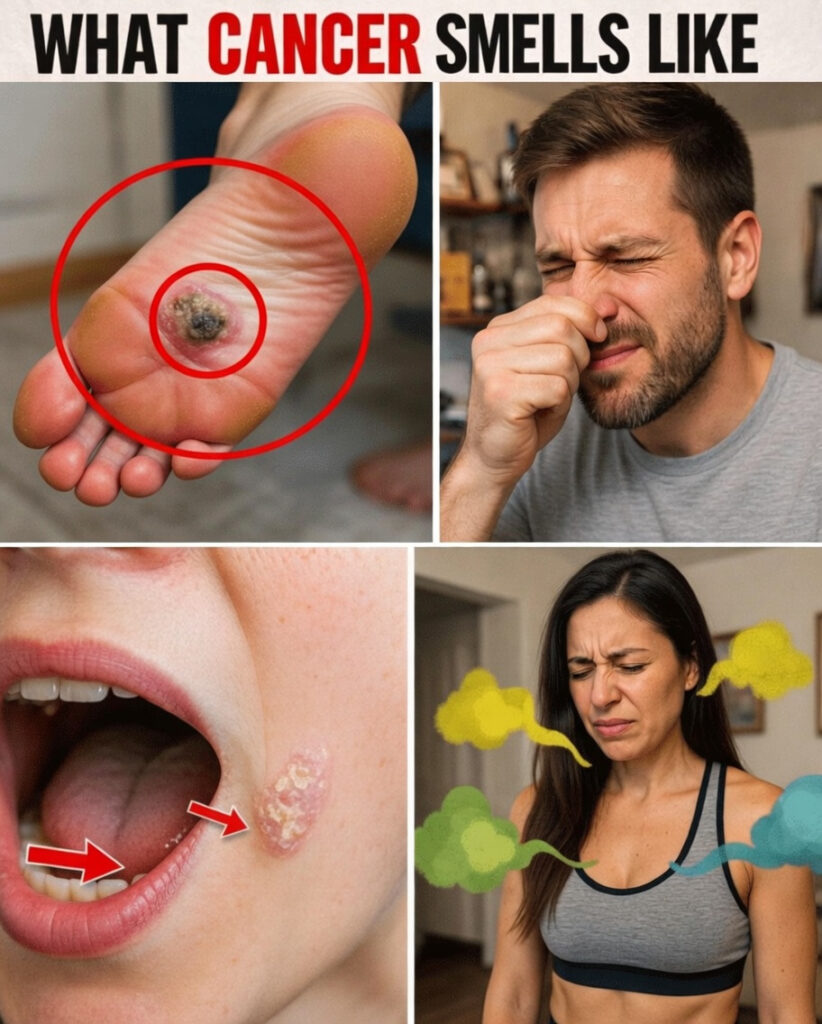
Subtle Body Odors After 45: 8 Changes You Should Not Ignore
Many adults over 45 begin to notice slight changes in body odor that seem to linger, even with good hygiene habits like brushing twice daily or showering regularly. These shifts are often dismissed as a normal part of aging or blamed on food choices, but they can quietly affect confidence and create concern about what may be happening inside the body.
It becomes even more frustrating when a familiar scent suddenly seems different and refuses to go away. You may start questioning your routines, avoiding close social contact, or wondering whether something more serious is behind it. The good news is that noticing these subtle body odors early can lead to timely conversations with a healthcare provider, offering reassurance and sometimes important health insights.
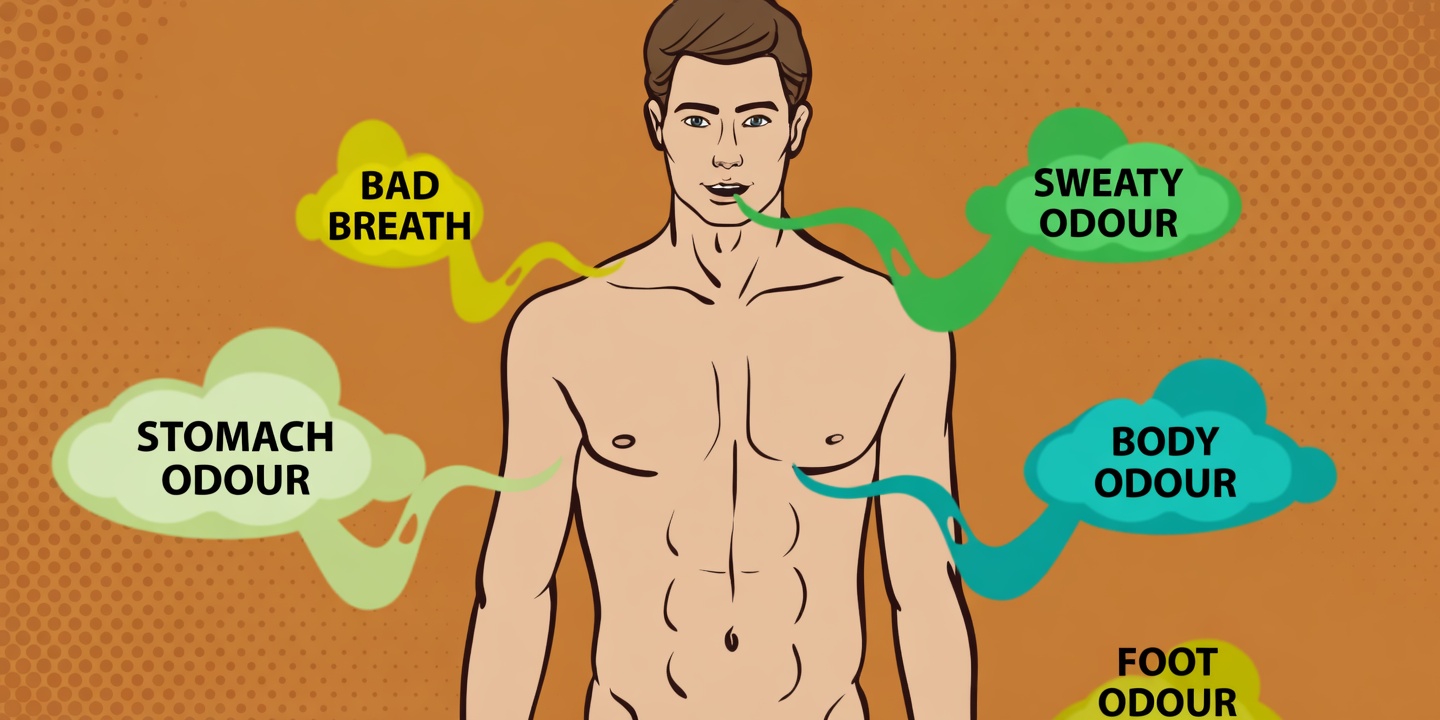
What makes this topic especially important is that researchers have identified specific odor patterns linked to volatile organic compounds, or VOCs. These compounds may appear in breath, sweat, urine, or other bodily fluids. Knowing the most overlooked odor changes can help you respond early rather than waiting for small warning signs to become harder to ignore.
Why Subtle Body Odors Can Matter More Than People Realize
Body odor is not always just about hygiene. Changes in metabolism, hormone levels, infections, and other medical conditions can influence the scent of breath, sweat, urine, and stool. In some cases, abnormal cells and health disturbances release VOCs that produce a noticeable shift in smell.
Research has shown that certain odor patterns may appear early. Studies have reported distinctive VOC signatures in skin samples from people with skin-related abnormalities, while animal research has suggested that lung-related changes can alter the scent of urine. Of course, everyday factors such as stress, diet, medications, and dehydration can also affect odor, so not every change is a cause for alarm.
Still, if a new odor persists without a clear explanation, especially when it appears alongside fatigue, pain, weight changes, unusual discharge, or digestive symptoms, it deserves attention. Awareness does not mean panic. It simply means giving your body’s signals the respect they deserve.
8 Overlooked Body Odors Worth Paying Attention To
These odor changes are not automatic signs of serious illness, but they are important enough to notice when they are persistent, unusual, or paired with other symptoms.
1. Persistent Bad Breath That Does Not Improve With Brushing
Imagine someone in her late 50s dealing with breath that smells unpleasant no matter how often she brushes, uses mouthwash, or reaches for mints. This kind of odor may feel deeper and more persistent than the usual effects of coffee or certain foods.
Research suggests that some head and neck conditions can change the bacterial balance in the mouth, creating stubborn bad breath that oral care alone may not solve. If breath odor continues despite good dental hygiene, it is worth keeping track of.
2. A Sudden Fishy Vaginal Odor
A woman in her early 60s may notice a new strong fishy odor during normal daily activities, sometimes accompanied by unusual discharge. If over-the-counter remedies do not help, the change can become both uncomfortable and embarrassing.
Studies suggest that gynecological changes can alter vaginal pH and secretions, which may create a more noticeable odor. While many causes are treatable, ignoring the problem can delay a simple exam that may bring relief.
3. Foul-Smelling Urine That Is Not Caused by Dehydration
A man in his mid-50s may notice that his urine has become unusually sharp or offensive even though he is drinking enough water and has not eaten foods commonly known to affect urine odor.
Some reports connect urinary tract or metabolic changes to this type of smell. When the odor remains unexplained or is paired with pain, dark urine, or other symptoms, it makes sense to bring it up with a doctor.
4. New Onion-Like Sweat Odor
An otherwise active person around age 60 may suddenly notice underarm sweat smelling strongly like onions, even after showering and applying deodorant. If others begin to notice it too, the emotional impact can be significant.
Research into skin VOCs suggests that certain metabolic or skin-related changes can affect the smell of sweat. A sudden, unexplained shift in body odor is worth monitoring, especially if it comes with skin irritation or other changes.
5. Sweet or Fruity Breath Similar to Overripe Fruit
A woman in her late 60s might detect a sweet, fruity odor on her breath, sometimes resembling acetone or nail polish remover. At first, she may blame diet or fasting, but the scent continues.
Breath studies involving VOCs have found that some lung-related and metabolic conditions can produce this acetone-like smell. If this happens without a dietary reason and is accompanied by tiredness or unintentional weight loss, professional evaluation is a smart next step.
6. Extremely Foul-Smelling Stool
A man nearing 60 may notice bowel movements that smell far worse than usual, to the point that the odor feels abnormal and alarming. Embarrassment often keeps people from talking about it openly.
Advanced colorectal changes can sometimes contribute to bleeding, poor absorption, or digestive disruption that causes unusually pungent stool. If the smell is persistent or comes with abdominal pain, blood, or altered bowel habits, it should not be ignored.

7. Ammonia-Like Sweat or Skin Odor
A woman in her mid-60s may begin noticing a strong ammonia smell coming from her skin after light activity, despite no major changes in diet or exercise.
Certain metabolic issues, including some liver-related disturbances, may contribute to this type of odor. While there are many possible causes, a lingering ammonia smell is worth discussing with a healthcare professional, particularly if other symptoms such as yellowing skin or fatigue appear.
8. A General Musty or “Off” Body Odor
Sometimes the change is not tied to one specific body fluid. Instead, a person develops an overall musty, stale, or slightly decaying odor that seems unusual. In some cases, others notice it first, especially in areas like the armpits.
Anecdotal reports and VOC research suggest that whole-body scent can shift when broader health changes are happening. Trusting your instincts about a body odor that feels clearly different can help you take action early without jumping to worst-case conclusions.
Everyday Odor Changes vs. Potential Warning Signs
The table below can help distinguish common odor changes from patterns that may need more attention. Most odor shifts are harmless, but persistence plus other symptoms should prompt a medical conversation.
| Odor Type | Common Benign Causes | Potential Concerning Features | When to Pay Attention |
|---|---|---|---|
| Bad breath | Diet, poor oral hygiene | Strong odor that continues despite brushing | If paired with mouth sores, lumps, or persistent discomfort |
| Fishy vaginal odor | Bacterial imbalance, infections | Discharge, bleeding, irritation | Especially important after menopause |
| Strong urine odor | Dehydration, certain foods | Pain, dark color, unexplained persistence | When it continues despite hydration |
| Onion-like sweat | Food choices, stress | Sudden onset, unusual intensity, one-sided smell | If accompanied by skin changes |
| Fruity breath | Keto diet, fasting | Fatigue, weight loss, no diet change | When it appears without an obvious reason |
| Foul stool | Diet, temporary infection | Blood, lasting change, abdominal pain | If severe or persistent |
| Ammonia-like sweat | Exercise, high protein intake | Strong lingering odor, yellowing skin | If it happens repeatedly |
| Musty overall odor | Hormonal shifts, aging | Noticeable to others, unexplained fatigue | When it feels new and persistent |
This comparison can make subtle body odors easier to assess without causing unnecessary fear.
What to Do If You Notice These Body Odor Changes
Reading about unusual body odors can feel unsettling, but most odor changes are not serious and may improve with simple adjustments. The key is to stay observant rather than alarmed.
Start with these steps:
-
Track the pattern
- Note when the odor began
- Record how strong it is
- Watch for related symptoms such as fatigue, discharge, pain, or weight changes
-
Review common triggers
- Consider diet changes
- Check hydration levels
- Think about new medications or supplements
- Maintain regular hygiene to rule out simple causes
-
Schedule a medical check-up
- Describe the odor clearly
- Mention how long it has lasted
- Share any accompanying symptoms
-
Do not rely on internet guesses alone
- Many harmless issues can change body odor
- Some more significant conditions can do the same
- A full evaluation gives the best clarity
Research into VOC detection, including studies where trained dogs identified patterns in breath or biological samples with impressive accuracy under controlled conditions, suggests that odor awareness may become even more useful in future screening tools. However, these approaches do not replace standard medical care.
Many people who acted on persistent body odor changes report feeling more empowered than frightened. Paying attention to subtle shifts can turn uncertainty into a proactive step toward better health.
Taking Control: Your Next Steps
The main body odors worth watching include:
- Bad breath that does not improve with brushing
- A new fishy vaginal odor
- Persistent foul-smelling urine
- Sudden onion-like sweat
- Sweet or fruity breath
- Extremely foul-smelling stool
- Ammonia-like sweat or skin odor
- A general musty or unusual whole-body smell
These signs do not automatically point to a serious problem. In many cases, the cause is minor and treatable. But when an odor is new, persistent, and unexplained, especially with other symptoms, it is wise to take it seriously.
Listening to your body does not mean expecting the worst. It means recognizing that even subtle changes can provide useful clues. Early attention may bring peace of mind, faster answers, and in some cases, a chance to address a problem before it becomes more difficult to manage.