Waking Up Thirsty at Night? It Could Be an Early Warning Sign
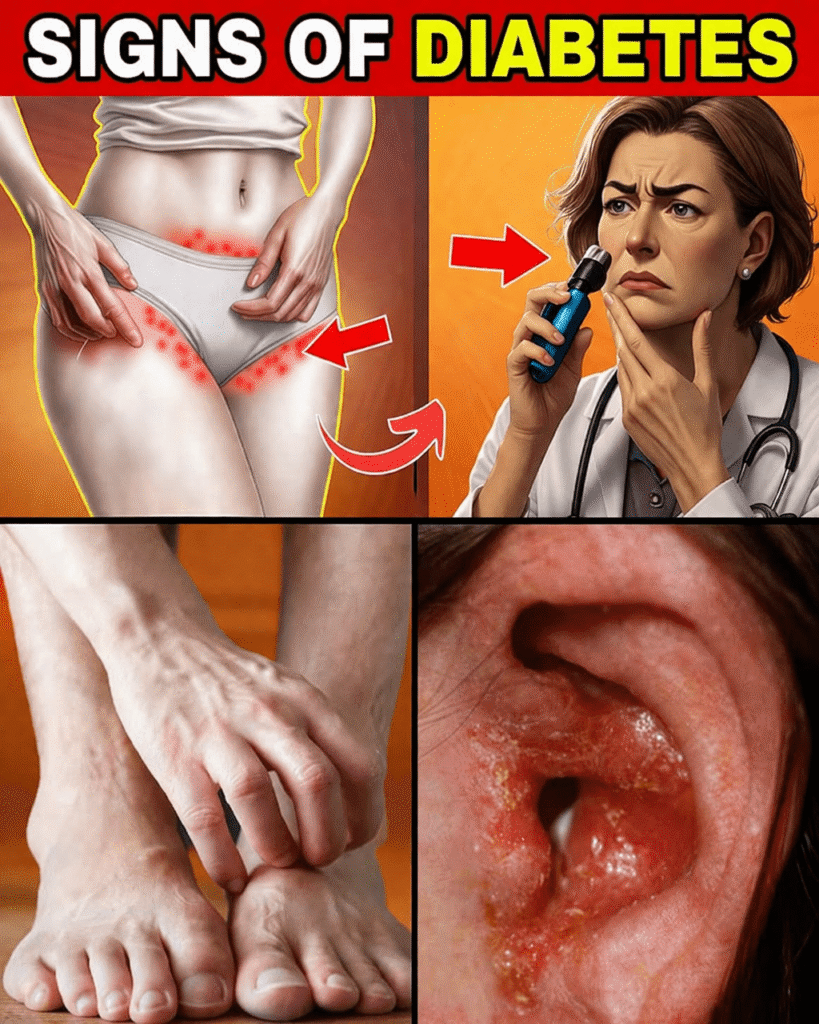
You wake up in the middle of the night with a dry mouth and immediately reach for water. Then it happens again. During the day, you feel drained for no clear reason, even though you thought you slept enough. These changes may seem minor, and many people over 45 blame them on stress, aging, or even warmer weather.
But elevated blood sugar can begin affecting the body quietly, long before diabetes is diagnosed. Constant thirst, dry mouth, and more frequent trips to the bathroom are often signs that your body is trying to deal with too much glucose in the bloodstream. When these subtle symptoms are ignored, they can lead to growing concern about your energy, your sleep, and your long-term health.
The good news is that recognizing the early signs of diabetes can help you act sooner and protect your well-being. Among all these warning signals, one symptom deserves special attention because it may point to a higher risk of serious complications if left unchecked.
Why the Early Signs of Diabetes Are Easy to Miss
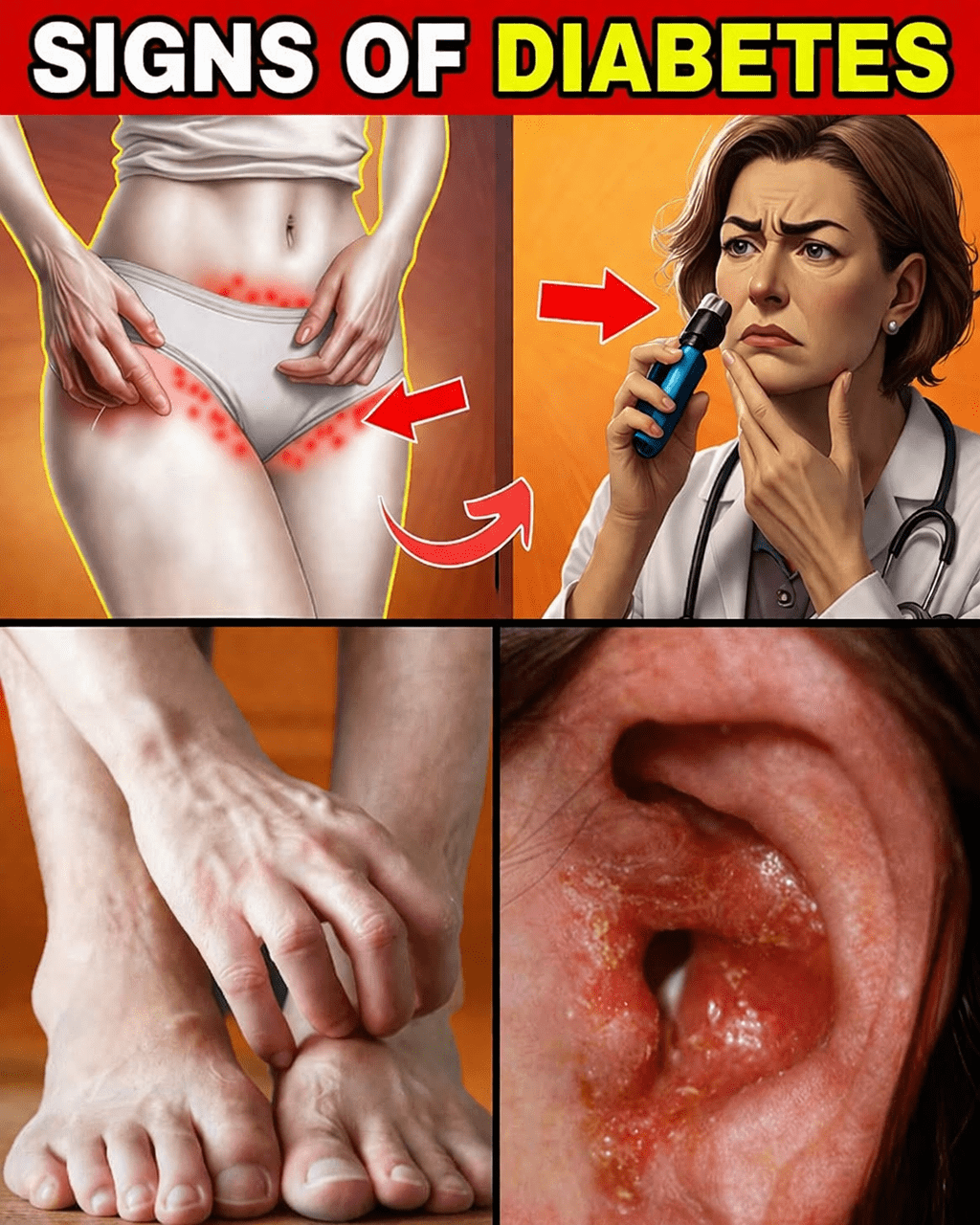
Type 2 diabetes usually develops slowly. According to major medical organizations such as the Mayo Clinic, symptoms often appear so gradually that they are mistaken for normal changes linked to age or a busy lifestyle.
Fatigue may be dismissed as overwork. Increased thirst may seem like a result of dry air or dehydration. Mood changes, headaches, or blurry vision may not immediately raise concern. Yet behind the scenes, high blood sugar can begin damaging blood vessels and nerves.
This is one reason so many people live with prediabetes or undiagnosed diabetes without realizing it. The symptoms can be mild at first, but over time they may interfere with sleep, concentration, mobility, and daily confidence.
How High Blood Sugar Quietly Disrupts the Body
When glucose levels remain elevated, the kidneys work harder to remove the excess sugar through urine. That process causes fluid loss, which can trigger several classic diabetes symptoms at the same time.
As a result, you may feel thirsty, dehydrated, tired, and mentally foggy. Sleep can also suffer if nighttime urination becomes frequent. What looks like a simple lack of energy may actually be your body struggling to regulate blood sugar.
Many people do not connect these symptoms until testing reveals a problem. Someone in their 50s, for example, may assume constant fatigue is just part of getting older, when in fact it could be an early metabolic warning sign. Understanding these signals early can reduce uncertainty and help you take practical next steps.

15 Early Signs of Diabetes to Watch Closely
Health authorities including the American Diabetes Association and Mayo Clinic identify the following symptoms as possible early signs of diabetes. If several of these apply to you, it is a good idea to speak with a healthcare professional.
15. Dry Mouth or Itchy Skin
High blood sugar can draw moisture away from body tissues, leaving the mouth dry and the skin irritated. This can affect comfort throughout the day and may become increasingly frustrating over time.
14. Gum Problems or Frequent Oral Infections
Changes in oral health are sometimes overlooked. Ongoing gum irritation, swelling, or repeated mouth infections may be connected to blood sugar imbalance and should not be ignored.
13. Tingling or Numbness in the Hands or Feet
Pins-and-needles sensations can signal early nerve involvement. This symptom may seem mild at first, but it can gradually affect balance, comfort, and everyday movement.
12. Irritability or Mood Swings
Blood sugar fluctuations do not just affect the body physically. They can also influence mood, making you feel more irritable, tense, or emotionally overwhelmed than usual.
11. Darkened Patches of Skin
Velvety, darker areas of skin, especially around the neck, armpits, or other body folds, may be a sign of insulin resistance. This visible change is often associated with early diabetes risk.
10. Recurring Yeast Infections
Higher glucose levels can create an environment where yeast grows more easily. Repeated infections can become both physically uncomfortable and emotionally draining.
9. Increased Hunger Without a Clear Reason
Feeling hungry soon after eating may happen when the body's cells are unable to use glucose properly for energy. This can make appetite feel unusually hard to control.
8. Slow-Healing Cuts or Sores
This is one of the most important warning signs to pay attention to. High blood sugar can reduce circulation and slow the body's ability to heal. Even a small cut may take much longer than expected to improve.
If ignored, slow-healing wounds can raise the risk of infection, ulcers, and more serious complications. That is why this symptom stands out among the early signs of diabetes and deserves prompt medical attention.
7. Frequent Infections
When blood sugar remains high, the body's defenses may not work as effectively. Repeated bladder, skin, or other infections can be a clue that something deeper is going on.
6. Unexplained Weight Changes
Unexpected weight loss or gain may occur when the body is no longer processing glucose efficiently. These changes can be confusing, especially when diet and activity habits have not changed much.
5. Frequent Headaches
Dehydration and blood sugar swings may trigger recurring headaches. If they appear alongside thirst, fatigue, or blurry vision, they may deserve a closer look.
4. Blurred Vision
Changes in glucose levels can temporarily affect the shape of the eye's lens, leading to blurry sight. This may come and go, but it should never be brushed aside.
3. Extreme Fatigue
Persistent exhaustion is a common early symptom. When the body cannot use sugar efficiently for fuel, even normal activities can begin to feel unusually tiring.
2. Increased Thirst
One of the classic warning signs of diabetes is ongoing thirst. As the body tries to dilute excess sugar and replace lost fluids, the urge to drink more can become constant.
1. Frequent Urination
This is often the most noticeable early sign. The kidneys work to remove extra glucose through urine, leading to more bathroom visits, especially at night. Over time, this can disrupt sleep and worsen fatigue during the day.
Common Symptoms vs More Concerning Warning Signs
It helps to separate familiar symptoms from those that may suggest a greater risk of complications.
Common Early Indicators
- Increased thirst
- Frequent urination
- Fatigue
- Hunger
- Headaches
More Concerning Symptoms
- Slow-healing cuts or sores
- Vision changes
- Numbness or tingling
- Repeated infections
- Persistent skin changes
Why This Matters
- Mild symptoms may seem easy to ignore, especially when they resemble stress or aging.
- More serious symptoms can point to deeper effects on nerves, circulation, and healing.
- When several signs appear together, blood sugar testing becomes especially important.

Real-Life Examples Show Why Early Awareness Matters
Many people do not recognize the early signs of diabetes at first. A woman may think her fatigue and constant thirst are simply part of a hectic routine, only to later discover that blood sugar levels were the cause. Once she receives proper guidance, her energy and sense of control can improve.
In another case, a man notices that a sore on his foot is taking far too long to heal. What seemed minor at first turns out to be one of the more serious warning signs. Getting medical attention early can prevent that kind of issue from becoming much worse.
These examples show why awareness matters. Small symptoms can lead to important answers.
When You Should Get Checked
If you have noticed several of these symptoms, especially if you are over 45 or have a family history of diabetes, it may be time to speak with your doctor. Common screening tools include:
- A1C test
- Fasting blood glucose test
- Other routine blood sugar evaluations recommended by your healthcare provider
You do not need to panic, but you also should not ignore repeated patterns.
Simple Steps You Can Take Right Now
If you suspect possible early signs of diabetes, start with a few practical actions:
- Track symptoms such as thirst, fatigue, blurry vision, and bathroom frequency for one week.
- Review your family medical history for diabetes or prediabetes patterns.
- Schedule a routine health check if you are over 45 or have risk factors such as excess weight, inactivity, or a family history of the condition.
- Pay special attention to any sore, cut, or skin problem that heals slowly.
- Seek medical advice promptly if symptoms appear together or become more noticeable.
Final Thought
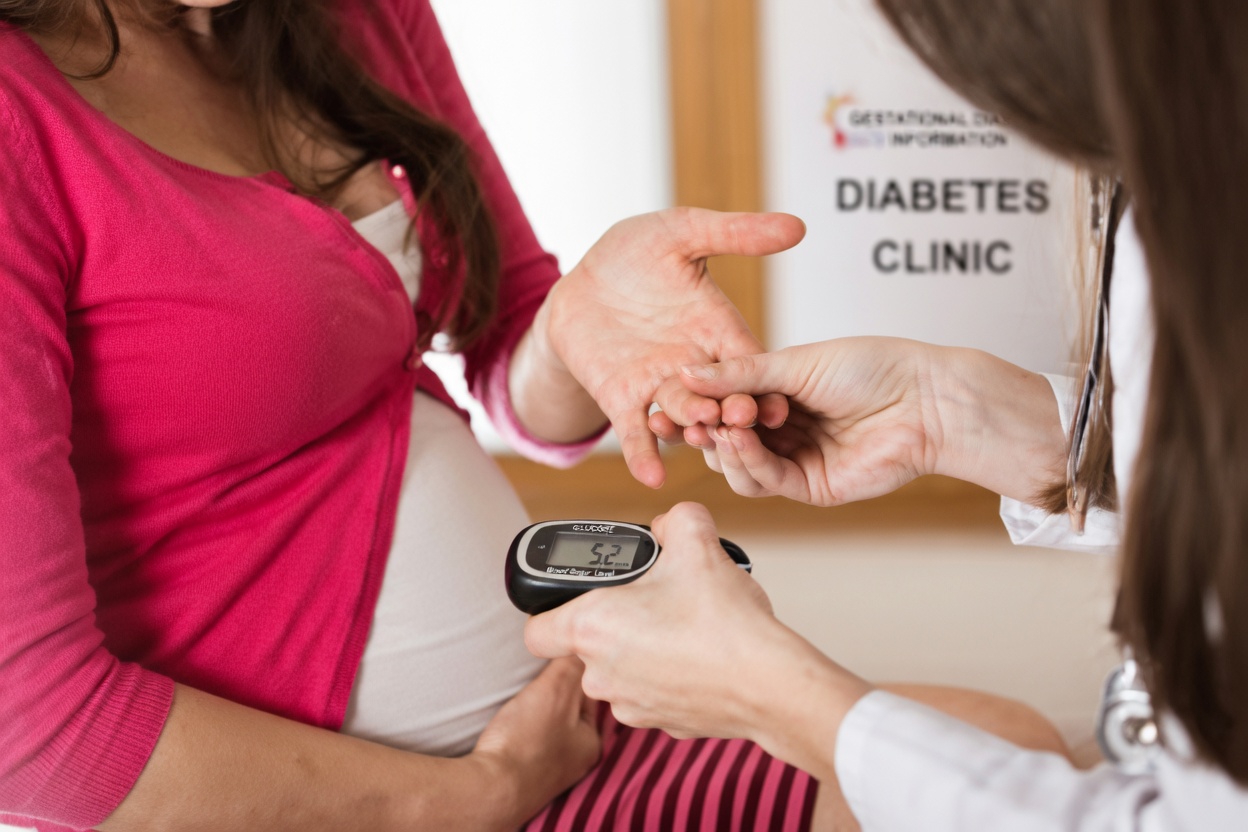
The early signs of diabetes are often subtle, but they should not be dismissed. Thirst, fatigue, blurry vision, hunger, and frequent urination may all seem manageable on their own. However, when they occur together, they can be your body's way of signaling that blood sugar is no longer under control.
Among all of these symptoms, slow-healing cuts or sores deserve especially close attention because they may point to a higher risk of complications if ignored.
The sooner you notice the signs, the sooner you can take simple steps toward better health, more energy, and greater peace of mind.