7-Minute Daily Exercises for People Over 60 to Move More Easily Every Day
You get out of bed and immediately notice the familiar tightness in your knees. Leaning down to tie your shoes feels harder than it used to, and a simple task like carrying groceries can leave your lower back tense for the rest of the day. These daily exercises for people over 60 are designed to help with exactly those common challenges.
The best part? You do not need a gym, special gear, or extra time. This routine takes just seven minutes and can easily fit into your morning while the coffee is brewing.
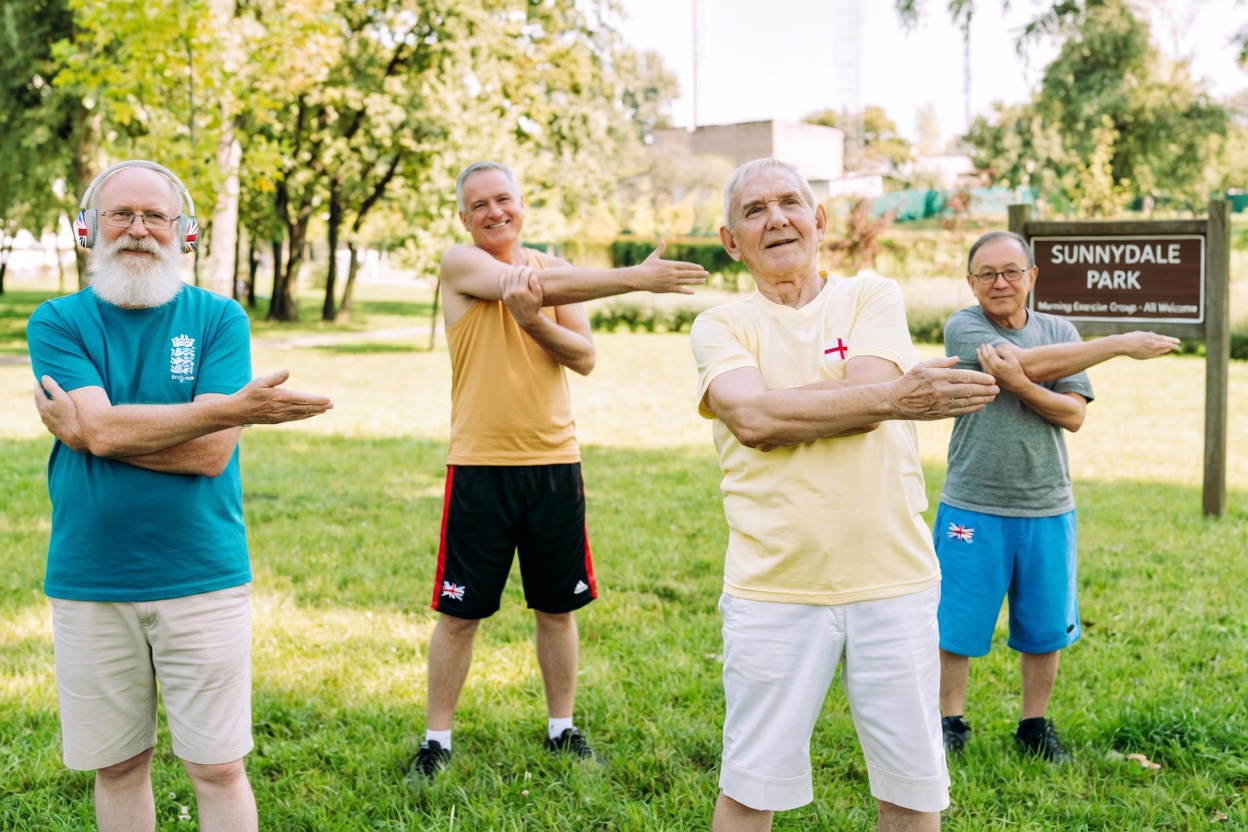
Here is what many people realize later than they should: these three basic movements are not complicated because they are ineffective. In fact, they are some of the most natural movement patterns your body depends on every day. Practiced consistently, these daily exercises for people over 60 may help you stay more mobile, steady, and comfortable as you age.
1. The “Grandma Squat” for Knee and Hip Support
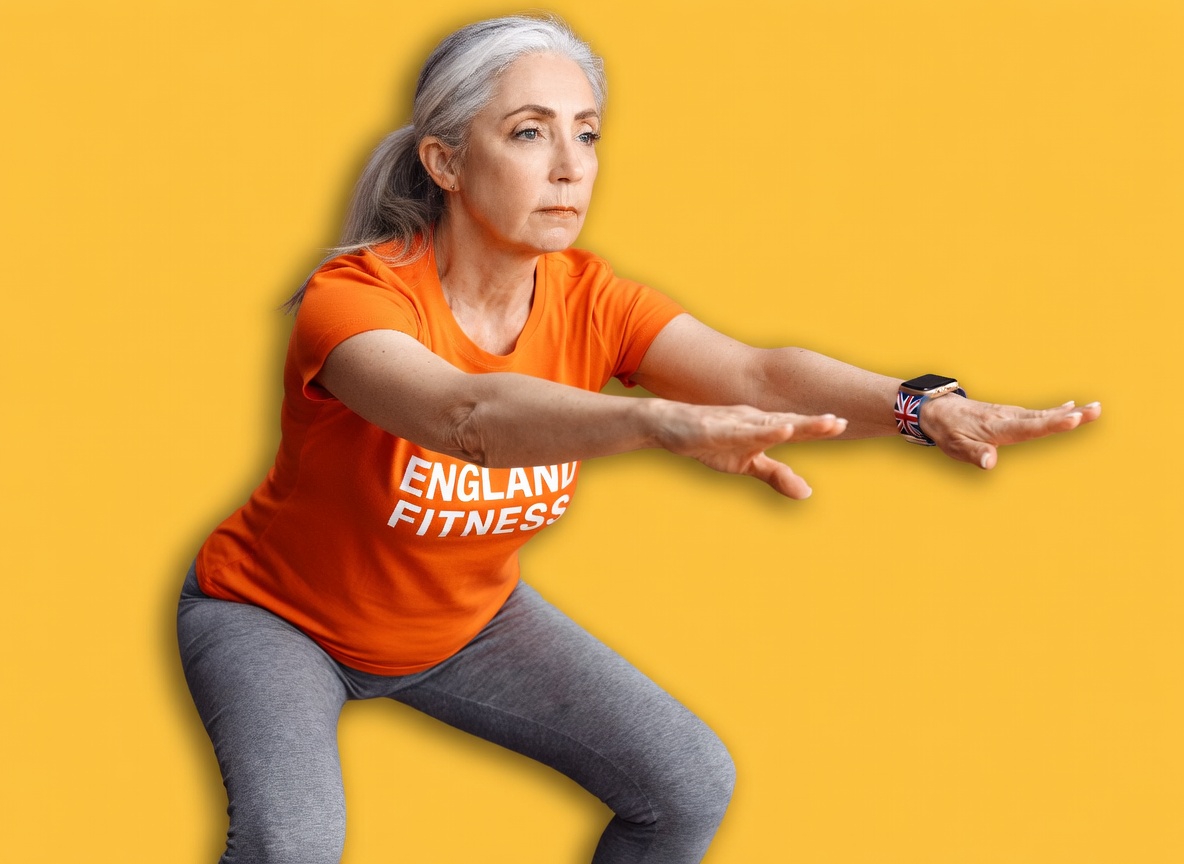
To begin, stand with your feet about shoulder-width apart. Extend your arms in front of you for balance. Slowly lower your body as if you are about to sit in a chair, going only as low as feels safe and comfortable. Pause briefly at the bottom, then press back up to standing.
- Do 10 to 15 slow, controlled repetitions
- Total time: about 2 minutes
This movement strengthens the muscles in your legs that help with everyday actions such as getting out of a chair, using the stairs, and standing up with less effort. Research suggests that gentle, regular squatting may help improve lower-body function and balance in adults over 60.
Many people first notice a mild warmth in the thighs, which is often a sign that the leg muscles are starting to engage.
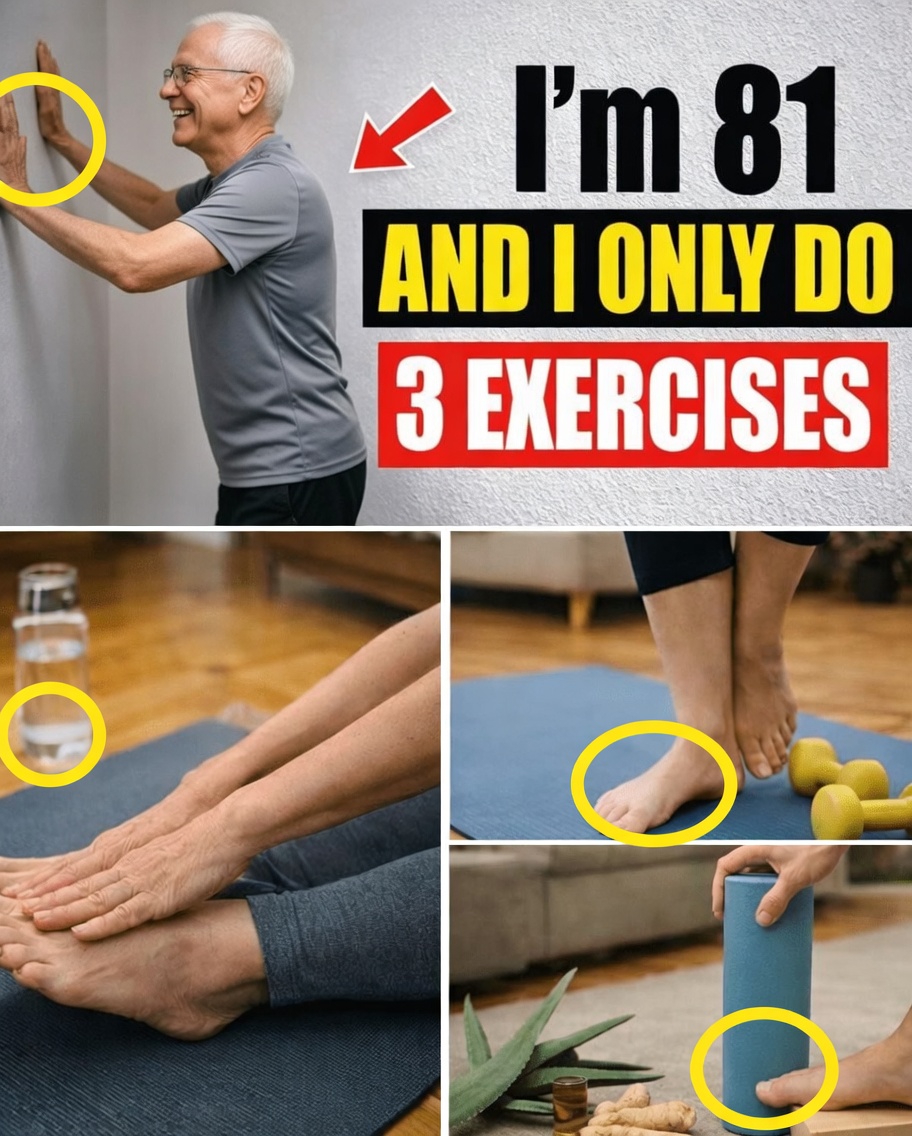
2. The “Wall Push-Up Plus” for Shoulder Stability and Better Posture
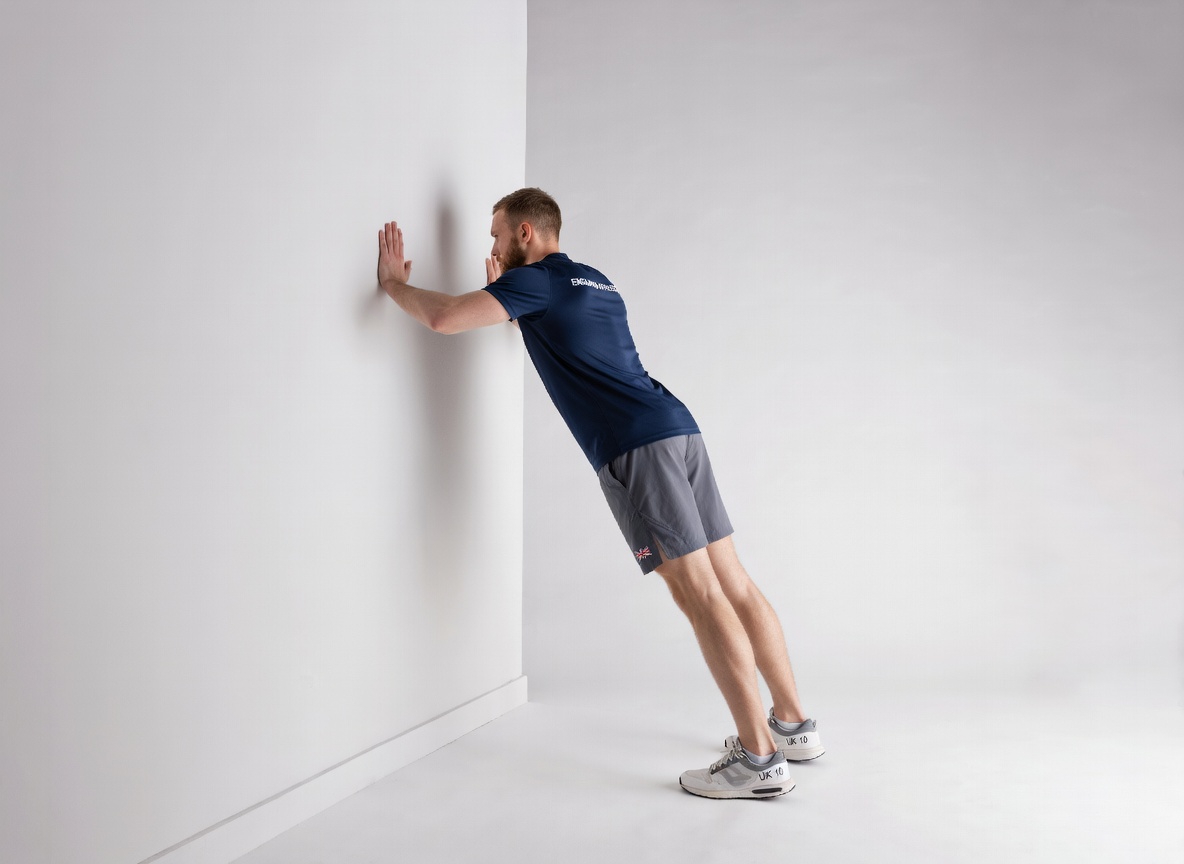
Stand facing a wall and place your hands on it at shoulder height. Lean your body forward in a controlled way until your face comes close to the wall. Then push yourself back to the starting position. Once you return to the top, gently draw your shoulder blades together, as if you are lightly holding a pencil between them.
- Do 15 to 20 repetitions
- Total time: about 3 minutes
This is an important part of these daily exercises for people over 60 because it activates the muscles that support the shoulders and help you maintain an upright posture. Studies suggest that wall-based upper-body movements can be useful for improving shoulder control and stability in older adults.
After a couple of weeks, many people say reaching overhead or forward starts to feel smoother and more natural.
3. The “Dead Bug” for Core Strength and Back Support
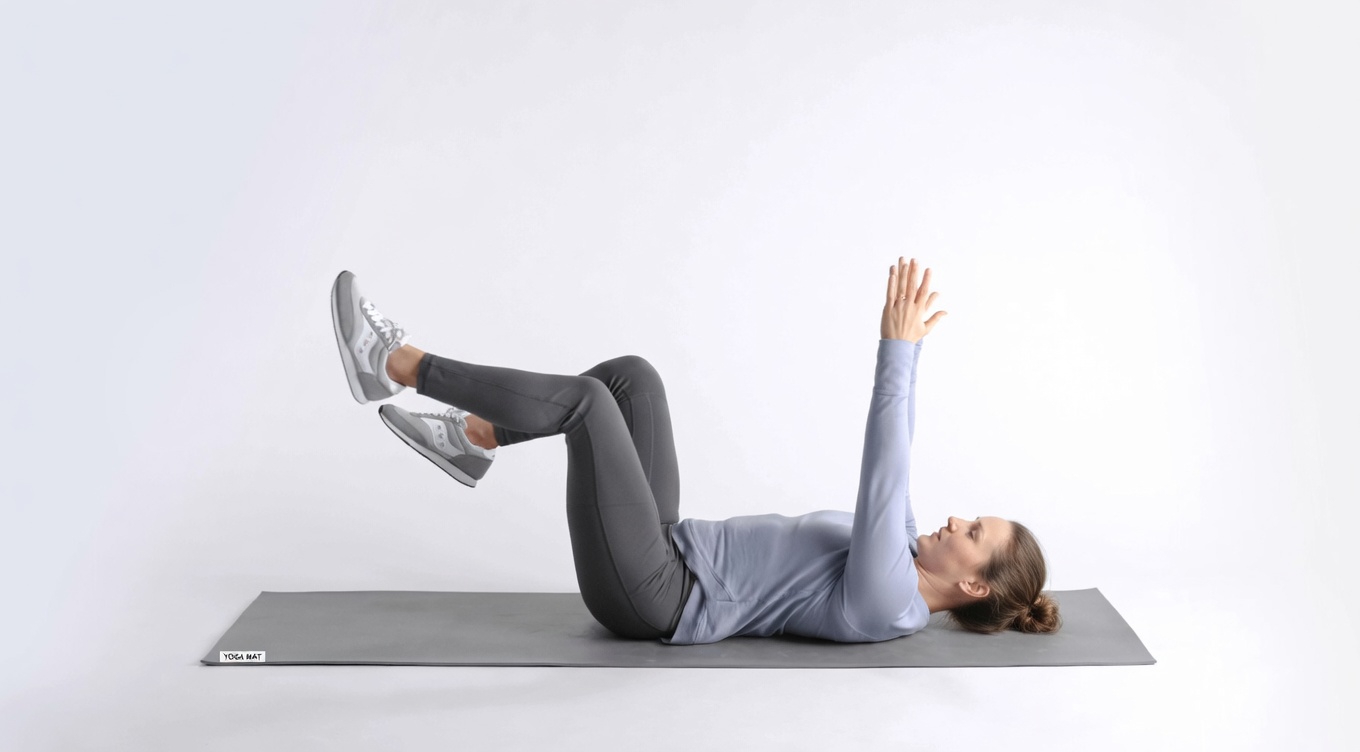
Lie on your back with your arms pointing upward and your knees bent at 90 degrees above your hips. From this position, slowly lower one arm and the opposite leg toward the floor while keeping your lower back gently pressed down. Return to the starting position, then switch sides.
- Do 10 to 12 slow repetitions per side
- Total time: about 2 minutes
If getting onto the floor is difficult, you can even do a modified version in bed.
This final movement completes your daily exercises for people over 60 by engaging the deep core muscles that support your spine during daily tasks like bending, vacuuming, and lifting. General exercise research suggests this type of movement may help improve stability, ease back discomfort, and support smoother everyday motion.
Some people say they notice a small but meaningful difference in how steady they feel even the next morning.
Quick Overview of the 7-Minute Routine
Here is how these daily exercises for people over 60 work together:
-
Grandma Squat — 2 minutes
- May help support knee and hip function
- Often makes stairs feel a little easier
-
Wall Push-Up Plus — 3 minutes
- May improve shoulder stability and posture
- Often makes reaching feel more comfortable
-
Dead Bug — 2 minutes
- May support core control and lower back comfort
- Often helps standing up from sitting feel smoother
What makes this routine especially effective is doing the exercises in the same sequence every day.
Real-Life Results from Adults Over 60
Many older adults say these simple exercises helped them feel more confident doing regular daily activities again. One retired nurse shared that, after practicing consistently, she was able to carry her own suitcase through the airport without needing help. Another older adult with knee concerns began very gently with added support and gradually noticed it became easier to move around the house.
These stories show that daily exercises for people over 60 do not have to be intense to be helpful. They are accessible, adjustable, and realistic for many fitness levels.
How to Fit These Daily Exercises Into Your Day
A simple way to make this routine stick is to connect each move to something you already do:
- While the kettle boils: do your Grandma Squats
- After brushing your teeth: move into the Wall Push-Up Plus
- Before bed, or while still in bed: finish with the Dead Bug
That is the entire plan. Just seven minutes, no equipment, and no need for workout clothes.
Safety Tips Before Starting
Before beginning these daily exercises for people over 60, keep a few important points in mind:
- If you have had a recent surgery, joint procedure, or medical issue, talk to your healthcare provider first
- Start with a smaller range of motion if needed
- If you have low bone density or osteoporosis concerns, a seated squat variation may feel safer
- Move slowly and stop if you feel pain rather than normal muscular effort
For most healthy adults, these movements are gentle enough to try with care right away.
You may feel a bit stiff on the first day, which is common when starting any new routine. By around two weeks, many people report feeling steadier when rising from lower chairs and more confident in everyday movement.

Why This 7-Minute Routine Matters
Do not underestimate what a few minutes a day can do. These daily exercises for people over 60 require almost no time, but they may help you protect something extremely valuable: your independence.
Being able to stand, bend, carry, reach, and move with confidence affects almost every part of daily life. Small actions done consistently often create the biggest long-term results. Staying active is not just about fitness. It is about preserving comfort, freedom, and confidence for years to come.
A great time to do this routine is soon after waking up, when the spine is naturally more hydrated and the joints often feel looser and warmer. For many people, that makes morning the perfect time to finish these exercises before breakfast.
Frequently Asked Questions
How soon might I notice results from these daily exercises for people over 60?
Many adults say they begin to feel a little steadier and more comfortable with daily tasks within the first two weeks of doing the routine consistently.
Are these daily exercises for people over 60 good for beginners?
Yes. If you are completely new to exercise, simply begin with fewer repetitions and a smaller range of motion. Each movement can be adjusted to match your comfort level.
Do I need any equipment for these daily exercises for people over 60?
No. You only need a wall and a floor, or even a bed for the final movement. That makes this routine easy to do at home.
Important Disclaimer
This article is for informational purposes only. Always consult your healthcare provider before starting a new exercise routine, especially if you have joint replacements, severe osteoporosis, recent injuries, or other ongoing medical concerns.