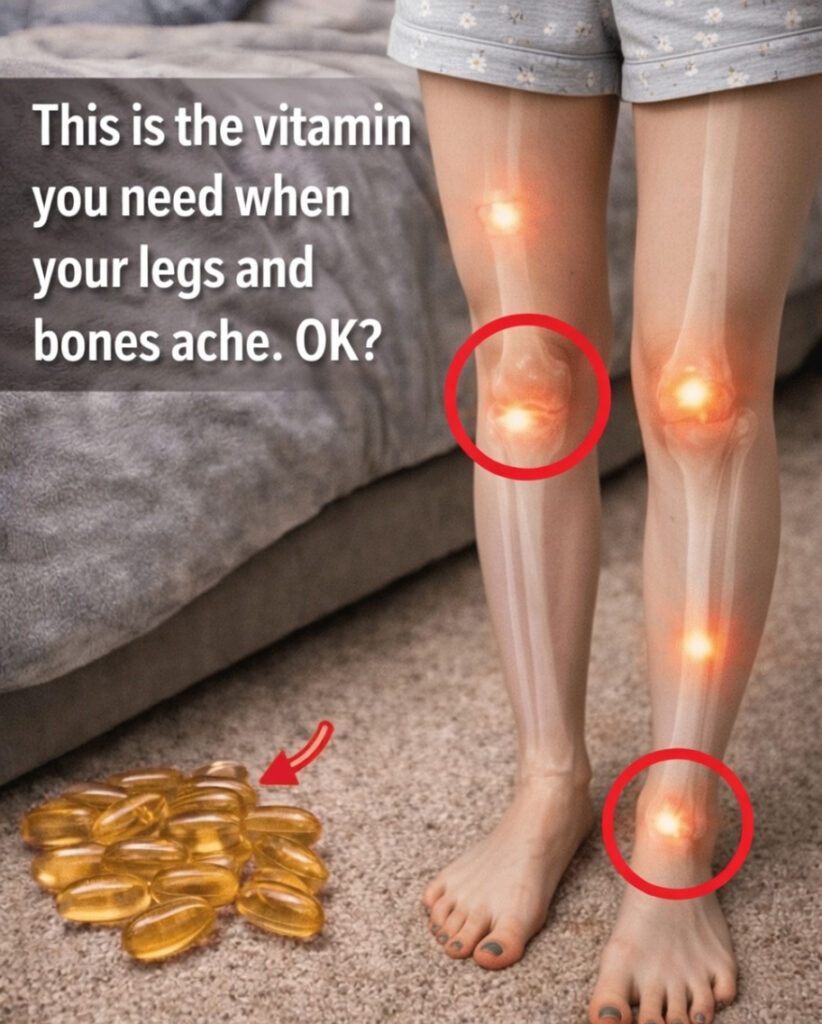
Vitamin D and Everyday Relief for Leg and Bone Discomfort
Persistent discomfort in the legs and bones can slowly drain the pleasure from daily life. A short walk, standing too long, or climbing stairs may suddenly feel far more tiring than they should. One possible reason behind this ongoing ache is low vitamin D levels, which are often linked to reduced comfort in bones and muscles.
The encouraging part is that improving your Vitamin D support may help you feel better in a simple, natural way. Even better, the steps involved are often easy to maintain and can fit smoothly into everyday routines.
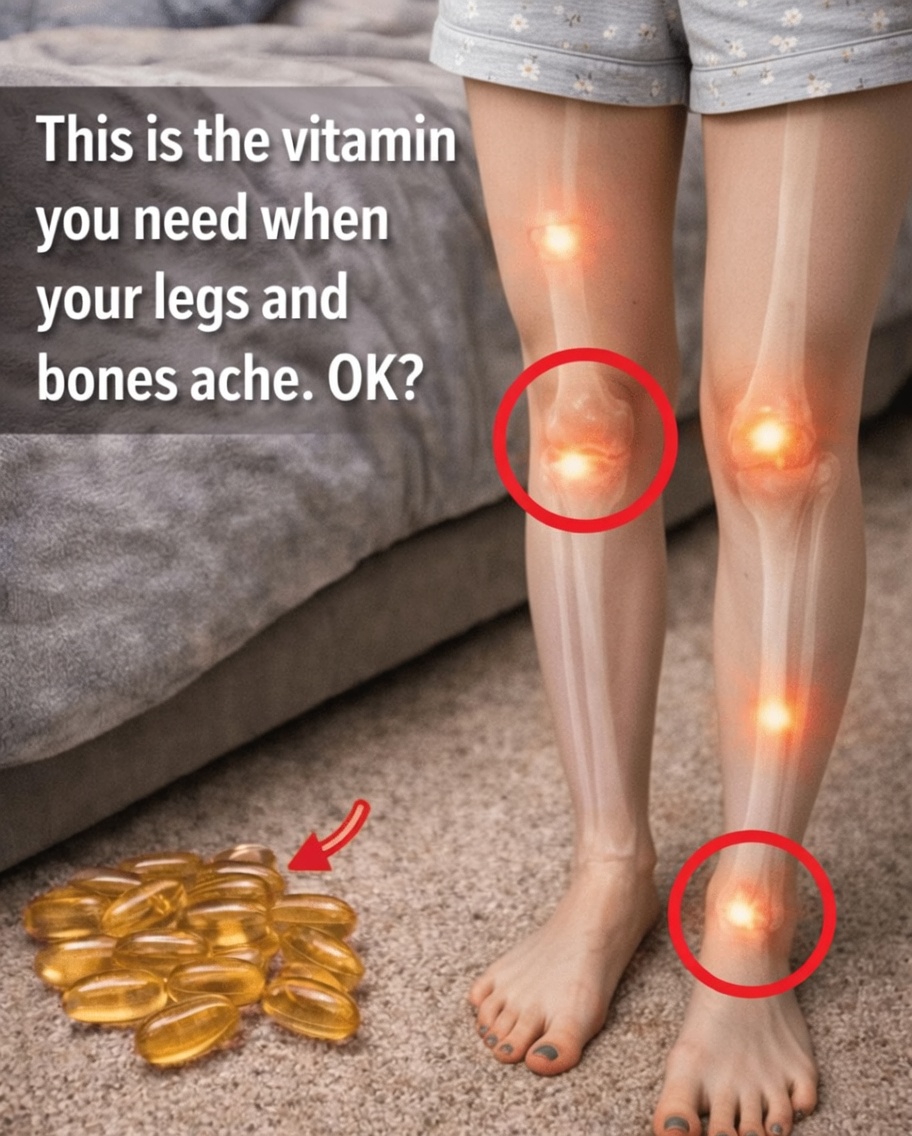
Why Vitamin D Is Important for Daily Comfort
Vitamin D helps the body use calcium and phosphorus, two essential minerals that support strong bones and healthy muscle function. When vitamin D levels drop too low, the body may struggle to maintain that balance, and this can contribute to familiar leg and bone discomfort.
As a result, normal activities such as standing for long periods, walking, or even getting through a full day of sitting and moving around can start to feel unusually draining. Many people are surprised by how much low vitamin D can affect overall physical comfort.
Modern lifestyles also play a role. More time indoors, less sun exposure, and busy schedules make vitamin D deficiency increasingly common. For many adults, this everyday reality may be one reason their legs feel heavier and their bones seem more sensitive than before.
Signs Your Body May Need More Vitamin D Support
The signs are not always dramatic. Sometimes they show up as a dull ache in the hips, knees, or legs, or as a lingering sense of heaviness after a typical day. If discomfort seems to stay longer than expected, low vitamin D levels could be part of the picture.
That kind of ongoing irritation can affect more than your body. It may cause you to skip evening walks, avoid social outings, or feel less motivated to stay active. Over time, that can add stress to simple parts of life that should feel enjoyable.
Research suggests that when Vitamin D is lacking, the body may have to work harder to maintain physical balance and comfort. That may help explain why some people experience recurring bone and leg pain without immediately realizing what is contributing to it.
Foods That Naturally Help Support Vitamin D Levels
One of the easiest ways to improve vitamin D intake is through food. Including more Vitamin D-rich foods in your meals can be a practical step toward easing discomfort and supporting stronger bones and muscles.
Here are some commonly recommended options:
- Fatty fish such as salmon, mackerel, and tuna
- Egg yolks, especially from pasture-raised hens
- Fortified foods like orange juice, plant-based milks, and breakfast cereals
- Mushrooms exposed to sunlight before cooking
- Beef liver, eaten in moderation
These foods do more than supply vitamin D. Many also provide other valuable nutrients that work together to support overall movement and comfort. Starting with just a few additions to your weekly meals can make healthy eating feel both manageable and rewarding.
Simple Daily Habits That Can Make a Noticeable Difference
Supporting healthy Vitamin D levels does not have to be complicated. In many cases, a few consistent habits can gradually help reduce that heavy, uncomfortable feeling in the legs and bones.
Try this simple routine:
- Spend 10 to 15 minutes outdoors around midday with your arms or legs exposed when possible.
- Wear short sleeves or roll up your sleeves during activities like walking the dog or watering plants.
- Keep a Vitamin D-rich oil such as cod liver oil in the kitchen for easy use on meals or salads.
- Track your energy and mood in a notebook for two weeks as you build new habits.
- Combine outdoor time with gentle movement, such as stretching, to support muscle relaxation.
These small actions can fit into the lives of busy parents, office workers, and anyone looking for realistic ways to improve leg and bone comfort without making major lifestyle changes.

What Current Research Says About Vitamin D
Health researchers continue to study the relationship between low vitamin D levels and recurring leg or bone discomfort. Large reviews from respected medical organizations suggest that maintaining healthy vitamin D status may help the body cope better with everyday physical strain.
Another important point from recent findings is that Vitamin D does not work alone. It interacts with nutrients such as magnesium and vitamin K2, which help direct minerals to the areas where the body needs them most.
People who live in places with limited sunlight, work night shifts, or spend most of their time indoors are often more likely to have low Vitamin D levels. Recognizing that risk can be empowering, because it gives you the chance to take simple, practical steps before discomfort becomes more disruptive.
What makes this especially promising is that safe sun exposure combined with a nutrient-rich diet can create a support system that feels natural, sustainable, and easier on the body over time.
Common Myths About Vitamin D and Discomfort
A few common misunderstandings may prevent people from addressing low vitamin D levels effectively.
-
Myth 1: Sunscreen makes Vitamin D impossible to get.
Sunscreen is still important for protecting skin health. However, short periods of sun exposure may still help support Vitamin D production. -
Myth 2: Food alone is always enough.
Diet can help significantly, but in colder regions or during winter, food may not provide enough Vitamin D by itself. -
Myth 3: Leg and bone discomfort is just part of aging.
While changes with age are common, ongoing discomfort should not simply be accepted without exploring possible causes like low Vitamin D.
The body often gives subtle signs when it needs more support. Paying attention to those signals and responding with small, thoughtful changes can help daily life feel lighter and more comfortable.

How to Check Your Vitamin D Levels Safely
If you suspect that low vitamin D may be contributing to your leg and bone discomfort, the clearest next step is to get tested. A simple blood test ordered by your healthcare provider can show where your levels stand.
If your results reveal a deficiency or insufficiency, your doctor can recommend the most appropriate way to improve them. This may include changes in diet, more safe sun exposure, or a supplement plan.
When supplements are used, Vitamin D3 is often recommended because it is the same form the body naturally produces from sunlight. Taking it with a meal that contains fat can improve absorption. As always, follow product directions and professional medical advice.
Building a Routine for Long-Term Comfort
Imagine moving through your day with legs and bones that feel more prepared for daily activity instead of weighed down by persistent discomfort. That is the goal of giving Vitamin D the attention it deserves.
By combining a few smart habits, such as regular sunlight exposure, Vitamin D-rich foods, and occasional health check-ins, you can create a routine that supports comfort, movement, and energy over time. The good news is that progress does not require a dramatic overhaul. Even applying just two or three of these ideas can lead to positive change.
The most meaningful place to begin is with awareness and self-care. When you respond to your body with patience and consistency, leg and bone discomfort becomes less likely to overshadow the activities you enjoy.

Frequently Asked Questions
How much sunlight do I need each day for healthy Vitamin D levels?
For many people, 10 to 20 minutes of midday sun on the arms and legs a few times per week can help support healthy Vitamin D levels. Skin tone, season, location, and weather all influence how much exposure is needed. People with darker skin may require more time, while those with lighter skin may need less.
Can food alone correct low vitamin D levels?
Diet can make a meaningful difference, especially when you regularly eat Vitamin D-rich foods. However, depending on where you live and how much sunlight you get, food alone may not always be enough. In many cases, a combination of diet and safe sun exposure works best.
Is leg and bone discomfort normal with age, or could Vitamin D be involved?
Some physical changes are common with aging, but regular leg and bone discomfort should not automatically be seen as normal. Low Vitamin D levels may be one contributing factor, and improving them may help support better comfort and mobility at any age.