Stroke Warning Signs During Sleep: Symptoms You Should Never Ignore
Waking up with unusual numbness in an arm or leg can seem harmless at first. Many people assume they simply slept in the wrong position. However, some symptoms that appear after a night’s rest may point to something far more serious. Stroke warning signs during sleep are often subtle, easy to dismiss, and difficult to detect, yet they may signal an urgent health issue that developed while you were asleep.
Knowing how to spot these signs early can help you respond faster and make more informed decisions about your health. Just as important, understanding the risks may encourage daily habits that support better sleep and overall well-being.
Why Stroke Warning Signs During Sleep Matter
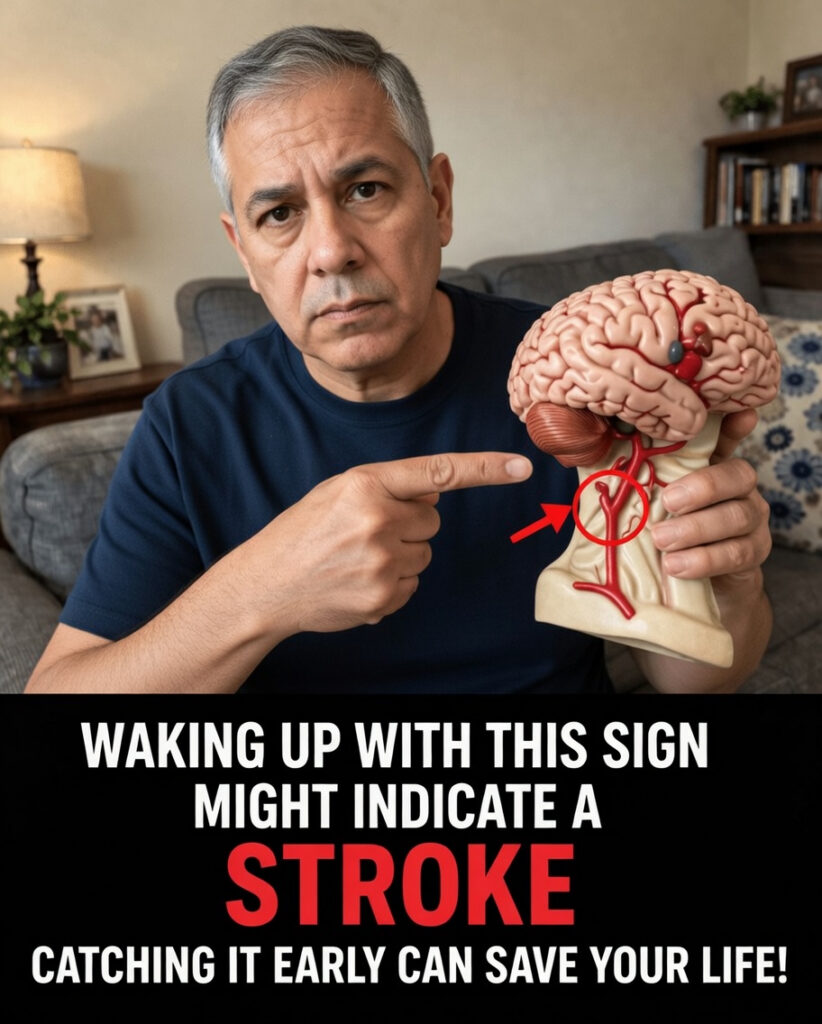
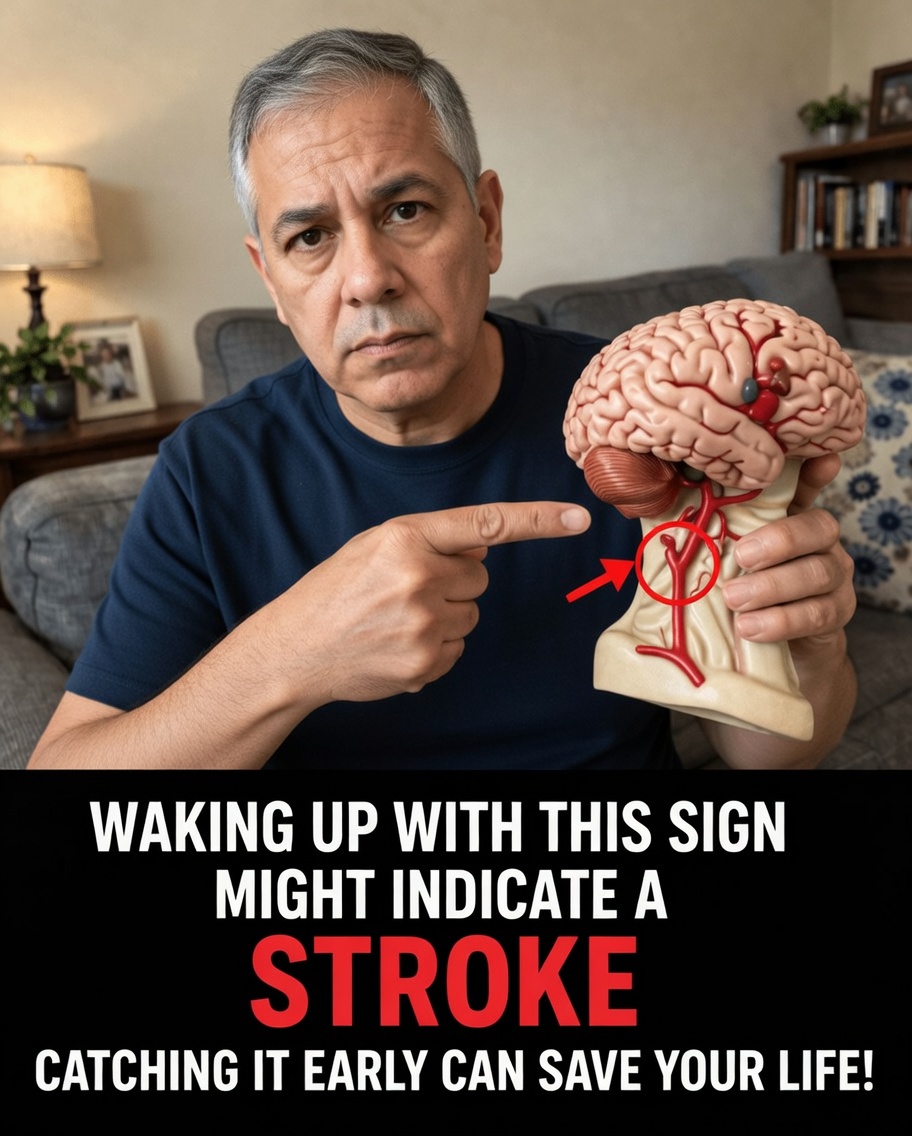
Sleep is meant to restore the body, but in some cases, it can also hide the onset of major medical problems. Stroke warning signs during sleep may not be noticed right away because the event happens while you are unconscious. According to health organizations such as the American Stroke Association, wake-up strokes—strokes first recognized after waking—make up as much as 25% of all stroke cases.
That number highlights why it is so important to pay attention to how you feel in the morning. Symptoms that seem minor can resemble ordinary issues such as fatigue, poor posture, or a compressed nerve. Because of that, many people overlook them.
Still, rapid recognition of possible stroke symptoms after sleep can lead to faster medical care and better outcomes. Even when symptoms fade, they should never be brushed aside without proper attention.
Common Stroke Warning Signs During Sleep
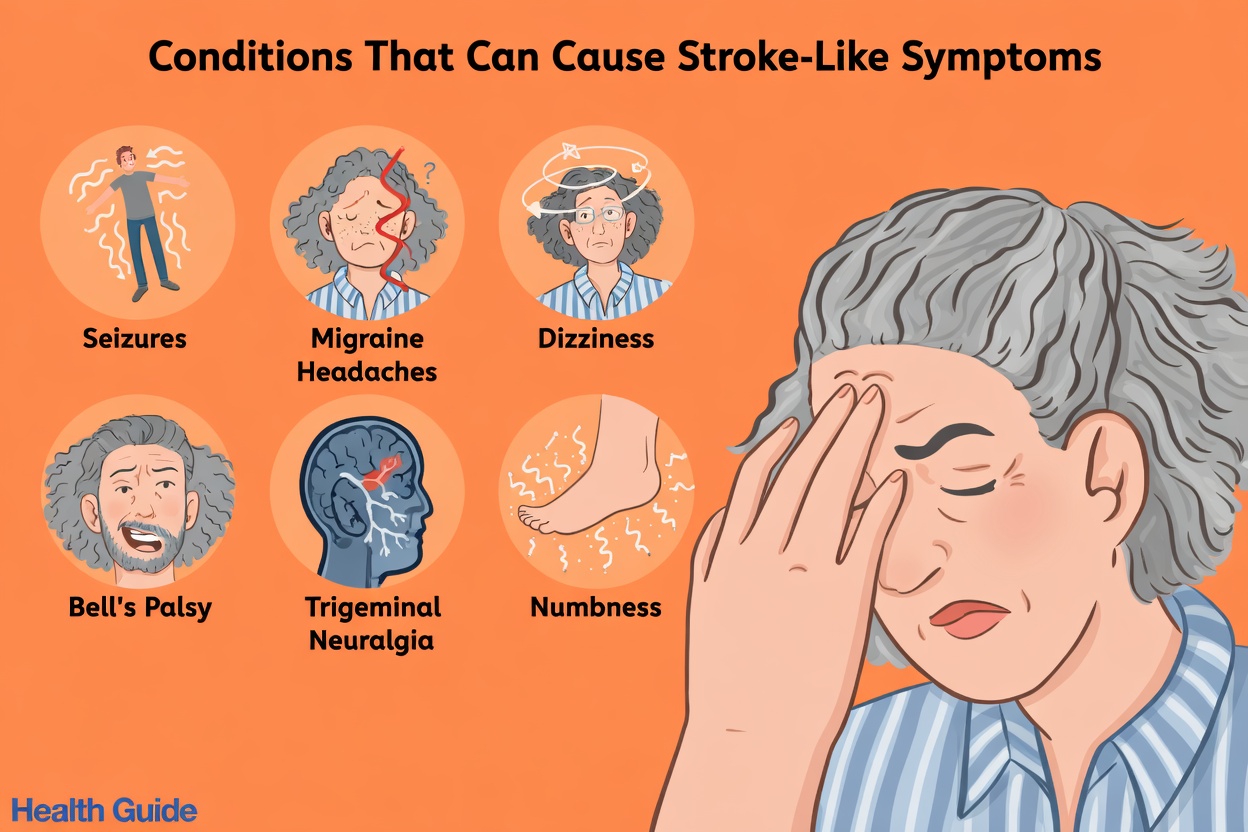
One of the most common signs is sudden weakness or numbness, especially on only one side of the body. You may wake up and notice that one arm, one leg, or one side of your face does not feel or function normally. This unevenness is one of the classic stroke indicators and should be taken seriously.
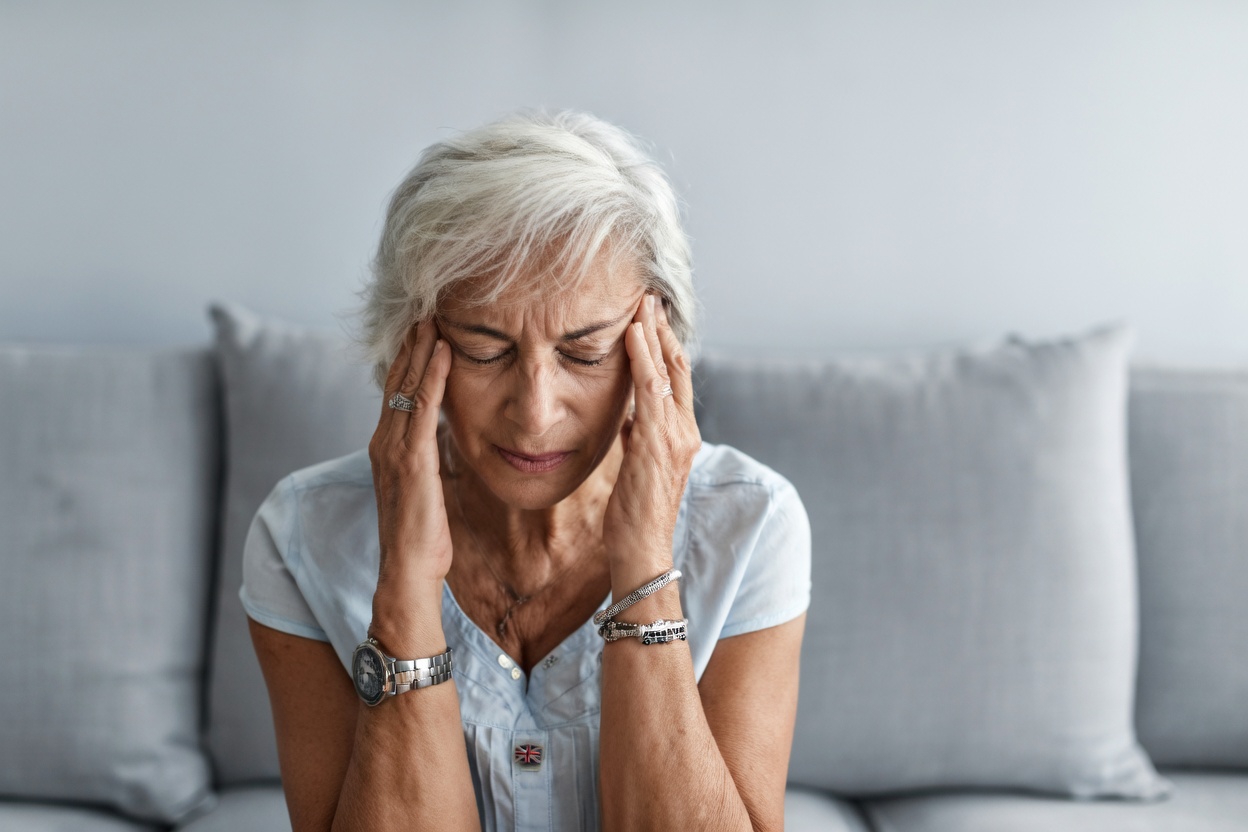
Another possible symptom is a severe headache upon waking. Unlike a typical headache, this pain may appear suddenly and feel unusually intense without an obvious trigger. In some cases, it may be related to changes in blood flow in the brain during the night.
Speech changes are also important to watch for. If you wake up with slurred speech, confusion, or trouble forming words, do not ignore it—even if the problem improves quickly. These can be key stroke warning signs during sleep, and prompt medical evaluation is essential.

Why Overnight Stroke Symptoms Are Especially Concerning
The biggest challenge with a stroke that happens during sleep is timing. Because the event occurs while you are asleep, you do not know exactly when it began. By the time you wake up and notice the symptoms, valuable time for certain treatments may already have passed.
That is why doctors and stroke organizations emphasize paying close attention to your body first thing in the morning. Any unusual weakness, facial changes, speech trouble, or severe headache after sleep deserves immediate consideration.
In some cases, stroke warning signs during sleep may be associated with nighttime changes in the body, including shifts in blood pressure. For people who already have underlying risk factors, these symptoms may be even more significant. Regular medical follow-up can help reduce uncertainty and support early intervention.
Risk Factors Linked to Stroke Warning Signs During Sleep
Several health conditions can raise the likelihood of experiencing stroke-related symptoms overnight.
High Blood Pressure
High blood pressure is one of the leading stroke risk factors. If it is not well controlled, it can place continuous strain on blood vessels, including during sleep. Monitoring blood pressure regularly is an important step in lowering stroke risk.
Diabetes and Heart Conditions
People with diabetes, irregular heart rhythms, or other cardiovascular issues may have a greater chance of developing problems related to stroke. These conditions can affect circulation and increase the risk of a blockage or bleed.
Poor Lifestyle Habits and Sleep Problems
A lack of exercise, unhealthy eating patterns, and poor sleep quality can also contribute. Sleep apnea, in particular, has been linked to a higher risk of stroke and other vascular problems. Addressing these issues may improve both sleep quality and long-term health.
How to Recognize Possible Stroke Warning Signs After Waking
A simple morning self-check can help you notice potential warning signs sooner. If something feels unusual after sleep, do not ignore it. Keeping a record of what you experience can also help you explain symptoms more clearly to a healthcare professional.
Quick Morning Checks
-
Look at your face in the mirror
- Smile and see whether one side of your face droops or looks uneven.
-
Test your arms
- Raise both arms at the same time and notice whether one drifts downward or feels weaker.
-
Check your speech
- Say a short, simple sentence out loud and listen for slurring or difficulty speaking clearly.
These steps reflect the well-known FAST approach used to identify stroke symptoms:
- Face drooping
- Arms weakness
- Speech difficulty
- Time to call emergency services
If any of these signs appear, seek immediate medical help. Acting quickly is critical.
Healthy Habits That May Help Lower Stroke Risk
While no lifestyle change can guarantee prevention, healthy routines can reduce overall stroke risk and support better vascular health.
Focus on a Heart-Healthy Diet
Eating more fruits, vegetables, whole grains, and nutrient-rich foods supports the heart and brain. A balanced diet may help manage blood pressure, blood sugar, and cholesterol.
Stay Physically Active
Regular movement improves circulation and supports cardiovascular health. Even simple activities such as walking can make a positive difference over time.
Manage Stress
Chronic stress can affect the body in many ways. Relaxation strategies such as:
- deep breathing
- meditation
- gentle stretching
- mindfulness practices
may help support better rest and overall health.
Prioritize Quality Sleep
Consistent, uninterrupted sleep is important. If you snore heavily, wake frequently, or feel exhausted despite a full night’s rest, talk with your doctor about possible sleep disorders such as sleep apnea.
Quick Reference: Stroke Warning Signs During Sleep
| Symptom | What It May Look Like | What to Do |
|---|---|---|
| Numbness or weakness | One-sided weakness in the face, arm, or leg after waking | Use the FAST check and call emergency services |
| Severe headache | Sudden, intense morning headache without a clear reason | Seek medical advice promptly, especially if severe or unusual |
| Speech difficulty | Slurred speech, confusion, or trouble finding words | Get immediate medical attention |
This quick summary can help you remember the most important stroke warning signs during sleep and the right response.
Take Charge of Your Health
Being aware of stroke warning signs during sleep can help you stay proactive. Not every odd sensation after waking means a stroke has occurred, but it is always wise to take unusual symptoms seriously. Listening to your body and responding quickly can make a meaningful difference.
Frequently Asked Questions
What should I do if I notice possible stroke warning signs during sleep?
Contact a healthcare provider or emergency services right away. Early medical assessment is essential, even if the symptoms seem to improve.
Can lifestyle changes reduce the risk of stroke warning signs during sleep?
Yes. Healthy eating, regular exercise, better sleep habits, and controlling conditions such as high blood pressure or diabetes may lower overall stroke risk. Always discuss prevention strategies with your doctor.
Are stroke warning signs during sleep different from symptoms during the day?
The symptoms are usually similar. The main difference is that they are first noticed after waking, which can delay recognition. That is why prompt action is especially important.