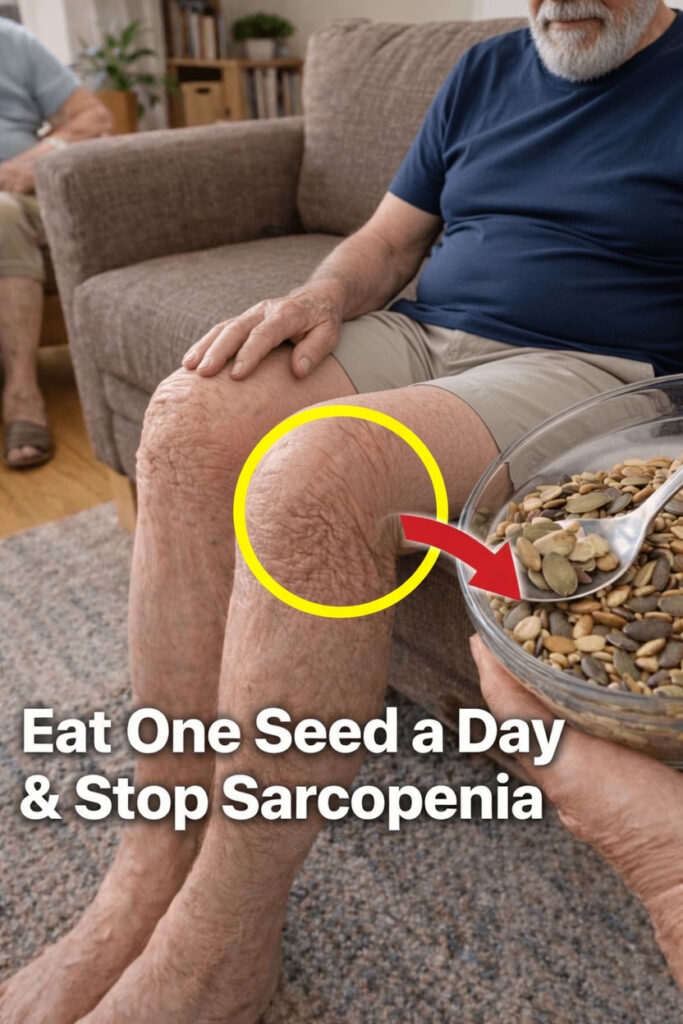
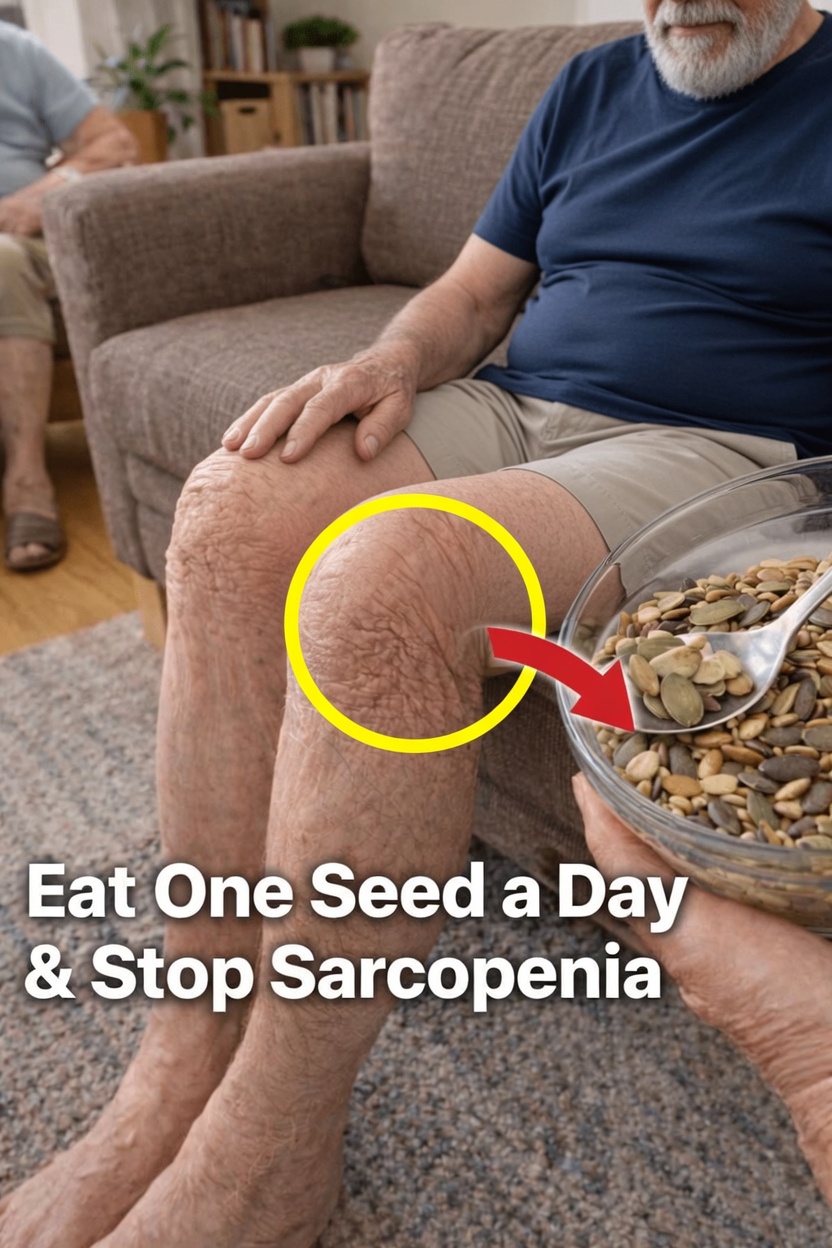
Getting older often brings subtle but frustrating physical changes. You may notice your legs do not feel as strong as they once did, or that everyday actions like rising from the couch, carrying groceries, or climbing stairs now require more effort. Over time, this can affect confidence, reduce independence, and make favorite activities feel less accessible.
The good news is that small daily habits can make a real difference. One simple food in particular has gained attention for helping support muscle health as we age. Later in this article, you’ll see why adding a modest serving of pumpkin seeds each day may be an easy and worthwhile step.
Understanding Muscle Loss With Age
Loss of muscle mass over time is a common part of aging. This process often begins gradually in your 30s and tends to become more noticeable after age 50. The medical term is sarcopenia, but the effects are familiar to many people:
- Less strength in the hands and legs
- Reduced stamina during daily tasks
- Slower recovery after physical activity
- A heavier, more tired feeling in the body by the end of the day
Several factors contribute to these changes, including:
- Lower levels of physical activity
- Age-related hormonal shifts
- Reduced efficiency in building and repairing muscle tissue
- Poorer absorption of important nutrients
Even so, muscle decline is not something you simply have to accept. Studies continue to show that smart nutrition plus regular movement can help preserve muscle function and support mobility. That is where nutrient-rich foods like seeds become especially useful.
Why Pumpkin Seeds Stand Out
So why are pumpkin seeds getting so much attention?
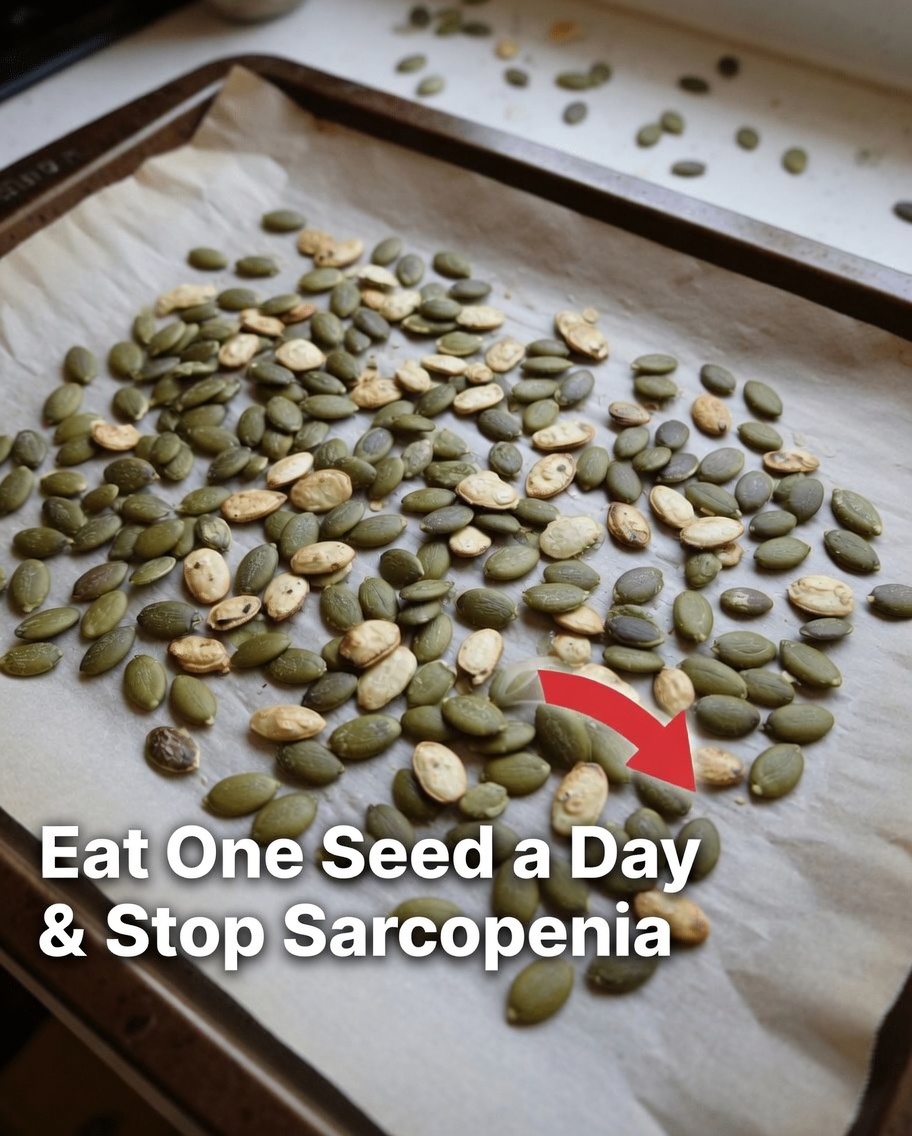
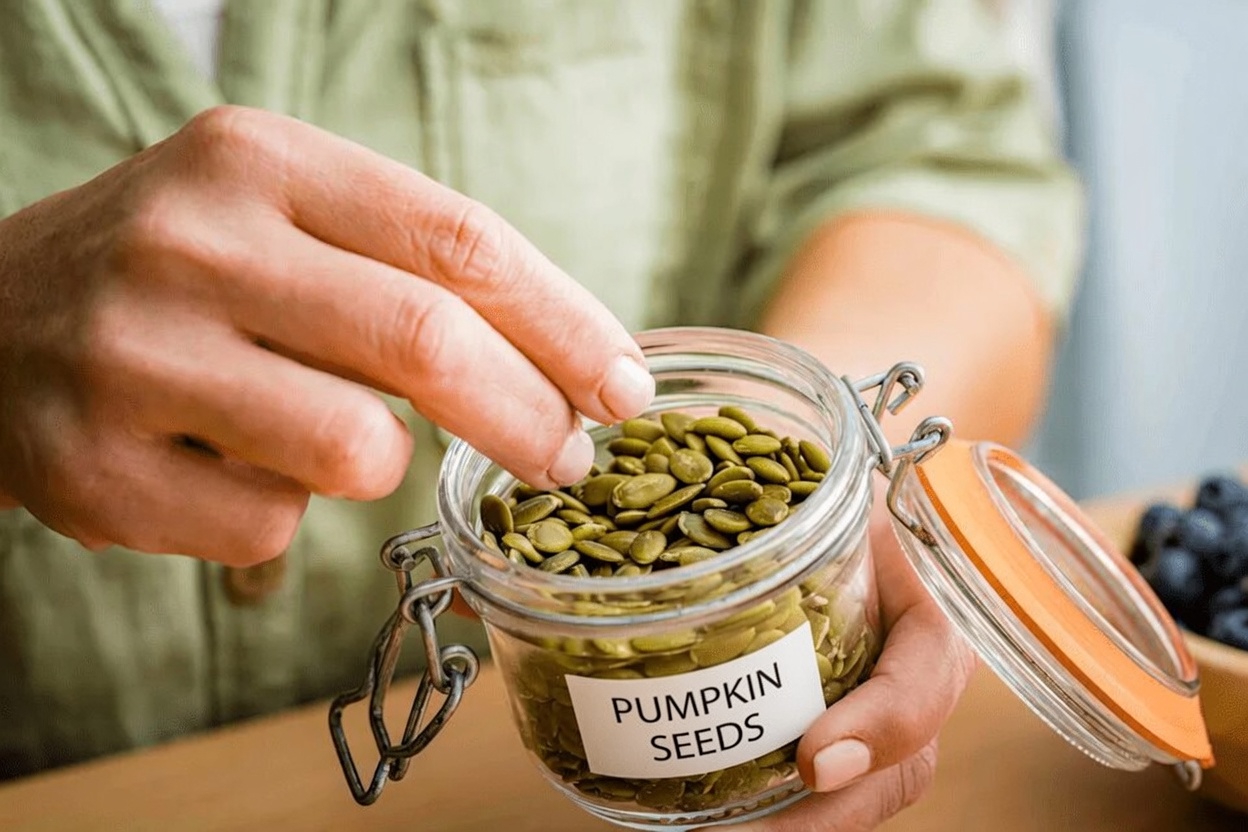
These small green seeds, often called pepitas, contain several nutrients that align well with the needs of aging muscles. They are inexpensive, easy to find, and simple to include in everyday meals.
Here are some of the biggest reasons they matter:
-
Plant protein
About 7 grams per ounce, helping provide amino acids needed for muscle maintenance and repair. -
Rich in magnesium
More than 150 mg per ounce, which is roughly 35% to 40% of daily needs. Magnesium plays an important role in muscle contraction, relaxation, and cellular energy production. -
Zinc and antioxidants
Zinc supports protein synthesis, while antioxidants may help reduce oxidative stress linked to age-related physical decline. -
Healthy fats and fiber
These nutrients support overall wellness and may improve digestion, which can help the body use nutrients more effectively.
Many older adults do not get enough protein or magnesium, two nutrients strongly connected to muscle health. This is one reason pumpkin seeds are increasingly mentioned as a practical addition to a healthy aging routine.
What Research Suggests About Pumpkin Seeds and Muscle Health
No single food can completely reverse muscle loss, but pumpkin seeds offer nutrients that research connects with better aging outcomes.
Some early animal studies examining pumpkin seed protein peptides suggest potential benefits for muscle tissue under stress related to aging. These studies have pointed to improvements in areas such as:
- Mitochondrial function
- Inflammation markers
- Muscle tissue support under age-related strain
Human observational research also adds to the picture. Diets higher in magnesium and plant-based protein are often associated with:
- Better grip strength
- Improved mobility
- Greater preservation of lean mass in adults over 50
These results do not mean pumpkin seeds are a miracle food. Rather, they appear to be a useful part of a larger strategy that includes balanced eating and regular physical activity. That is why many health professionals encourage nutrient-dense foods like pumpkin seeds as an easy daily habit.
How to Build a Simple Daily Pumpkin Seed Habit
The phrase “one pumpkin seed a day” is really about consistency, not literally eating a single seed. A realistic serving is closer to 1 tablespoon or a small handful, depending on your needs and diet.
Here is a practical way to begin:
-
Choose a good-quality option
Look for raw or lightly roasted unsalted pumpkin seeds. Try to avoid heavily salted or strongly flavored varieties. -
Ease into it
If you do not usually eat high-fiber foods, start with 1 teaspoon daily for the first week. Then increase to 1 tablespoon or more as tolerated. -
Store them properly
Keep pumpkin seeds in an airtight container in the refrigerator or freezer. This helps maintain freshness and prevents the natural oils from turning rancid. -
Add them to meals you already eat
Sprinkle them over:- Oatmeal
- Yogurt
- Smoothies
- Salads
- Soups
You can also mix them into homemade snack bites or trail mix.
-
Combine them with movement
Pair this habit with simple strength-building exercises a few times per week, such as:- Chair squats
- Wall push-ups
- Light resistance band work
- Daily walking
Consistency matters more than perfection. A small daily step is easier to maintain and often more effective long term than a complicated plan that does not last.
Habits That Work Even Better With Pumpkin Seeds
Pumpkin seeds can support muscle health on their own, but they work best as part of a broader routine. Here are several habits that complement them well:
1. Resistance Training
Strength exercises stimulate muscle protein synthesis and help preserve lean mass.
Easy place to start:
- A 10-minute bodyweight routine
- 3 times per week
2. Higher Daily Protein Intake
Protein provides the raw materials muscles need for repair and maintenance.
Easy place to start:
- Add eggs, yogurt, beans, tofu, fish, or lean meats to meals
3. Good Hydration
Water helps move nutrients through the body and supports muscle function.
Easy place to start:
- Aim for around 8 glasses of water per day, unless your doctor advises otherwise
4. Enough Vitamin D
Vitamin D plays a role in strength, bone health, and proper muscle performance.
Easy place to start:
- Spend short periods in sunlight
- Include fortified foods when appropriate
When these habits are combined with a daily serving of pumpkin seeds, the overall effect may feel more sustainable and more meaningful.
Other Benefits You May Notice
Supporting muscle health is only part of the appeal. Many people who eat pumpkin seeds regularly also mention additional benefits, such as:
- Better sleep, partly due to magnesium
- Improved digestion, thanks to fiber
- Healthier-looking skin, supported by zinc and vitamin E
- Steadier energy, from a balanced mix of healthy fats, minerals, and protein
In other words, this small food choice may support more than just strength.
Frequently Asked Questions
How much pumpkin seed should I eat each day?
A practical amount is 1 tablespoon or a small handful, roughly 10 to 15 grams or about 1 ounce depending on your preference. This amount provides useful nutrients without adding too many calories.
Are there any side effects?
Pumpkin seeds are generally well tolerated. However, if you are not used to fiber-rich foods, eating too much at once may lead to mild bloating or digestive discomfort. Start small and increase gradually. Anyone with a seed allergy should speak with a healthcare professional before trying them.
Can I benefit from pumpkin seeds without exercising?
They can still contribute helpful nutrients on their own. However, combining them with light exercise, especially strength training or regular walking, can improve results because movement helps your body make better use of those nutrients.
Final Thoughts
Small choices repeated every day can lead to noticeable changes over time. Adding pumpkin seeds to your routine is a simple, affordable habit that may help support muscle function, energy, and overall well-being as you age.
The goal is not perfection. It is building realistic habits that help you stay stronger, steadier, and more independent for the long run.
Disclaimer
This article is intended for informational purposes only and should not be considered medical advice. Always consult a qualified healthcare professional before making changes to your diet, exercise routine, or lifestyle, especially if you have existing medical conditions or concerns related to muscle health. Individual results may vary.