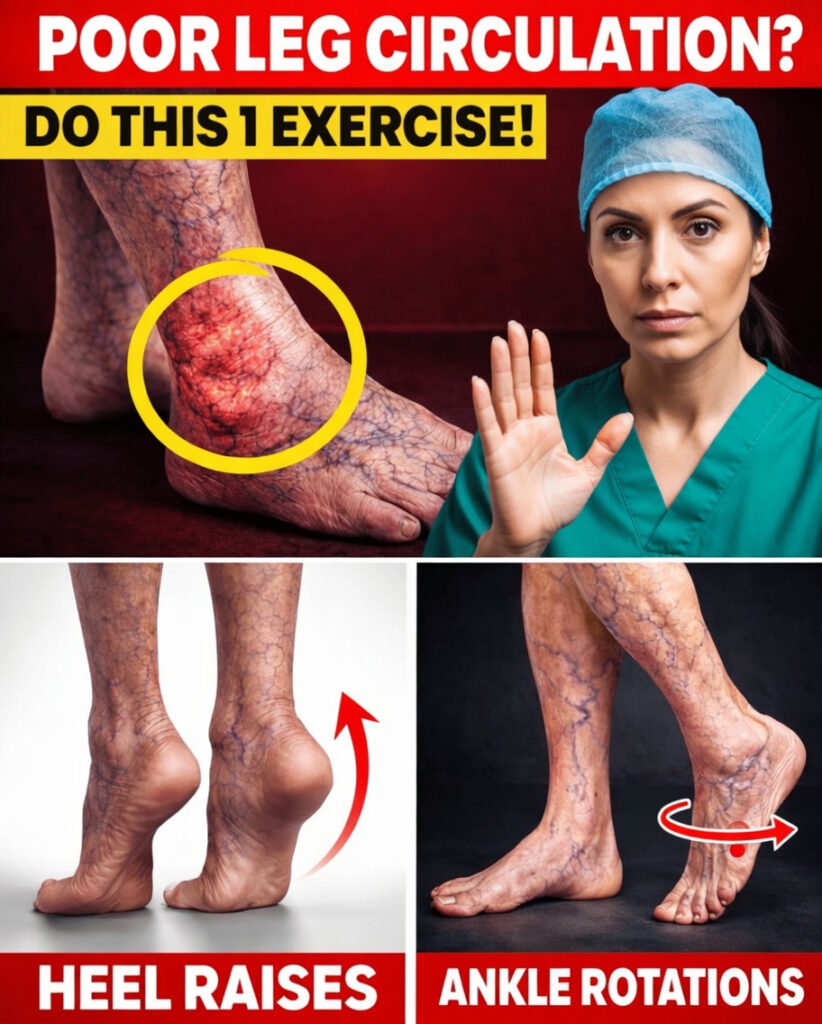
A Simple Exercise That May Help Improve Leg Circulation After 60
After a brief walk, you sit down and realize your legs feel unusually heavy, cold, or puffy. It may seem like ordinary fatigue, but for many older adults, these sensations are linked to poor leg circulation after 60. This common issue can cause aching feet, numb toes, swelling, and that dragging heaviness that makes walking, shopping, or even sleeping less comfortable.
Many seniors assume this is just a normal part of getting older. However, there is encouraging news: surgeons often recommend one simple exercise that may help support better blood flow in the legs, and it does not require any equipment, a gym, or even leaving your chair.
In this article, you will learn the one easy exercise for poor leg circulation after 60 and how to make it part of your daily routine for better comfort.
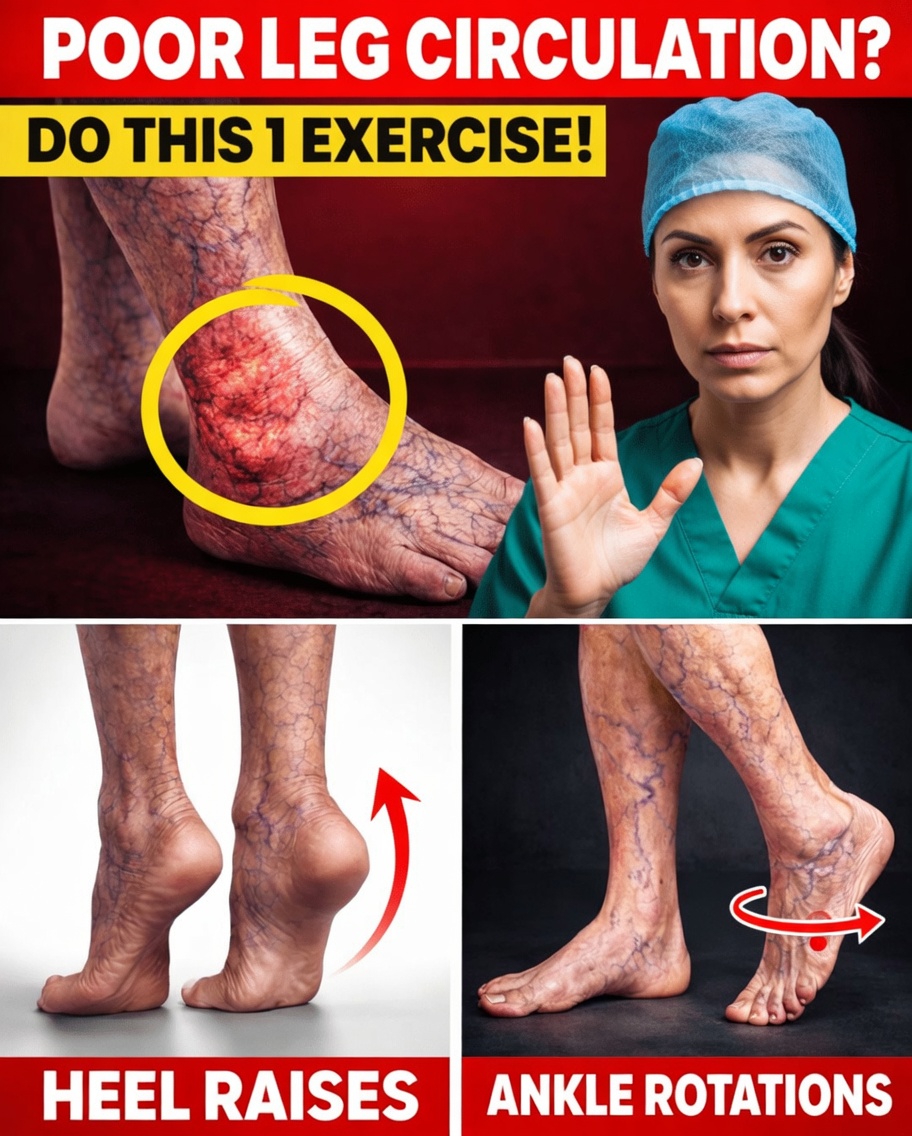
Why This Exercise Can Make a Difference
Poor leg circulation after 60 often develops when blood moves more slowly through the lower body. Aging veins, less daily movement, and weaker muscle activity can all contribute to this problem. One of the most effective ways to support circulation is to activate what vascular specialists call the calf muscle pump.
This natural pumping system helps move blood from the legs back up toward the heart. When the calf muscles contract and relax, they assist the veins in pushing blood upward instead of letting it collect in the lower legs.
Many adults over 60 who practice this movement regularly say they notice:
- Warmer feet
- Reduced swelling
- Less leg heaviness
- More comfortable walking
Clinical experience and circulation research suggest that this basic exercise may be especially helpful when paired with healthy habits such as:
- Drinking enough water
- Avoiding long periods of sitting
- Elevating the legs during rest

The One Exercise Surgeons Commonly Recommend
Ankle Pumps: A Gentle Way to Activate the Calf Muscle Pump
Among the easiest and most widely recommended movements for poor leg circulation after 60 is the ankle pump. Many surgeons and vascular specialists favor this exercise because it is:
- Simple
- Low impact
- Safe for most people
- Easy to do while sitting or lying down
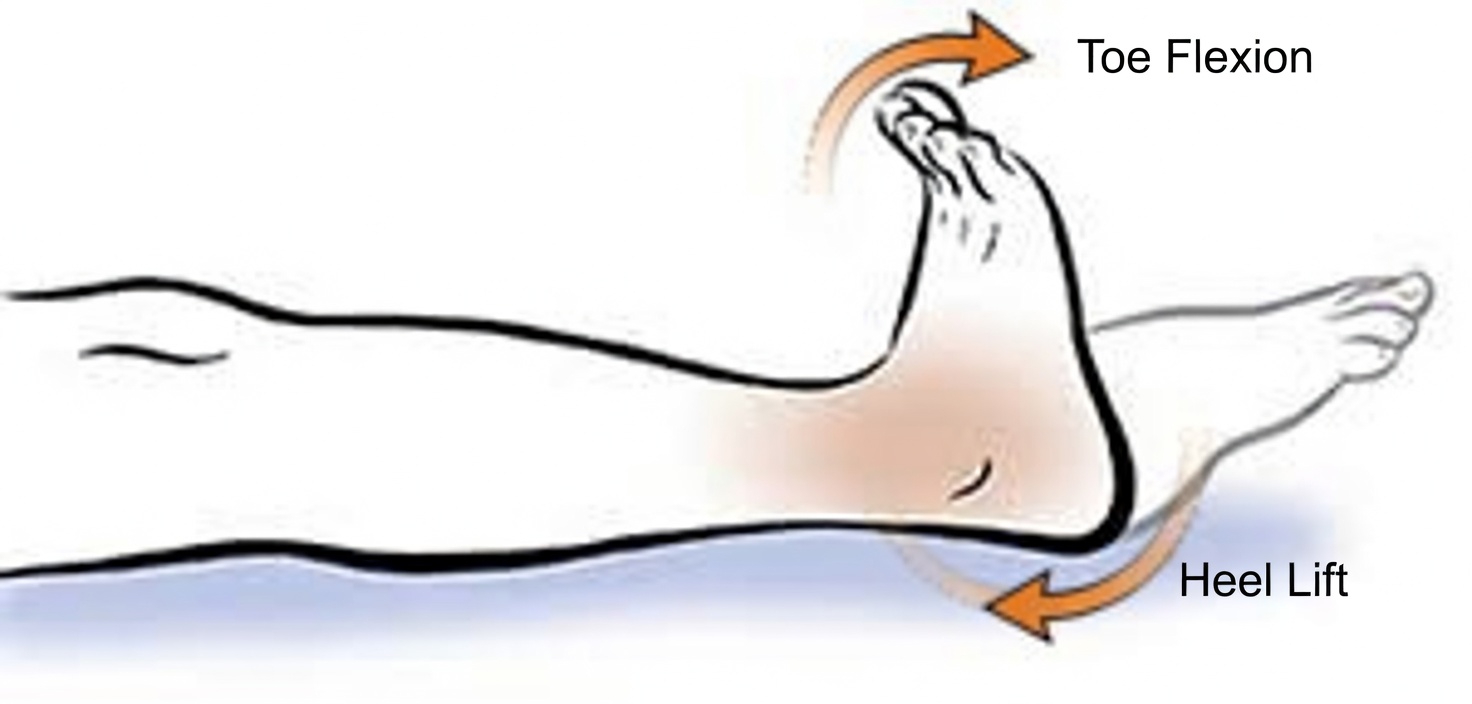
Ankle pumps work by repeatedly tightening and releasing the calf muscles. This motion encourages blood to move upward and may help reduce pooling in the feet and lower legs.
How to Do Ankle Pumps Correctly
Follow these steps:
- Sit in a comfortable chair or lie flat on your back with your legs extended.
- Keep your knees loose and relaxed.
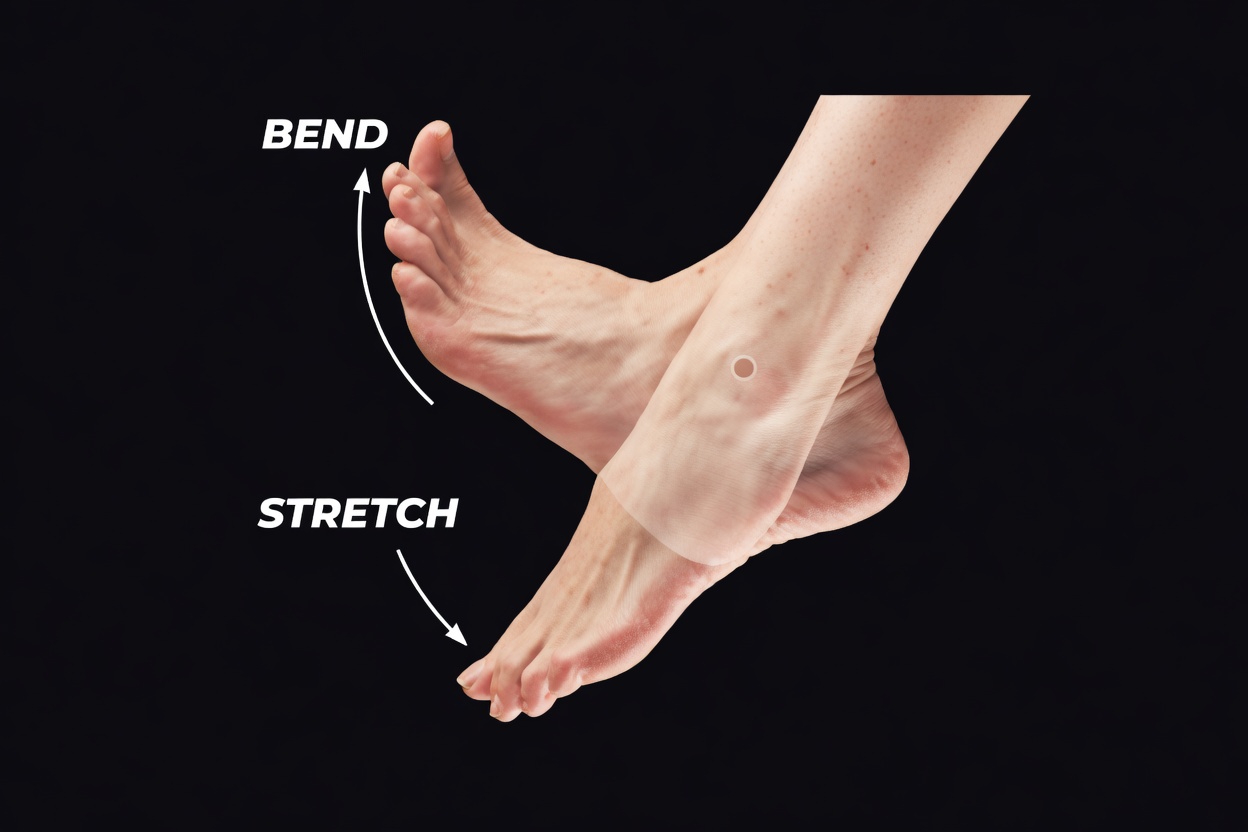
- Point your toes away from your body as far as feels comfortable.
- Then pull your toes back toward your shins.
- Move slowly and smoothly through the full up-and-down motion.
- Repeat for 20 to 30 repetitions per set.
- Try to complete 3 sets per day: morning, midday, and evening.
One of the biggest advantages of ankle pumps is convenience. You can do them:
- While watching television
- While reading
- During a lunch break
- Before getting out of bed
- While resting in the evening
How Daily Ankle Pumps Compare to Inactivity
Here is a simple side-by-side look at what may happen with poor circulation versus adding ankle pumps each day.
Without Regular Movement
- Blood may collect in the lower legs after sitting or standing too long
- Feet may feel cold or numb
- Legs can become sore or tired after light activity
- Mornings may begin with stiffness and discomfort
With Daily Ankle Pumps
- The calf pump is activated to encourage upward blood flow
- Feet may feel warmer and more comfortable
- Legs often feel lighter and less fatigued
- Getting moving in the morning may feel easier
For many older adults, this small movement creates noticeable support for daily comfort.
A Quick Daily Routine for Better Leg Circulation After 60
You do not need a long workout to benefit from ankle pumps. A short, repeatable routine can fit easily into almost any day.
Morning
- Do 3 sets of 20 ankle pumps before getting out of bed
Midday
- Do 3 sets of 20 while sitting at lunch, resting, or watching TV
Evening
- Do 3 sets of 20 with your legs slightly raised on a stool or footrest
The full routine takes less than 5 minutes a day, making it practical even for adults with limited mobility or busy schedules.
What People Often Notice Within a Few Weeks
When ankle pumps become a daily habit, many adults over 60 report gradual improvements such as:
- Feet and ankles feeling warmer during the day
- Less swelling around the ankles
- Reduced heaviness in the legs
- Easier walking with less fatigue
- Less tingling or numbness in the toes
- Better comfort at night, which may support improved sleep
These changes can happen because ankle pumps work with the body’s own circulation support system rather than against it. Even with age-related changes, the body can still respond well to gentle, consistent movement.
Important Safety Tips
Although ankle pumps are generally well tolerated, it is still important to start carefully.
- Begin with 10 repetitions per set if you are not used to regular movement
- Stop right away if you feel:
- Sharp pain
- Dizziness
- Shortness of breath
- Speak with your doctor before starting if you have:
- A history of blood clots
- Heart problems
- Recent surgery
- Significant medical conditions affecting circulation
If swelling appears suddenly or affects only one leg, seek medical advice promptly.

Try This 2-Minute Action Step Tonight
Sit in your favorite chair and do one set of 20 ankle pumps right now. Then place a reminder on your phone or bedside table so you remember to repeat the exercise tomorrow morning.
That tiny action may be the first step toward better comfort and better leg circulation after 60.
Frequently Asked Questions
How often should I do ankle pumps for poor leg circulation after 60?
Most adults get the best results from 3 short sessions per day, totaling around 5 minutes daily.
Can ankle pumps replace walking?
No. Ankle pumps are an excellent addition, but gentle walking remains helpful for overall circulation whenever it is possible and safe.
Are ankle pumps safe if my legs are already swollen?
In most cases, yes. They are usually well tolerated, especially if you keep your legs slightly elevated while doing them. However, if swelling is sudden, severe, or affects only one side, contact your healthcare provider.
Final Note
This article is intended for informational purposes only and should not be taken as medical advice. Always speak with your doctor, surgeon, or healthcare professional before beginning any new exercise program, especially if you have existing health concerns, poor leg circulation after 60, or take prescription medications.
At 60, 70, 80, and beyond, your body can still respond in meaningful ways to simple daily habits. Start with ankle pumps and pay attention to how your legs feel over the next few weeks.