Surprising Aspirin Uses for Beauty, Foot Care, and Brighter White Laundry
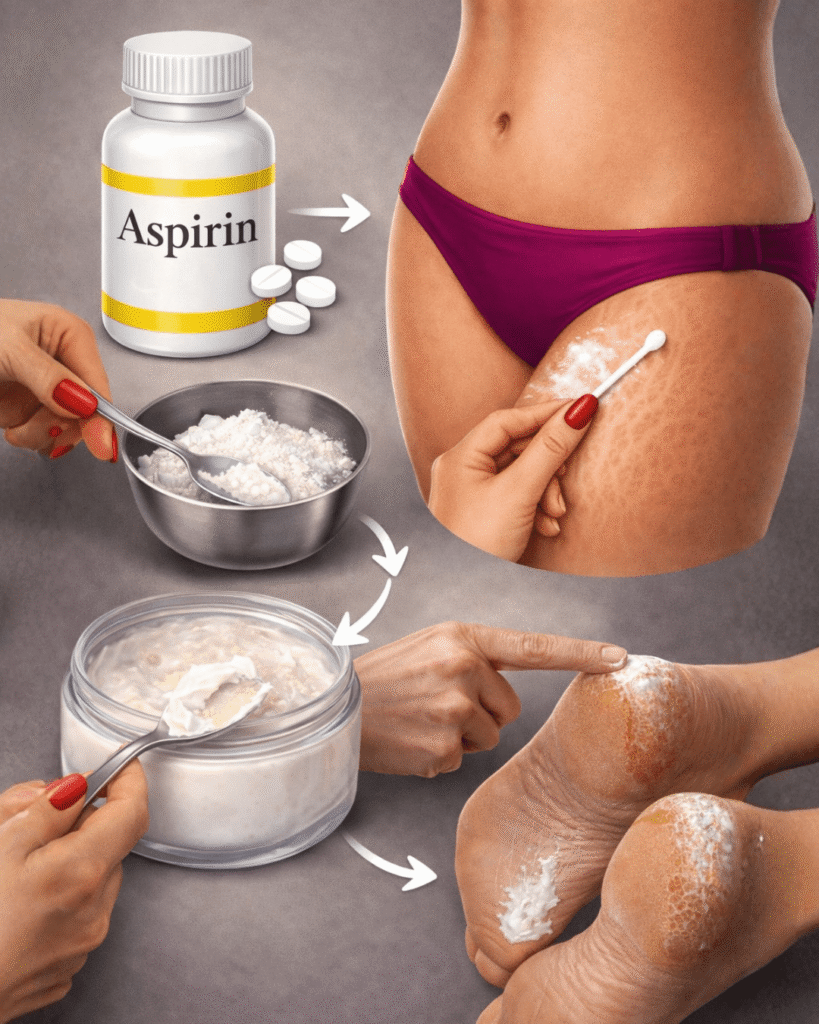
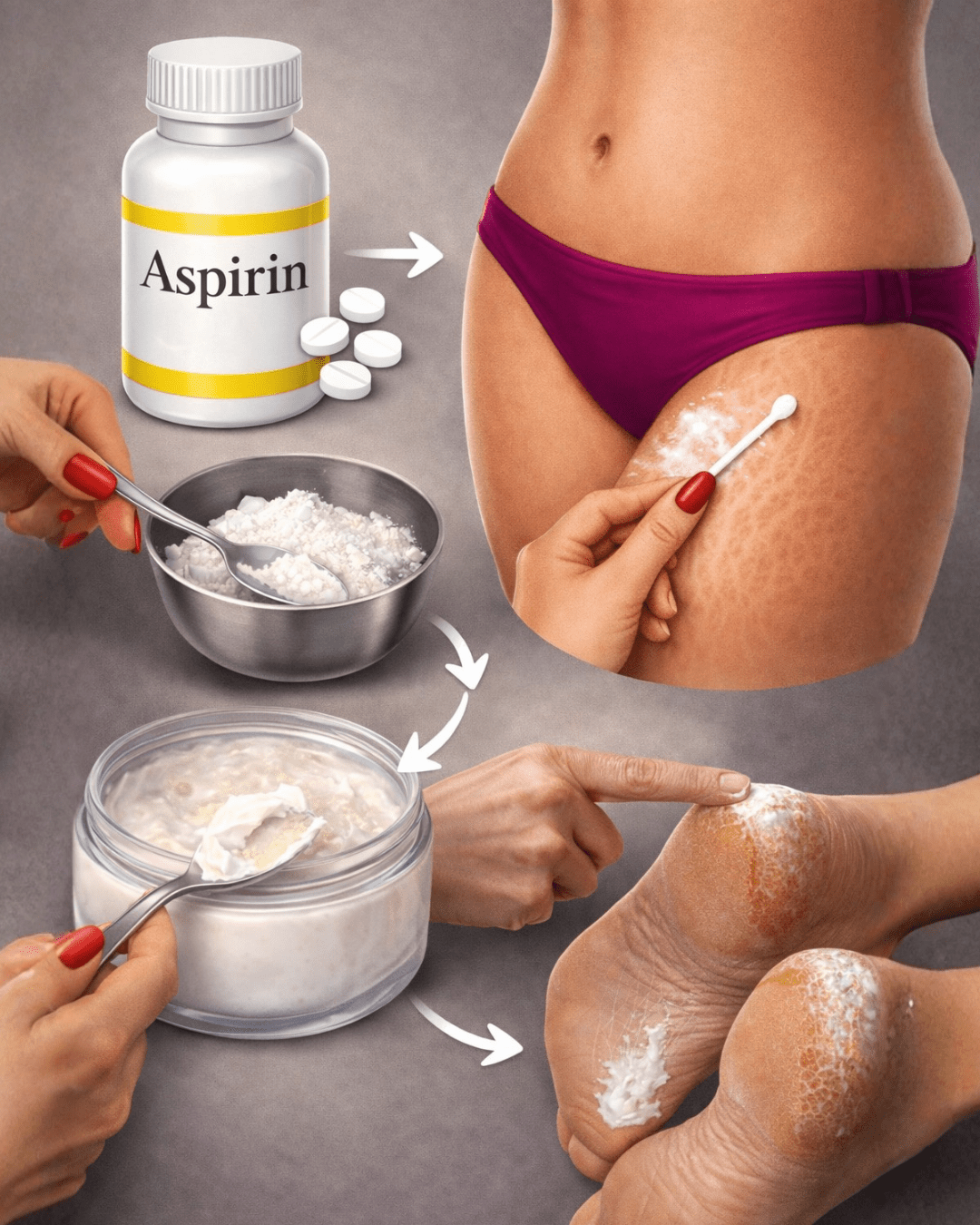
Aspirin is a common item in many homes, usually kept on hand for headaches or minor aches and pains. Yet beyond its usual purpose, that small tablet may also offer a few practical uses around your beauty routine and even in the laundry room. If you deal with tired-looking skin, scalp flakes, post-shave irritation, cracked heels, or white clothes that no longer look fresh, aspirin is often mentioned as an inexpensive home remedy worth exploring.
And there is one especially unexpected use many people love: a simple laundry trick that can help restore dull white fabrics without relying on harsh bleach. You will find that tip near the end.
How Aspirin May Fit Into Skincare
Aspirin contains acetylsalicylic acid, which is related to salicylic acid, a familiar ingredient in many exfoliating skincare products. Studies on salicylic acid suggest that, when used in low amounts, it can help loosen dead skin cells and improve the appearance of skin texture. Because of that, some people try aspirin in basic DIY skincare routines as an occasional extra step rather than a substitute for well-formulated skincare products.
Easy Aspirin Paste for Fresher-Looking Skin
This method is quick, simple, and often shared as a budget-friendly way to help skin look smoother and more refreshed. The process usually involves crushing a few plain aspirin tablets, mixing them into a paste, applying briefly, and rinsing off.
To try it carefully at home:
- Crush 3 to 5 uncoated aspirin tablets into a fine powder.
- Mix in 1 teaspoon of water, honey, or plain yogurt until a paste forms.
- Apply the mixture to clean, dry skin, avoiding the eye area.
- Leave it on for no longer than 10 to 15 minutes.
- Rinse gently with lukewarm water and apply your regular moisturizer afterward.
Many people report positive results, but not every skin type reacts the same way. A patch test on the inner arm is a smart first step before using it on your face.
Using Aspirin in Shampoo for a Cleaner Scalp
If your scalp feels flaky or weighed down by product buildup, adding crushed aspirin to shampoo is a popular home trick. Because aspirin is chemically related to ingredients found in some dandruff and clarifying shampoos, some people use it for a mild exfoliating effect on the scalp.
Why this method appeals to so many people:
- It may help lift surface flakes and residue.
- Hair can feel lighter and cleaner after washing.
- It adds very little extra time to your shower routine.
Here is a quick look at common scalp-clearing options:
| Method | Main Ingredient | Typical Frequency |
|---|---|---|
| Aspirin mixed into shampoo | Acetylsalicylic acid | Once a week |
| Clarifying shampoo | Salicylic acid | 1 to 2 times weekly |
| Apple cider vinegar rinse | Acetic acid | Every few weeks |
The key is moderation. Too much exfoliation can dry out the scalp, so once a week is enough for most people.
Aspirin to Calm Skin After Shaving or Waxing
Small red bumps and irritation after shaving or waxing are very common, especially on the legs and bikini area. A lightly diluted aspirin paste is sometimes used as a soothing follow-up because aspirin is widely known for its anti-inflammatory properties.
If you want to test this method, follow these steps:
- Crush 2 or 3 tablets into powder.
- Add a small amount of aloe vera gel or plain water.
- Gently dab the mixture onto clean skin.
- Leave it on for about 10 minutes.
- Rinse off and apply a fragrance-free moisturizer.
This has circulated in beauty communities for years, and many people say it helps skin appear calmer more quickly. Since freshly shaved or waxed skin is more delicate, be especially gentle.
Softening Rough Heels with an Aspirin Foot Soak
Dry, cracked heels can be uncomfortable and hard to ignore, especially during warmer months when sandals are a daily staple. One well-known home remedy is a warm foot soak with dissolved aspirin, followed by gentle exfoliation. Ingredients from the salicylic acid family are known for helping soften thickened skin when used appropriately.
To create your own foot soak:
- Crush 5 to 6 uncoated aspirin tablets and dissolve them in a basin of warm water.
- If desired, add a splash of lemon juice or 1 tablespoon of olive oil.
- Soak your feet for 10 to 15 minutes.
- Use a pumice stone lightly on softened rough areas.
- Dry your feet well and finish with a rich moisturizer.
Many people notice their feet feel softer by the next day, making this an appealing weekend self-care ritual.
A Clever Aspirin Laundry Hack for Whiter Whites
Now for the unexpected trick many people find most impressive: aspirin can also be used to brighten white laundry. Dissolving the tablets in warm water creates a soaking solution that may help reduce the dull, grayish look that white cotton items often develop over time.
Why this method stands out:
- It can help remove everyday dinginess from repeated washing.
- It is often gentler on fabric than chlorine bleach.
- It uses a low-cost household item many people already have.
For best results:
- Crush 4 to 5 aspirin tablets and dissolve them in a bucket of warm water.
- Soak white clothing, towels, or sheets for 2 to 4 hours.
- For tougher discoloration, leave them overnight.
- Wash as usual in your washing machine.
- Dry in sunlight if possible for an added brightening effect.
Some people also make a thicker aspirin paste and apply it directly to mild stains before soaking. It is one of those simple household tips that feels surprisingly effective.

Final Thoughts
From a quick facial paste to a scalp refresh, post-shave soothing, softer feet, and brighter white laundry, aspirin has earned a place in many home remedy conversations for good reason. These ideas are best treated as occasional extras rather than everyday essentials. Starting slowly and paying attention to how your skin, scalp, or fabrics respond is the safest approach.
When combined with good habits like moisturizing regularly, cleansing gently, and sorting laundry properly, these small aspirin tricks may help make your beauty and home care routines feel more practical and budget-friendly.
Frequently Asked Questions
Can I use aspirin on my skin or scalp often?
Most people who try these methods do so about once a week. It is still important to patch-test first and stop immediately if you notice stinging, itching, or redness. Skin sensitivity varies from person to person.
Should aspirin replace my regular skincare or laundry products?
No. These are occasional home tips, not full replacements. Commercial skincare and laundry products are specifically developed and tested for consistency and safety, so it is best to keep using trusted products and treat aspirin ideas as optional add-ons.
What if I have sensitive skin, take medication, or am pregnant?
If you are allergic or sensitive to aspirin or salicylates, avoid these uses entirely. It is also wise to speak with a healthcare professional before trying any new home remedy, especially if you are pregnant, nursing, managing a health condition, or taking medication.
Disclaimer
These ideas are shared as common home-use suggestions based on general information about aspirin and related compounds. They are not medical advice and are not intended to diagnose, treat, cure, or prevent any condition. Always consult a qualified healthcare professional before trying a new remedy, especially if you have allergies, are pregnant or breastfeeding, or use prescription medications. Perform a patch test first and discontinue use if irritation occurs.