Avocado Seed Benefits: What Research Suggests and How to Make Avocado Seed Tea at Home
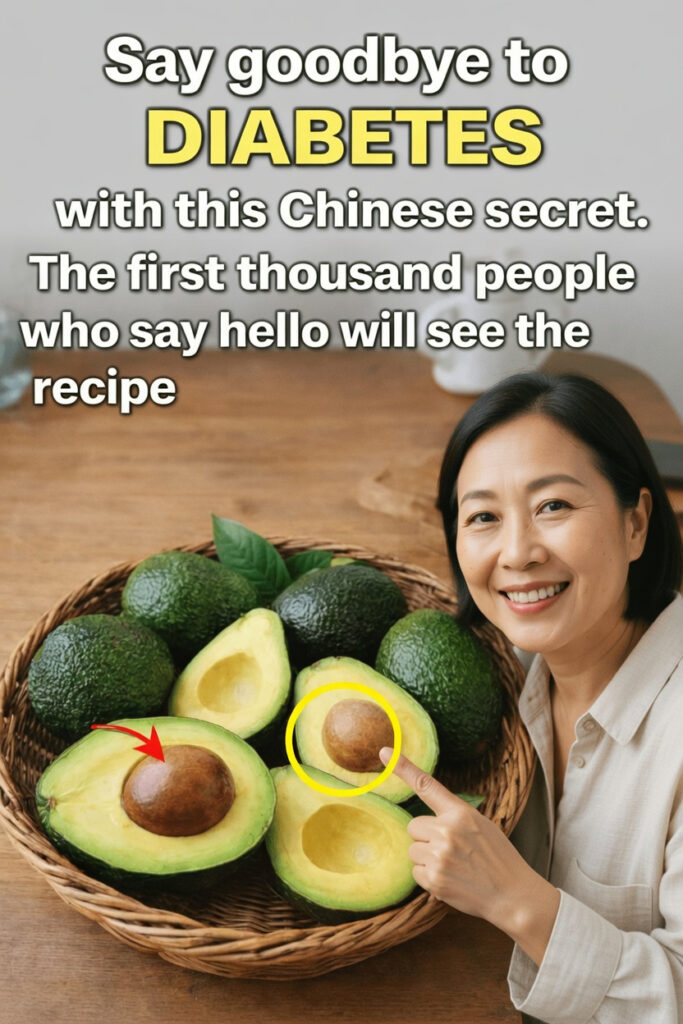
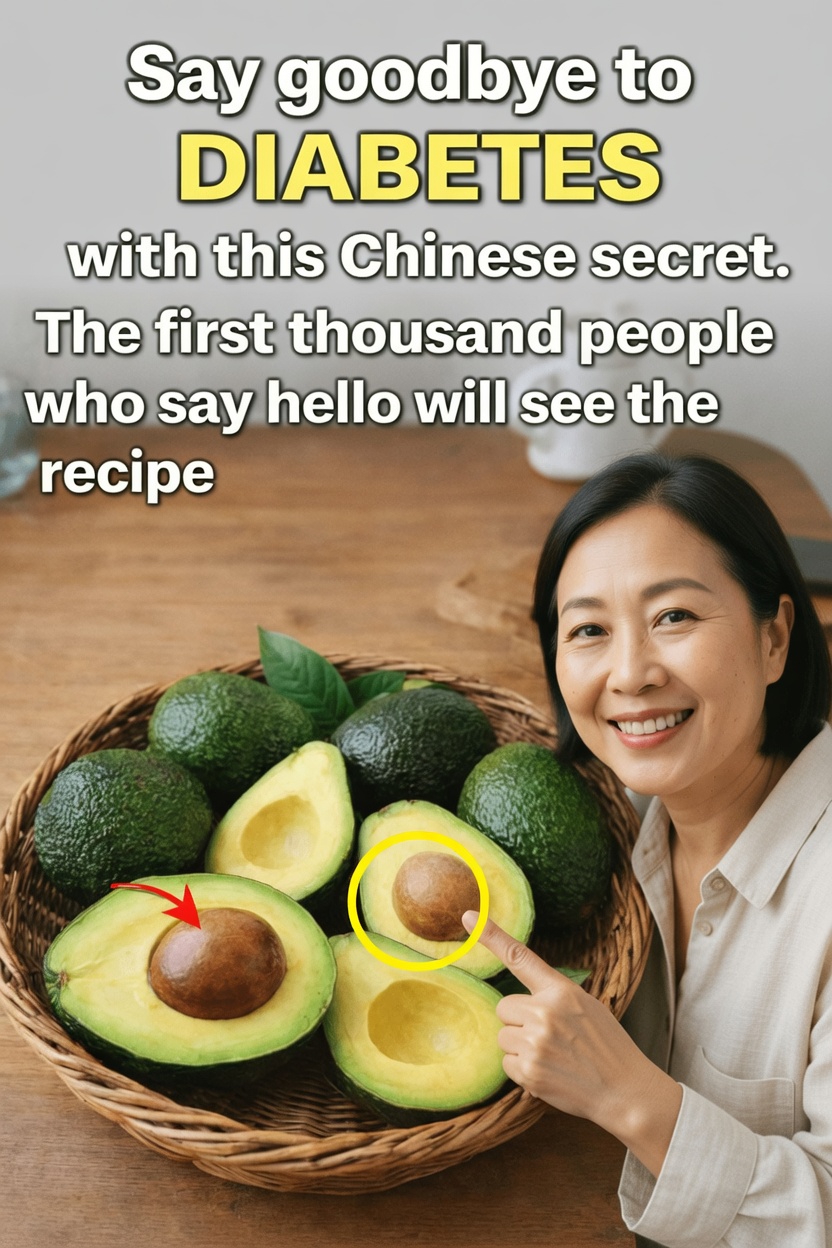
For many adults, maintaining steady energy and everyday wellness can feel like an ongoing challenge. Simple, realistic nutrition habits are often easier said than done, especially when so many “healthy” trends seem complicated or hard to sustain. One surprising topic gaining attention is the avocado seed—a part of the fruit most people usually discard without thinking twice.
Interest in avocado seeds has grown because they may contain plant compounds linked to wellness support. Still, the bigger story is not just whether the seed has potential, but how to use it carefully if you decide to try it. Below, you’ll find what current research says, how avocado flesh compares with the seed, and a practical step-by-step guide for preparing avocado seed tea at home.
Why Avocado Seeds Are Trending in Wellness Circles
If you spend time on social media, chances are you have seen avocado pits highlighted as a clever nutrition tip or a way to reduce kitchen waste. What used to go straight into the trash is now being discussed as a possible addition to a wellness routine.
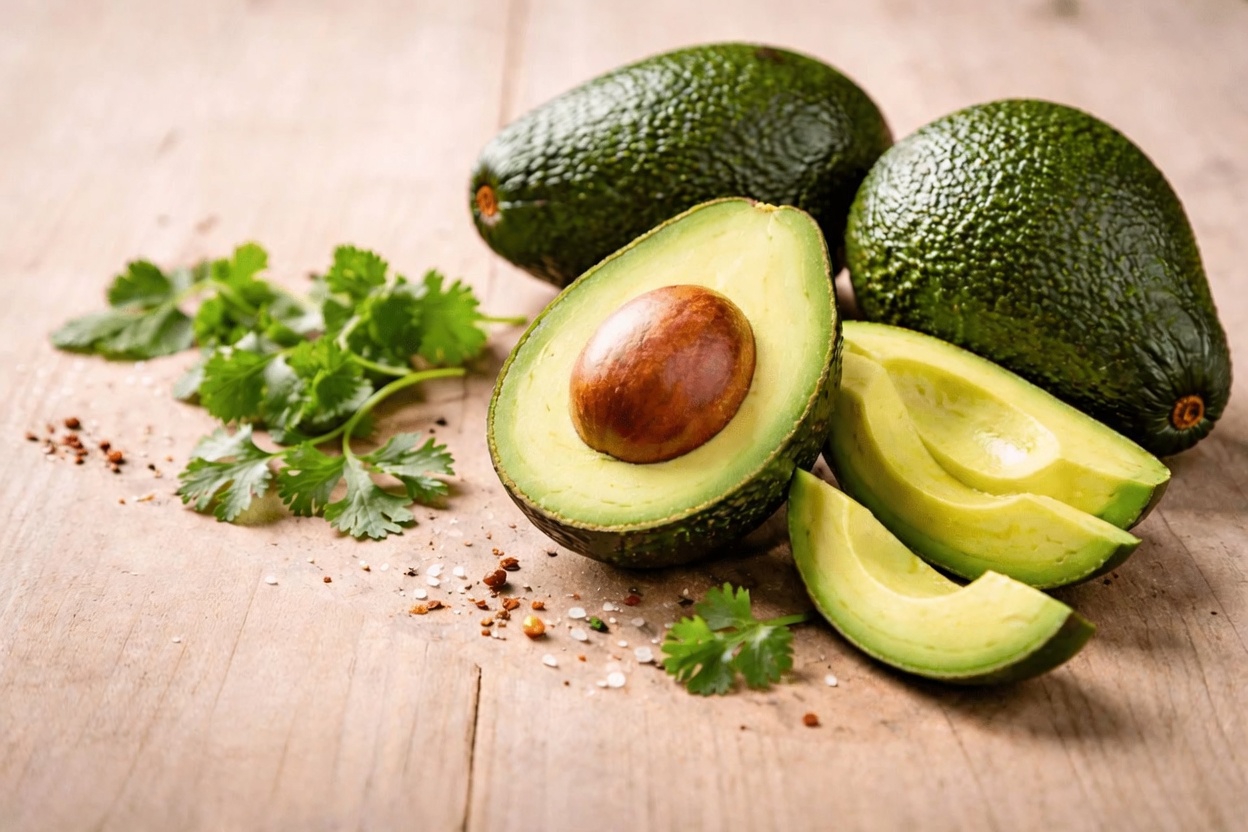
The reason for the buzz is simple: avocado seeds contain naturally occurring compounds such as polyphenols and flavonoids, which researchers have studied for their potential antioxidant effects. These compounds are often associated with support against oxidative stress, which is why the seed has become a point of curiosity.
That said, it is important to separate curiosity from established science. The soft green avocado flesh remains far better studied and far more practical for daily eating. Before adding the seed to your routine, it helps to understand how it differs from the fruit itself.
What Science Actually Says About Avocado Seeds
Early studies on avocado seed extracts have explored how the seed might influence certain markers related to metabolism and antioxidant activity. Some laboratory and animal research suggests that compounds in avocado seeds may help support the body’s response to oxidative stress. A few animal-based studies have also looked at possible effects on glucose metabolism.
However, these findings should be viewed with caution. Human research on avocado seeds is still limited, and the results are not strong enough to make firm health claims. Groups such as the California Avocado Commission have noted that the seed is not a standard food ingredient in the same way avocado flesh is. Because of this, moderation and proper preparation are especially important.
If you have any medical condition, take medication, or follow a specific diet plan, it is wise to speak with a healthcare professional before trying avocado seed products.
Why Avocado Flesh Has Stronger Evidence
While the seed remains experimental, the avocado fruit itself has a solid reputation in nutrition research. Studies reviewed by nutrition professionals suggest that eating avocado regularly may help with:
- Balanced blood sugar responses after meals
- Improved satiety or fullness
- Support for heart health
- Steady energy as part of a balanced diet
These benefits are largely tied to avocado’s nutritional profile, which includes:
- Fiber
- Monounsaturated fats
- Potassium
- Folate
- Vitamins E, K, and C
- A relatively low net carb content
Some research has also linked avocado intake with better insulin sensitivity in certain groups. This is one reason many registered dietitians suggest eating half an avocado several times per week as part of a balanced meal pattern.
Avocado Flesh vs. Avocado Seed
To make the difference clear, here is a quick comparison between the two.
1. Nutritional Value
Avocado flesh
- Rich in healthy fats
- High in fiber, with about 10 grams per whole avocado
- Good source of potassium, folate, and vitamins E, K, and C
Avocado seed
- Contains polyphenols, flavonoids, and some fiber
- Less practical for everyday eating
- Nutrients may be less available to the body in normal home preparation
2. Level of Research Support
Avocado flesh
- Backed by stronger human studies
- Associated with satiety, cardiovascular wellness, and blood sugar support
Avocado seed
- Studied mostly in test tubes and animals
- Human evidence remains limited and inconclusive
3. Safety and Preparation
Avocado flesh
- Easy to eat raw or cooked
- Widely accepted as safe
Avocado seed
- Not typically eaten raw
- Needs drying, peeling, grating, and brewing
- Should be used carefully and in small amounts
4. Taste and Everyday Use
Avocado flesh
- Creamy and mild
- Works well in toast, salads, bowls, and smoothies
Avocado seed
- Bitter when raw
- Often consumed as tea
- Flavor is earthy and slightly nutty, sometimes compared to green tea
The takeaway is simple: avocado flesh is the main nutritional star, while the seed is more of an optional experiment for those interested in wellness trends and reducing food waste.
Easy Ways to Add Avocados to Your Routine
The good news is that you do not need expensive tools or a complicated meal plan to start using avocados more often.
Practical ideas to try
-
Start with the flesh first
- Add half an avocado to toast, grain bowls, wraps, or salads.
- The combination of fiber and healthy fats can help you stay full longer.
-
Pair avocado with protein
- Combine it with eggs, chicken, tofu, cottage cheese, or Greek yogurt.
- This can help create a more balanced meal and support more stable energy.
-
Use avocado in smoothies
- Blend a small portion into a smoothie for a creamy texture without added sugar.
-
Reduce waste
- If you do not want to use the seed for tea, compost it instead.
- Some people also use the pit in DIY non-food projects, though it is not essential.
If you want to go a step further, some people add a small amount of properly dried avocado seed powder to smoothies. When combined with ingredients like banana and spinach, the bitterness can be softened by the creaminess of the fruit.
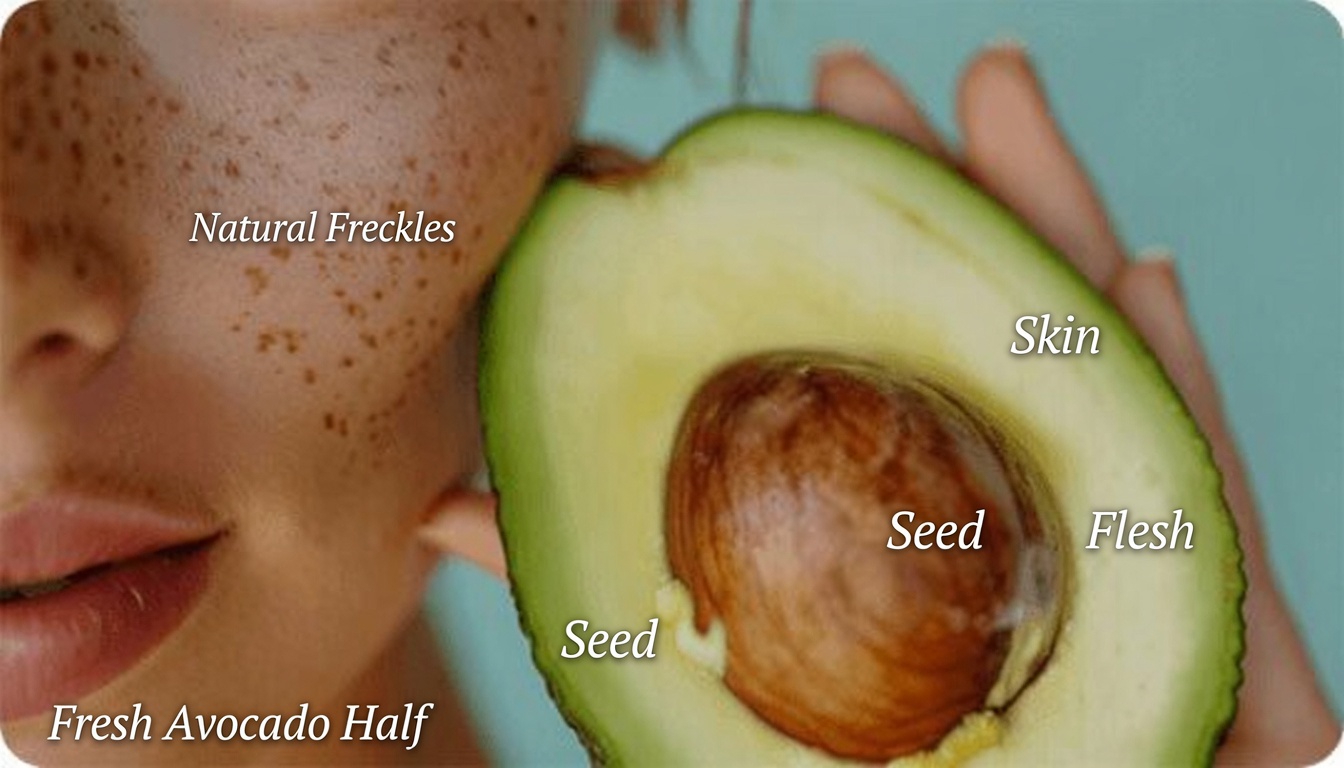
How to Make Avocado Seed Tea at Home
If you are curious about avocado seed tea, here is a simple preparation method often used by wellness enthusiasts.
Step-by-step instructions
-
Choose a ripe avocado
- Remove the seed and rinse it well under cool water to remove any leftover fruit.
-
Let the seed dry
- Place it on a plate or clean surface at room temperature for 24 to 48 hours.
- As it dries, the thin brown outer skin should loosen and become easier to peel.
-
Peel the seed
- Remove the outer brown layer to reveal the lighter inner seed.
-
Grate or finely chop it
- Use a box grater or food processor to break the inner seed into small pieces.
-
Simmer in water
- Add the grated seed to a pot with 3 to 4 cups of filtered water.
- Bring it to a boil, then reduce the heat and simmer for 15 to 20 minutes.
- The liquid may turn a light reddish-brown color.
-
Strain and serve
- Pour the tea through a strainer into a mug.
- If desired, add:
- A squeeze of lemon
- A dash of cinnamon
-
Start small
- Begin with one cup per day and pay attention to how your body feels.
Important Safety Notes
Avocado seed tea should be viewed as an experiment, not a guaranteed health solution. Keep these points in mind:
- Do not treat it as a replacement for balanced meals
- Do not use it instead of medical advice or prescribed care
- Avoid overconsumption
- Stop using it if you notice digestive discomfort or any unusual reaction
- Consult a healthcare professional if you have concerns
Moderation matters, especially because the seed is not as well studied as avocado flesh.
Why the Whole Avocado Deserves the Spotlight
One of the most useful lessons here is that you do not need to follow every viral health trend to support your well-being. The edible part of the avocado already offers meaningful benefits backed by years of nutrition research.
Regularly including avocado flesh in your meals may help:
- Promote fullness
- Support healthy cholesterol levels as part of an overall balanced diet
- Encourage more stable energy during the day
- Improve meal quality with healthy fats and fiber
The seed may be interesting, but it should be seen as an optional extra—not the main reason to buy avocados.
Final Thoughts: Small Habits Can Make a Big Difference
Adding avocado to your routine is a simple and sustainable habit that can fit easily into everyday life. Start with the part that has the strongest support: the flesh. If you are curious and want to reduce waste, you can also explore avocado seed tea with proper preparation and sensible moderation.
Whether you are making lunch bowls, blending smoothies, or trying your first mug of avocado seed tea, the most important approach is consistency paired with common sense. Small changes often work best when they are easy enough to repeat.
FAQ
1. Is it safe to have avocado seed every day?
It is best to be cautious. Because human research is still limited, many experts recommend starting with a small amount and not overusing it. If you choose to try avocado seed tea, begin with one cup daily and monitor how you feel.
2. Can you eat avocado seed raw?
Raw avocado seed is not generally recommended. It is very bitter and may be harder to digest. Drying, peeling, grating, and simmering it into tea is a more common method.
3. Is avocado flesh healthier than avocado seed?
For most people, yes. Avocado flesh has much stronger scientific support and is easier to include in everyday meals. It is also widely recognized as safe and highly nutritious.
4. What does avocado seed tea taste like?
When prepared properly, avocado seed tea has an earthy, slightly nutty flavor. Some people say it is similar to green tea, though a bit more robust.
5. What is the easiest way to add avocado to a balanced diet?
A simple option is to add half an avocado to toast, salads, grain bowls, or smoothies. Pairing it with protein-rich foods can make meals even more satisfying.