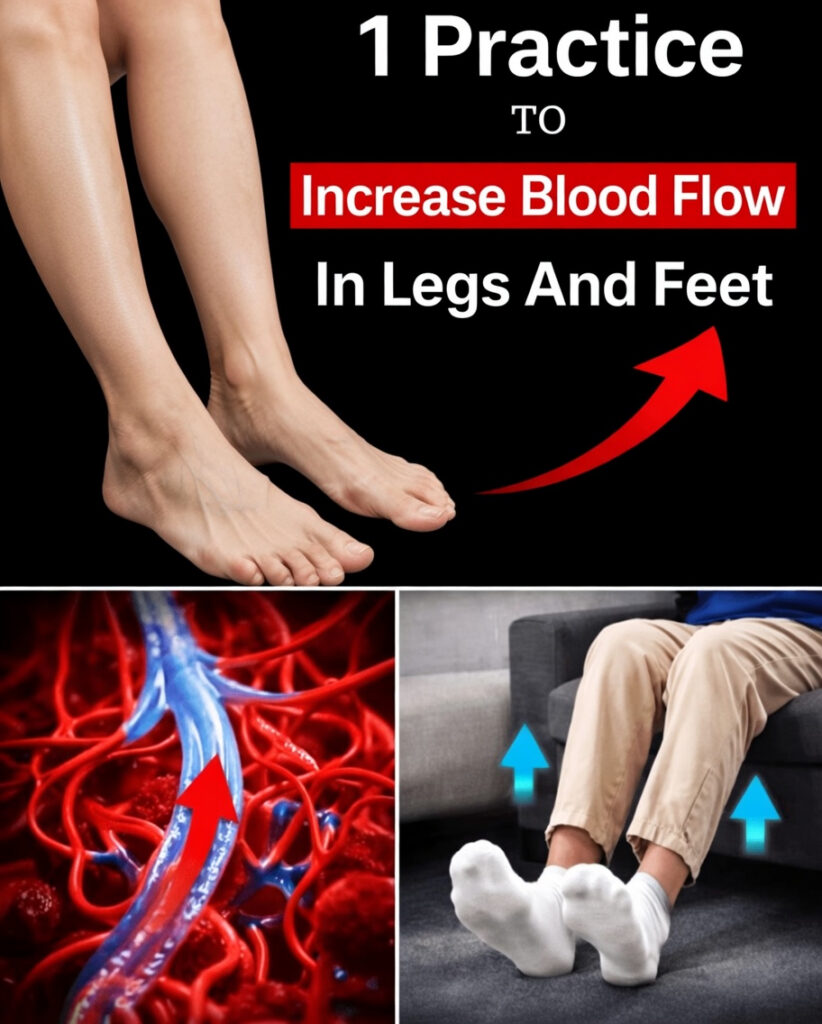
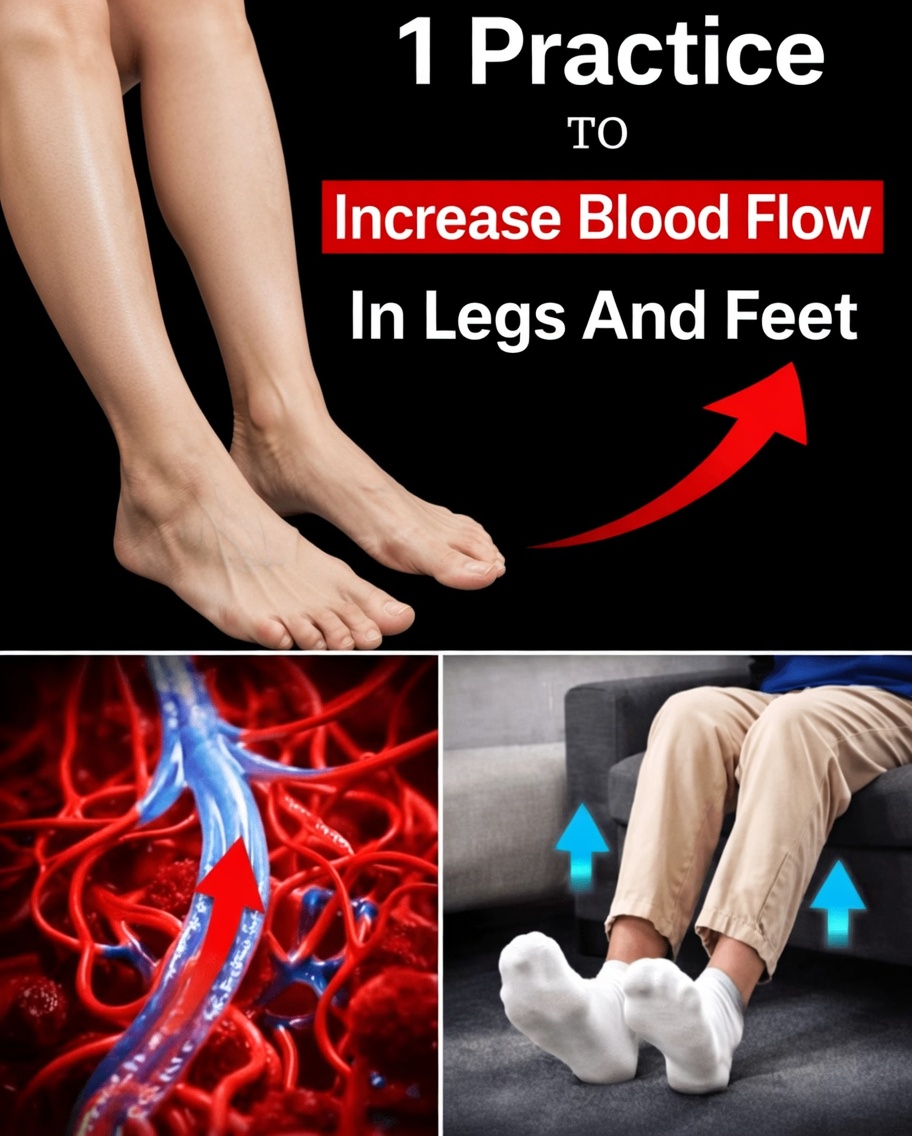
A Simple Daily Habit to Improve Blood Flow in Your Legs and Feet
That deep soreness in your calves after sitting for a while, along with tingling or unusually cold toes, can make even a short walk feel draining. For many adults over 60, poor circulation gradually affects everyday comfort. Blood tends to collect in the lower body, which can lead to swelling, heaviness, and tired legs that turn routine tasks into a burden.
One easy practice to increase blood flow in the legs and feet may help relieve that daily discomfort without special equipment or intense effort. A quick ankle pump exercise can support circulation, help your feet feel warmer, and make movement feel lighter.
Why Better Circulation in the Legs and Feet Becomes More Important After 60
Your calf muscles play a major role in moving blood back toward the heart. They are often called a “second heart” because they help push blood upward from the lower body. However, aging and long periods of sitting can reduce that natural pumping action. As a result, blood may pool in the legs and feet, causing coldness, puffiness, and fatigue.
If you are looking for a simple way to increase blood flow in the legs and feet, ankle pumps are a gentle and effective option. This movement activates the calf muscles without placing stress on the body. Health and wellness experts often recommend short circulation-focused exercises like this because even brief daily movement may reduce pooling and support easier walking.
Small, consistent habits can make a meaningful difference when it comes to leg and foot comfort.
The 1 Simple Practice to Increase Blood Flow in Legs and Feet: Ankle Pumps
The habit is called ankle pumps, and it only takes a few minutes a day. You can do it while sitting in a chair or lying down in bed.
Consider Margaret, age 68. After sitting through her evening TV programs, she often noticed numb feet and a heavy feeling in her lower legs. Once she began doing ankle pumps every night, she started to feel a difference within a few days. Her toes felt warmer, and the heaviness became less noticeable.
This simple exercise works by pointing and flexing the feet. That motion engages the calf muscles, which gently squeeze the veins and help move blood upward. Studies on basic circulation exercises suggest that movements like ankle pumps can help limit blood pooling and improve day-to-day comfort.
So how do you do them correctly?
How to Do Ankle Pumps Correctly
Follow these simple steps:
- Sit or lie down in a comfortable position.
- Extend your legs naturally.
- Point your toes away from your body, as if pressing down on a gas pedal.
- Hold for one second.
- Then pull your toes back toward your nose.
- Hold again for one second.
- Repeat the motion 10 to 20 times.
You can do one foot at a time or both feet together. The full routine usually takes less than two minutes. It fits easily into your day while reading, watching television, or getting ready for sleep.
Many people find that doing ankle pumps twice a day helps reduce swelling and makes their legs feel less tired.

Why Ankle Pumps Work So Well
The reason ankle pumps are so helpful is simple: they activate the calf muscle pump. When the calf muscles contract, they help push blood through the veins and back toward the heart. This is similar to what happens during walking, but ankle pumps allow you to get that benefit even when you are seated.
That makes this exercise especially useful for:
- Older adults
- People who sit for long periods
- Anyone with limited mobility
- Those who experience swelling, heaviness, or cold feet
Experts note that regularly stimulating this muscle-pump action may help reduce leg fatigue over time. While gentle walking is also excellent for circulation, ankle pumps alone can still provide meaningful support.
Quick Benefits of Ankle Pumps for Leg and Foot Circulation
Here is a simple overview of how ankle pumps can help:
| Aspect | How It Helps | Easy Tip |
|---|---|---|
| Blood Flow | Activates the calf muscle pump | Do 10–20 reps twice a day |
| Swelling | Helps reduce fluid pooling in the lower legs | Try them while watching TV |
| Foot Warmth | Encourages circulation to the toes | Pair with leg elevation |
| Daily Comfort | May reduce leg fatigue during walking | Start seated if needed |
This is why ankle pumps stand out as one of the easiest ways to increase blood flow in the legs and feet.
How to Turn Ankle Pumps Into a Daily Habit
You may wonder whether something so simple can really make a difference. But consistency matters. Margaret added ankle pumps to her evening routine and by the second week she felt steadier and more comfortable on her feet.
If you want to build this practice into your day, use this simple plan:
- Start in a safe position by sitting or lying down comfortably with your legs straight.
- Point your toes away and hold for one second.
- Flex your toes back toward you and hold again.
- Repeat 10 to 20 times per session.
- Aim for morning and evening to make it a habit.
- Elevate your legs afterward by resting your feet on a pillow if possible.
- Pay attention to changes such as warmer feet, less swelling, or lighter steps over time.
The key is not intensity. It is repetition. A short routine done regularly is often more helpful than a longer one done once in a while.
Tips to Get the Best Results
To support better circulation even more, consider pairing ankle pumps with a few healthy habits:
- Stand up and move around regularly if you sit for long periods
- Take short, gentle walks when you can
- Avoid sitting in one position for too long
- Keep hydrated throughout the day
- Elevate your legs occasionally if swelling is an issue
These simple actions can work together to improve comfort and reduce that heavy, sluggish feeling in the lower body.
Final Thoughts: A Gentle Way to Support Better Blood Flow
Ankle pumps offer a practical, low-effort way to increase blood flow in the legs and feet. You do not need expensive equipment, a gym membership, or a long exercise session. With just a minute or two a day, many people notice warmer feet, less swelling, and easier movement.
This is not a miracle cure, but it can be a helpful daily habit for maintaining comfort and mobility. As always, listen to your body and speak with your doctor if you have circulation concerns or any medical condition that affects your legs or feet.
FAQ About Ankle Pumps for Better Leg and Foot Circulation
1. How often should I do ankle pumps?
A good starting point is twice a day, with 10 to 20 repetitions each session. Your doctor or physical therapist can suggest a routine that fits your needs.
2. Are ankle pumps safe for everyone?
In most cases, yes, especially when done gently while seated or lying down. However, if you have a recent injury, severe pain, or a medical condition affecting circulation, check with your healthcare provider first.
3. Can I combine ankle pumps with walking?
Yes. Ankle pumps and short walks work very well together. You can begin with ankle pumps and then add light walking to support circulation even more.