

10 Pancreatic Cancer Warning Signs You Should Not Ignore
A lingering ache in the lower back or unexplained itching may seem like minor everyday problems. But when these symptoms persist, disrupt sleep, affect your mood, or make daily activities harder, they may be your body’s way of signaling that something is wrong.
What makes this especially important is that many people dismiss these changes until several symptoms begin to overlap. Recognizing the pattern early can help you have a more informed discussion with your doctor and may lead to faster answers.
Why These Symptoms Are Easy to Miss
Pancreatic cancer is often difficult to detect in its early stages because the signs can be subtle and nonspecific. Medical experts, including those from the Mayo Clinic and the American Cancer Society, explain that the pancreas is located deep within the abdomen, so problems may not become obvious right away.
As a result, early symptoms are often mistaken for stress, digestive upset, aging, or other common health concerns. That is why understanding the possible warning signs matters.
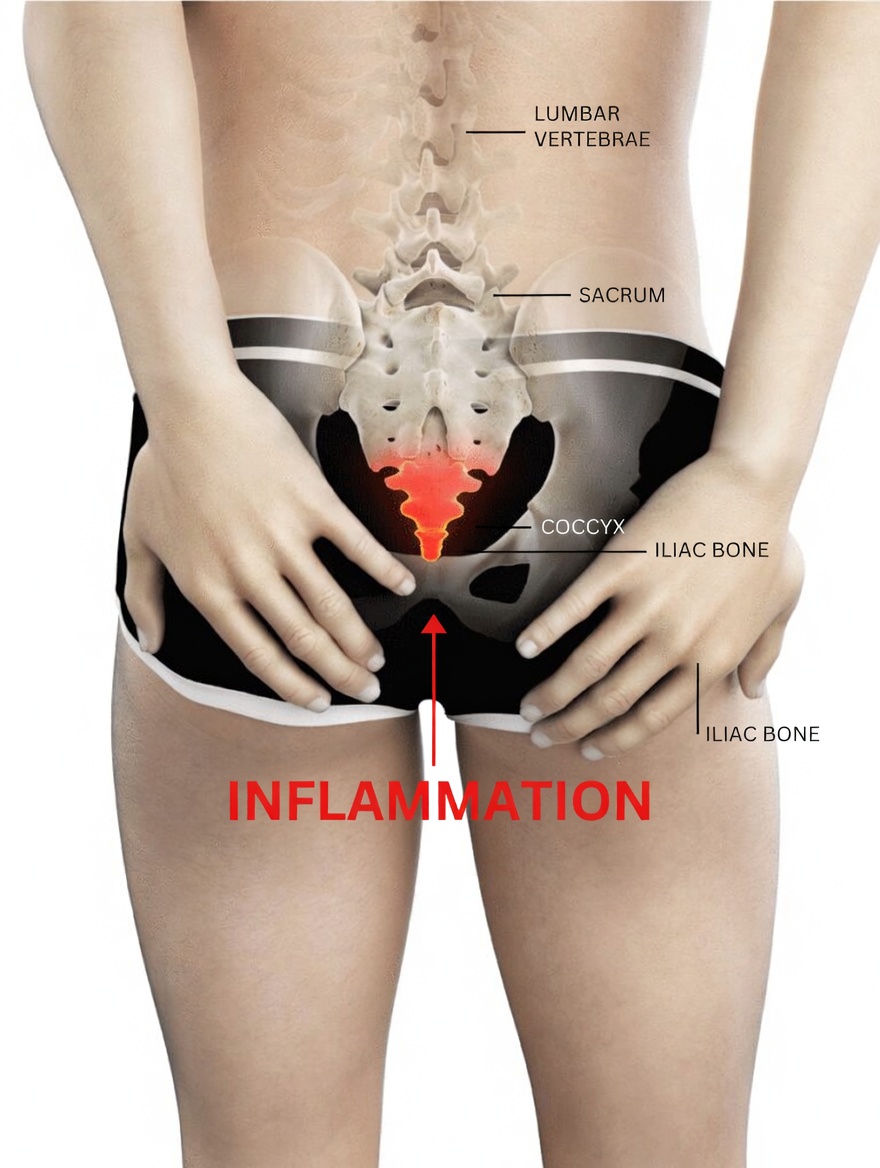
1. Lower Back Pain or Tailbone Discomfort
A constant dull ache in the lower back or near the coccyx can sometimes be more than simple muscle strain. In some cases, the discomfort may spread from the abdomen and feel worse when lying flat.
Experts note that this kind of pain can happen when a pancreatic tumor presses against nearby nerves or surrounding structures. Because it resembles ordinary back pain, many people overlook it for too long.
2. Persistent or Sharp Abdominal Pain
Pain in the upper abdomen that feels burning, gnawing, or sharp may come and go at first. For some people, it can also extend toward the sides or back.
This symptom may develop when the pancreas becomes inflamed or affected by abnormal growth. It is easy to confuse with indigestion, but recurring pain without a clear cause should not be ignored.
3. Ongoing Itching Without an Obvious Cause
Persistent itching, especially on the hands, feet, or across the whole body, can be surprisingly distressing. In some cases, the skin may look completely normal, with no rash or visible irritation.
According to clinical sources such as the Cleveland Clinic, this can be linked to bile buildup in the body when normal bile flow is blocked. Although it may seem unrelated to pancreatic health, it can be an important clue.
4. Unexplained Weight Loss
Losing weight without changing your diet, exercise routine, or lifestyle may sound positive at first. However, unintentional and steady weight loss is a warning sign that deserves attention.
This can happen because the body is no longer absorbing nutrients properly, digestion is impaired, or appetite gradually declines.
5. Reduced Appetite or Feeling Full Too Quickly
If you lose interest in food or feel full after only a small amount, that change may be significant. Meals that once felt enjoyable may suddenly seem unappealing or difficult to finish.
This symptom often develops gradually and can contribute to the unexpected weight loss mentioned above. Specialists commonly list it among early digestive changes associated with pancreatic problems.
6. Jaundice: Yellowing of the Skin or Eyes
A yellow tint in the skin or the whites of the eyes is one of the more visible warning signs. Sometimes relatives or friends notice it before the person affected does.
Jaundice can occur when the bile duct becomes blocked, preventing bile from flowing normally. The American Cancer Society identifies this as one of the clearest signs linked to pancreatic disease.
7. Dark Urine and Pale or Greasy Stools
Changes in the bathroom can reveal a lot about your health. Urine that becomes unusually dark and stools that look pale, oily, floating, or greasy may point to a problem with bile flow and fat digestion.
These changes often appear alongside jaundice and may indicate that the digestive system is not processing fats as it should.

8. New-Onset Diabetes or Worsening Blood Sugar Control
A sudden diagnosis of diabetes, especially later in life, can sometimes be connected to changes in the pancreas. The same is true if previously stable blood sugar levels become harder to manage for no clear reason.
Research has shown that newly developed diabetes after age 50, particularly when paired with unexplained weight loss, can sometimes be associated with pancreatic abnormalities.
9. Constant Fatigue and Unusual Weakness
Extreme tiredness that does not improve with rest can affect every part of life. Even simple tasks may begin to feel exhausting, and general weakness may linger without explanation.
This kind of fatigue is frequently reported because the body may be under stress, nutrition may be impaired, or digestion may no longer be functioning efficiently.
10. Nausea, Vomiting, or Ongoing Digestive Trouble
Repeated nausea, occasional vomiting, bloating, or stomach discomfort after meals can feel like a digestive issue that never fully resolves.
Because the pancreas helps break down food, problems in this organ can lead to persistent digestive symptoms that resemble more common stomach conditions.
Quick List of the 10 Warning Signs
Here is a simple summary you can save for reference:
- Lower back pain or coccyx discomfort
- Abdominal pain
- Persistent itching
- Unexplained weight loss
- Loss of appetite or getting full quickly
- Yellowing of the skin or eyes
- Dark urine and pale or greasy stools
- New diabetes or worsening blood sugar
- Ongoing fatigue
- Nausea or digestive problems
Practical Steps You Can Take Now
If some of these symptoms sound familiar, try not to panic. Many of them can be caused by conditions other than pancreatic cancer. Still, it is wise to stay proactive.
Here are five useful steps:
- Keep a symptom journal for two weeks, including meals, pain episodes, bowel changes, and energy levels.
- Book a routine medical appointment and clearly share what you have noticed.
- Ask whether blood tests or imaging may be appropriate if symptoms continue for more than a short period.
- Drink enough water and choose smaller, balanced meals if digestion feels uncomfortable.
- Speak with family members or close friends, since they may notice physical changes before you do.
These actions can help you stay informed while seeking proper medical guidance.
Why Awareness Is So Important
The key issue is that many pancreatic cancer symptoms overlap with far more common conditions such as ulcers, gallbladder problems, infections, or routine digestive complaints. That overlap is exactly why these signs are often missed.
However, when several symptoms appear together, they may point to a larger issue. Recognizing that pattern can encourage an earlier conversation with a healthcare professional and help you arrive at your appointment better prepared.
FAQ
What early pancreatic cancer symptoms do people notice most often?
Many people first report vague abdominal discomfort, lower back pain, unexpected weight loss, or changes in stool and urine. These signs may show up before more obvious symptoms such as jaundice.
Could these symptoms be caused by something other than pancreatic cancer?
Yes. In fact, many of these symptoms are more commonly linked to other conditions, including gallstones, ulcers, digestive disorders, or infections. That is why professional medical evaluation is essential.
How soon do pancreatic cancer warning signs appear?
Symptoms often become noticeable only after the disease has progressed to some degree. This is one reason why routine health checks and paying attention to body changes are so important.
Final Thoughts
Recognizing these 10 pancreatic cancer warning signs is not about creating fear. It is about becoming more aware, informed, and prepared to protect your health. Knowing what to watch for can help you speak more confidently with your doctor and make better decisions about your next steps.
Disclaimer: This article is for informational purposes only and does not replace professional medical advice, diagnosis, or treatment. Always consult a qualified healthcare provider with any concerns about your health.