
6 Food-Based Ways to Support Collagen After 60
Have you started noticing finer lines around your eyes, stiffer joints when you wake up, or everyday movements feeling less comfortable than they used to? One major reason may be the gradual drop in collagen that naturally happens with age, especially after 60.
As collagen levels decline, skin may lose firmness, joints can feel less cushioned, and connective tissues may become less resilient. These changes often show up as sagging skin, creaky knees, and slower recovery from physical activity. The encouraging part is that you can help support collagen with simple, whole-food choices already found in many kitchens.
In this guide, you’ll learn six practical food strategies to support collagen in older adults and easy ways to include them in your daily routine for better comfort and function.

Why Collagen Support Matters More After 60
A steady reduction in collagen is a normal part of aging, but it can affect much more than appearance. Lower collagen levels may influence:
- Skin elasticity
- Joint comfort
- Connective tissue strength
- Bone support
- Gut lining integrity
Using food to support collagen gives your body the raw materials it needs to maintain and rebuild these structures. Many adults over 60 find that when they consistently eat collagen-supporting foods, their skin feels a bit firmer and their joints move more easily.
The most effective approach is not just eating protein alone. Your body also needs key nutrients that work alongside amino acids to help collagen formation happen efficiently.
Research suggests that everyday whole foods can provide many of the building blocks needed to support collagen production in older adults, without relying entirely on powders or supplements. Even better, these foods often bring added benefits such as hydration, better nourishment, and more stable energy.
1. Bone Broth for Glycine and Proline
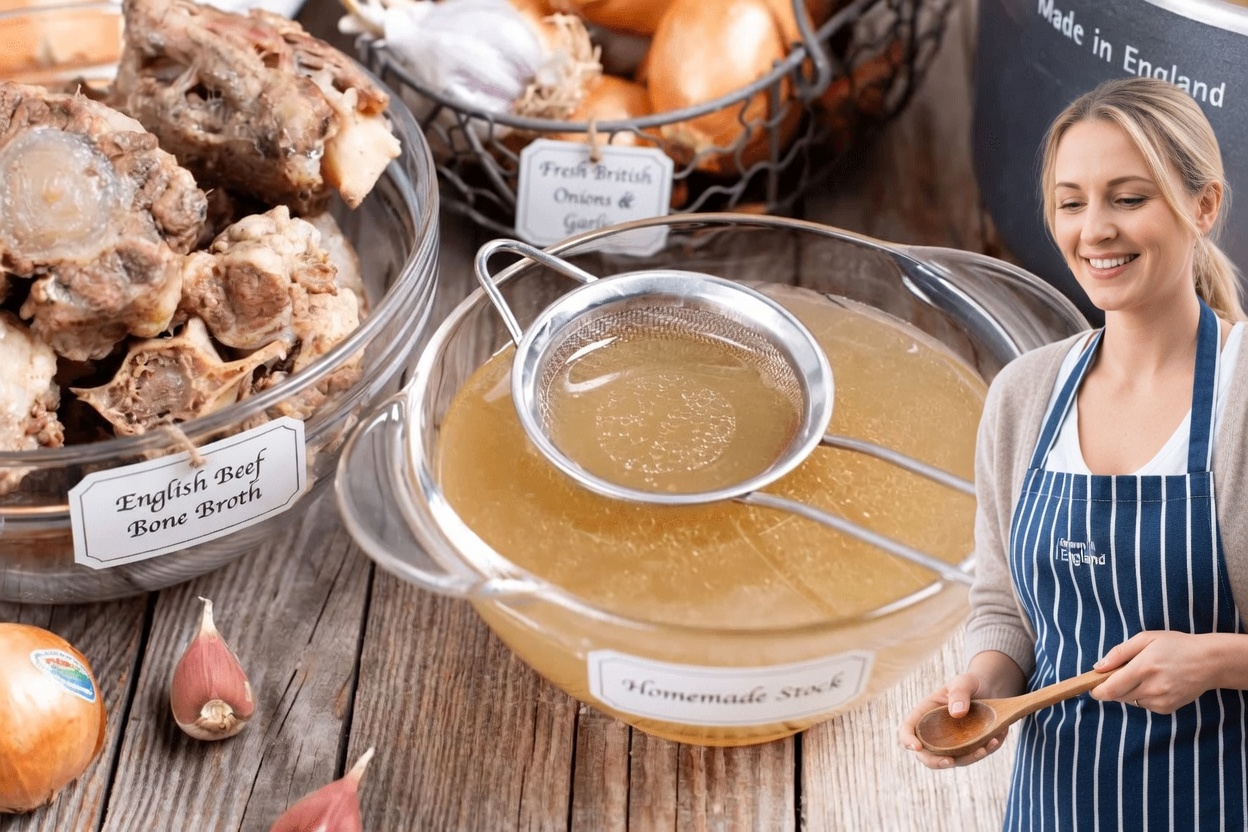
Bone broth is one of the best-known foods for collagen support because it naturally contains glycine and proline, two amino acids involved in collagen formation. When bones and connective tissues are simmered for a long time, these valuable compounds are released into the broth.
For many older adults, bone broth is an easy and soothing addition to the day. Some people say regular use helps them feel less stiff in the morning and supports healthier-looking skin.
To make it at home:
- Simmer bones for 12 to 24 hours.
- Add a splash of apple cider vinegar to help draw out nutrients.
- Strain and store for the week.
- Enjoy one warm cup a day.
2. Fish Skin for Type I Collagen and Omega-3s
Fish skin, especially from salmon and other oily fish, is a rich source of type I collagen. It also provides omega-3 fatty acids, which are valued for heart health and may help calm inflammation.
Because fish collagen is often considered highly bioavailable, it can be a smart food choice for older adults looking to support skin and joint health naturally. Many people over 60 who regularly eat fish with the skin on report improvements in skin texture and overall flexibility.
A simple way to use it:
- Bake or grill salmon with the skin attached
- Cook until the skin turns crisp
- Eat it this way about twice a week
3. Chicken Skin as a Practical Source of Type II Collagen
Chicken skin offers type II collagen, which is commonly linked with cartilage support. That makes it a useful food option for older adults who want to care for their joints through everyday meals.
When cooked well, chicken skin can be both flavorful and convenient. It is an easy choice for those who want food-based collagen support without adding another supplement to their routine.
Try this method:
- Roast chicken thighs with the skin on
- Bake at 400°F for about 35 minutes
- Include them in meals around three times per week

4. Egg Whites for Collagen-Supporting Amino Acids
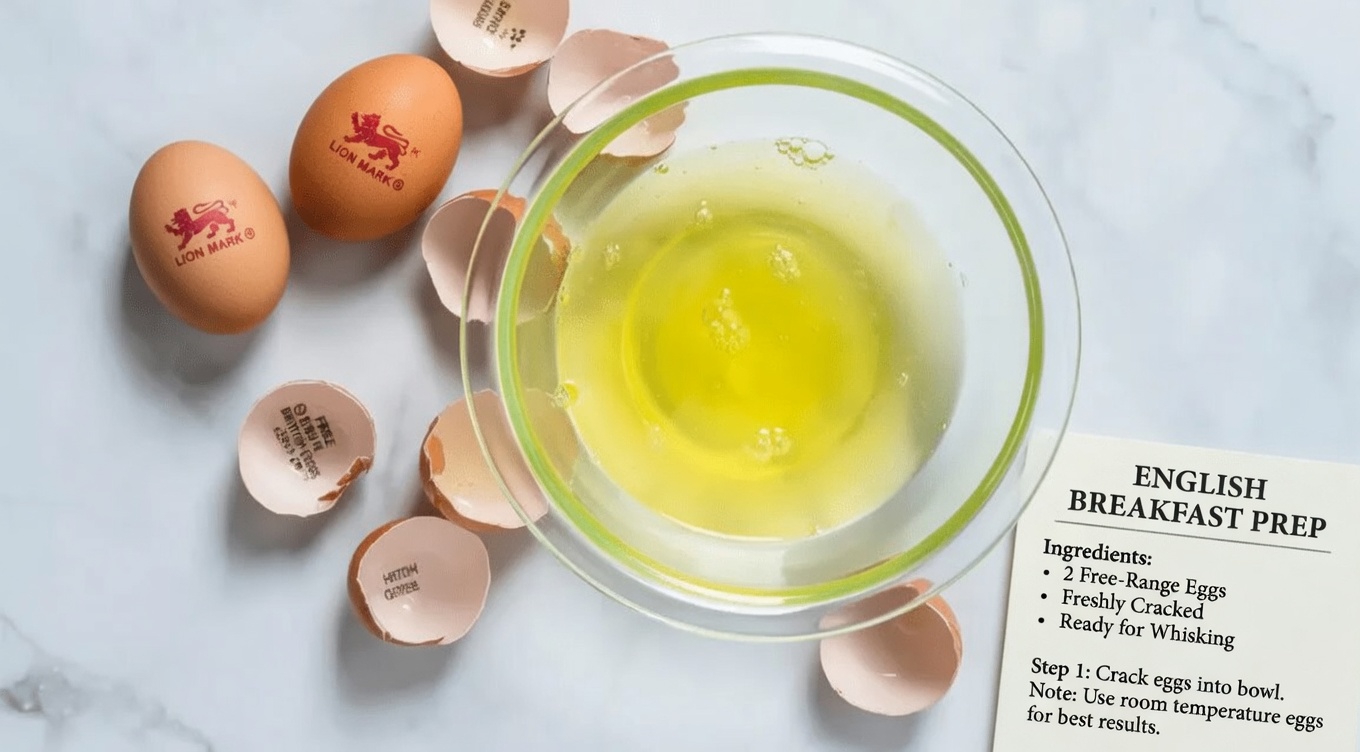
Egg whites do not contain collagen itself, but they do provide proline and other amino acids that help the body make its own collagen. They are also easy to digest for many people, which can be helpful as digestion changes with age.
Older adults often appreciate egg whites because they are light, versatile, and simple to prepare. Used regularly, they can fit naturally into a collagen-supportive eating pattern.
Easy daily ideas include:
- Adding egg whites to an omelet
- Mixing them into scrambled eggs
- Blending pasteurized egg whites into smoothies
5. Citrus Fruit with the Pith for Vitamin C
Vitamin C is essential for collagen formation. Without enough of it, the body cannot properly build and maintain collagen. Citrus fruits such as oranges and lemons are excellent sources, especially when eaten with some of the white pith still attached.
That pith contains bioflavonoids, which may help protect collagen from breakdown. This makes citrus one of the smartest and simplest foods to include if your goal is to support collagen naturally after 60.
Ways to enjoy it:
- Slice oranges with some pith left on
- Add lemon slices to water
- Toss citrus segments into salads each morning
Many older adults who eat citrus regularly say their skin appears brighter and feels more refreshed.
6. Berries for Antioxidant Protection
Berries help support collagen in a different but important way. Instead of only supplying nutrients for new collagen, they also provide antioxidants that may help protect the collagen you already have.
Their natural vitamin C content supports collagen production, while plant compounds may reduce oxidative stress that contributes to collagen breakdown. For adults over 60, berries can be a simple daily food that supports both appearance and overall vitality.
Easy ways to include them:
- Add a handful to yogurt
- Spoon them over oatmeal
- Blend them into a breakfast smoothie
Many people notice that regular berry intake helps them feel more energized while also supporting healthier-looking skin.

Collagen-Supporting Foods at a Glance
| Food Strategy | Potential Benefit After 60 | Easy Daily Use |
|---|---|---|
| Bone broth | Provides glycine and proline | Drink a warm mug daily |
| Fish skin | Supplies type I collagen and omega-3s | Eat baked salmon with skin twice weekly |
| Chicken skin | Offers type II collagen for cartilage support | Include roasted chicken thighs three times weekly |
| Egg whites | Delivers proline and amino acids for collagen production | Use in omelets or smoothies each day |
| Citrus with pith | Gives vitamin C and bioflavonoids | Add sliced citrus to breakfast or water every morning |
| Berries | Provides antioxidants and vitamin C | Eat a handful with breakfast daily |
A Simple Weekly Plan to Support Collagen
Keeping collagen-supporting habits simple makes them easier to maintain. Here is an easy weekly framework:
- Monday to Friday: Have bone broth or an egg white omelet at breakfast
- Tuesday and Friday: Add fish skin or chicken skin to dinner
- Wednesday and Saturday: Eat citrus and berries as snacks
- Sunday: Prepare a large batch of bone broth for the coming week
This kind of plan takes only a few minutes to organize and helps make collagen support feel manageable for busy adults over 60.
Changes Many Adults Notice Within a Few Weeks
When these foods are eaten regularly, some people report gentle but meaningful improvements such as:
- Smoother, more hydrated-looking skin
- Less stiffness in the morning
- Better joint comfort
- Stronger-feeling connective tissue
- Easier digestion and more regularity
- More even energy during the day
These results tend to build gradually. Food-based strategies support collagen by working with the body’s own natural processes over time.

Safety Tips to Keep in Mind
It is best to introduce these foods slowly rather than changing everything at once. A gradual approach can help avoid digestive discomfort and make it easier to notice what works well for you.
Also keep these points in mind:
- If you have a medical condition, speak with your doctor before significantly increasing bone broth, fish, or other protein-rich foods
- If you take medications, review any diet changes with your healthcare provider
- Choose organic, wild-caught, pasture-raised, or minimally processed options when possible
Your 2-Minute Action Step for Tonight
Open your refrigerator and place a few easy collagen-supporting foods where you will see them first thing tomorrow morning. For example:
- Eggs
- Citrus fruit
- Berries
That one small change can make it much easier to start building habits that support collagen and daily comfort.
Frequently Asked Questions
Can food really support collagen after 60?
Yes. Whole foods that provide amino acids and key nutrients such as vitamin C can help support collagen production in older adults when eaten consistently as part of a balanced diet.
What if I have joint pain or take medication?
These foods are generally everyday, well-tolerated options, but you should still check with your healthcare provider before making significant dietary changes, especially if you manage a chronic condition or use regular medication.
Do I need special products or expensive ingredients?
No. You can begin with common foods from a regular grocery store, including bone broth, fish, chicken, eggs, citrus fruits, and berries. Simple preparation is often all you need.
Final Thoughts
Your body can still respond remarkably well to supportive nutrition at 60, 70, 80, and beyond. While aging naturally affects collagen levels, everyday food choices can help provide the building blocks and protective nutrients your body needs.
Start with one easy change tomorrow, stay consistent, and pay attention to how you feel over the next few weeks.
This article is for informational purposes only and is not medical advice. Please consult a qualified healthcare professional before making dietary changes, especially if you have existing health conditions or take medications.