
Ginger Is Popular, but It Is Not Always Risk-Free
Many people enjoy ginger in tea, stir-fries, smoothies, or supplement form because it adds bold flavor and is often associated with digestive comfort and relief from occasional nausea. Still, even a familiar natural ingredient can affect the body differently when certain medical conditions or medications are involved.
The reassuring part is that you usually do not need to give up ginger entirely. With a few practical changes and a quick conversation with your doctor, most people can continue using it confidently. In fact, one simple daily habit helps many adults enjoy ginger safely without unnecessary worry.
Why So Many People Use Ginger Every Day
Ginger has long been a staple in kitchens around the world. People value it for its warming taste, versatility in cooking, and reputation for soothing the stomach after rich meals. It appears in everything from breakfast drinks to nighttime herbal teas.
But being widely used does not automatically make it ideal for every person in every situation. Medical professionals regularly point out that “natural” does not always mean harmless, especially when medications, chronic health concerns, or upcoming procedures are part of the picture.
6 Health Situations Where Ginger Deserves a Closer Look
The goal here is not alarm. It is simply to help you make informed choices. These are six of the most common situations where discussing ginger with a healthcare provider makes sense.
1. If You Take Blood Thinners or Other Clotting-Related Medications
Some studies indicate that ginger may mildly influence blood clotting. If you already use medications such as warfarin or aspirin, adding larger amounts of ginger could raise the risk of bruising or bleeding.
Because of this, many doctors suggest checking in before increasing your ginger intake through food, tea, or supplements.
2. If You Are Using Medication to Control Blood Sugar
In some individuals, ginger may affect blood glucose levels. For people taking diabetes medication, that may lead to blood sugar dropping more than intended.
A little monitoring, along with guidance from your doctor, can help you avoid surprises and keep your levels stable.

3. If You Are on Prescription Blood Pressure Medication
Ginger may support healthy blood pressure in certain cases. However, when combined with medication designed to lower blood pressure, the effect may become too strong for some people.
A brief discussion with your healthcare team can help confirm whether your usual ginger intake fits safely with your treatment plan.
4. If You Have Certain Heart Conditions
Some reviews suggest that high amounts of ginger could potentially affect heart rhythm or related symptoms in people with particular cardiac issues. This does not automatically mean ginger must be avoided.
It simply means that anyone with a heart condition should get personalized advice, especially before using ginger in concentrated amounts such as extracts or supplements.
5. If You Have a Planned Surgery Coming Up
Since ginger may play a role in blood clotting, many surgical teams recommend stopping it at least two weeks before a scheduled procedure.
This temporary pause is a simple precaution that may help reduce bleeding concerns during surgery and recovery.
6. If You Are Pregnant or Breastfeeding
Many pregnant women use small amounts of ginger to help with morning sickness, and it is often considered helpful in moderation. However, larger amounts near delivery or during breastfeeding have not been studied as thoroughly over the long term.
For that reason, most experts recommend keeping intake modest and speaking with your OB-GYN before using more than small dietary amounts.
The Important Reminder: Ginger Is Still Fine for Many People
Having one of the situations above does not automatically mean ginger is off the table. Many people continue to use it daily without problems once they understand the right amount and know how it fits with their health needs.
What Research Generally Suggests About Ginger Safety
Trusted health sources, including reviews summarized by WebMD, generally show that ginger is well tolerated by most healthy adults when used in moderate amounts. A commonly referenced upper limit is about 4 grams per day.
When intake goes beyond that, mild issues such as heartburn, stomach irritation, or digestive discomfort may become more likely. In many cases, simply reducing the amount is enough to solve the problem.
The main takeaway is simple: it is better to rely on good information and medical guidance than to make assumptions.
Practical Ways to Use Ginger More Safely
If you want to be more intentional about your ginger intake, these steps are easy to follow:
-
Track how much ginger you use now
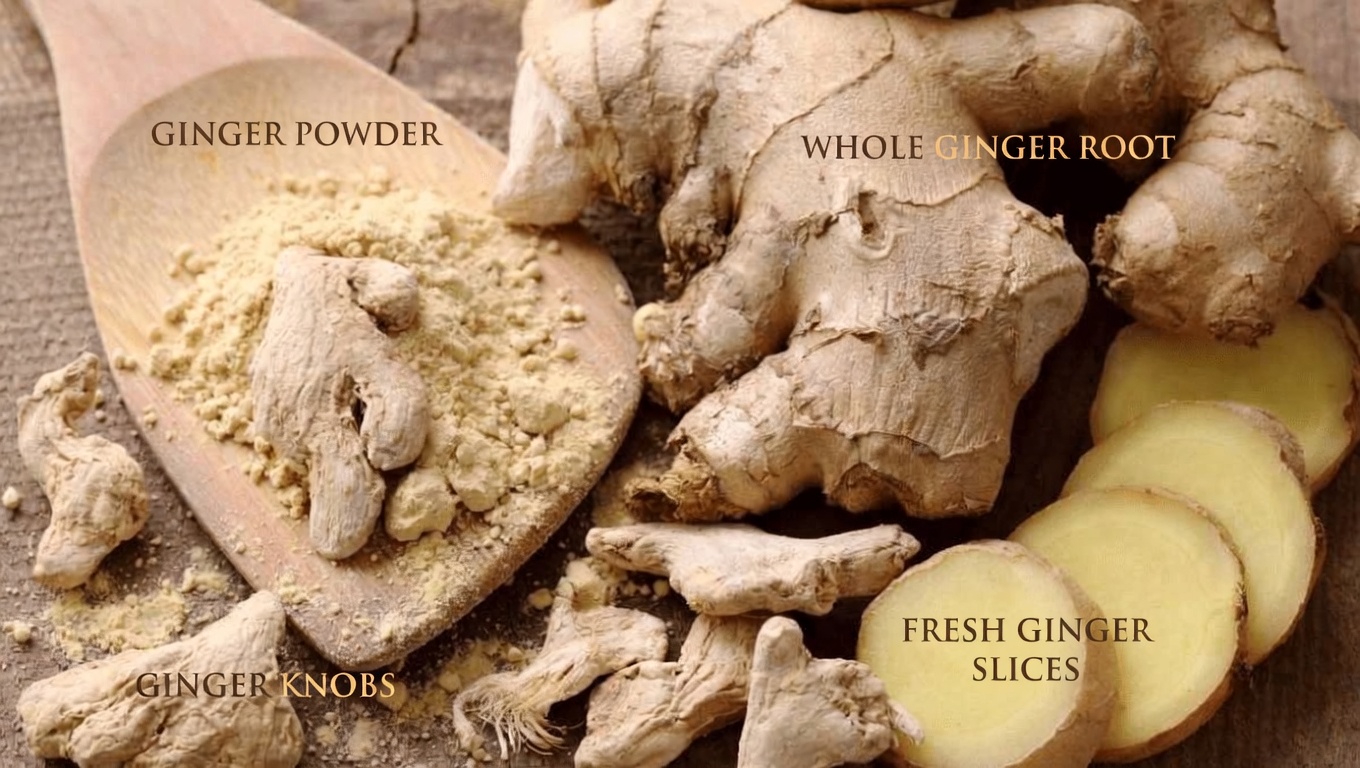
- A thumb-sized piece of fresh ginger is about 1 gram.
-
Write down your medications and health conditions
- Bring this list to your next medical appointment.
-
Ask direct questions
- Examples include:
- “Is my current ginger intake safe with my medications?”
- “What amount would be best for me?”
- Examples include:
-
Begin with a small amount if your doctor approves
- Around 1 gram per day is a sensible starting point for many people.
-
Keep a short symptom journal
- Note how you feel after using ginger so you can recognize patterns quickly.
These simple actions replace uncertainty with clarity.
Easy Alternatives if You Need to Cut Back on Ginger
If you need to reduce or pause ginger, you still have options that can keep your routine enjoyable.
Consider these swaps:
-
Warm water with fresh lemon
- A light option often used for digestive comfort
-
Turmeric in golden milk
- A mild alternative with a warming, soothing feel
-
Peppermint tea
- Commonly used for occasional stomach upset and may have fewer interaction concerns in some cases
The idea is not to lose flavor or comfort, but to choose what best supports your health situation.
The One Daily Habit That Makes the Biggest Difference
Here is the key point: many adults have no trouble with ginger when they follow one basic rule—stay moderate and review it with a doctor regularly.
For most people, keeping intake at or below 4 grams per day and checking in with a healthcare provider once a year is enough to use ginger with confidence. That combination of moderation and routine review is what often turns concern into peace of mind.
Final Thoughts: Ginger Can Still Have a Place in Your Routine
Ginger remains a flavorful and useful ingredient in many households. By understanding the six common situations above and being proactive with your healthcare provider, you can usually continue enjoying it without confusion.
Small adjustments and informed decisions often make all the difference.
FAQ
How much ginger is usually considered safe for healthy adults?
For most healthy adults, up to 4 grams daily is commonly viewed as a moderate and generally well-tolerated amount. That is roughly equal to 2 teaspoons of powdered ginger or about a 2-inch piece of fresh ginger root.
Can I still drink ginger tea if one of these health situations applies to me?
Often, yes, especially in small amounts. However, the safest choice is to ask your doctor, since the right answer depends on your medications, medical history, and overall health.
What should I do if ginger causes mild stomach discomfort?
Try reducing the amount or taking it with food instead of on an empty stomach. If discomfort continues, bring it up at your next medical visit so you can get advice tailored to your situation.
Medical Disclaimer
This article is for informational purposes only and does not replace professional medical advice. Always speak with your healthcare provider before changing your diet or supplement routine, especially if you take medication or have existing health conditions.