
Cancer, Treatment Uncertainty, and a New Area of Hope
Cancer touches millions of families across the globe, often bringing fear, emotional pressure, and treatment choices that feel hard to navigate. Many patients and loved ones worry about side effects, lengthy recovery, and results that can never be fully promised. That ongoing stress can make even encouraging medical updates seem out of reach.
Yet early research is drawing serious attention to an unexpected development. By the end of this article, you’ll understand why specialists are watching it so closely.
What Is This Experimental Drug and Why Are Experts Watching It?
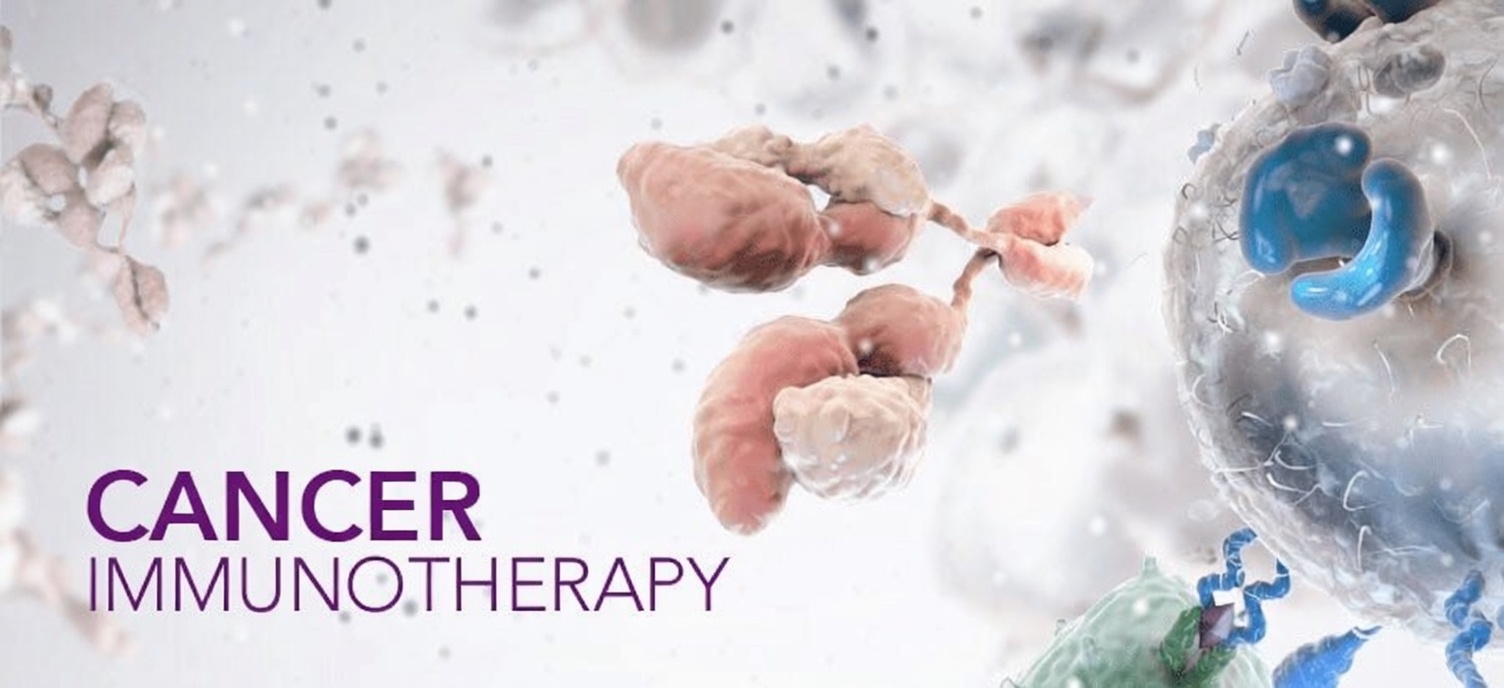
A rising number of scientists are evaluating an immunotherapy medicine called dostarlimab, sold under the brand name Jemperli. It belongs to a group of treatments known as PD-1 inhibitors, which are designed to help the immune system better identify and respond to abnormal cells.
The core concept is simple:
Rather than attacking cancer cells directly in the same way many traditional treatments do, this therapy helps strengthen the body’s own immune response.
At Memorial Sloan Kettering Cancer Center, a closely supervised clinical trial examined patients with a specific form of rectal cancer associated with genetic features called mismatch repair deficiency (dMMR) or microsatellite instability-high (MSI-H).
What made the study stand out was this:
Participants received dostarlimab once every three weeks for six months. During evaluation through scans and clinical exams, many showed no detectable evidence of disease.

That said, there is an important caution.
The findings came from a small and very narrowly defined patient group. Because of that, broader conclusions cannot be made yet, and additional research is essential.
Understanding the Science in Plain Language
Here is an easier way to think about it.
Imagine the immune system as a security team protecting the body. Under normal conditions, it spots threats and responds. But some abnormal cells learn how to stay hidden, almost as if they were wearing a disguise.
That is where immunotherapy can help.
Key Terms Made Simple
-
Mismatch repair deficiency
Some cells are less able to repair DNA mistakes. As these errors build up, the cells develop more changes, which may make them easier for the immune system to notice. -
PD-1 pathway
This is one of the immune system’s natural checkpoints. Certain abnormal cells can take advantage of it to avoid being attacked. Drugs such as dostarlimab help release this brake so immune cells can remain active. -
T cells
These are specialized immune cells that act like targeted defenders. They search for unusual activity and help the body respond.
So what is the main takeaway?
This type of treatment may work especially well when the immune system already has a reasonable chance of recognizing abnormal cells but needs extra support to act effectively.
Standard Treatment vs. Experimental Immunotherapy
To see why this research matters, it helps to compare it with more familiar treatment approaches.
Traditional care often includes
- Chemotherapy combined with radiation
- Surgery to remove affected tissue
- Possible lasting effects such as fatigue or digestive difficulties
The experimental immunotherapy approach in this study included
- Infusion-based medication only for carefully selected patients
- A treatment period of about six months
- Early reports of generally mild side effects
Still, this point is critical:
This approach is not a universal replacement for standard cancer care. It may apply only to certain patients with very specific biological features, and it remains under study.
Why Researchers Are Encouraged but Still Cautious
Promising early results naturally attract attention. In this case, the responses seen in a defined patient group were unusually strong, which is why the medical community is interested.
But careful science always moves step by step.
Key questions experts are still tracking
-
Small sample size
Early results need to be confirmed in larger groups of patients. -
Long-term durability
Researchers are continuing to monitor whether these responses last over time. -
Strict eligibility
The treatment appears most relevant for people whose tumors have specific genetic markers.
Current research updates suggest that regulatory bodies recognize the treatment’s potential and support continued investigation. Even so, experts emphasize the need for patience, follow-up data, and thorough validation.
What This Could Mean for Patients and Families
You may be asking a very practical question:
What does this mean for me or someone I love?
Even for people not directly facing this diagnosis, this research reflects a broader shift toward personalized medicine. Instead of using one standard strategy for everyone, doctors are increasingly matching treatments to the unique biology of each patient.
That matters because it may lead to:
- More individualized treatment plans
- Fewer unnecessary side effects in some cases
- Better alignment between therapy and a person’s specific condition
But there is another important point people often miss:
You do not have to wait for future breakthroughs to take useful action today.
Practical Ways to Stay Informed and Proactive
New treatments are important, but everyday health decisions still matter. Small, consistent steps can support long-term well-being.
Start with awareness
- Discuss family medical history with relatives
- Share relevant health information with your doctor
Keep up with screening
- Follow recommended screening guidelines
- Ask whether earlier screening makes sense if you have additional risk factors
Support health through daily habits
- Choose a balanced diet with plenty of fiber and whole foods
- Stay physically active in ways you can maintain
- Limit alcohol and avoid smoking whenever possible
Use reliable information sources
- Follow updates from trusted organizations such as national health institutes
- Be cautious with health claims circulating on social media
Ask informed questions
- If dealing with a diagnosis, ask about biomarker testing
- Discuss whether a clinical trial could be appropriate
The bottom line is clear:
Knowledge can build confidence, and confidence can ease some of the stress that comes with uncertainty.
The Bigger Role of Immunotherapy in Modern Medicine
This development is not happening in isolation. It is part of a larger movement in medicine.
Researchers are paying increasing attention to how the immune system interacts with disease, rather than focusing only on directly attacking symptoms or tumors.
That shift is gaining momentum.
Ongoing areas of research include
- Combining immunotherapy with other forms of treatment
- Expanding its use in different diseases and cancer types
- Improving patient selection through genetic and molecular testing
No single treatment works for everyone, but progress continues to advance year after year.
Conclusion: Progress Worth Watching, Not a Final Answer
The early results linked to this experimental immunotherapy strategy offer a powerful glimpse into the future of personalized cancer care.
At the same time, it is important to stay realistic.
This is still a developing area of research, and more evidence is needed to define its long-term role. What matters most right now is following evidence-based medical guidance, staying informed, and maintaining open communication with qualified healthcare professionals.
Sometimes major medical advances do not come from one dramatic moment, but from steady progress built over time.
FAQ
Is this drug available for all patients right now?
No. Its use is limited to certain situations and medical conditions. Whether someone qualifies depends on factors such as tumor biology, overall health, and clinical guidance.
Does this type of therapy cause side effects?
Early findings suggest that some patients experienced relatively mild issues, including fatigue or skin-related reactions. However, side effects can differ from person to person, so medical supervision is necessary.
How can I know whether new treatment options may apply to me?
Talk with your healthcare provider about biomarker testing and potential clinical trials. They can help determine what is relevant based on your personal medical situation.
Disclaimer
This article is intended for informational purposes only. It does not replace professional medical advice, diagnosis, or treatment. Always seek guidance from a qualified healthcare provider regarding any health concerns.