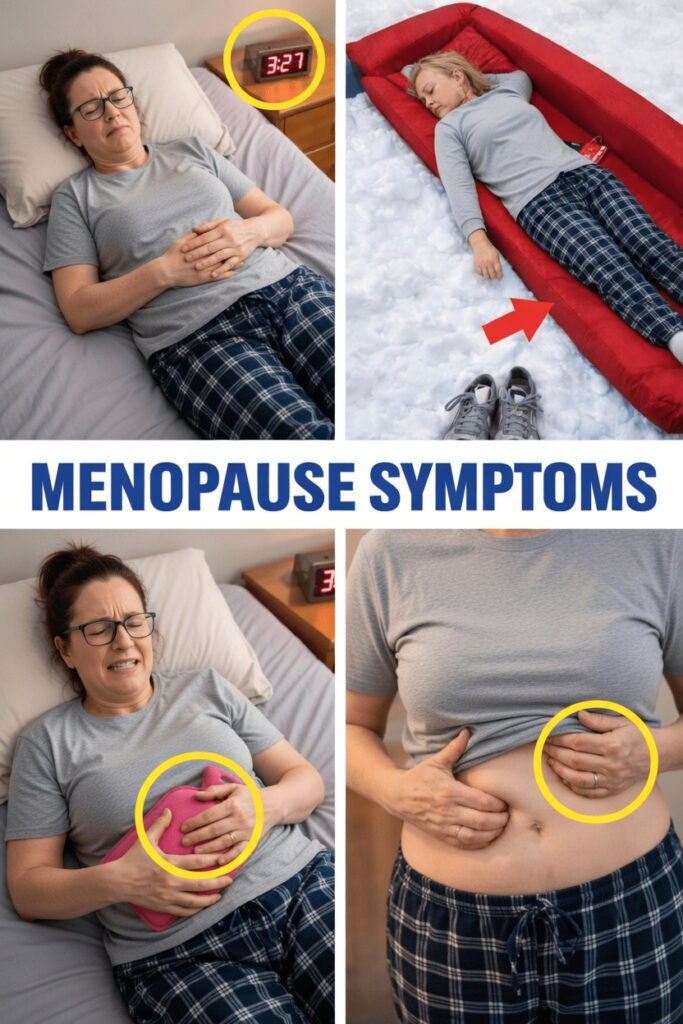
Understanding Menopause: 9 Common Signs and Simple Ways to Feel Better
You may have started noticing that your body feels different lately. Maybe you wake up overheated in the middle of the night, or your emotions seem harder to predict during the day. These changes can be confusing, frustrating, and easy to dismiss at first, especially when they seem to happen without warning.
As time goes on, they may begin to affect your sleep, energy, comfort, and self-confidence in quiet but meaningful ways. What many women do not realize right away, however, is that these symptoms often follow recognizable patterns. Once you understand what is happening, it becomes much easier to respond with practical habits that help you feel more in control.
What Menopause Is and Why It Happens
Menopause is a normal life stage that marks the end of menstrual cycles. It is officially confirmed after 12 straight months without a period. For many women, this happens around ages 50 to 51, although the transition leading up to it, known as perimenopause, may begin several years earlier.
During this phase, the ovaries gradually produce less estrogen and progesterone. These hormones affect a wide range of body functions, including:
- Body temperature regulation
- Sleep patterns
- Metabolism
- Mood
- Reproductive health
Studies suggest that as many as 80% of women experience symptoms during this transition. Although menopause is completely natural, the changes can still feel disruptive if you do not recognize their cause.
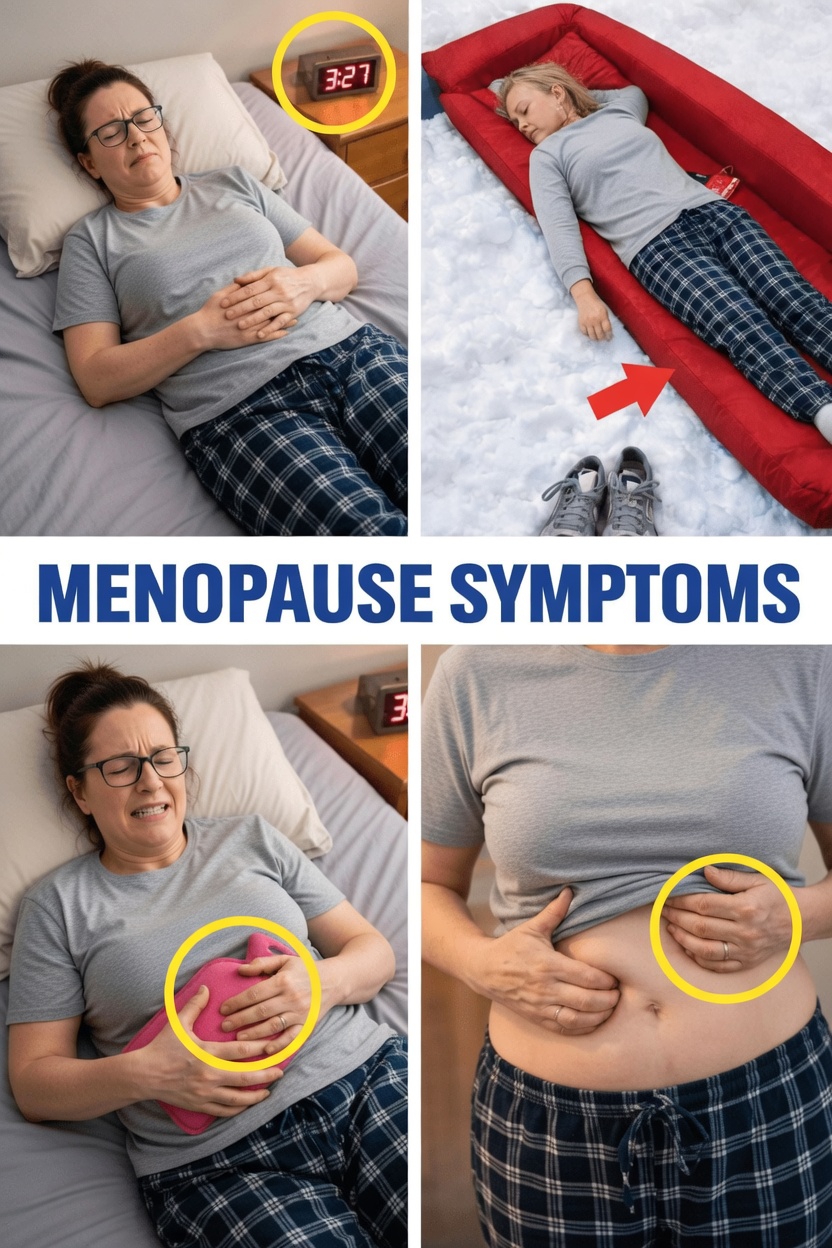
9 Common Signs of Menopause
1. Irregular Periods
One of the first signs is often a shift in your menstrual cycle. Your periods may become lighter or heavier, arrive closer together, or become less predictable.
You may miss a month and then suddenly have a stronger-than-usual period. Health authorities such as the Mayo Clinic note that this happens because hormone levels begin to rise and fall unevenly rather than following a regular cycle.
Keeping track of your periods in a notebook or phone app can help you identify patterns and reduce uncertainty.
2. Hot Flashes
A hot flash is a sudden feeling of heat that usually spreads through the upper body. It can appear quickly and may feel intense.
Common symptoms include:
- Flushed or warm skin
- Sweating
- A fast heartbeat
Research shows that about 75% of women experience hot flashes during menopause. They may last only a few seconds or continue for several minutes, and the intensity can vary widely.
The encouraging news is that for many women, hot flashes become less frequent over time.
3. Night Sweats
When hot flashes happen during sleep, they are called night sweats. You may wake up feeling too hot, damp, or uncomfortable, even if the room itself is not especially warm.
Because they interrupt sleep, night sweats can leave you feeling drained and unfocused the next day.
A few simple adjustments may help:
- Keep the bedroom cool
- Choose breathable sheets and blankets
- Wear lightweight sleep clothing
Even small changes in your sleep environment can improve comfort.
4. Sleep Problems
Many women have trouble sleeping during menopause, even when night sweats are not the main issue. You may find it harder to fall asleep, stay asleep, or return to sleep after waking.
Hormonal shifts can interfere with your natural sleep rhythm. Over time, poor rest can affect concentration, mood, and daily energy levels.
A consistent evening routine may support better sleep, such as:
- Dimming the lights before bed
- Avoiding screens late at night
- Going to sleep at a regular time

5. Mood Changes
You may notice that you feel more irritable, anxious, or emotionally sensitive than usual. These reactions can seem sudden and difficult to explain.
Changes in estrogen can influence brain chemicals involved in mood regulation, which is why emotional ups and downs are so common during this stage. Organizations such as the North American Menopause Society have noted that these symptoms are frequent and often temporary.
Sometimes, simply understanding that hormones may be involved can ease unnecessary worry.
6. Weight Changes and a Slower Metabolism
Many women experience gradual weight gain during menopause, especially around the abdomen, even when their routine has not changed much.
This can be related to a slower metabolism and changes in muscle and fat distribution. Rather than focusing only on the number on the scale, it can be more helpful to support overall health with habits such as:
- Strength training to build or maintain muscle
- Eating nutrient-rich foods
- Staying active throughout the day
These choices can help support metabolism, mobility, and general well-being.
7. Vaginal Dryness and Reduced Comfort
As estrogen levels decline, vaginal tissues may become thinner, drier, and less naturally lubricated. This can lead to discomfort during daily life or intimacy.
Although it may feel awkward to discuss, this is extremely common. Over-the-counter vaginal moisturizers may help, and speaking with a healthcare professional can make it easier to explore safe treatment options.
8. Brain Fog and Memory Lapses
Have you ever walked into a room and suddenly forgotten why you went there? Many women describe this experience as brain fog.
It may include:
- Trouble focusing
- Forgetting small details
- Slower word recall
These mental changes can be frustrating, but research suggests they are often temporary and may improve with time. Staying mentally engaged through reading, conversation, puzzles, or learning new skills may help support concentration.
9. Fatigue and Low Energy
Feeling worn out, even after what should have been enough sleep, is another commonly reported symptom.
This fatigue can be connected to several factors, including:
- Interrupted sleep
- Hormonal shifts
- Higher stress levels
Helpful daily habits may include:
- Drinking enough water
- Taking short walks or stretching often
- Eating balanced meals with protein and fiber
- Reducing caffeine later in the day
- Using relaxation practices to manage stress
Daily Habits That Can Support Your Well-Being
If you want to feel more stable and comfortable during menopause, small actions done consistently can make a real difference.
Start with these practical steps:
Track Your Symptoms
Write down what you notice for at least two weeks. Look for patterns in discomfort, triggers, and what seems to help.
Improve Your Sleep Space
Cooler room temperatures and breathable fabrics may reduce overheating and support better rest.
Move Regularly
Aim for 20 to 30 minutes of walking, stretching, or light exercise on most days of the week.
Prioritize Nutrition
Choose foods rich in calcium, fiber, and healthy fats when possible. Try to limit heavily processed foods.
Stay Connected
Talking with friends, family, or a support group can make this phase feel less isolating.
Daily Habits and Their Potential Benefits
| Daily Habit | Potential Benefit | Easy to Start |
|---|---|---|
| Consistent bedtime routine | Better sleep quality | Yes |
| Strength training a few times per week | Supports metabolism | Moderate |
| Hydration and balanced meals | More stable energy | Yes |
| Stress management practices | Better mood balance | Yes |
These habits may seem simple, but over time they often lead to noticeable improvements.

What Many Women Realize Later
Here is the part that often surprises people: once women understand what their bodies are experiencing, menopause often feels less overwhelming.
Awareness, combined with manageable lifestyle changes, can create a stronger sense of control and confidence. While this transition can be challenging, it can also become a meaningful period of self-awareness and renewed attention to personal health.
Frequently Asked Questions
How long do menopause symptoms usually last?
For many women, noticeable symptoms continue for about four to five years during the transition, though the timeline varies from person to person.
Can everyday habits really help?
Yes. Research suggests that regular movement, balanced eating, good sleep habits, and stress management can reduce the severity of several common symptoms.
When should I talk to a healthcare professional?
If symptoms are disrupting your sleep, daily activities, relationships, or overall quality of life, it is a good idea to seek personalized medical advice.
Final Thoughts
These body changes can feel unsettling at first, but they are a natural part of life for many women. Recognizing the signs of menopause is the first step toward handling this stage with more understanding and less frustration.
With patience, awareness, and supportive daily habits, many women begin to feel more balanced, more prepared, and more confident over time.
This article is for informational purposes only and is not a substitute for professional medical advice. Always consult a qualified healthcare provider for personal guidance.