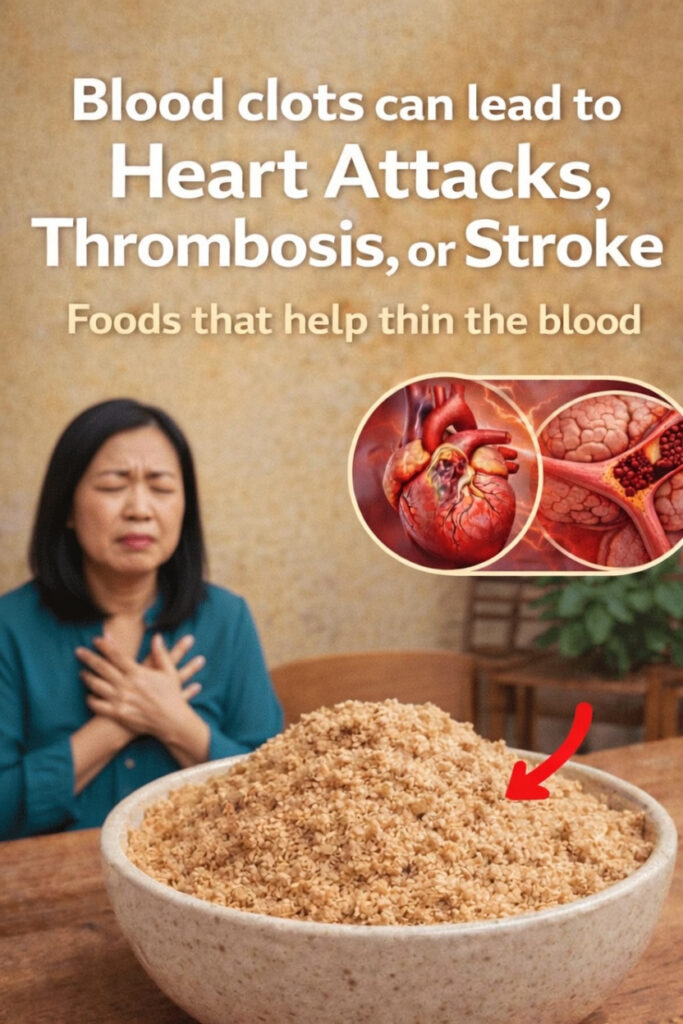
Foods That May Support Healthy Blood Flow Naturally
Most people do not think much about circulation until they begin noticing signs like tiredness, discomfort, brain fog, or growing concern about heart health. Yet blood flow plays a quiet but essential role in how you feel every day. When circulation is less efficient, it may gradually affect energy, concentration, and overall wellness.
The good news is that everyday eating habits can help support normal circulation and blood vessel health over time. Small, steady changes often matter more than dramatic ones. In fact, one of the easiest foods to include is likely already familiar to you.
Why Good Circulation Is So Important
Your circulatory system is constantly at work. It carries oxygen and nutrients throughout the body and helps remove waste products from your tissues. When blood moves efficiently, it supports everything from mental clarity to physical recovery.
Still, several common factors can influence circulation, including:
- Long hours of sitting
- Smoking
- Ongoing stress
- Aging
- Limited physical activity
Research shows that certain foods contain natural compounds that may help maintain normal blood flow, support flexible blood vessels, and promote a healthy inflammatory balance as part of a nutritious diet. These foods are not cures, and they do not replace medical treatment, but they may be helpful additions to a heart-conscious lifestyle.
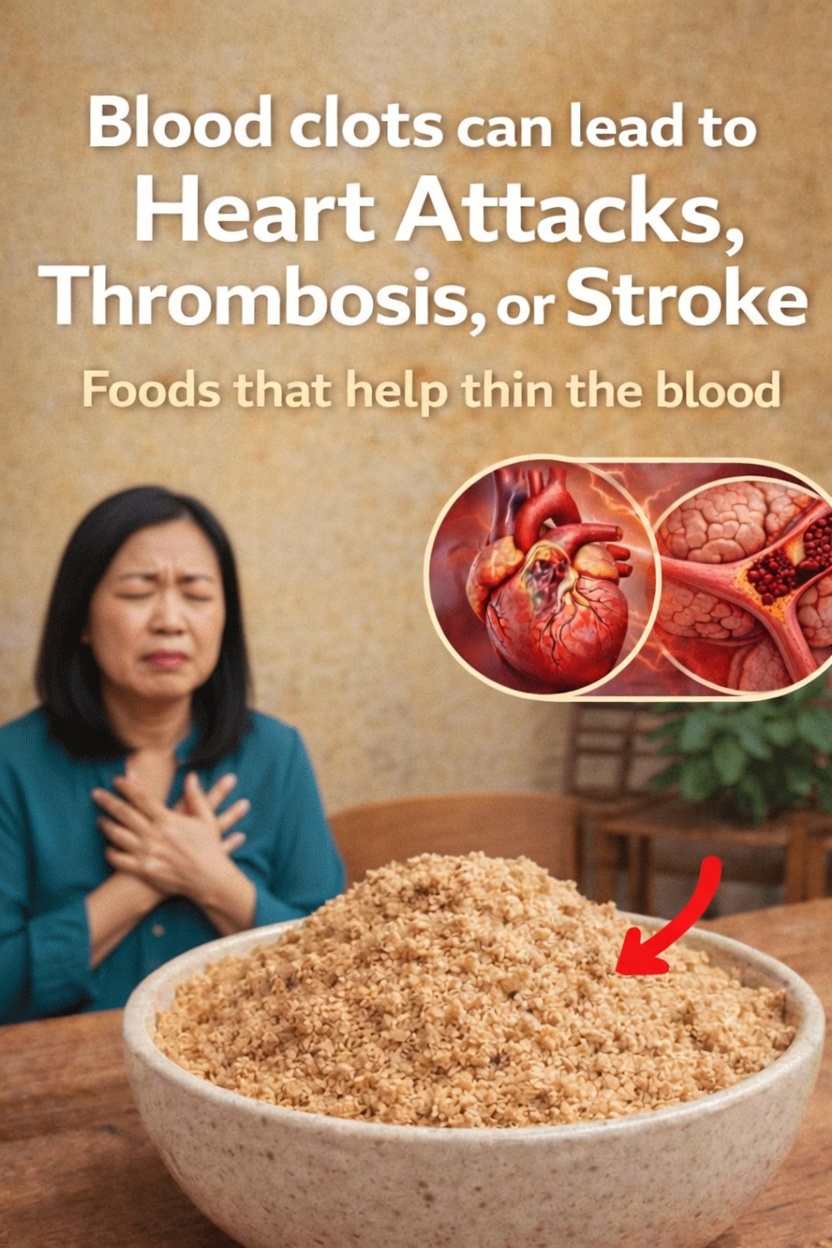
1. Garlic: A Classic Choice for Circulation Support
Garlic has a long history in both cooking and traditional wellness practices. One of its best-known active compounds, allicin, has been studied for its potential role in cardiovascular health.
Some studies suggest that regular garlic intake may help support normal platelet activity and healthy blood movement.
Easy Ways to Eat More Garlic
- Mix freshly minced garlic into salad dressings
- Add it to roasted vegetables or stir-fries
- Roast whole cloves for a softer, sweeter taste
2. Ginger: Warming and Easy to Use
Ginger is valued for both its flavor and its potential wellness benefits. It contains natural salicylates and antioxidants that researchers have examined for their possible effects on circulation and heart function.
A 2021 review pointed to ginger’s potential to support cardiovascular balance, making it a practical ingredient for daily meals.
Simple Ways to Add Ginger
- Make fresh ginger tea with sliced root
- Blend grated ginger into soups or smoothies
- Eat small portions of candied ginger as an occasional snack
An added benefit is that many people find ginger soothing for digestion as well.
3. Turmeric: The Golden Spice with Broad Appeal
Turmeric has gained attention largely because of curcumin, its main active compound. Curcumin is widely studied for its anti-inflammatory properties, and some research suggests it may also help support healthy blood vessel function.
How to Use Turmeric More Often
- Stir it into soups and curries
- Add it to warm plant-based milk
- Blend it into juices or smoothies
A useful tip: curcumin is absorbed more effectively when paired with black pepper, so using both together may improve its benefits.
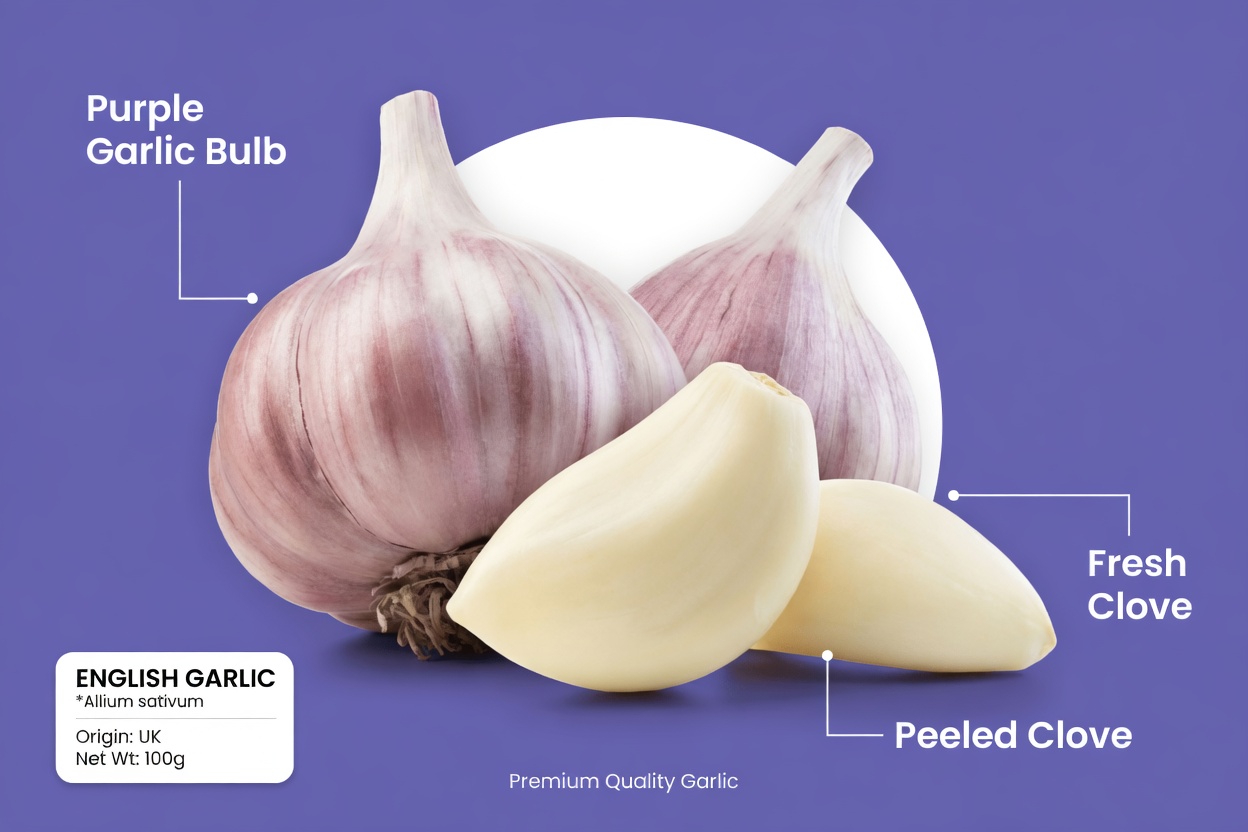
4. Cayenne Pepper: A Spicy Boost for Warmth and Flow
Cayenne pepper contains capsaicin, a compound often discussed in studies related to circulation and blood vessel relaxation.
When used in moderation, cayenne may help create a warming sensation and support healthy blood flow.
Ways to Include Cayenne Pepper
- Sprinkle a little into soups, eggs, or sauces
- Add it to marinades
- Start with a small amount if you are sensitive to heat
If spicy foods are not your preference, there are plenty of gentler choices on this list.
5. Cinnamon: Comforting Flavor with Added Potential
Cinnamon is more than a cozy kitchen staple. Certain types, especially cassia cinnamon, contain compounds such as coumarin, which have been examined for their possible effects on circulation and platelet behavior.
Easy Ways to Enjoy Cinnamon
- Stir it into oatmeal or yogurt
- Add it to tea or coffee
- Sprinkle it over apples, bananas, or other fruit
A Helpful Note
If you use cinnamon often, Ceylon cinnamon may be a better choice because it contains less coumarin.
6. Omega-3 Rich Foods: Essential for Heart Health
Foods rich in omega-3 fatty acids are among the most researched for cardiovascular support. Fatty fish such as salmon, sardines, and mackerel provide omega-3s that may help maintain normal platelet function and support overall heart wellness.
Top Omega-3 Food Sources
- Salmon
- Mackerel
- Sardines
- Flaxseeds
- Walnuts
Easy Routine Ideas
- Aim for two servings of fatty fish each week
- Add flaxseeds to oatmeal or smoothies
- Keep walnuts on hand for a convenient snack
7. Vitamin E Rich Foods: The Overlooked Everyday Option
One of the most practical choices for circulation support may be the simplest: foods high in vitamin E. This nutrient works as an antioxidant and may help protect blood vessel health. Some research also suggests it may help maintain normal blood consistency.
Foods High in Vitamin E
- Almonds
- Sunflower seeds
- Spinach
- Avocados
Simple Snack and Meal Ideas
- Eat a handful of almonds between meals
- Sprinkle sunflower seeds over yogurt or salads
- Add avocado to toast, bowls, or smoothies
What makes this category especially useful is how easy these foods are to include without changing your routine too much.
Quick Reference Table
| Food | Key Compound | Potential Support |
|---|---|---|
| Garlic | Allicin | Platelet balance |
| Ginger | Salicylates | Circulation support |
| Turmeric | Curcumin | Inflammation balance |
| Cayenne pepper | Capsaicin | Blood vessel relaxation |
| Cinnamon | Coumarin | Blood flow support |
| Omega-3 foods | EPA and DHA | Heart wellness |
| Vitamin E foods | Antioxidants | Blood vessel protection |
How to Add These Foods to Your Daily Routine
Creating better habits does not need to feel difficult. Small actions repeated consistently can make a meaningful difference.
A Simple Daily Plan
-
Morning
- Add ginger or turmeric to tea or a smoothie
-
Lunch
- Use garlic in dressings, sauces, or cooked vegetables
-
Snack
- Choose nuts or fruit topped with cinnamon
-
Dinner
- Include fatty fish twice a week with light seasoning
-
Throughout the day
- Drink enough water to support healthy circulation
The most important point is consistency. You do not need to change everything at once. Gradual improvements are often more sustainable.
Lifestyle Habits That Support Healthy Blood Flow
Food is only one part of the picture. To better support circulation, combine smart food choices with healthy daily habits such as:
- Moving regularly, especially if you sit for long periods
- Managing stress through breathing exercises or gentle activity
- Avoiding smoking
- Getting enough sleep each night
Healthy blood flow is usually the result of many small behaviors working together over time.
Final Thoughts
Supporting circulation does not require an extreme diet or a complicated routine. As research continues to explore the relationship between nutrition and cardiovascular health, foods like garlic, ginger, fatty fish, nuts, and seeds continue to stand out for their potential benefits.
By including these ingredients regularly, you may help support your body’s natural balance in a practical and sustainable way. Often, the smallest daily habits create the biggest long-term impact.
Frequently Asked Questions
Can these foods replace prescribed medication?
No. These foods are intended to support a balanced diet and healthy lifestyle, not replace medical care or prescription treatment. Always follow guidance from your healthcare provider.
Is it safe to eat these foods every day?
In normal culinary amounts, they are generally safe for most people. However, very high intakes or concentrated supplements may interact with certain medications.
How long does it take to notice a difference?
Results vary from person to person based on diet, lifestyle, and consistency. Focus on long-term habits instead of expecting immediate changes.
Disclaimer
This article is for informational purposes only and is not medical advice. Always speak with a qualified healthcare professional before making significant dietary changes, especially if you have a medical condition or take medication.