

Struggling to Sleep After 60? Try This Gentle 5-Movement Bedtime Routine
If you are over 60 and bedtime has turned into hours of shifting, tossing, and watching the clock, you are certainly not the only one. Many older adults find that sleep becomes lighter, more interrupted, and less satisfying than it used to be. Even after spending enough time in bed, it is common to wake up feeling tired instead of restored.
The encouraging part is that better rest does not always require medication, costly devices, or complicated methods. A simple bedtime movement routine can help your body relax naturally. In this article, you will discover a calm 5-movement nighttime practice created for adults over 60 to support deeper, more refreshing sleep.
Before getting into the routine, it helps to understand why sleep often becomes more difficult with age and why gentle movement may help.
Why Sleep Often Changes After Age 60
As the body gets older, sleep patterns naturally shift. Several factors can make it harder to fall asleep, stay asleep, and wake up feeling refreshed. Studies suggest that melatonin production often declines with age. At the same time, everyday stress, mild aches, and reduced physical activity can make restful sleep more difficult.
These changes may lead to:
- Lower natural melatonin levels over time
- More muscle tightness or joint stiffness at the end of the day
- Subtle changes in blood flow and nervous system balance
- A mind that stays active when it should be winding down
Recognizing these age-related sleep changes can make it easier to support your body instead of working against it.
How a Gentle Night Routine Can Improve Sleep
A short sequence of relaxing movements before bed can serve as a signal that the day is ending and rest is beginning. These easy exercises help loosen physical tension, calm the mind, and guide the body into a more restful state. Many people over 60 notice they feel more peaceful and sleep better when they practice this routine regularly.
A calming bedtime routine may help by:
- Releasing tension in the neck, shoulders, and lower back
- Supporting circulation in the feet and legs
- Encouraging slower, deeper breathing to relax the nervous system
- Creating a steady evening ritual that prepares the brain for sleep
The routine is also practical. It takes only 10 to 15 minutes and can be done in the bedroom without any special tools.
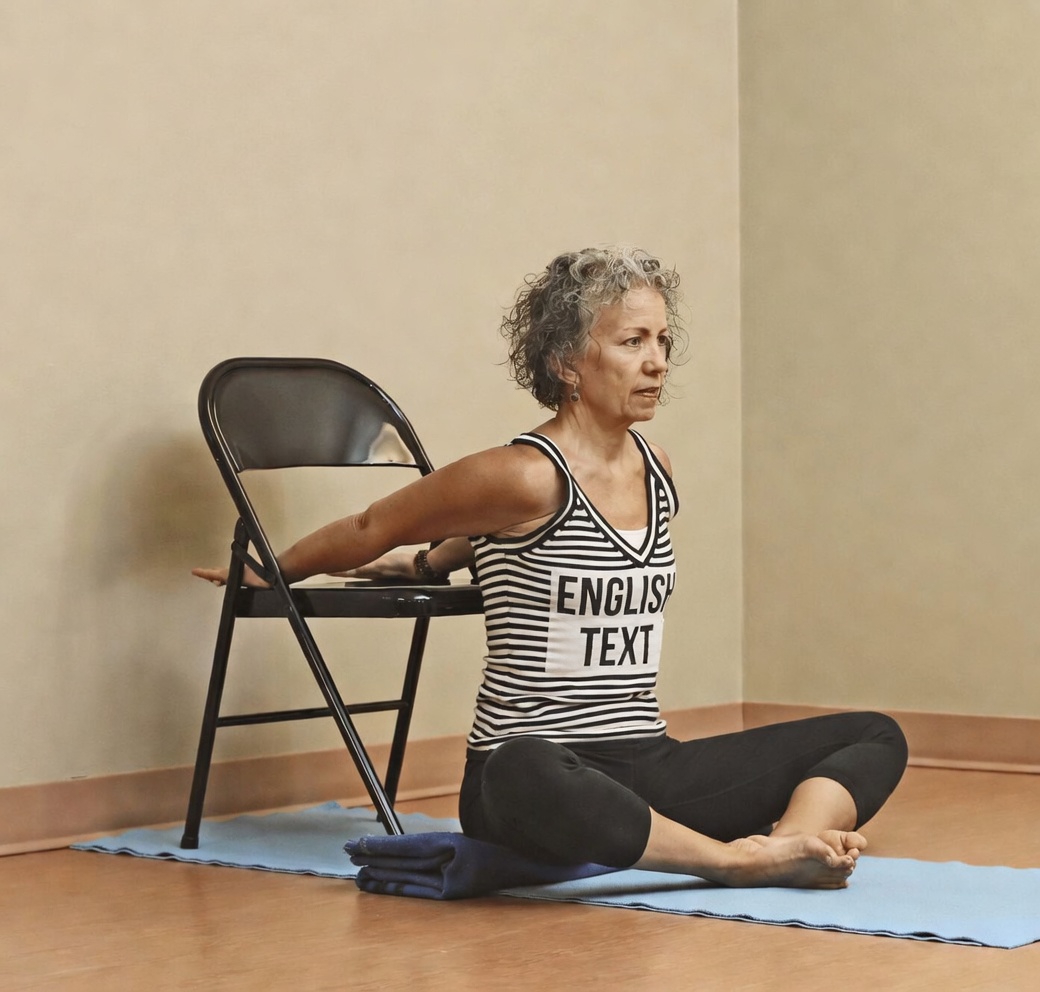
5 Gentle Bedtime Movements for Better Rest After 60
Move slowly, breathe steadily, and stay within a range that feels easy and safe. The goal is comfort and relaxation, never strain.
1. Deep Breathing With Shoulder Relaxation
Sit comfortably on the edge of your bed or in a stable chair. Place both feet flat on the floor. Breathe in slowly through your nose as you gently lift your shoulders toward your ears. Then exhale through your mouth and let your shoulders drop completely.
Repeat this 6 to 8 times.
This simple movement can help release stress built up during the day and tells your body it is time to start settling down.
2. Gentle Neck Stretch
Remain seated and slowly tilt your head toward your right shoulder until you feel a light stretch along the left side of your neck. Hold the position for 10 to 15 seconds while breathing calmly. Return to the center, then repeat on the other side.
This stretch can be especially helpful for easing tension caused by posture, daily tasks, or time spent sitting.
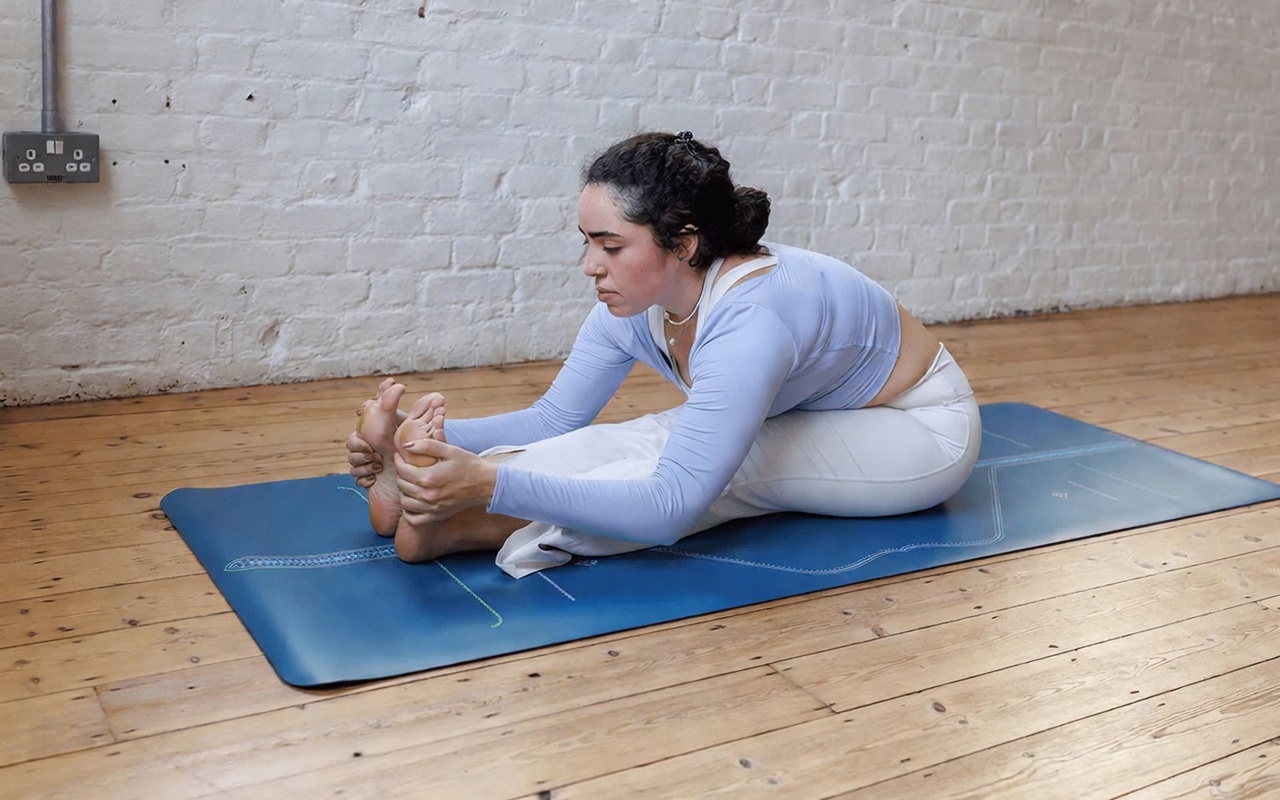
3. Seated Forward Fold
While seated, bend forward slowly from your hips and allow your upper body to soften toward your thighs. Rest your hands wherever they naturally reach, such as your knees, shins, or thighs. Keep your breathing slow and steady.
This movement can gently loosen the lower back, which often feels tight in the evening, while also promoting a sense of calm.
4. Ankle Circles
Sit or lie down and lift one foot slightly. Rotate your ankle in a slow, controlled circle 5 to 6 times in one direction, then 5 to 6 times in the other direction. Lower that foot and switch sides.
Ankle circles may improve circulation in the lower legs and help reduce the restless or heavy sensation that can interfere with sleep.
5. Knee-to-Chest Leg Hug
Lie on your back in bed. Gently pull one knee toward your chest and hold it softly with both hands. You should feel a mild stretch around the lower back and hip. Hold for 15 to 20 seconds with easy breathing, then release and repeat with the other leg.
This final stretch can help loosen lingering tension in the hips and lower back so your whole body feels more ready for sleep.
When to Do This Bedtime Routine
For best results, do the full sequence about 10 to 15 minutes before turning out the lights. Practice each movement with intention and pair it with slow, relaxed breathing.
To make the routine easier to maintain:
- Keep every movement gentle and pain-free
- Pay attention to your breath instead of trying to stretch deeply
- Include it as part of your nightly wind-down habit
- Practice it every evening, even on busy or tiring days
When it comes to sleep improvement, consistency usually matters more than intensity.
Extra Sleep Tips for Adults Over 60
This bedtime movement routine can be even more effective when combined with a few healthy sleep habits. Small daily choices often make a noticeable difference over time.
Try these supportive strategies:
- Go to bed and wake up at about the same time each day
- Avoid caffeine after early afternoon
- Dim the lights and reduce screen time at least one hour before bed
- Keep your bedroom cool, dark, and quiet
These simple habits can work together to support better sleep after 60.
A Natural Way to Enjoy Calmer Nights
Improving sleep after 60 does not have to involve dramatic changes. These five gentle bedtime movements offer a natural and easy way to release tension, calm the body, and prepare for deeper rest. For many older adults, just a few minutes each night can lead to a more peaceful bedtime and better mornings.
Start with this routine tonight and pay attention to how your body responds. Restful sleep may be more within reach than you realize.
FAQ
How long should I practice these movements each night?
For most people, 10 to 15 minutes is enough. Focus on moving comfortably and mindfully rather than spending more time.
Can I do this routine if I have limited mobility?
Yes. Each movement can be adjusted to match your comfort level and ability. The purpose is gentle motion, not intensity.
How soon might sleep improve?
Some people feel calmer on the first night. More noticeable improvements in sleep quality often appear after 1 to 2 weeks of regular practice.
Important Disclaimer
This article is provided for educational and informational purposes only and should not be considered medical advice, diagnosis, or treatment. Speak with your healthcare provider before beginning any new exercise routine, especially if you have existing medical conditions or concerns. Always pay attention to your body and stop immediately if you feel pain or discomfort.