Why Bowel Movements Slow Down and How to Support Better Digestion Naturally
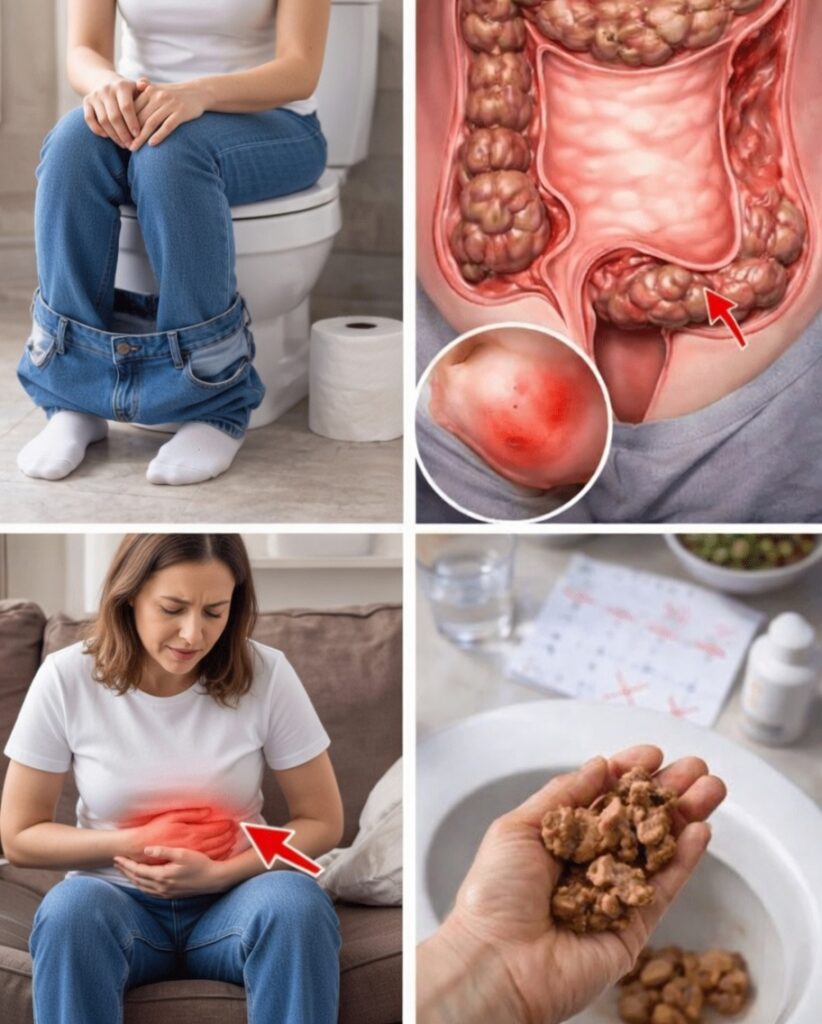
Sitting on the toilet for long stretches, waiting for something to happen, can be both uncomfortable and discouraging. Sometimes nothing happens at all. Other times, the stool is hard, dry, and difficult to pass without straining. It is a common problem, even if many people rarely talk about it. The result can be a heavy, bloated feeling and the sense that your body is simply not working the way it should.
Your digestive tract is designed to move waste through the body in a steady, organized way. When that rhythm slows, everyday comfort can suffer. The good news is that a few simple changes in your routine may help support your gut’s natural motion and make bowel movements feel easier. This guide explains what may be interfering with normal intestinal transit and outlines practical habits that can help restore smoother digestion.
How Your Digestive Tract Moves Waste
The gut is far from inactive. It is a dynamic system made of muscles and nerves that work continuously. After food is digested in the stomach and small intestine, the remaining material enters the colon, where water is absorbed and waste is prepared for elimination.
The walls of the intestines contract and release in a wave-like pattern called peristalsis. These coordinated movements gently push waste forward. When this process is functioning well, bowel movements tend to happen regularly and without much effort.
Modern habits, however, can interfere with this natural pattern. When the digestive system becomes sluggish, waste may stay in the colon longer than it should, making elimination more difficult.
What Happens When Transit Time Slows
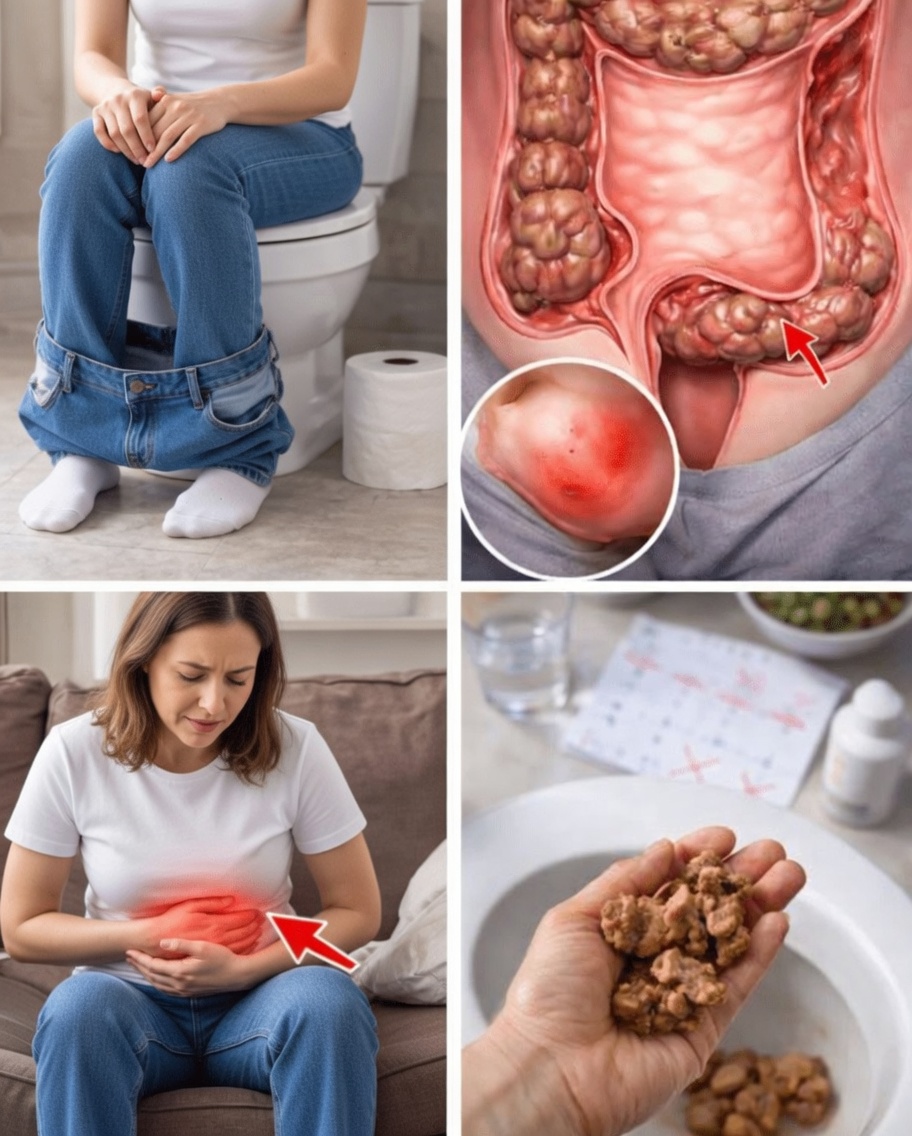
When stool remains in the large intestine for too long, the body keeps drawing water out of it. As a result, what was once soft becomes firmer, drier, and more compact. This is why slow transit often leads to stools that are hard, pellet-like, or uncomfortable to pass.
A slower system can also contribute to fermentation in the gut, which may lead to more gas, abdominal pressure, and a persistent bloated feeling.
Some of the most common signs that your bowel routine may need support include:
- Feeling the urge to go, but having difficulty passing stool
- Straining more than usual during bowel movements
- Feeling as though the bowel did not empty completely
- Ongoing bloating or abdominal discomfort
- Having fewer than three bowel movements per week
These symptoms are often your body’s way of signaling that it needs more consistent digestive support.
Everyday Reasons Bowel Movements Become Less Regular
Digestive health research shows that daily habits have a major influence on how efficiently the intestines work. In many cases, slow bowel movements are linked to lifestyle factors rather than a single cause.
Common contributors include:
- Drinking too little water during the day
- Eating too little fiber from whole foods
- Spending most of the day sitting with minimal activity
- Living with frequent or ongoing stress
- Ignoring the urge to use the bathroom
- Disruptions in routine, such as travel or schedule changes
The encouraging part is that many of these factors can be improved. Small, steady adjustments often help the body return to a more natural rhythm.
7 Daily Habits That May Help You Poop More Easily
If you want to support better intestinal transit, consistency matters more than doing everything perfectly. The habits below are simple, realistic, and often effective when practiced regularly.
1. Stay Hydrated Throughout the Day
Water plays a central role in keeping stool soft and easier to move. Rather than drinking a lot all at once, it is usually better to spread your fluid intake across the day.
Helpful hydration habits include:
- Begin the morning with a glass of room-temperature water
- Keep a refillable bottle nearby and sip regularly
- Eat water-rich foods such as oranges, watermelon, and cucumber
- Try warm lemon water before meals if it feels good for your system
Adequate hydration is closely linked to better stool consistency and easier elimination.
2. Add More Fiber Slowly
Fiber helps increase stool bulk and supports the muscular contractions that move waste along. However, increasing fiber too quickly can lead to bloating, so gradual changes are usually best.
Aim to include both soluble fiber and insoluble fiber from whole foods such as:
- Oats and chia seeds
- Apples, pears, and berries
- Broccoli, carrots, and leafy greens
- Brown rice, quinoa, and other whole grains
Increase fiber little by little over several weeks, and make sure your water intake rises as well.
3. Use Movement to Stimulate Digestion
Physical activity can encourage the natural motion of the intestines. Even gentle exercise may help improve bowel regularity.
Useful forms of movement include:
- A 20 to 30 minute walk, especially after meals
- Light stretching in the morning
- Yoga poses that support digestion, including twists and forward folds
- Daily walks outdoors or around your neighborhood
Moderate, regular exercise is often associated with healthier intestinal transit time.
4. Respond to the Urge to Go
One of the most overlooked causes of irregular bowel habits is repeatedly ignoring the body’s signal to use the bathroom. Over time, this can dull the natural urge and make bowel movements less predictable.
Try to go when the urge first appears. It may also help to create a consistent routine, such as sitting on the toilet in the morning after drinking water.
5. Reduce Stress Where Possible
The digestive system and the brain are deeply connected through the gut-brain axis. Emotional stress can affect how the intestines contract and may slow digestion in some people.
Simple ways to support stress management include:
- Practicing deep breathing for five minutes once or twice daily
- Doing short meditation sessions
- Prioritizing seven to nine hours of quality sleep
- Spending time outside in natural settings
Even modest stress reduction can have a positive effect on gut function.
6. Be Mindful of Meal Size and Timing
Very large meals can sometimes place extra strain on digestion. Some people feel better when they eat balanced portions and avoid heavy meals late at night.
A more regular eating schedule may also help support your body’s internal digestive rhythm.
7. Adjust Your Toilet Posture
Bathroom posture can make a bigger difference than many people realize. Leaning slightly forward or placing your feet on a small stool may help position the body in a way that makes elimination easier and more comfortable.
The Overlooked Factor: Routine
One of the most surprising influences on bowel regularity is daily consistency. The digestive system tends to respond well to predictable patterns. Eating meals at similar times, moving your body each day, and maintaining a stable sleep schedule can all help regulate the signals that control intestinal movement.
When your routine is more regular, your gut often becomes more regular too.
Foods That Naturally Support Healthy Digestion
Some foods are especially helpful for maintaining smoother bowel movements because they provide fiber, water, or both. Adding them to your meals regularly can support the digestive process over time.
Easy examples include:
- A bowl of oats topped with fresh berries in the morning
- Chia seeds stirred into yogurt or water
- Apples eaten with the skin on
- Steamed broccoli as a side dish
- Quinoa served with lunch or dinner
The best approach is variety. Introduce new foods gradually so your digestive system has time to adjust comfortably.
Building a Routine That Works
Better bowel function usually does not come from one dramatic change. It is more often the result of several supportive habits working together. Start with two or three changes that feel manageable, then build from there. With steady effort, many people begin noticing improvement within a few weeks.
It is also important to remember that each body is different. A habit that works well for one person may need to be adjusted for another.
Frequently Asked Questions
How long does it take to notice improvement in bowel habits?
Many people notice some changes within 7 to 14 days after increasing water intake, adding more fiber, and becoming more active. Full adjustment may take three to four weeks, especially if constipation has been going on for a while.
Are there foods that may make constipation worse?
For some people, diets high in highly processed foods, low in fiber, or heavy in certain dairy products may not support healthy bowel function. Instead of focusing only on what to avoid, it is often more helpful to prioritize what to add, such as water, fruits, vegetables, and whole grains.
When should you speak with a healthcare provider?
You should contact a healthcare professional if bowel changes persist, become severe, or are accompanied by warning signs such as:
- Blood in the stool
- Unexplained weight loss
- Severe abdominal pain
- Vomiting
- A sudden major change in bowel habits
Persistent constipation can sometimes point to an underlying issue that needs medical attention.