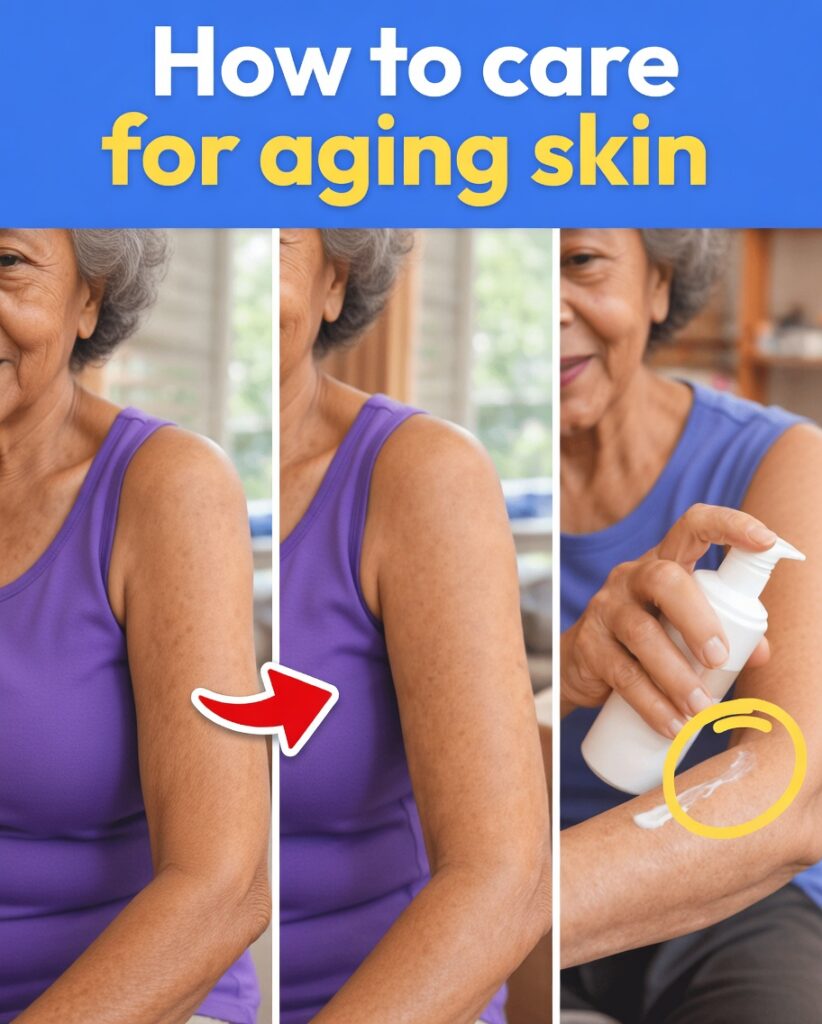
Caring for Aging Skin: Simple, Effective Ways to Support a Healthy Glow
As skin matures, it naturally becomes thinner, drier, and less firm. Fine lines may appear more clearly, skin tone can look less even, and the face may lose some of its former bounce. These changes are largely linked to lower levels of collagen, elastin, and natural moisture, along with outside influences such as sun exposure. Still, healthy-looking skin is absolutely possible with the right approach.
Rather than aiming for impossible perfection, the best strategy is steady, gentle care. Skin experts often recommend a straightforward routine built around hydration, daily protection, and well-researched ingredients. Over time, this can help skin feel softer, look fresher, and maintain a more radiant appearance. And importantly, the step many dermatologists consider most powerful may not be what you expect.
Start With Gentle Cleansing
A harsh face wash can remove the natural oils mature skin needs most, making dryness and sensitivity even worse. A mild cleanser used morning and night is a much better foundation for aging skin.
Choose a cream or soft gel cleanser made for dry or sensitive skin. Try to avoid strong foaming cleansers or soaps that leave your face feeling tight after rinsing. A gentler formula helps protect the skin barrier and prepares your skin to better absorb the products you apply next.
If your face feels uncomfortable, squeaky clean, or overly dry after washing, that is often a sign your cleanser is too aggressive. Many people notice quick relief simply by switching to a gentler option.
Focus on Deep Hydration
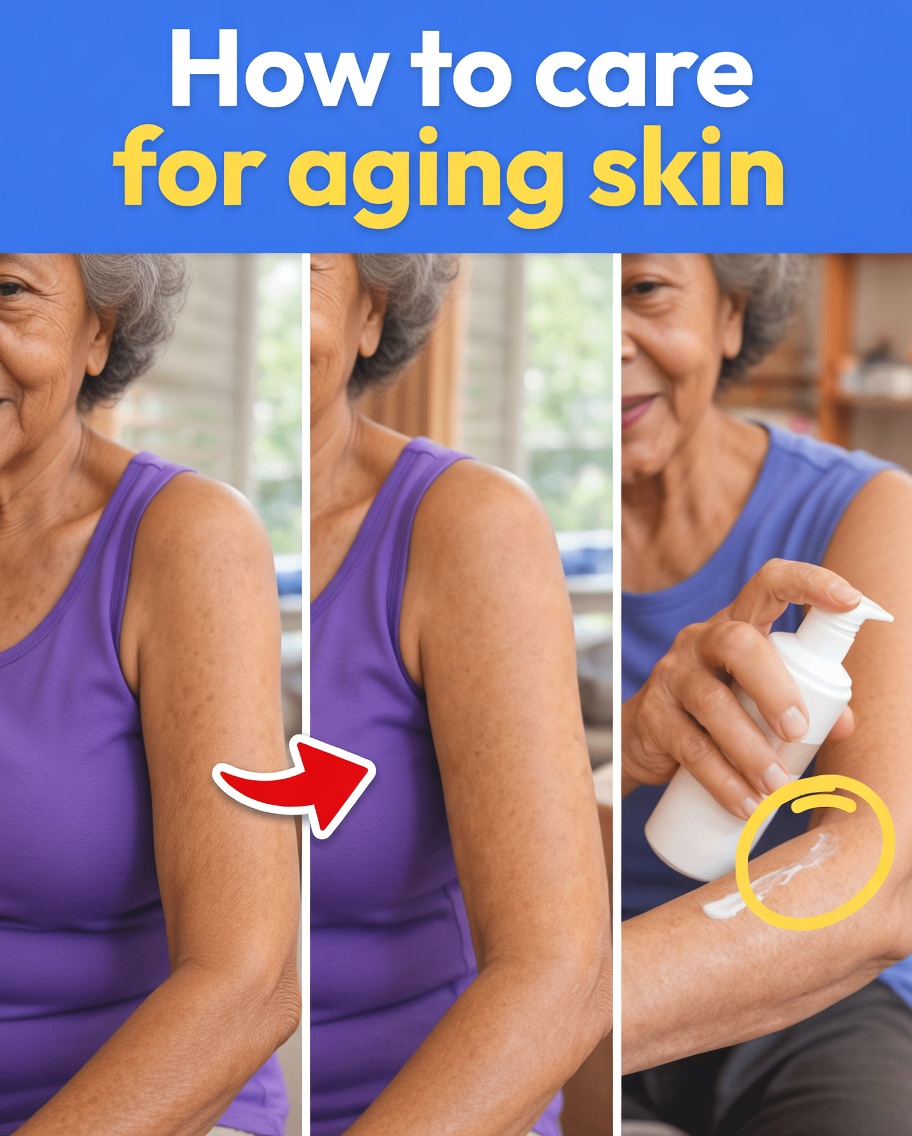
Because mature skin tends to lose water more easily, moisture becomes one of the most important parts of a skincare routine. Well-hydrated skin often looks smoother, fuller, and more comfortable.
Ingredients that are especially helpful include:
- Hyaluronic acid to attract water and create a plumper appearance
- Ceramides to support and repair the skin barrier
- Natural oils like jojoba, argan, or rosehip to improve softness and flexibility
Use a nourishing moisturizer both in the morning and at night. If you want extra hydration, apply a serum first and then seal it in with a richer cream. This layering method can improve comfort and help reduce the look of dryness-related lines.
Hydration is essential, but for the best visible improvements, it works even better when paired with targeted ingredients.
Use Proven Active Ingredients Carefully
The right skincare actives can improve tone, texture, and firmness, but mature skin often responds best when new products are introduced slowly. A thoughtful approach helps you get the benefits without unnecessary irritation.
Ingredients commonly recommended for aging skin include:
- Retinol or gentler retinoids to encourage cell turnover and refine texture
- Vitamin C to brighten dull-looking skin and help defend against environmental stress
- Peptides to support the skin’s structure and improve elasticity
- Niacinamide to reduce redness, strengthen the barrier, and promote a more even tone
Start with lower-strength formulas, especially at night, and use them only two or three times per week in the beginning. Increase gradually as your skin adjusts. Since some active ingredients can make skin more sun-sensitive, always combine them with moisturizer and reliable daytime sun protection.
A brief facial massage while applying skincare can also help. Using light upward circular motions may improve circulation and leave skin looking more refreshed.
Extend Your Routine Beyond the Face
The face is not the only area that shows age-related changes. The neck, eye area, chest, and hands often reveal signs of aging even earlier because the skin there is delicate and frequently exposed to the environment.
Apply your products to these areas as part of your regular routine:
- Use a lightweight, fragrance-free eye cream for the delicate skin around the eyes
- Apply neck and chest products with gentle upward strokes
- Protect and moisturize your hands regularly, especially if they show sun spots or dryness
Giving these areas consistent attention can create a more even, cared-for appearance overall.
Daily Sun Protection Is the Most Important Step
For many people, this is the biggest surprise: dermatologists widely agree that sunscreen is the single most effective step for slowing visible skin aging. UV exposure speeds up wrinkles, discoloration, and loss of firmness, even when the weather is cloudy or when you are indoors near windows.
Use a broad-spectrum sunscreen with at least SPF 30, though SPF 50 is often even better. If your skin is dry or sensitive, look for formulas that also include ingredients such as:
- Ceramides
- Hyaluronic acid
- Antioxidants
Mineral sunscreens made with zinc oxide or titanium dioxide are often a good choice for sensitive skin because they tend to be gentler.
When spending time outdoors, reapply every two hours. You can also improve protection by wearing sunglasses, using a hat, and staying in the shade when possible. Research repeatedly shows that consistent sunscreen use helps preserve collagen and reduces many of the most visible signs of aging.
Support Skin Health From the Inside
Skincare products matter, but your daily habits also shape how your skin looks and feels. Nutrition, hydration, sleep, and stress levels all influence skin resilience.
Helpful habits include:
- Eating antioxidant-rich foods such as berries, spinach, carrots, and green tea
- Including omega-3 sources like salmon, sardines, flaxseeds, or walnuts
- Drinking enough water throughout the day
- Getting around 7 to 8 hours of quality sleep each night
- Managing stress with calming practices like walking, stretching, or deep breathing
It is also wise to avoid smoking and limit alcohol intake, since both can worsen dryness and speed up collagen loss. Small lifestyle improvements, when done consistently, often show up in the skin over time as better tone, comfort, and brightness.
A Simple Daily Routine for Mature Skin
Morning
- Gentle cleanse
- Vitamin C serum if desired
- Moisturizer with hydrating ingredients like hyaluronic acid and ceramides
- Broad-spectrum sunscreen SPF 30 or higher
Evening
- Mild cleanser
- Retinol, retinoid, or peptide treatment introduced slowly
- Rich night cream to lock in moisture
Pay attention to how your skin feels each day and adjust as needed. It is also best to add only one new product at a time so you can clearly see how your skin responds.

Graceful Aging Starts With Consistency
Taking care of aging skin is not about reversing time. It is about helping your skin stay comfortable, protected, and healthy through steady daily habits. Moisture, sun protection, and nourishing ingredients can make a meaningful difference at any age.
Results usually appear gradually, but many people begin to notice softer, smoother, and more radiant skin within a few weeks of consistent care. Be patient, respond to your skin’s needs, and embrace the natural beauty that comes with experience and time.
FAQ
When is the right time to begin an anti-aging skincare routine?
There is no perfect age to start. Whether you are in your 30s, 50s, 60s, or beyond, a gentle and consistent routine can improve hydration, texture, and overall skin health.
Do I need expensive skincare products to see results?
No. Price is not the most important factor. Focus on products with proven ingredients such as retinol, vitamin C, and broad-spectrum sunscreen. Regular use matters much more than luxury packaging.
How do I reduce irritation from ingredients like retinol?
Begin slowly by applying it once or twice a week at night. Follow with a good moisturizer, and wear sunscreen every day. Patch testing new products can also help prevent unwanted reactions.
Important Note
This article is for informational purposes only and is not a substitute for professional medical advice. Every person’s skin is different. If you have sensitive skin, an existing skin condition, or concerns about starting new products, speak with a dermatologist for personalized guidance.