Best Rice Choices for Everyday Kidney Support
Rice is a daily staple for millions of people because it is filling, familiar, and easy to pair with almost any meal. While most of us eat it without a second thought, the kidneys are constantly working behind the scenes to regulate fluids and filter minerals from the foods we consume. As the years go by or life gets busier, everyday food choices can place extra strain on this process, especially when meals are high in minerals such as phosphorus and potassium.
The encouraging part is that a few smart rice swaps can keep your meals comforting and satisfying while better matching kidney-friendly eating habits. Some varieties are especially well suited to this approach, and even the way you cook them can make a noticeable difference.
Why the Type of Rice You Eat Matters
Rice is one of the most widely consumed grains in the world, mainly because it provides reliable energy and is generally easy to digest. What makes one type different from another is how much processing it goes through and which nutrients remain after that process.
More refined rice varieties usually contain lower amounts of certain minerals that the kidneys must carefully manage. Whole-grain rice, on the other hand, keeps more fiber, antioxidants, and natural nutrients, which can be helpful for overall health, especially in earlier stages of kidney concerns or for people with normal kidney function.
Still, experts often point out that the biggest factors are portion size and what you eat with the rice. Keeping mineral intake balanced may help reduce the everyday burden on healthy kidneys. That does not mean meals need to become bland or repetitive. In many kidney-supportive meal plans, three rice varieties stand out because they are versatile, easy to cook, and naturally fit into balanced eating patterns.
3 Rice Varieties Often Recommended for Kidney-Friendly Meals
Below are the three most commonly favored options. Each one offers a different texture and flavor while remaining relatively gentle in terms of mineral balance.
1. White Rice: A Simple and Reliable Staple
White rice is one of the easiest choices for kidney-conscious meals. It has a soft texture, a neutral flavor, and works well with nearly any cuisine. Because the bran and outer layers are removed during milling, white rice generally contains less phosphorus and potassium than whole-grain rice.
That makes it a practical option for people who want a steady source of carbohydrates without adding too much extra mineral load. Many people also find white rice easy on the stomach, which adds to its appeal for everyday meals.
It is also inexpensive, easy to find, and simple to prepare, making it a convenient fit for both quick lunches and family dinners.
2. Basmati Rice: Fragrant, Fluffy, and Light
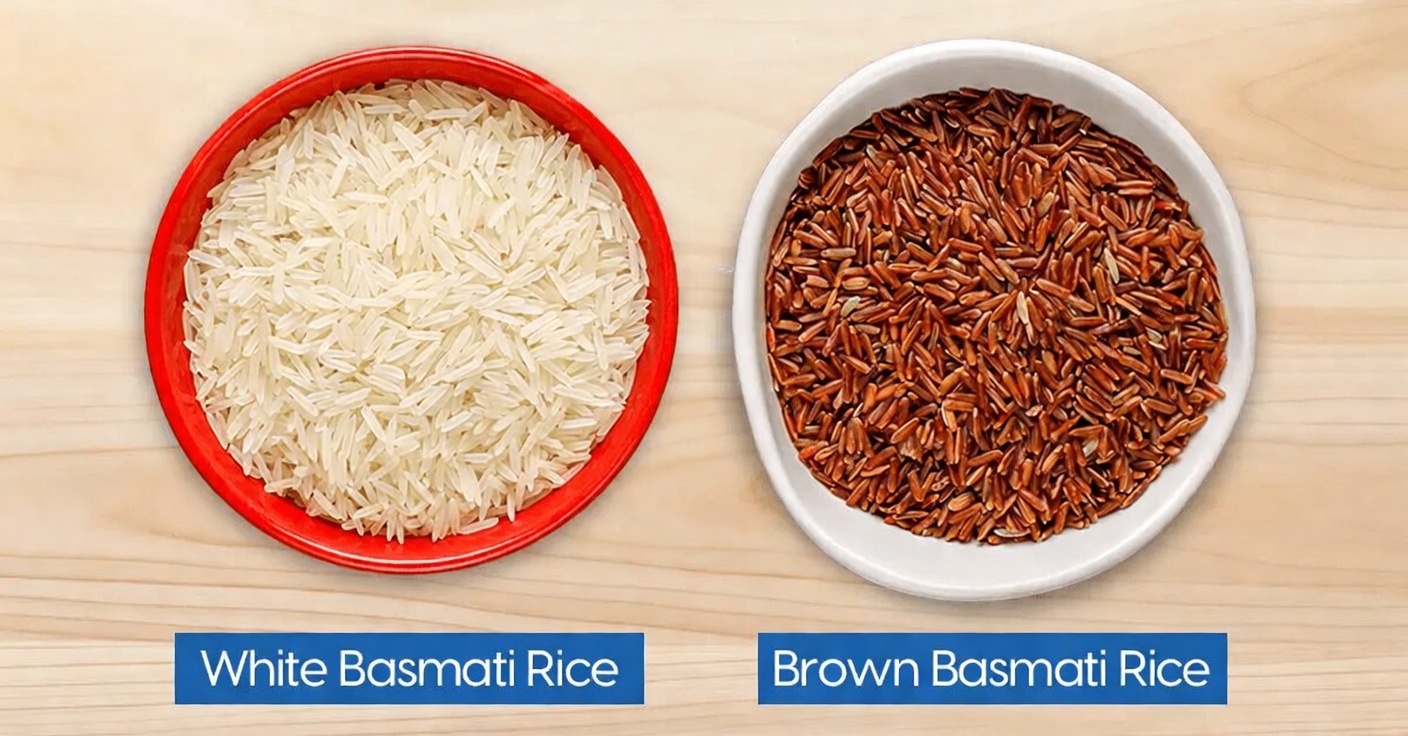
Basmati rice is known for its long grains, delicate aroma, and fluffy texture. White basmati, in particular, is often appreciated for having a lower glycemic effect than some other rice types, which may help with steadier blood sugar levels over time. Since blood sugar management can indirectly support kidney health, this is an added advantage.
Nutritional comparisons also often place basmati among the lower-arsenic rice choices when sourced from certain regions. Its grains stay separate after cooking, giving dishes a lighter feel while still being satisfying.
For people who want more aroma and texture without straying from a kidney-friendly plan, basmati can be an excellent addition.
3. Jasmine Rice: Soft, Fragrant, and Family-Friendly
Jasmine rice is another strong option, especially for people who enjoy a slightly sticky texture and a subtle floral scent. Like other refined white rice varieties, jasmine tends to be lower in phosphorus and potassium than whole-grain alternatives.
Its quick cooking time makes it especially useful for busy households, and its texture works well in bowls, stir-fries, and simple side dishes. It offers comforting flavor and convenience while still fitting nicely into a balanced, kidney-supportive routine.
Quick Rice Comparison
| Rice Type | Approximate Mineral Profile per Cooked Cup | Main Advantage | Best Use |
|---|---|---|---|
| White Rice | Lower in phosphorus and potassium | Gentle digestion and mild flavor | Everyday meals and simple sides |
| Basmati Rice | Often lower in arsenic, moderate glycemic impact | Light texture and blood sugar support | Aromatic dishes and meal variety |
| Jasmine Rice | Similar to white rice, lower mineral load than whole grain | Quick cooking and pleasant aroma | Stir-fries and family meals |
Based on general nutrition references and kidney diet resources. Always check product labels and follow individualized medical advice.
Easy Ways to Include Rice in a Kidney-Supportive Routine
Preparation matters more than many people realize. A few simple habits can make rice even better suited to your routine.
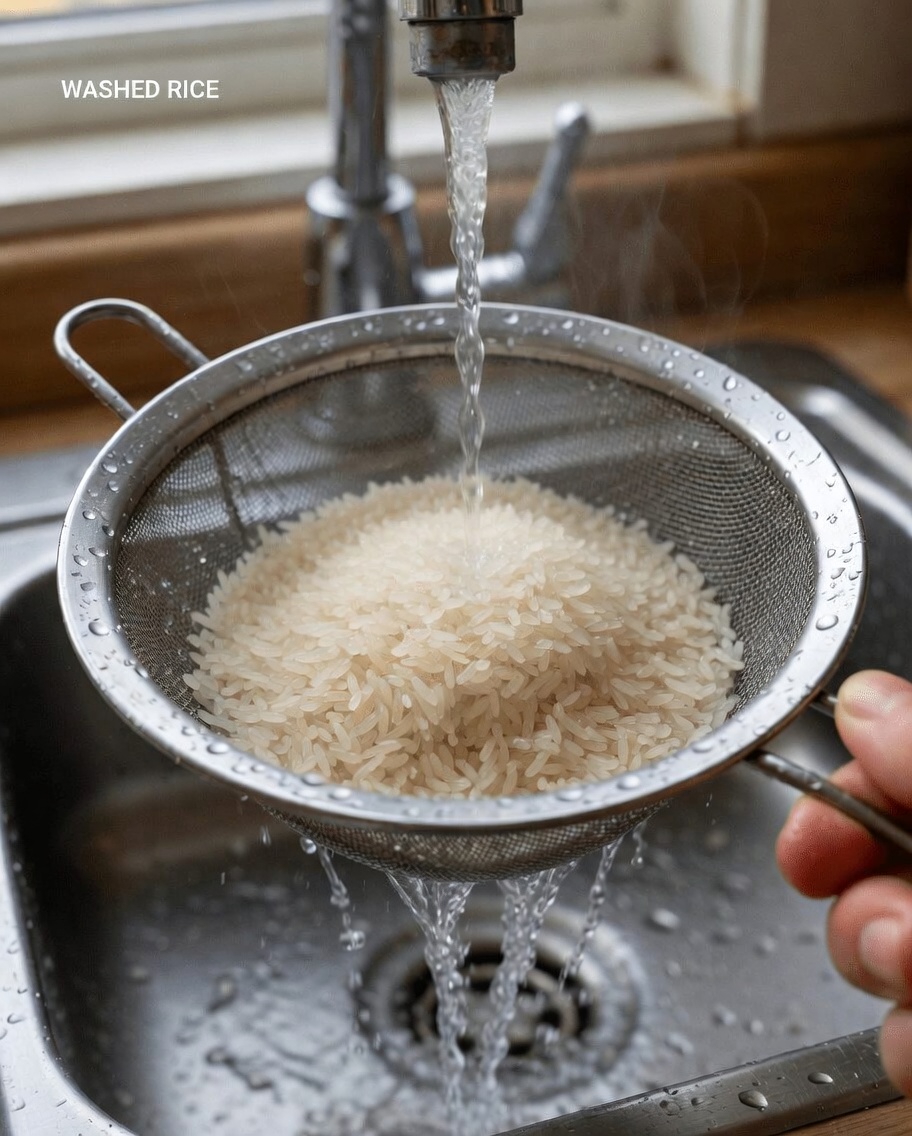
- Rinse rice before cooking: Washing rice under cool water helps remove excess starch and may reduce some naturally occurring compounds.
- Watch portions: A serving of about 1/2 to 1 cup of cooked rice per meal is often a practical range for balanced eating.
- Pair it wisely: Combine rice with low-mineral vegetables and lean proteins to create a more supportive plate.
- Use herbs instead of salty sauces: Garlic, ginger, parsley, cilantro, or lemon can add flavor without loading meals with sodium.
- Cook ahead for convenience: Make a large batch at the start of the week and store portions in the refrigerator for quick meals.
- Try mixing varieties: Combining jasmine and basmati can create an appealing texture while keeping your meal plan interesting.
These small choices can turn rice from a plain side dish into a smart and enjoyable part of your weekly menu.
How to Buy and Store Rice Properly
When shopping, plain rice is usually the best option unless a healthcare provider suggests otherwise. It is also worth checking the country of origin, since some regions are known for producing rice with lower arsenic levels.
For storage:
- Keep uncooked rice in an airtight container
- Store it in a cool, dry pantry
- Protect it from moisture and heat so it stays fresh for months
For cooked rice:
- Refrigerate leftovers within two hours
- Reheat thoroughly before eating
- Add a little lemon juice during cooking if you want extra flavor without changing the mineral profile significantly
Common Questions About Rice and Kidney-Friendly Eating
Is brown rice ever a good option?
Brown rice contains more fiber and natural nutrients, which can be beneficial for general health. For people with good kidney function or in earlier stages of kidney concerns, small servings may still fit into a balanced diet. However, because it contains more phosphorus and potassium than white rice, it is best to discuss portion size with a doctor or registered dietitian.
How much rice can I usually eat?
In many kidney-supportive eating plans, 1/2 to 1 cup of cooked rice per meal is a common guideline. The ideal amount depends on your overall diet, lab values, and individual health needs. Pairing rice with hydrating, lower-mineral foods such as cucumbers, cabbage, or apples can help create more balance.
Can rice be eaten every day?
Yes. Rice is part of many healthy eating patterns around the world. Rotating between white rice, basmati, and jasmine can help prevent boredom while keeping meals aligned with kidney-friendly goals.
Final Thoughts
Choosing the right rice does not have to be confusing. White rice, basmati rice, and jasmine rice all offer practical, tasty options for people who want meals that feel comforting while supporting everyday kidney health habits.
Starting with one simple change, such as trying a new variety or rinsing rice before cooking, can make healthy eating feel much easier. Over time, these small, consistent habits can have a meaningful impact on how balanced and enjoyable your meals become.
Disclaimer
This article is for informational purposes only and should not be considered medical advice. Kidney-related dietary needs can vary greatly from one person to another. Always speak with your doctor or a registered dietitian before changing your diet, especially if you have a medical condition or take prescription medications.