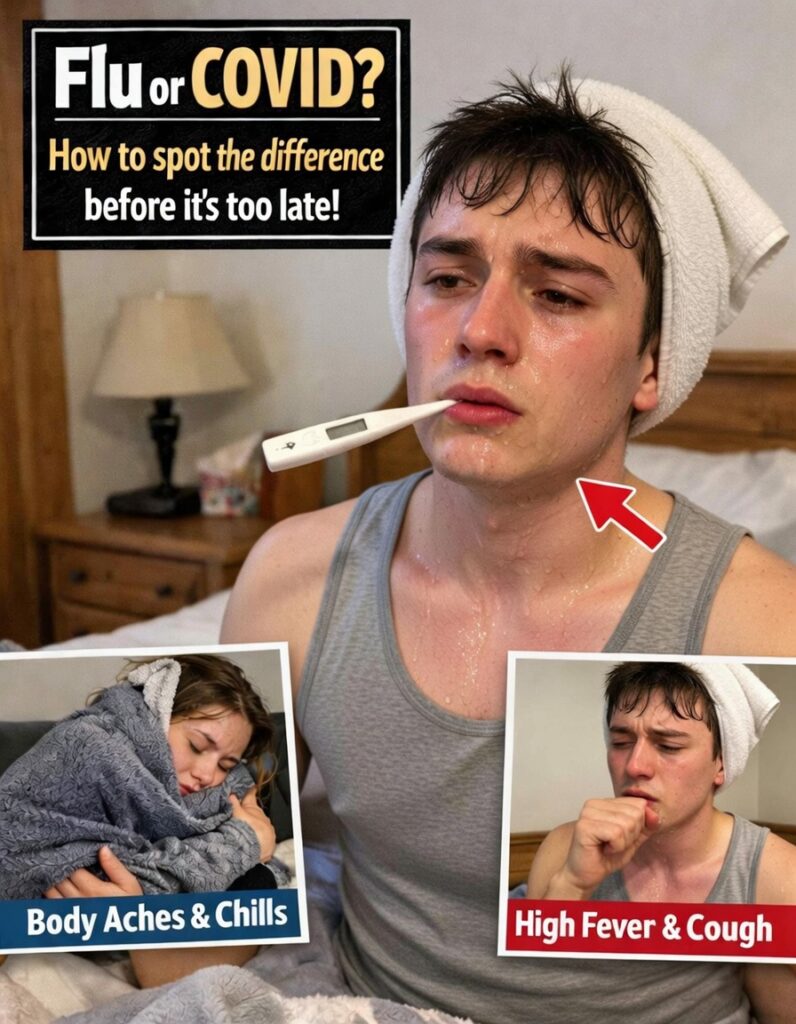
Flu vs. COVID-19 Symptoms: How to Tell the Difference
A scratchy throat, sudden fatigue, and that uneasy feeling of getting sick can leave you asking the same question many people face during respiratory season: is it the flu, COVID-19, or just a minor bug? This confusion is especially common in winter, when several viruses circulate at the same time and produce similar early symptoms.
The reassuring part is that although influenza and COVID-19 often look alike at first, certain symptom patterns can offer useful clues. Even more importantly, pairing those clues with simple at-home actions can help you respond quickly and make better decisions before symptoms get worse.
The Basics: What Causes the Flu and COVID-19?
The flu and COVID-19 are both contagious respiratory infections, but they are caused by different viruses.
- Influenza viruses cause the flu.
- SARS-CoV-2 causes COVID-19.
Both illnesses spread mainly through respiratory droplets released when an infected person coughs, sneezes, or talks. They can affect people of any age and may range from mild to severe.
One of the biggest challenges is that these illnesses share many of the same signs. According to major health authorities, symptoms alone are often not enough to clearly distinguish one from the other. That is why testing is still one of the most reliable ways to confirm what is going on.
Common Symptoms Shared by Flu and COVID-19
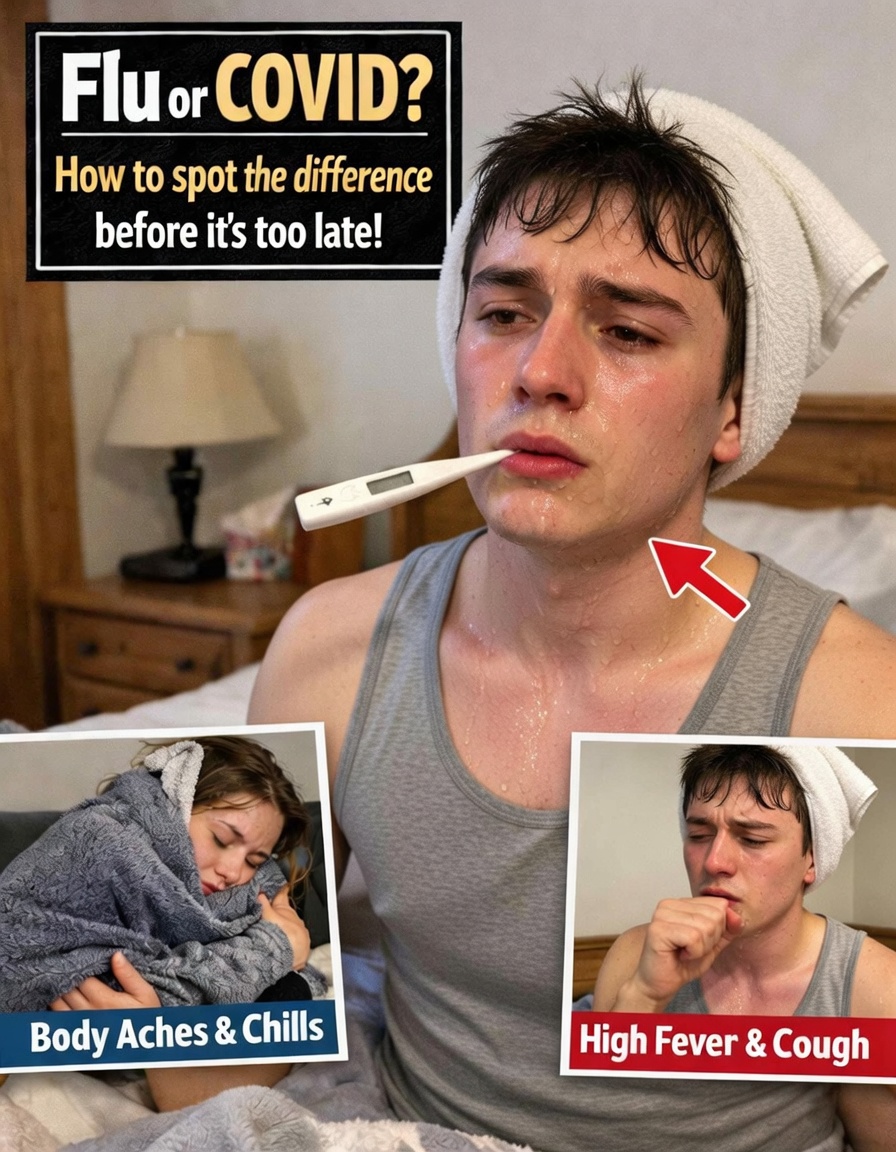
At the beginning, flu and COVID-19 can feel nearly identical. Many people experience overlapping symptoms such as:
- Fever or feeling feverish with chills
- Cough, often dry
- Fatigue or unusual tiredness
- Sore throat
- Runny or blocked nose
- Muscle pain or body aches
- Headache
Because these symptoms occur in both illnesses, it is easy to feel unsure in the first few days. Both can also become more serious in older adults and in people with chronic health conditions.
Key Differences That May Help You Notice a Pattern
Even though the overlap is significant, there are still a few differences that may help you make sense of your symptoms.
1. How Symptoms Begin
One of the clearest distinctions is how quickly symptoms appear.
- Flu symptoms often start abruptly. You may feel well and then suddenly become exhausted or feverish within hours. Symptoms usually develop 1 to 4 days after exposure.
- COVID-19 symptoms often build more gradually. They may show up 2 to 14 days after exposure, sometimes starting with mild discomfort before progressing.
2. Signs More Commonly Linked to COVID-19
Some symptoms have been reported more often with COVID-19, including:
- Loss of taste or smell, although this has become less common with newer variants
- Shortness of breath or breathing difficulty that may feel more persistent in some cases
3. Digestive Symptoms
Nausea, vomiting, and diarrhea can happen with both flu and COVID-19. In children, gastrointestinal symptoms may be seen with either illness more often than in adults.
4. Recovery Time
- Flu often improves within about a week for many people.
- COVID-19 can last longer, and some people continue to deal with fatigue or coughing for weeks.
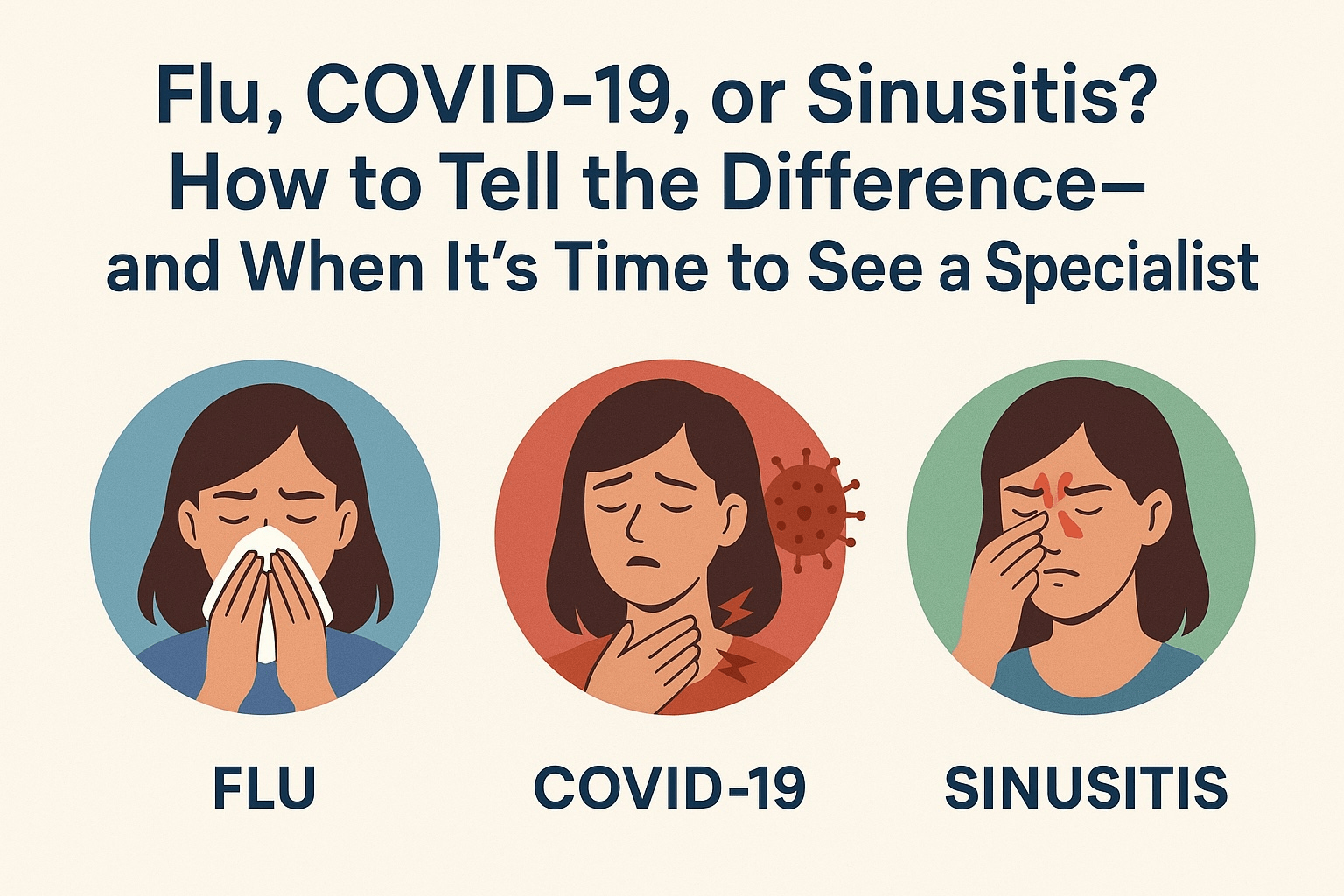
Flu vs. COVID-19: Quick Comparison Table
| Symptom | Flu (Influenza) | COVID-19 |
|---|---|---|
| Onset | Usually sudden, 1 to 4 days after exposure | Often gradual, 2 to 14 days after exposure |
| Fever and chills | Common, often more intense | Common |
| Cough | Common, sometimes severe and dry | Common, often dry |
| Fatigue | Often intense and fast onset | Common, may linger |
| Loss of taste or smell | Rare | More common, though less frequent now |
| Shortness of breath | Sometimes | Sometimes, and may be more persistent |
| Body aches | Often strong | Common |
| Runny or stuffy nose | Sometimes | Sometimes |
This comparison reflects information commonly reported by organizations such as the CDC and Mayo Clinic. Individual symptoms can still vary widely from person to person.
Why Testing Is Often the Best Next Step
Since symptoms are not always enough to tell the difference, testing is often the smartest move when available. Many clinics and pharmacies now offer tests for both influenza and COVID-19.
Testing can help you:
- Get clearer answers sooner
- Make better decisions about isolating
- Know when to contact a healthcare provider
- Choose the right supportive care at home
A confirmed result can reduce uncertainty and help protect others around you.
Daily Habits That Can Support You During Respiratory Season
No routine can guarantee complete protection, but healthy daily habits can support your immune system and help you recover more comfortably if you do get sick.
Prioritize Rest and Fluids
When symptoms begin, your body needs time and energy to heal.
- Get plenty of sleep
- Drink water regularly
- Try herbal tea or clear broth if that feels soothing
Keep Hands and Shared Spaces Cleaner
Basic hygiene still matters.
- Wash your hands often
- Cover coughs and sneezes
- Clean commonly touched surfaces when someone in the home is ill
Stay Current With Vaccinations
Public health guidance continues to emphasize the importance of:
- Annual flu shots
- Recommended COVID-19 vaccines
These vaccines may help lower the risk of severe illness.
Track Your Symptoms
Pay attention to how you feel over the first few days. Monitoring changes can help you decide whether the illness is improving or getting worse.
A simple symptom journal can be surprisingly useful. Write down:
- The date symptoms started
- Whether they came on suddenly or gradually
- Your temperature
- Changes in cough, fatigue, breathing, or taste and smell
This record can be valuable if you need medical advice.
When to Contact a Healthcare Provider
Many cases of flu and COVID-19 can be managed at home with rest, fluids, and symptom relief. However, you should seek medical advice if you develop any of the following:
- Difficulty breathing or shortness of breath
- Chest pain or ongoing pressure
- Sudden confusion
- Trouble staying awake
- Symptoms that are severe or getting worse
- Any concerning symptoms if you already have underlying health conditions
Prompt medical attention can be especially important for people at higher risk of complications.
Practical Steps You Can Take Today
A little preparation can make illness easier to manage. Consider these simple actions:
Build a Basic Symptom Relief Kit
Keep a few essentials at home, such as:
- Acetaminophen or ibuprofen, if appropriate for your health needs
- Throat lozenges
- Saline nasal spray
- A thermometer
Improve Indoor Air Quality
Fresh air and cleaner air can help reduce the concentration of viral particles indoors.
- Open windows when possible
- Use an air purifier if available
Prepare a Rest Space
If symptoms start, it helps to have a quiet, comfortable area where you can rest away from others if necessary.
Support Your Health Every Day
Consistent habits matter throughout the year, not just during cold and flu season.
- Stay physically active
- Eat balanced meals
- Manage stress
- Get enough sleep regularly
These small habits can increase your sense of control and support overall well-being.
Conclusion: Clear Information Can Reduce Uncertainty
Knowing the differences and similarities between flu and COVID-19 symptoms cannot remove every concern, but it can make the situation less confusing. Looking at how symptoms begin, watching for specific warning signs, and using testing when possible can help you respond with more confidence.
The most encouraging part is that many of the steps that help during respiratory season, such as rest, hydration, hygiene, and symptom tracking, are also smart habits for long-term health.
FAQ
1. Can someone have the flu and COVID-19 at the same time?
Yes. It is possible to be infected with both viruses at once, which is another reason testing can be so helpful.
2. How long should I stay home if I have symptoms?
Current guidance generally recommends staying home until your fever has been gone for at least 24 hours without fever-reducing medication and your other symptoms are improving. For advice tailored to your situation, consult a healthcare professional.
3. Are there symptoms that mean it is definitely not the flu or COVID-19?
Mild sneezing and a light runny nose without fever or body aches are often more consistent with a common cold. Still, testing or a medical evaluation is the best way to know for sure.
Disclaimer
This article is for informational purposes only and does not provide medical advice, diagnosis, or treatment. Always speak with a qualified healthcare professional about any health concerns or before making decisions about your care.