Avocado Seed and Everyday Wellness: What It Is, What Research Shows, and How to Prepare It Safely
For many adults, keeping energy levels stable and supporting overall wellness can feel like an ongoing challenge. Finding simple, effective ways to upgrade daily meals is not always easy, especially when so many trends seem either too complicated or not very practical. One surprisingly overlooked part of a familiar fruit has recently entered the conversation: the avocado seed.
Although most people throw it away without thinking twice, the seed has started gaining attention in wellness communities. The real appeal is not just what it may contain, but also that some people are now using it at home in simple preparations like tea. Before trying it yourself, it helps to understand what the evidence actually says and how it compares with the avocado flesh you already know.
Why Avocado Seeds Are Getting So Much Attention
If you spend any time on social media, you have probably seen avocado pits featured in “food hack” posts and waste-reduction ideas. What used to be kitchen trash is now being discussed as a possible wellness ingredient. Much of this interest comes from the fact that avocado seeds contain plant compounds such as polyphenols and flavonoids, which researchers often study for their antioxidant properties.
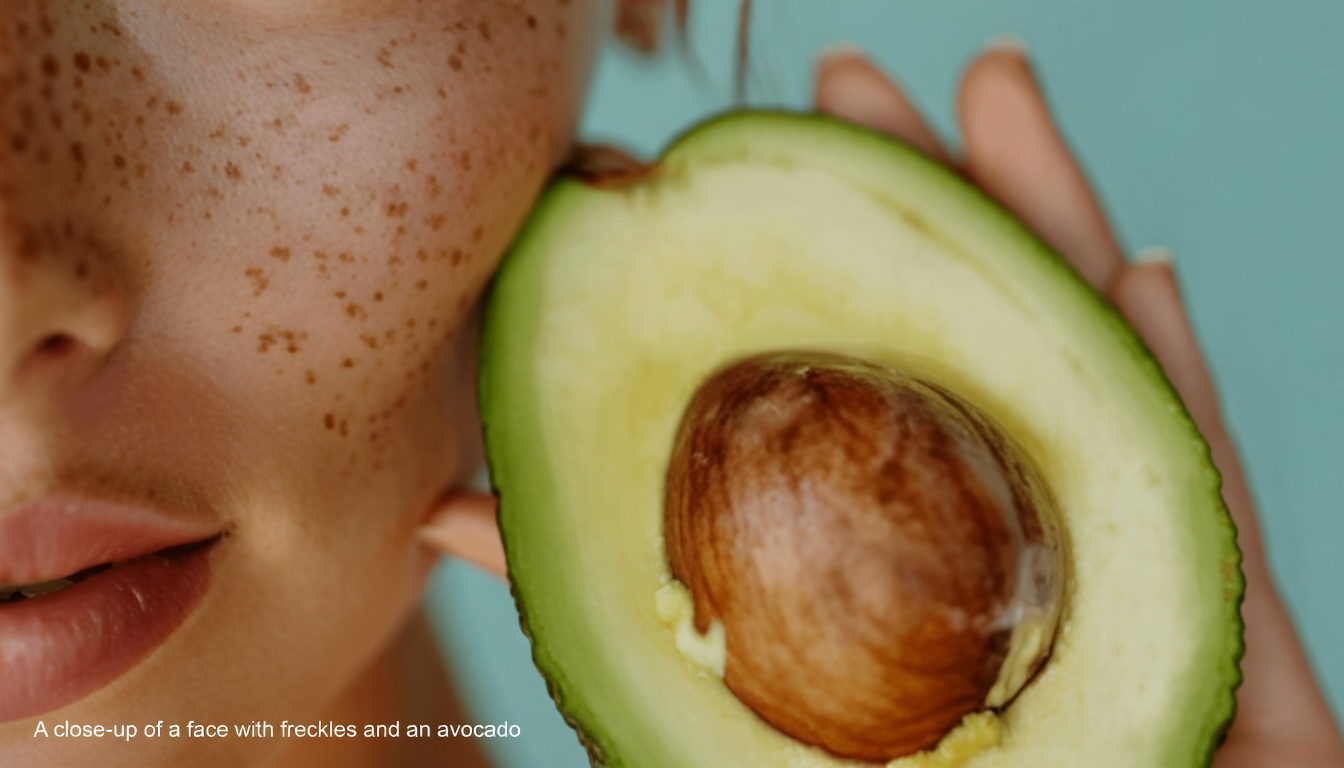
That said, the seed should not be confused with the part of the avocado that has the strongest nutritional reputation. The creamy green flesh has far more evidence behind it when it comes to daily health support. Knowing the difference between the two is essential if you want to make smart, informed choices.
What Science Actually Says About Avocado Seeds
Early research has explored avocado seed extracts in laboratory settings and animal studies. Some findings suggest the seed contains compounds that may contribute to antioxidant activity and help the body manage oxidative stress. A few small studies have also looked at possible effects on metabolic markers, including glucose handling.
However, there is an important limitation: human evidence is still very limited. Results from test tubes and animal models do not automatically translate into clear benefits for people. For that reason, experts such as those connected with the California Avocado Commission note that avocado seed is not a standard food ingredient in the same way avocado flesh is.
Because of this, moderation matters. Proper preparation is also essential, and anyone with medical conditions or dietary concerns should speak with a healthcare professional before adding avocado seed to a routine.
Why Avocado Flesh Still Leads the Way
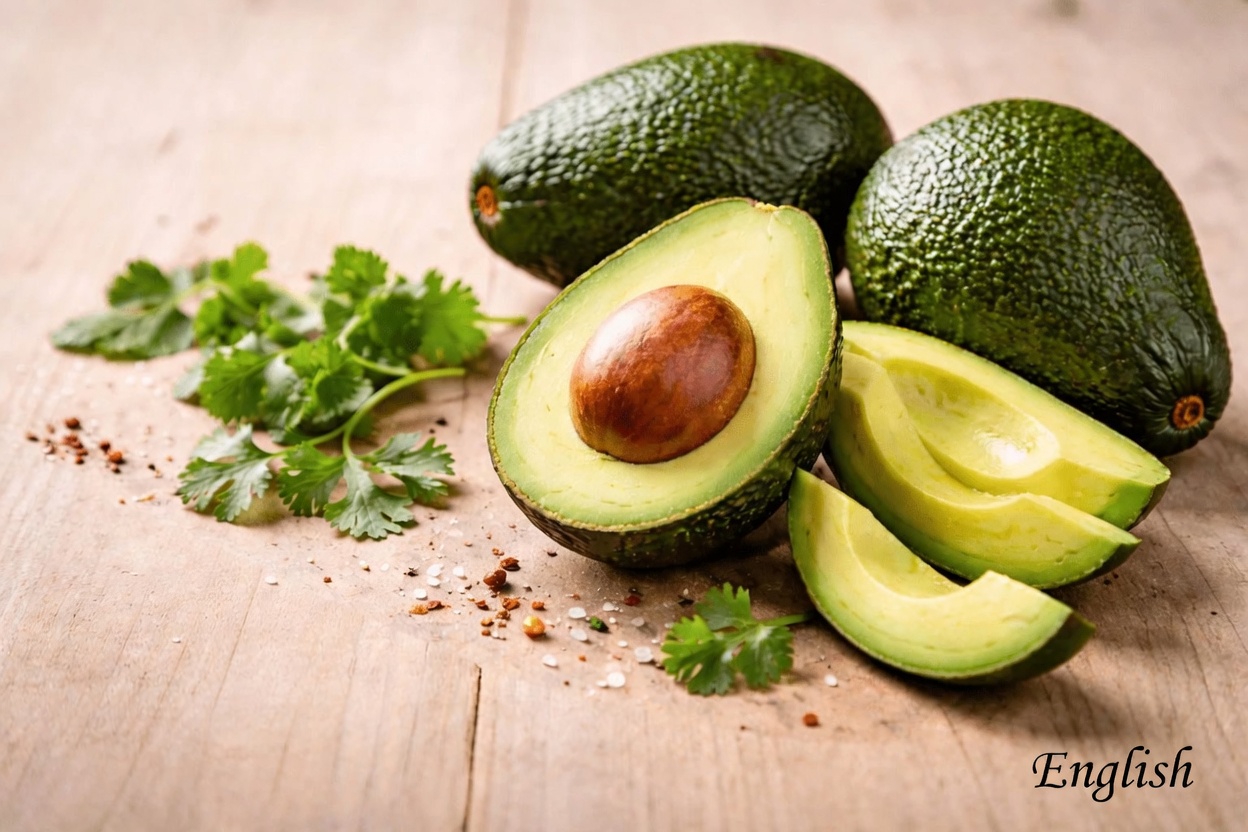
While avocado seed remains a topic of curiosity, the avocado fruit itself is backed by much stronger evidence. Nutrition research has shown that eating avocado regularly may help support:
- More stable blood sugar responses after meals
- Better satiety and fullness
- Heart health within a balanced diet
- Steady daily energy
These benefits are linked to the avocado’s natural combination of fiber, monounsaturated fats, and low net carbohydrates. Some research has also connected avocado intake with improved insulin sensitivity in certain groups. That is why many dietitians suggest including about half an avocado a few times per week as part of a balanced eating pattern.
Avocado Flesh vs. Avocado Seed
Here is a simple comparison to make the distinction clearer.
1. Nutritional Value
-
Avocado flesh
- Rich in heart-friendly fats
- Provides around 10 grams of fiber per whole avocado
- Contains potassium, folate, and vitamins E, K, and C
-
Avocado seed
- Contains polyphenols, flavonoids, and some fiber
- These compounds are present in forms and amounts that are less practical for everyday eating
2. Research Support
-
Avocado flesh
- Supported by human studies
- Linked with post-meal blood sugar support, fullness, and cardiovascular wellness
-
Avocado seed
- Mostly studied in animals or laboratory settings
- Human trials are few and not conclusive
3. Safety and Preparation
-
Avocado flesh
- Easy to eat raw or cooked
- Widely accepted as safe
-
Avocado seed
- Needs drying, peeling, grating, and brewing
- Not recommended to eat raw, especially in larger amounts
4. Taste and Everyday Use
-
Avocado flesh
- Mild, creamy, and versatile
- Works well in toast, salads, smoothies, and bowls
-
Avocado seed
- Bitter in its raw form
- When brewed as tea, it has an earthy, lightly nutty taste that some compare to green tea
Overall, the avocado flesh remains the main nutritional highlight, while the seed is better viewed as an optional experiment for people who are curious and mindful about food waste.
Easy Ways to Add Avocado to Your Routine
The good news is that you do not need expensive tools or a major lifestyle change to start using avocado more often.
Practical ideas to start today
-
Use the fruit first
- Add half an avocado to toast, grain bowls, sandwiches, or salads
- Its fat and fiber content can help you stay full longer
-
Pair it with protein
- Combine avocado with foods like eggs, chicken, tofu, or Greek yogurt
- This can help create a more balanced meal
-
Reduce food waste creatively
- If you do not want to make tea, you can compost the seed instead of throwing it away
-
Try avocado seed tea carefully
- If you want to experiment, begin with a small amount and pay attention to how your body responds
Some people also blend a small portion of properly prepared, dried avocado seed powder into smoothies. When mixed with ingredients like banana, spinach, or avocado flesh, the stronger earthy flavor may become less noticeable.
How to Make Avocado Seed Tea at Home
If you want to try avocado seed in the simplest way possible, tea is one of the most common methods. Here is the basic process many people follow.
Step-by-step guide
-
Choose a ripe avocado
- Remove the seed and rinse it well under cool water to remove any remaining fruit
-
Let the seed dry
- Place it on a plate or clean surface at room temperature for 24 to 48 hours
- As it dries, the outer brown layer should loosen and become easier to remove
-
Peel and grate
- Remove the thin brown skin
- Grate or finely chop the pale inner part using a box grater or food processor
-
Simmer in water
- Add the grated seed to a pot with 3 to 4 cups of filtered water
- Bring it to a boil, then lower the heat and simmer for 15 to 20 minutes
- The liquid may turn a light reddish-brown shade
-
Strain and serve
- Pour the tea through a strainer into a mug
- If desired, add lemon or cinnamon for flavor
- Start with one cup per day
Important Safety Notes Before You Try It
Avocado seed tea should be treated as a wellness experiment, not a nutritional necessity. Keep these points in mind:
- Start with a small amount
- Avoid eating the seed raw
- Stop using it if you notice digestive discomfort or any unusual reaction
- Talk to a healthcare professional if you are pregnant, nursing, taking medication, or managing a health condition
The ritual may appeal to people who enjoy homemade wellness habits, but it should never replace a balanced diet or medical advice.
Why the Whole Avocado Matters More Than the Trend
One of the biggest takeaways is simple: you do not need every viral wellness trend to improve your routine. The avocado itself already offers meaningful benefits supported by years of research. Regular intake has been associated with:
- Greater fullness after meals
- Support for healthy cholesterol levels as part of a balanced diet
- Better meal satisfaction
- More consistent daily energy
In that context, the seed is not the star. It is more like an optional extra for people who enjoy experimenting in the kitchen or want to waste less.
Final Thoughts: Small Habits Can Add Up
Adding avocado to your lifestyle is one of those small, realistic changes that can be easy to maintain. Focus on the flesh first, since it has the strongest science and the greatest convenience. If you are curious, the seed can be explored carefully as a secondary option, especially in tea form.
The best approach is to stay consistent, keep expectations realistic, and pay attention to how you feel. Even a simple habit like using more of the avocado you already buy can become part of a smarter, more sustainable routine.
FAQ
1. Is it safe to consume avocado seed every day?
Most experts suggest being cautious. Because research in humans is limited, it is best to start slowly and keep intake moderate rather than using it in large amounts every day.
2. Is avocado seed more nutritious than avocado flesh?
No. Avocado flesh is still the more valuable and better-studied part of the fruit. It offers healthy fats, fiber, vitamins, and stronger evidence for everyday wellness benefits.
3. What does avocado seed tea taste like?
It is usually described as earthy, slightly bitter, and somewhat nutty. Some people compare it to green tea, especially when flavored with lemon or cinnamon.