Hydrochlorothiazide and Blood Pressure: What to Know About Sun Sensitivity and Skin Cancer Risk
For many people living with high blood pressure, hydrochlorothiazide is a trusted medication that helps keep blood pressure under control and lowers the risk of serious cardiovascular problems. Even so, concerns about side effects can make long-term treatment feel stressful, especially when reports mention a possible connection between hydrochlorothiazide and skin or lip cancer risk.
That worry can feel even more intense if you spend a lot of time outdoors or are over age 65. Managing hypertension is already a long-term commitment, and adding another possible health concern may leave you feeling uncertain. The encouraging news is that awareness, prevention, and a few practical habits can help you stay safer while continuing to manage your blood pressure effectively.
What Is Hydrochlorothiazide and Why Is It Commonly Prescribed?
Hydrochlorothiazide is one of the most widely used medications for treating high blood pressure. It is often prescribed because it helps the body remove excess fluid and sodium, which reduces pressure inside the blood vessels. By doing this, it can lower the risk of complications such as stroke, heart disease, and other cardiovascular issues.
For many patients, hydrochlorothiazide plays an important role in daily blood pressure control. Still, while it is effective, some people feel uneasy about possible long-term side effects. Understanding how the medication works—and what extra precautions may be needed—can help you feel more confident and informed about your treatment.
Why Hydrochlorothiazide Increases Sun Sensitivity
One important issue linked to hydrochlorothiazide is photosensitivity, meaning the medication can make your skin more reactive to sunlight. In practical terms, this means UV exposure may cause more damage than usual while taking the drug.
This can be especially concerning for people who:
- Live in sunny or warm climates
- Spend time outdoors for work or exercise
- Enjoy gardening, walking, or other outdoor activities
- Already have fair or sun-sensitive skin
Because of this increased sensitivity, everyday sun exposure may become more significant over time. That is why many people taking hydrochlorothiazide start paying closer attention to skin protection and routine skin checks.
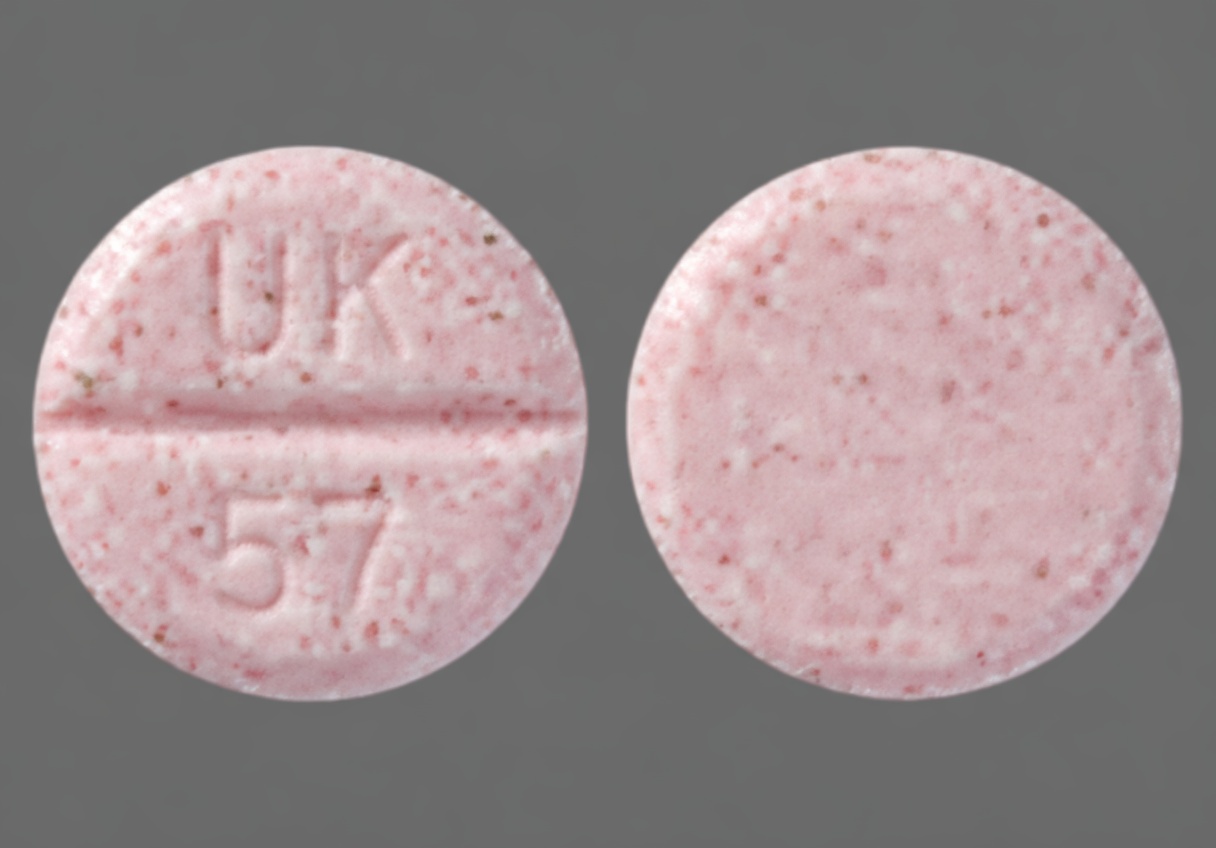
What Research Says About Hydrochlorothiazide and Cancer Risk
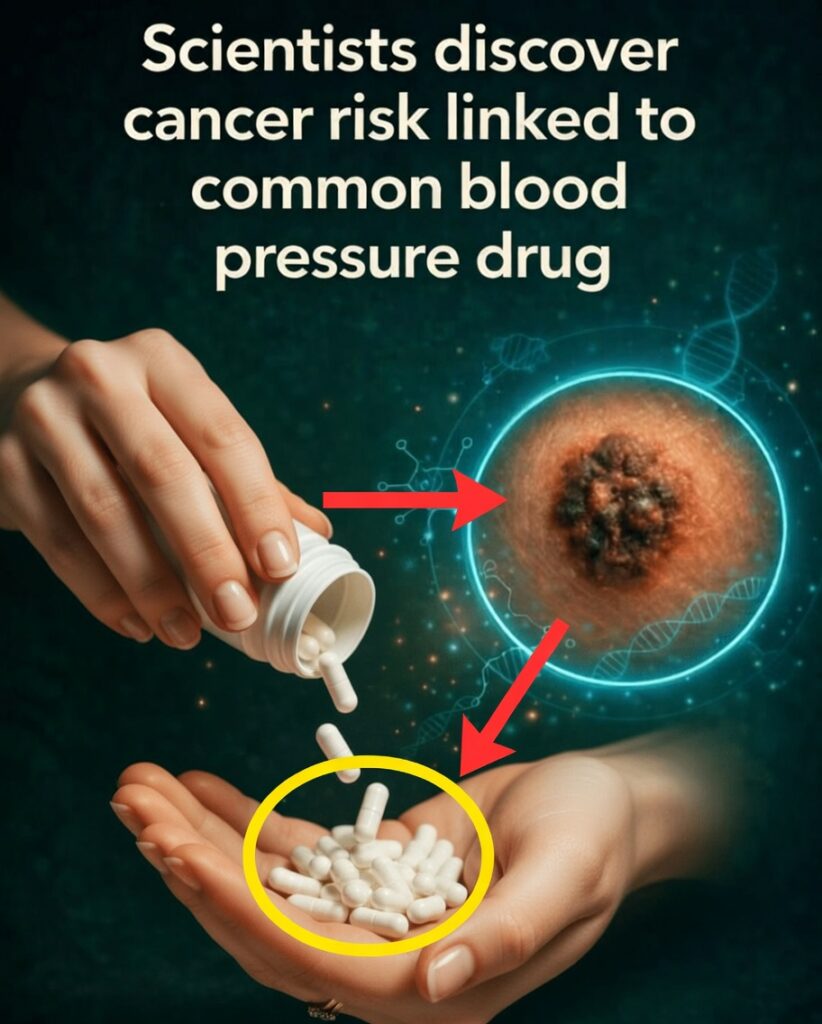
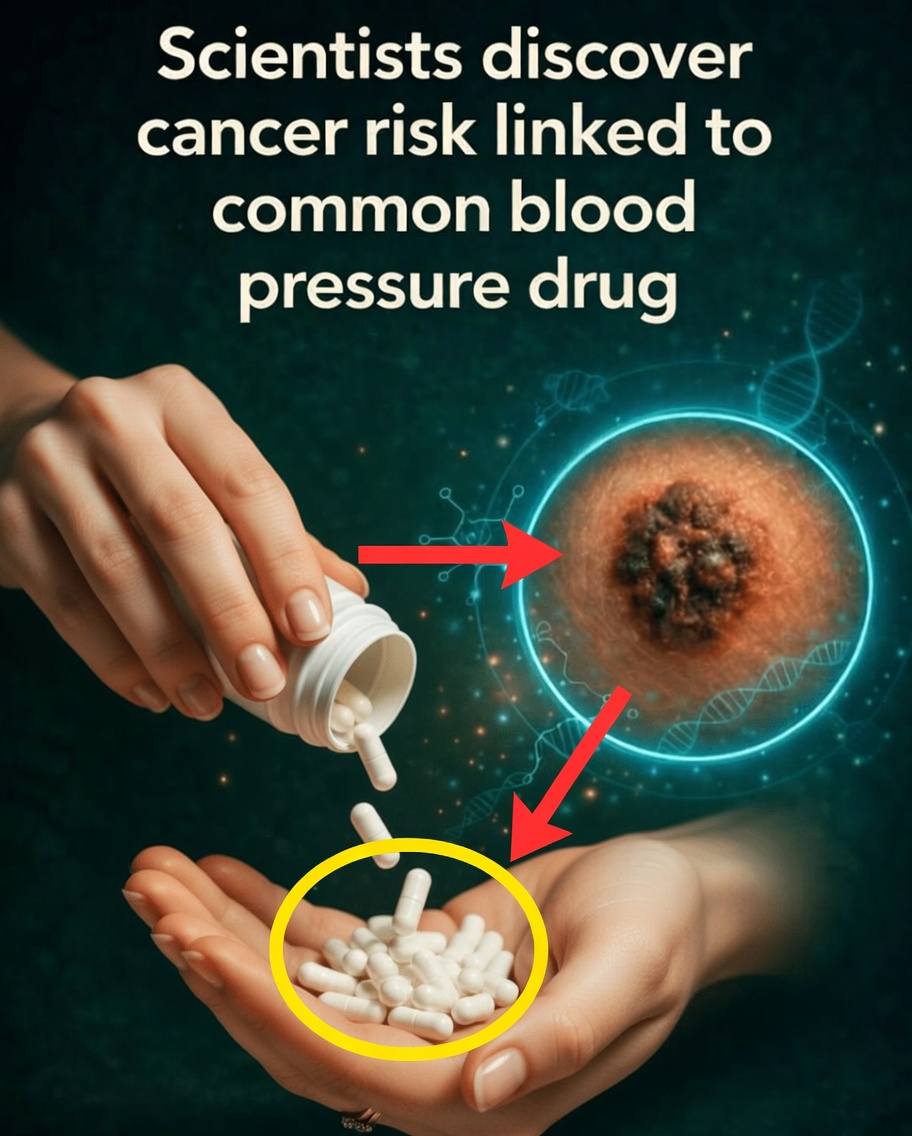
Several studies, including large-scale data analyses from Australia, as well as research from countries such as the UK and Denmark, have found an association between long-term hydrochlorothiazide use and a higher risk of certain skin cancers and lip cancer, particularly in older adults.
A key point from the research is that the risk appears to be cumulative. In other words, the longer the exposure to hydrochlorothiazide, the more important it becomes to monitor skin health carefully. This does not mean that everyone taking the medication will develop cancer, nor does it mean panic is necessary. However, it does highlight the value of staying informed and discussing your personal risk factors with a healthcare professional.
Why Sun Exposure Matters More While Taking Hydrochlorothiazide
If hydrochlorothiazide is part of your blood pressure treatment plan, sun exposure deserves extra attention. Because the medication can make the skin more vulnerable to UV damage, time spent in the sun may carry more risk than it would otherwise.
This can feel frustrating. After all, you are taking a medication to protect your heart, yet now you may need to think more carefully about your skin and lips as well. The good news is that sun safety does not require a major lifestyle overhaul. A few consistent habits can help reduce risk while allowing you to continue your treatment.
Smart Sun Protection Habits to Follow
- Use a broad-spectrum sunscreen with SPF 30 or higher every day, even when the weather is cloudy.
- Wear long sleeves, sunglasses, and a wide-brimmed hat when outdoors.
- Try to stay in the shade during peak UV hours, typically 10 a.m. to 4 p.m.
- Pay attention to changes in your skin or lips and arrange regular skin examinations with your doctor.

Practical Ways to Stay Safe on Hydrochlorothiazide
Taking hydrochlorothiazide does not have to mean living in constant fear of skin cancer. The most important step is to have an open conversation with your healthcare provider. If you have concerns, ask whether your current treatment remains the best option for you or whether another blood pressure medication might be worth considering.
You can also lower anxiety by building simple protective habits into your daily routine. Many people find that combining medication adherence, sun protection, and healthy lifestyle changes gives them more peace of mind.
Comparing Your Options
| Aspect | Staying on Hydrochlorothiazide | Discussing Alternatives With Your Doctor |
|---|---|---|
| Blood pressure control | Often effective for many people with hypertension | May work well, but response varies by person |
| Skin sensitivity risk | Higher due to photosensitizing effects | May be lower depending on the replacement medication |
| Impact on daily routine | Requires consistent sun protection habits | Could reduce skin concerns, but still needs monitoring |
| Heart health benefits | Proven benefits when used and monitored properly | Can offer similar benefits if matched to your needs |
Healthy Lifestyle Habits That Support Blood Pressure Control
Medication is only one part of managing hypertension. Daily habits can also help support your heart health and may reduce the overall stress of long-term treatment.
Helpful lifestyle practices include:
- Taking regular walks or doing other moderate exercise
- Following a balanced, heart-friendly diet
- Reducing excess salt intake
- Keeping track of your blood pressure at home
- Managing stress through rest, mindfulness, or relaxation techniques
These habits can complement the effects of hydrochlorothiazide and help you feel more in control of your health overall.
Practical Steps You Can Take Today
If you are currently using hydrochlorothiazide, consider these simple next steps:
- Schedule a skin check and mention any new or unusual spots, sores, or lip changes
- Review your dose and treatment plan with your prescriber
- Keep sunscreen and protective clothing easily available
- Monitor your blood pressure readings at home
- Write down any skin concerns so you can discuss them during medical appointments
Key Takeaway
Understanding the possible link between hydrochlorothiazide, sun sensitivity, and skin or lip cancer risk can help you make better-informed decisions about your treatment. For many people, the medication remains an effective tool for controlling high blood pressure. The goal is not to stop treatment out of fear, but to combine its benefits with smart prevention strategies.
With guidance from your doctor and a few daily protective habits, you can continue managing your blood pressure while also looking after your skin health. In many cases, small actions lead to greater confidence and peace of mind.

Frequently Asked Questions
Can I stop taking hydrochlorothiazide if I am worried about skin cancer risk?
No—do not stop taking hydrochlorothiazide without speaking to your doctor first. Stopping suddenly or changing your medication on your own may affect your blood pressure control and increase health risks.
Does everyone who takes hydrochlorothiazide have the same risk of skin or lip cancer?
No. Risk can vary based on several factors, including:
- Age
- Amount of sun exposure
- How long you have taken hydrochlorothiazide
- Skin type and personal medical history
Should I switch to another blood pressure medication?
Not always. Hydrochlorothiazide may still be the right choice for you. The best option depends on your overall health, blood pressure response, and personal risk factors. A doctor can help determine whether an alternative makes sense.
What skin changes should I watch for?
Be alert for:
- New growths or spots
- Sores that do not heal
- Changes in moles
- Rough, scaly patches
- Unusual changes on the lips
If you notice anything suspicious, arrange a medical evaluation promptly.