Potassium Deficiency, Blood Pressure, and Stroke Risk: What You Need to Know
Stroke remains one of the top causes of death and long-term disability across the globe. For many adults, the possibility of a sudden event that affects mobility, independence, or the ability to care for loved ones can be deeply unsettling. That fear becomes even more serious when you consider that high blood pressure can quietly damage blood vessels in the brain for years before any symptoms appear.
One frequently ignored factor in this process is potassium deficiency. When your body does not get enough potassium, blood pressure can rise more easily, which may increase the risk of stroke over time. The good news is that improving potassium intake is often possible through simple, natural changes that feel manageable and effective.
This article explains how low potassium, high blood pressure, and stroke prevention are connected, and what daily foods and habits can help support long-term brain and heart health.
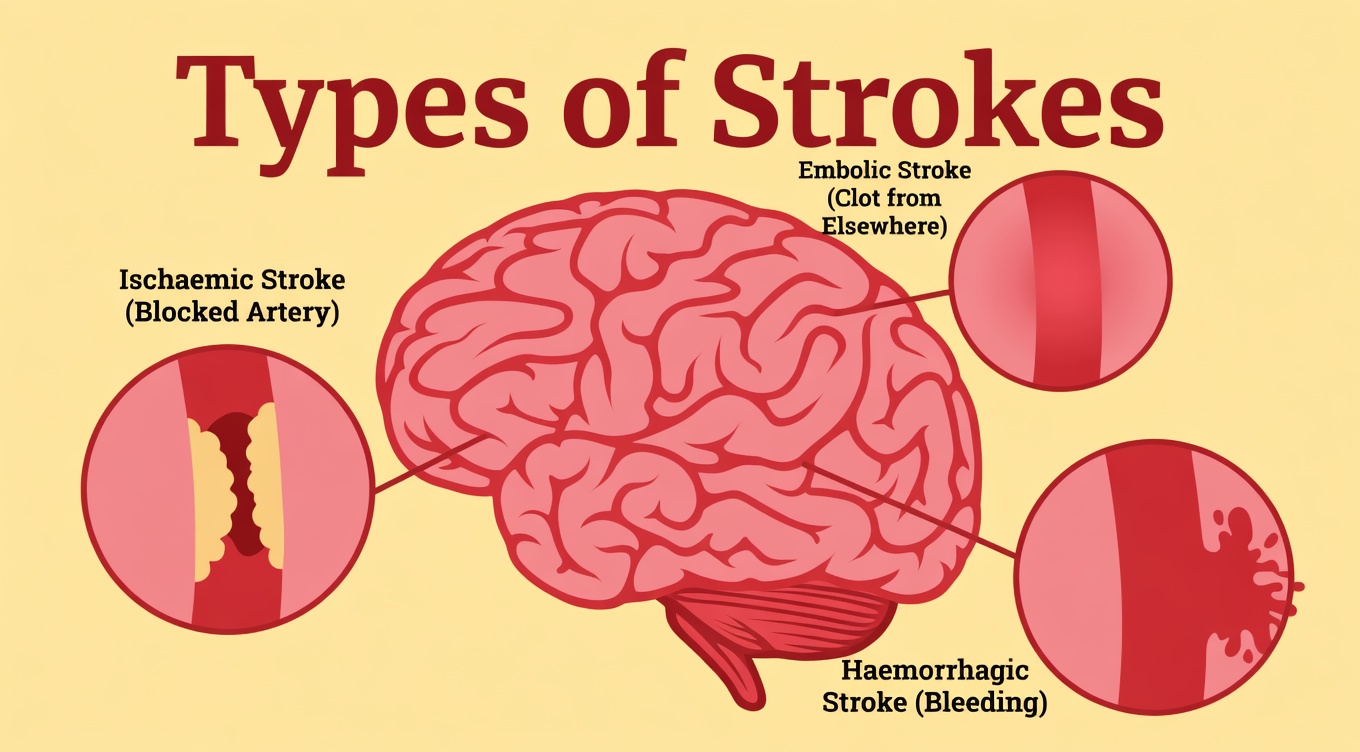
The Two Main Types of Stroke
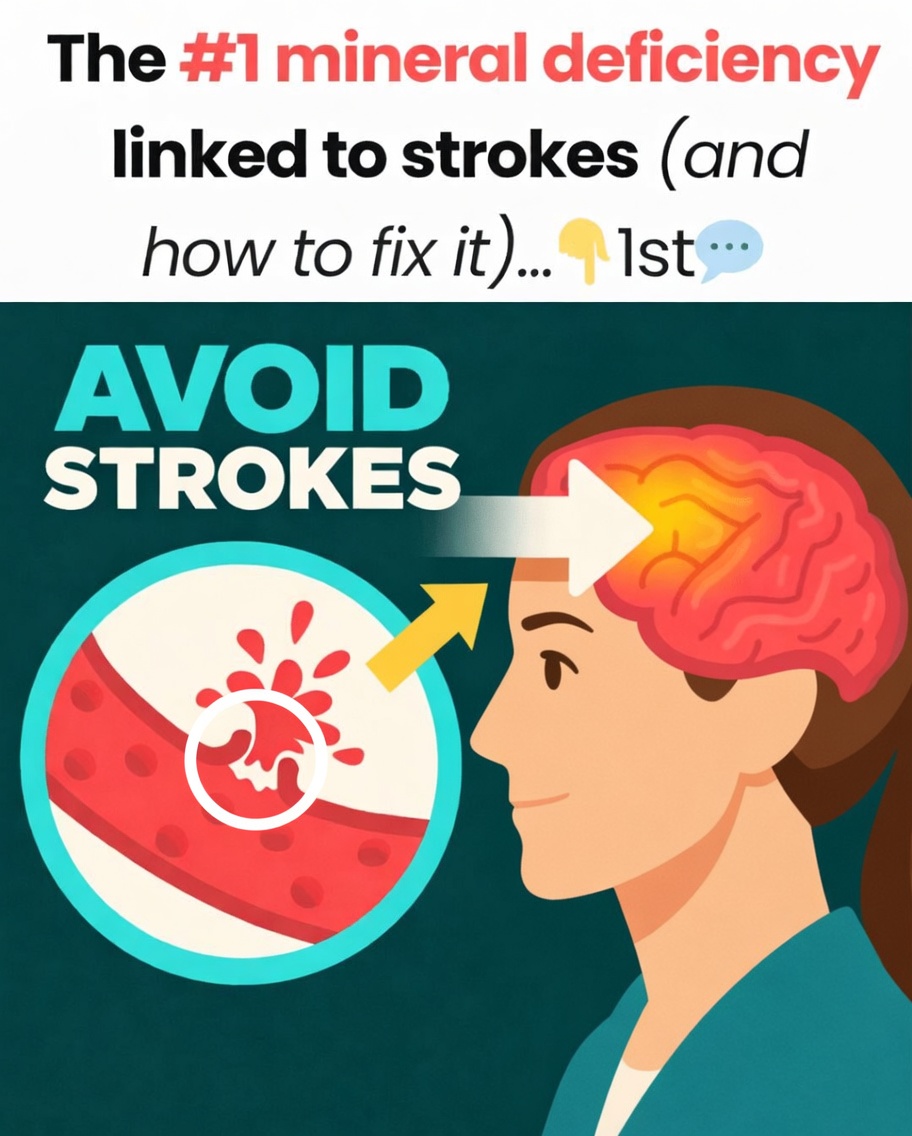
To understand why potassium matters, it helps to know the two major categories of stroke.
-
Ischemic stroke
- This is the most common type, making up about 87% of all strokes.
- It happens when blood flow to part of the brain is blocked, often by a clot or plaque buildup.
- Poor blood pressure control can gradually damage arteries and increase the chance of this blockage.
-
Hemorrhagic stroke
- This occurs when a blood vessel in the brain bursts or leaks.
- The resulting bleeding causes swelling and rapid injury to brain tissue.
- Weak or overstrained blood vessels are more likely to rupture under pressure.
Although potassium deficiency does not directly cause a stroke, it can contribute to uncontrolled blood pressure, which raises the risk of both stroke types.
Why High Blood Pressure Is the Biggest Warning Sign
Among all preventable stroke risk factors, high blood pressure is still the most important. Research continues to show that it is linked to more than half of stroke cases worldwide. When pressure inside the arteries stays too high, the vessel walls become inflamed, stiff, and fragile. Over time, that damage can lead to a clot, a blockage, or a rupture in the brain.
This is where potassium deficiency becomes especially important. Potassium helps the body regulate fluid balance, nerve signaling, and muscle function, including the muscles in blood vessel walls. When potassium intake is too low, the body may retain more sodium and fluid, and blood vessels may remain more constricted. Together, these changes can keep blood pressure elevated.
For many people, this connection makes stroke prevention feel more personal. It is not just about numbers on a monitor. It is about knowing that everyday nutrition choices may influence long-term health in a major way.
The Overlooked Role of Potassium Deficiency
One reason potassium deficiency deserves more attention is that it is both common and often reversible. Many people consume too much sodium from processed foods while falling short on potassium-rich whole foods. That imbalance creates the perfect environment for rising blood pressure.
Even short periods of low potassium intake may lead to noticeable blood pressure increases. This happens because potassium helps the kidneys remove excess sodium from the body. Without enough of it, sodium tends to build up, fluid retention increases, and blood vessel tension can worsen.
Correcting potassium deficiency supports blood pressure in two key ways:
- It helps relax blood vessel walls
- It helps the body eliminate excess sodium
That combination can make a meaningful difference for people trying to reduce stroke risk naturally.
How Much Potassium Do You Need?
Studies suggest that getting around 3,500 to 4,700 milligrams of potassium per day may help improve blood pressure, especially in people whose diets are high in sodium. Reaching this range can offset some of the harmful effects of modern eating patterns and support healthier cardiovascular function.
Even modest improvements matter. Small drops in blood pressure have been associated with lower risk of stroke and other cardiovascular problems. Beyond that, adequate potassium intake also supports:
- Muscle function
- Energy levels
- Nerve signaling
- Fluid balance
These extra benefits can make healthy lifestyle changes feel more rewarding and sustainable.
Research Supporting Potassium for Stroke Prevention
Large clinical studies have added strong evidence to the connection between potassium intake and stroke risk reduction. In one major trial, people who used a salt substitute containing more potassium and less sodium had fewer recurrent strokes over several years. The benefits were especially notable for hemorrhagic stroke, which is closely tied to uncontrolled blood pressure.
This finding is important because it shows how potassium works best in context. It is not only about adding more potassium, but also about improving the overall sodium-potassium balance in the diet. Lower sodium and higher potassium appear to work together to support healthier blood pressure.
Because of this growing evidence, many experts now view potassium intake as a practical part of stroke prevention, not just a minor nutritional detail.
Best Foods to Correct Potassium Deficiency
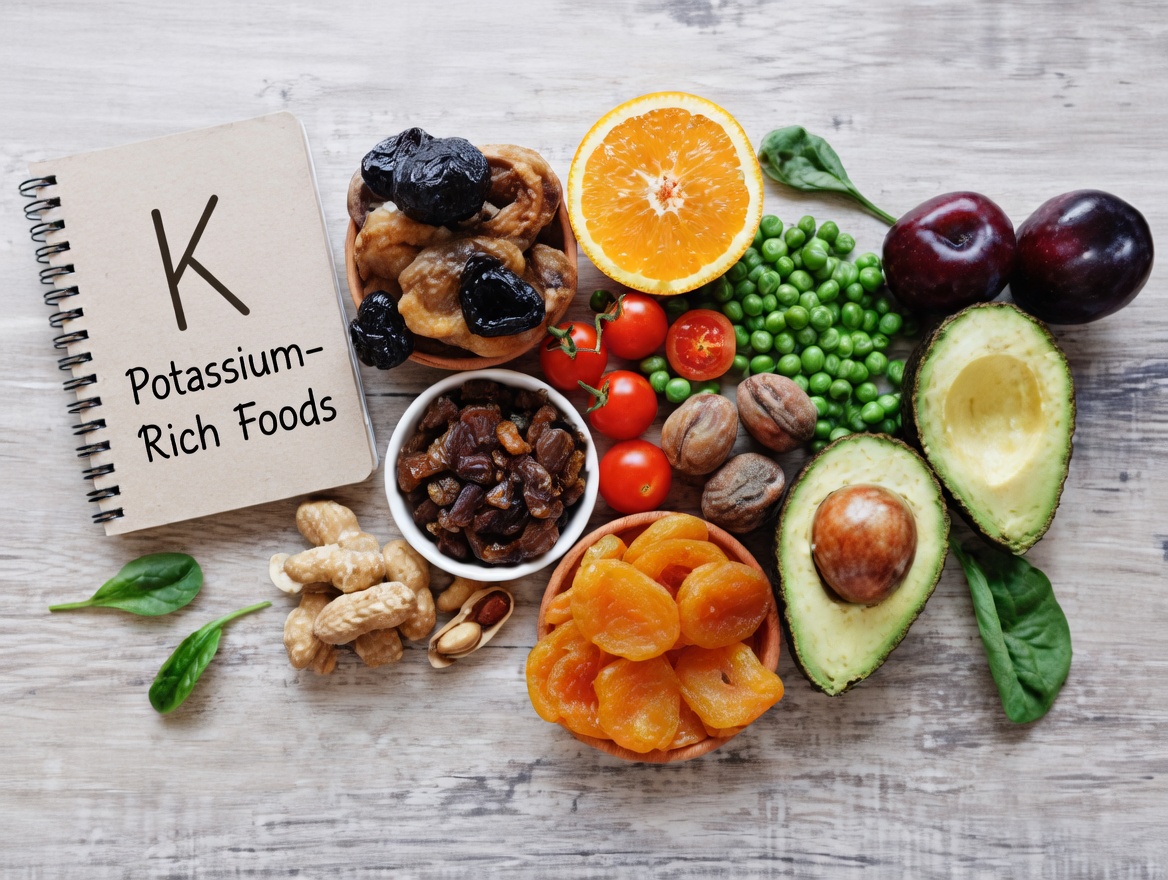
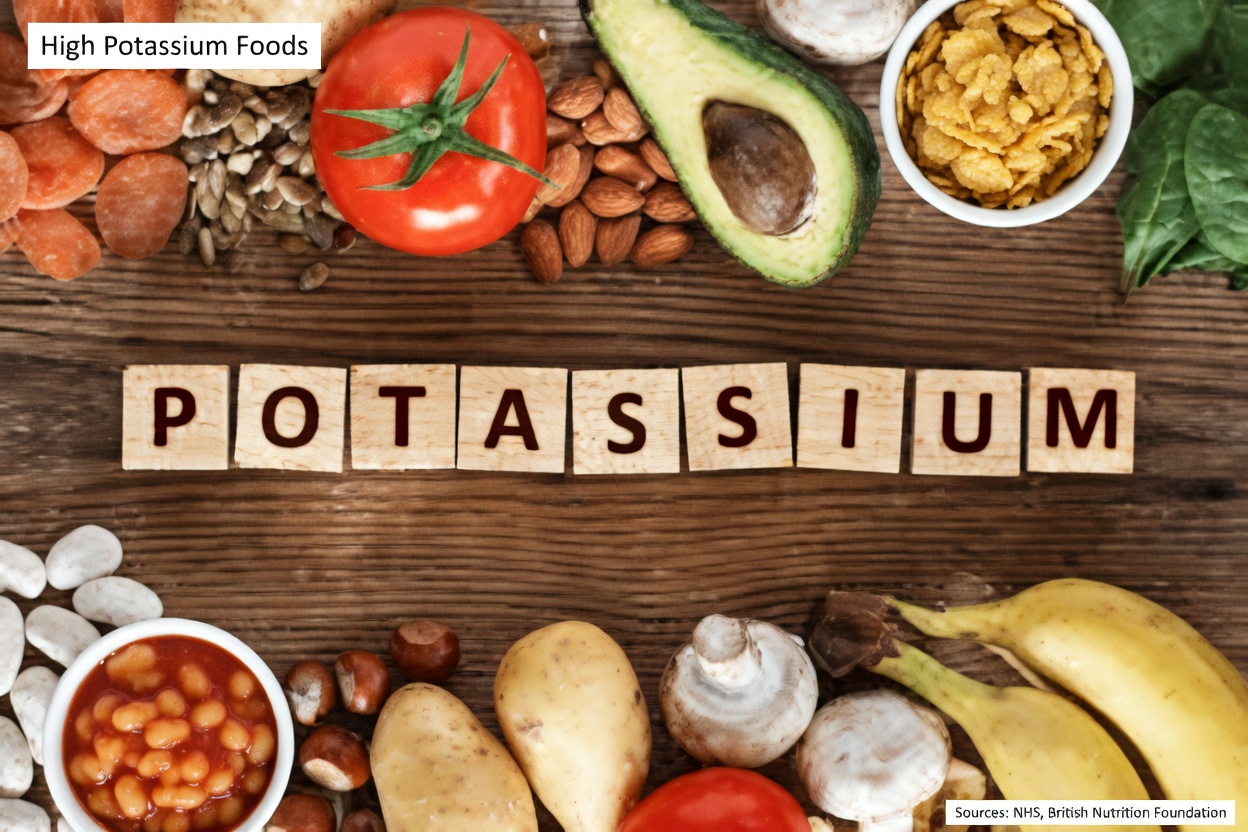
For most people, the safest and most effective way to improve potassium status is through whole foods. Food sources provide potassium along with fiber, antioxidants, vitamins, and minerals that support overall wellness. Supplements may be useful in certain cases, but they are not usually the first choice unless recommended by a healthcare professional.
Here are some of the best potassium-rich foods to include regularly:
-
Leafy greens
- Spinach
- Swiss chard
- Kale
-
Root vegetables
- Sweet potatoes
- White potatoes with the skin
-
Fruit
- Bananas
- Avocados
- Oranges
- Cantaloupe
-
Legumes
- Beans
- Lentils
- Edamame
-
Fish
- Salmon
- Tuna
-
Dairy products
- Yogurt
- Milk
A dietary pattern such as the DASH diet is often recommended because it naturally emphasizes foods rich in potassium, magnesium, and fiber. Research has linked this eating pattern to lower blood pressure and reduced stroke risk.
The Blood Pressure Target Many People Miss
For years, a systolic blood pressure reading below 140 mmHg was considered acceptable for many adults. However, newer research suggests that this target may not be ideal for everyone. Some large studies have found that aiming closer to 120 mmHg systolic can lead to fewer cardiovascular events, including strokes.
That does not mean everyone should chase the same number without medical guidance. But it does show that blood pressure control may need to be more proactive than many people once believed.
If potassium deficiency is contributing to elevated blood pressure, increasing potassium intake can become an important step toward reaching healthier targets through diet and lifestyle improvements.
Simple Steps to Increase Potassium Starting Today
Improving potassium intake does not have to feel complicated. Small, steady changes are often the most effective approach.
Try these practical strategies:
-
Track your current diet for a few days
- This can help you spot whether potassium-rich foods are missing from your meals.
-
Replace one processed snack each day
- Swap chips or crackers for a banana, yogurt, or avocado toast.
-
Add at least two potassium-rich foods to every meal
- For example, spinach with eggs at breakfast or beans with lunch.
-
Use a potassium-enriched salt substitute if appropriate
- Speak with your healthcare provider first, especially if you have kidney disease or take medications that affect potassium levels.
-
Check your blood pressure at home
- Monitoring your numbers can help you see how nutrition and habits are affecting your progress.
-
Reduce heavily processed foods
- These are often high in sodium and low in potassium, making blood pressure harder to control.
These steps can turn stroke prevention into something practical and realistic rather than overwhelming.
Why Whole-Food Potassium Matters More Than You Think
Choosing whole foods to address potassium deficiency has benefits beyond blood pressure. A diet rich in vegetables, fruits, legumes, fish, and dairy can also support:
- Better vascular health
- Lower inflammation
- Improved energy
- Healthier weight management
- Stronger overall cardiovascular protection
That broader impact matters because stroke prevention is rarely about one single nutrient alone. It is about building daily habits that protect the brain, heart, and blood vessels over time. Potassium is one important part of that bigger picture.
Final Thoughts: Take Control of Potassium Deficiency and Stroke Risk
Addressing potassium deficiency can be a powerful and practical way to support healthier blood pressure and lower factors associated with stroke risk. By eating more potassium-rich foods, reducing excess sodium, and paying attention to updated blood pressure goals, you can take meaningful steps toward protecting your long-term brain health.
The most encouraging part is that this does not require extreme measures. A few consistent changes in your meals and routines can gradually improve blood pressure control and reduce the hidden risks that often build silently over time.
Start with one step today. A more potassium-rich diet may be a simple but important move toward a healthier, more confident future.