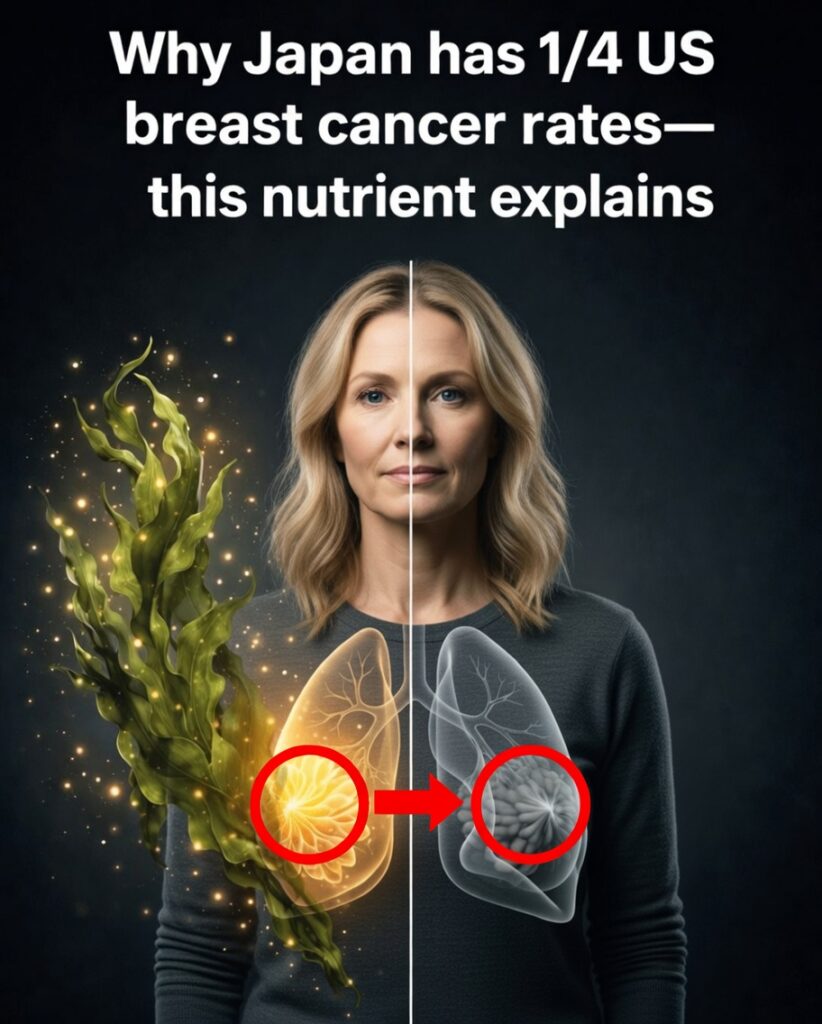
Iodine and Breast Health: Why Breast Cancer Rates May Differ Between Japan and the U.S.
For many women, the thought of breast cancer brings real fear and uncertainty. In the United States, about 1 in 8 women will be diagnosed during their lifetime, a statistic that can make concerns about personal health and family well-being feel even heavier. Breast cancer rates in North America also remain higher than in many other parts of the world, raising questions about whether daily habits such as nutrition and lifestyle play a role.
One area that continues to draw attention is iodine, a mineral found naturally in certain foods. Researchers have long explored whether iodine intake may help explain why Japanese women have historically shown lower breast cancer rates than women in the U.S. While no single nutrient can prevent disease on its own, understanding iodine and breast health may offer a useful perspective for women looking to support long-term wellness.
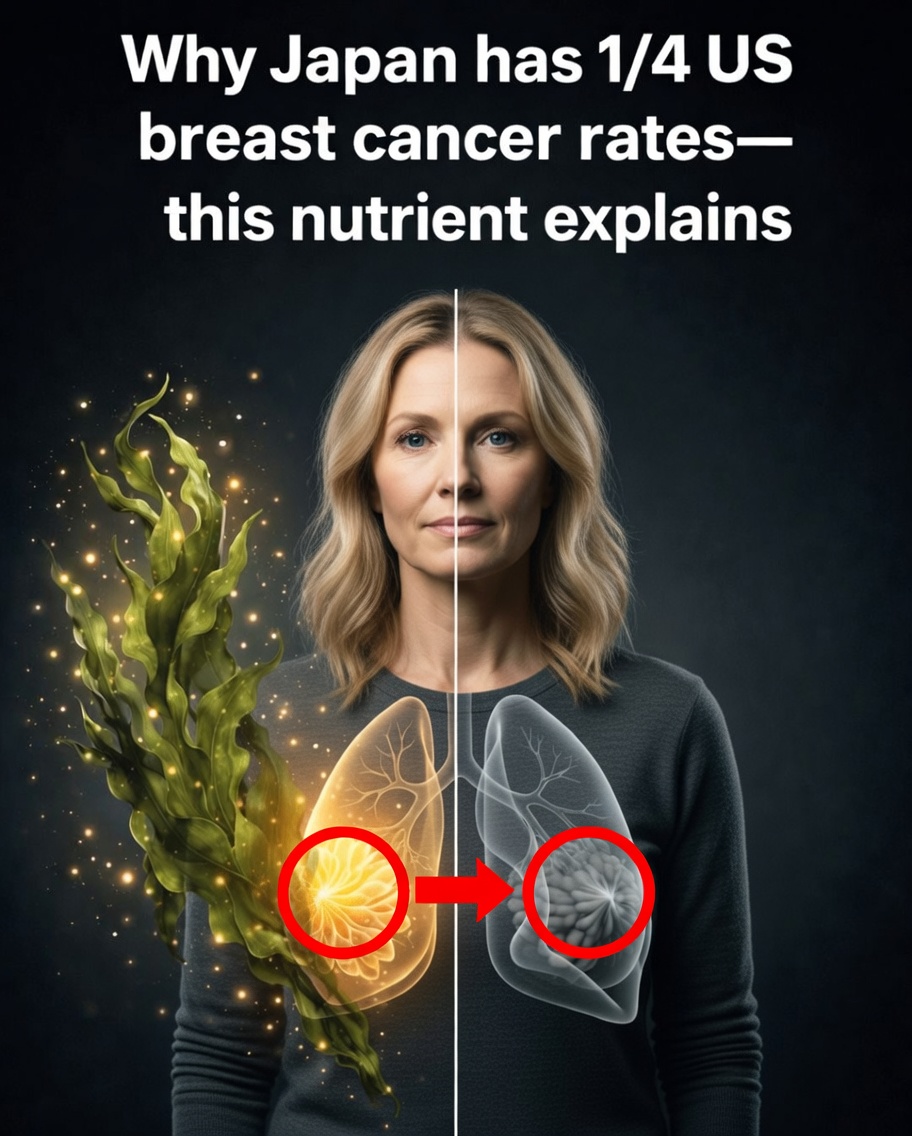
Why Japanese Women Have Lower Breast Cancer Rates in Some Studies
The contrast in breast cancer rates between Japan and the United States has interested scientists for decades. Many researchers believe the difference may be linked, at least in part, to dietary and lifestyle patterns, including a higher intake of iodine-rich foods in Japan.
Traditionally, Japanese diets include more sea vegetables and seafood, both of which provide significant amounts of iodine. This matters because iodine is not only important for thyroid health; it also appears to support the normal function of breast tissue, which is part of the endocrine system.
For women who worry about future breast cancer risk, learning that nutrition may influence breast health can feel empowering. Research does not suggest iodine is a cure or guaranteed protective factor, but it does point to a meaningful connection between adequate iodine intake and healthier breast tissue patterns over time.
Breast Cancer Statistics That Show a Clear Difference
Breast cancer remains one of the most common health concerns for women worldwide. In the U.S., lifetime risk is significantly higher than in Japan, and that gap has led experts to investigate what might be contributing to the difference.
Some studies have looked at iodine deficiency and changes in breast tissue, noting that populations with higher iodine intake, such as those following more traditional Japanese diets, often show different breast health trends. These statistics are more than numbers—they reflect the very real stress women experience around screenings, family history, and prevention.
Although diet alone does not explain every case, iodine continues to stand out as one of the nutritional factors associated with breast tissue health. For women in North America seeking proactive ways to support wellness, this makes iodine an important topic to understand.

The Science Behind Iodine and Breast Tissue Support
Iodine is an essential mineral required by the body for several important functions. Most people know it for its role in thyroid health, but breast tissue also appears to use iodine in meaningful ways.
Earlier research, including work by scientists such as Bernard Eskin, suggested that iodine deficiency may affect how breast cells develop and function. Because the breasts are glandular tissue within the endocrine system, they may depend on sufficient iodine in a way that is somewhat similar to the thyroid.
Studies have also suggested that iodine helps support molecular processes involved in maintaining normal breast tissue. This scientific interest is one reason iodine is often discussed in conversations about breast wellness and cross-cultural differences in breast cancer rates.
For women dealing with anxiety about cancer risk, this research offers a practical point of discussion with a healthcare provider. It does not replace medical care or screening, but it adds another layer to understanding how nutrition may influence the body over time.
Common Breast Cancer Risk Factors and Where Iodine Fits In
Many women think about breast cancer risk in terms of genetics, hormones, or environmental exposure. These concerns are valid, and in most cases, risk is shaped by multiple factors, not just one. Observational research comparing Japanese and American populations suggests iodine may interact with some of these broader influences.
Commonly discussed risk factors include:
- Hormonal imbalances that affect endocrine function
- Family history and inherited genetic traits
- Diet and lifestyle habits that may be low in key nutrients, including iodine
- Smoking
- Heavy alcohol consumption
- Certain medications or personal care products
- Exposure to environmental chemicals
Iodine appears in this discussion as a supportive nutrient, not a complete solution. Since Japanese diets often contain more iodine from marine foods, this may help explain part of the difference in breast cancer rates without suggesting that iodine alone determines outcomes.

Simple Ways to Add More Iodine to Your Diet
Keeping iodine intake at a healthy level does not need to be difficult. For many women, small dietary adjustments can be an easy way to support both thyroid and breast health. If you are considering increasing iodine intake, especially if you have a thyroid condition, it is best to speak with a healthcare professional first.
Everyday food sources of iodine include:
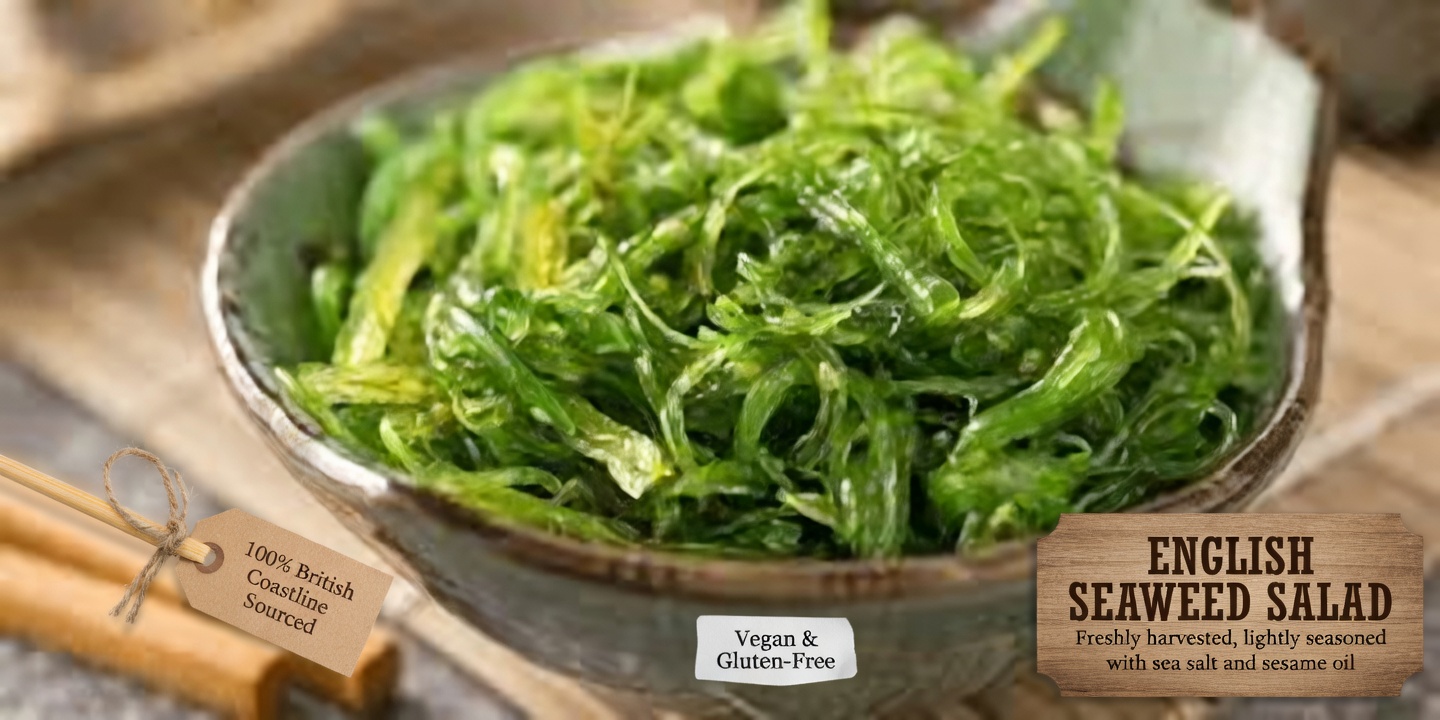
- Seaweed, such as nori or kelp, added to soups, salads, or snacks
- Fish and shellfish
- Milk, yogurt, and cheese
- Eggs
- Iodized salt, used in moderation
Choosing iodine-rich foods a few times each week may help women feel more in control of their health habits. Rather than following extreme changes, a balanced approach is usually the most sustainable.
Lifestyle Habits That Work Alongside Iodine
Iodine is only one piece of the bigger picture. A healthy lifestyle can complement good nutrition and help women feel less overwhelmed by breast cancer concerns. Research into lower breast cancer rates in Japan often considers not just iodine intake, but also broader lifestyle patterns.
Helpful supportive habits include:
- Regular physical activity
- Stress management
- Not smoking
- Moderating alcohol intake
- Eating a balanced, nutrient-rich diet
- Keeping up with medical checkups and screenings
Taken together, these habits may support the body’s natural balance and contribute to better overall health. Even small steps can provide peace of mind and a stronger sense of personal control.

Frequently Asked Questions About Iodine and Breast Health
What is the connection between iodine and breast cancer rates?
Research suggests iodine helps support normal breast tissue development and function. Some studies have linked higher iodine intake in Japan with lower breast cancer rates compared with the U.S. However, iodine is not the only factor, and more research is still needed.
How do I know if I am getting enough iodine?
A healthcare provider can evaluate iodine status through urine or blood testing, especially if there are concerns related to thyroid health or nutrient intake. Reviewing your diet, particularly seafood, dairy, and iodized salt use, can also be helpful.
Can I increase iodine naturally without taking supplements?
Yes. Many people choose to get more iodine through food rather than supplements. Good natural options include:
- Seaweed
- Fish
- Shellfish
- Dairy products
- Eggs
Before making major changes, especially if you have thyroid disease or other medical conditions, consult a qualified healthcare professional.
Final Thoughts
Breast cancer remains a major concern for women, especially in countries where rates are high. The lower incidence historically observed among Japanese women has led researchers to examine many possible reasons, and iodine intake is one of the most interesting.
While iodine is not a guaranteed shield against breast cancer, it plays a valuable role in breast tissue health and may be one factor among many that influences long-term outcomes. By understanding iodine, choosing nutrient-rich foods, and maintaining healthy lifestyle habits, women can take informed steps toward supporting overall breast wellness.