The Simple Morning Habit That Helps Reduce Dust Mites in Your Bed
Waking up congested, with itchy eyes and low energy, can make every day feel like an uphill climb—especially when the problem starts right in your own bed. Tiny dust mites, invisible to the naked eye, feed on the dead skin cells you shed while sleeping and multiply rapidly in the warm, humid layers of your mattress and bedding. Their waste and body fragments can trigger sneezing, irritation, and restless nights.
The encouraging news: you don’t need complex routines or costly devices to reduce dust mites in your bed. A few consistent, easy habits—especially one quick morning routine—can make your sleeping environment much less friendly to these microscopic pests.
What Dust Mites Are and Why They Love Your Bed
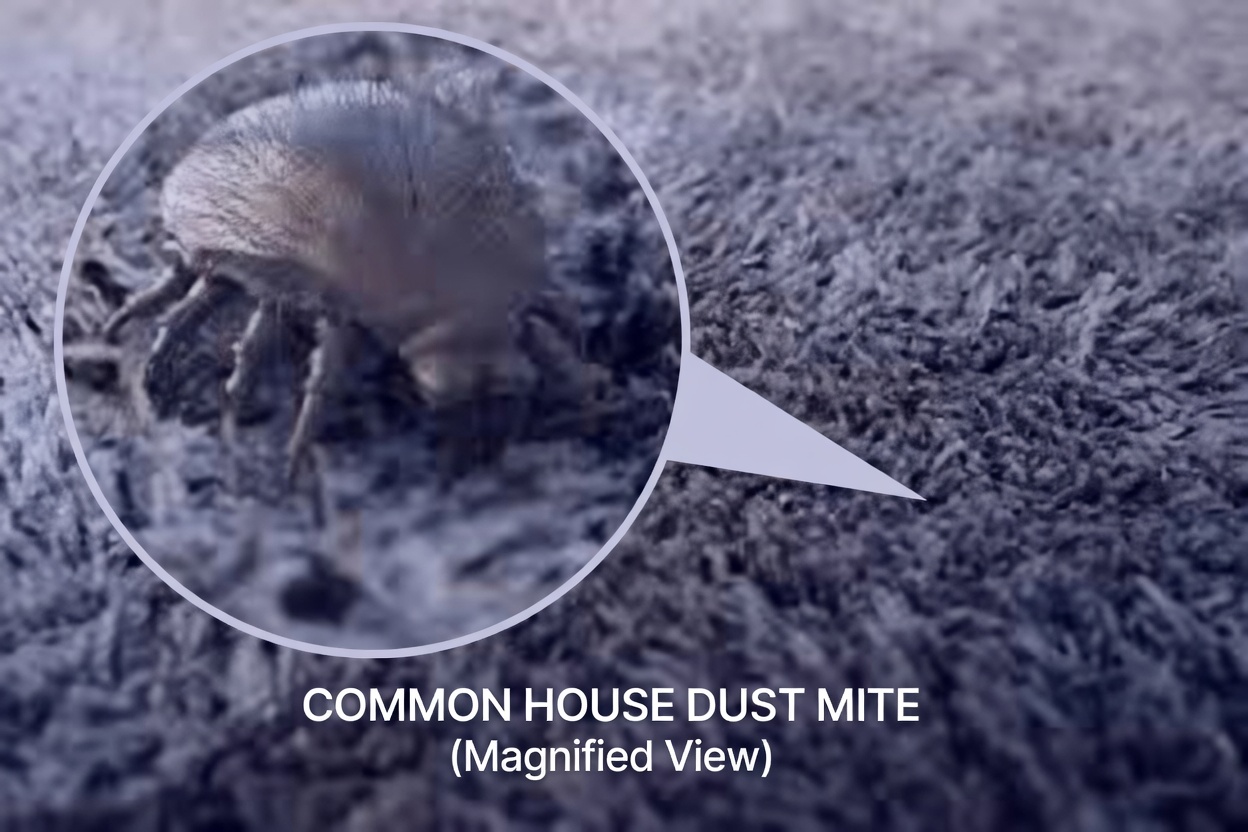
Dust mites are microscopic organisms that thrive in soft furnishings like mattresses, pillows, and bedding. Your bed is essentially their ideal habitat because it offers:
- A steady supply of dead skin cells as food
- Warm temperatures, typically around 70°F (21°C)
- Humidity levels above 50%, which support their survival and reproduction
When you spend hours sleeping in this environment, you’re constantly exposed to the particles dust mites leave behind. If you wake up stuffy, with more skin irritation or allergy-like symptoms after a night’s sleep, dust mites in your bed may be a contributing factor.
Research has found that homes with higher levels of dust mites often report more frequent sneezing, congestion, and allergy symptoms—especially in the bedroom. That’s why understanding and managing dust mites in your bedding is so important for long-term comfort.
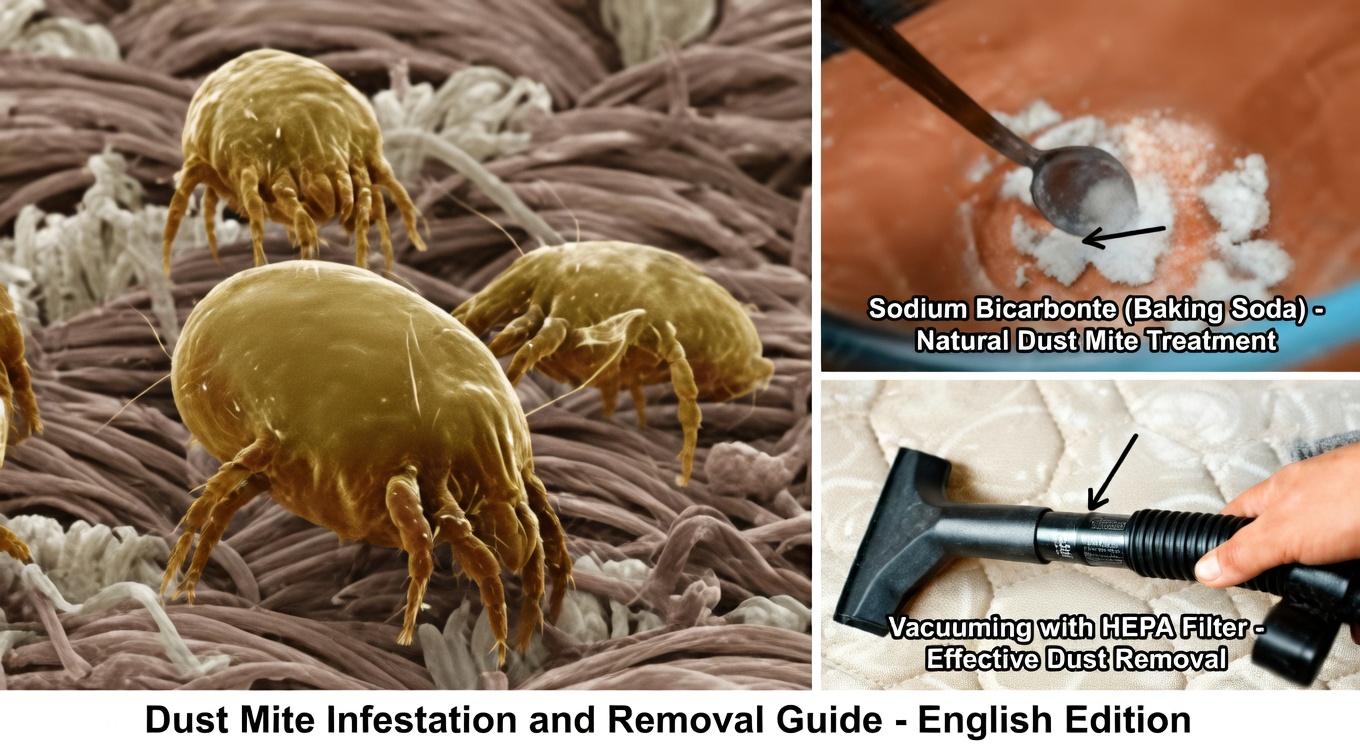
How Dust Mites in Your Bed Undermine Rest and Daily Comfort
Continuous exposure to dust mites in your bed can quietly drain your energy. What should be deep, restorative sleep turns into a night of subtle irritation and disturbed breathing.
As you move in your sleep, dust mite droppings and body fragments can become airborne. These particles may:
- Irritate your airways
- Trigger sneezing or coughing
- Contribute to that scratchy, dry feeling in your nose or throat each morning
Many people accept these symptoms as “normal,” without realizing their bed may be part of the problem. However, studies show that reducing dust mite exposure in bedding can lower symptom frequency for many individuals, helping them sleep more deeply and wake up feeling more refreshed.
The Easy Morning Routine: Air Out Your Bed
One of the most effective—and often overlooked—ways to discourage dust mites in your bed is surprisingly simple:
- Leave your bed unmade in the morning.
- Open the windows (when weather and air quality allow) to let in fresh air and sunlight.
Dust mites thrive in warm, enclosed, and slightly damp environments. During the night, moisture from your breath and sweat gets trapped in your sheets and mattress. By pulling back the covers and allowing the bedding to air out, you:
- Help moisture evaporate quickly
- Expose the bed to drier conditions dust mites dislike
- Let natural sunlight act as a gentle, natural disinfectant
Over time, this basic habit shifts the environment in your bed, making it less inviting for dust mites to multiply.
If you repeat this routine every morning, you’ll likely notice that your sheets feel fresher and your bedroom smells cleaner. Best of all, it takes less than two minutes and requires no special products—just consistency.
Hot-Water Washing: A Strong Defense Against Dust Mites in Your Bedding
While airing out your bed targets moisture and environment, washing your bedding in hot water directly reduces dust mite populations.
Dust mites generally cannot survive temperatures above 130°F (about 54°C). Running your bedding through a hot wash cycle helps break the cycle of buildup on fabrics that collect:
- Skin cells
- Body oils
- Dust and other debris
Combining regular hot-water washing with your morning “unmade bed” routine gives you a powerful one-two approach against dust mites in your bed.
Quick Hot-Wash Checklist for Bedding
- Use water hotter than 130°F (54°C) whenever your fabric care labels allow
- Wash pillowcases and sheets at least once a week
- Wash comforters, duvet covers, and blankets every two weeks, or more often if needed
- Dry all bedding on a high-heat setting to finish killing remaining mites
These simple laundry habits help ensure that dust mites don’t have a chance to build up in large numbers on the surfaces you sleep on every night.
Allergen-Proof Covers: Creating a Barrier Between You and Dust Mites
Another effective step is to encase your mattress and pillows in allergen-proof covers. These specially designed protectors use tightly woven fabric that dust mites cannot easily penetrate.
Benefits of allergen-proof covers include:
- Creating a barrier between you and dust mites living deep inside the mattress or pillows
- Preventing new mites from settling into the inner layers
- Allowing air to circulate, so your bedding still feels breathable and comfortable
For people whose symptoms seem strongly connected to their sleep environment, these covers can make a noticeable difference in reducing exposure to dust mites in the bed. They’re quick to install and provide ongoing protection as part of your overall dust-mite control strategy.
Everyday Cleaning Habits to Reduce Dust Mites Around Your Bed
Cleaning the bed itself is essential, but dust mites also accumulate in surrounding areas. Regular cleaning helps keep overall levels down and reduces the amount of mite-related debris circulating in your bedroom.
Vacuuming With a HEPA Filter
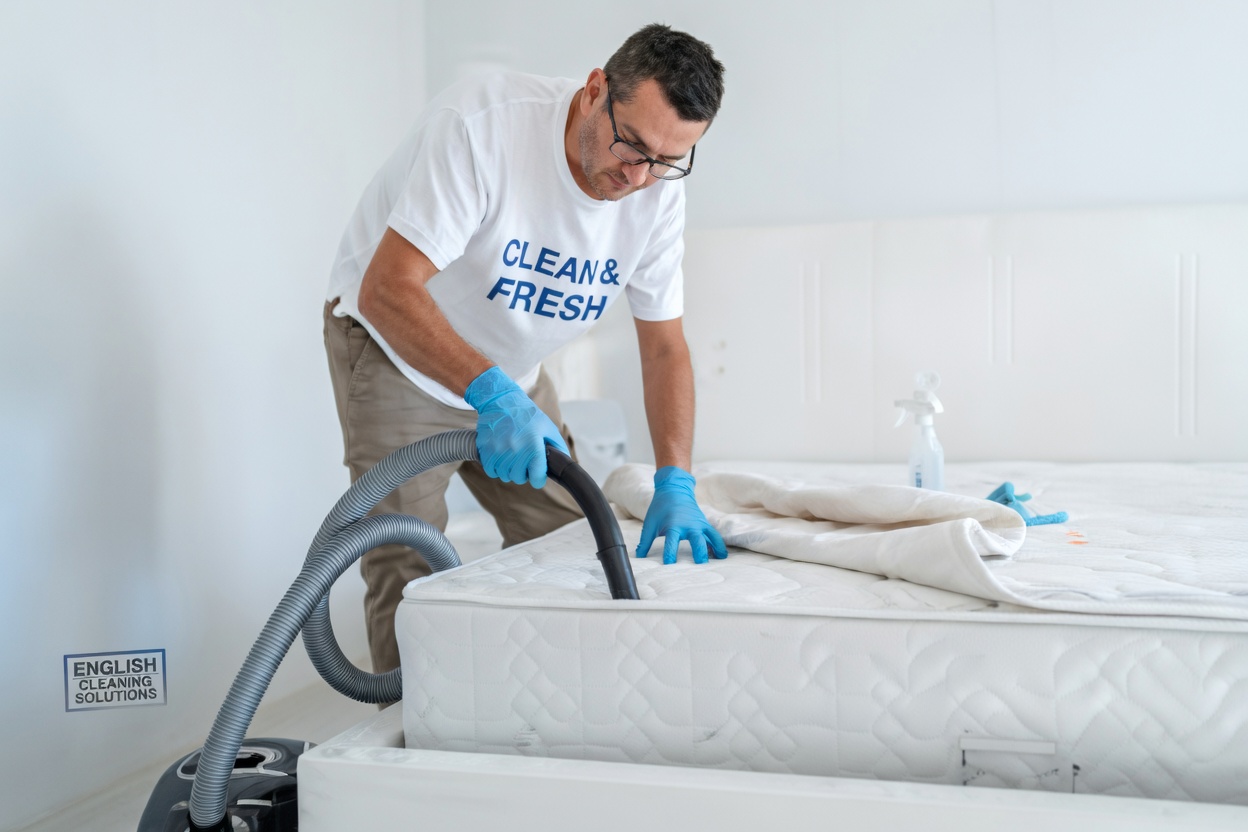
Using a vacuum with a HEPA filter on and around your bed is especially helpful. Aim to:
- Vacuum your mattress surface (if your vacuum is suitable for this)
- Vacuum rugs, carpets, and the floor area near the bed weekly
- Focus on areas where dust tends to collect, such as under the bed
HEPA filtration captures fine particles, including dust mite debris, that standard vacuums might recirculate into the air.
Daily Habits That Help Control Dust Mites in Your Bed
In addition to vacuuming, these small adjustments can amplify your results:
- Keep bedroom humidity at 50% or lower; use a dehumidifier if necessary
- Limit plush stuffed animals or fabric-heavy decor on the bed, as they trap dust
- Dust furniture with a slightly damp cloth to trap particles instead of dispersing them
- Wash curtains, fabric blinds, and washable rugs in hot water about once a month
These routine practices reduce the overall dust and moisture that help dust mites thrive.
Humidity Control and Bedroom Environment: Making Your Space Less Mite-Friendly
Humidity control is one of the most important long-term strategies for limiting dust mites in your bed. Mites struggle to survive in dry air, so keeping moisture levels in check can significantly restrict their growth.
Key Bedroom Tips
- Use a hygrometer to monitor humidity levels in your bedroom
- Aim to keep humidity below 50% whenever possible
- Open windows on dry days to improve ventilation and reduce moisture buildup
- Avoid drying wet clothes in the bedroom, which can raise humidity
- Ensure your bedroom has adequate air circulation with fans or proper ventilation
When you combine good airflow, lower humidity, and the other steps outlined above, you create a much less hospitable environment for dust mites. Over time, many people notice fewer allergy-like symptoms and a more comfortable sleep experience.
Bringing It All Together
Cutting down dust mites in your bed doesn’t require perfection—just consistent, manageable habits. The core strategy includes:
- Leaving your bed unmade in the morning and airing out the bedding
- Washing sheets and pillowcases weekly in hot water above 130°F
- Using allergen-proof covers on your mattress and pillows
- Vacuuming and cleaning the sleep area regularly with dust-mite-conscious methods
- Keeping bedroom humidity under control for a drier, less mite-friendly environment
By starting with one or two of these steps and building from there, you can gradually transform your bed into a cleaner, more comfortable place to rest. Over time, you may find your mornings feel clearer, your breathing easier, and your nights genuinely more restorative.
FAQ About Reducing Dust Mites in Your Bed
How long does it take to notice results after reducing dust mites in your bed?
Many people begin to feel some improvement—such as less morning congestion or irritation—within a few weeks of consistently following these habits. The full benefits often become more evident after one to two months, as overall dust mite levels in your bedding decrease.
What temperature is best for killing dust mites in bedding?
To effectively kill dust mites in your bed, wash sheets, pillowcases, and other washable bedding in water that’s hotter than 130°F (54°C). Follow up with high-heat drying to maximize the effect.
Do I need special products to manage dust mites in my bed?
You can make meaningful progress with basic steps like airing out your bed, hot-water washing, and regular cleaning. However, allergen-proof mattress and pillow covers can provide an extra layer of protection—especially if you have allergy symptoms that seem tied to your sleeping environment.